

 한국어
 中文 (中国)
 日本語
 中文 (台灣)
From deep chocolate and roasted nuts to caramel, fruit and floral notes, coffee grown in Vietnam can offer a surprisingly broad range of flavors. Understanding why Vietnamese coffee beans taste different means following the journey from growing conditions and cherry ripeness to processing, roasting and preparation. At Tonkin Coffee, quality Fine Robusta from Gia Lai shows how origin and careful handling can shape a distinctive Vietnamese coffee experience.
What actually creates flavor in Vietnamese coffee?
Coffee flavor develops through a chain of natural conditions and human decisions from farm to cup.
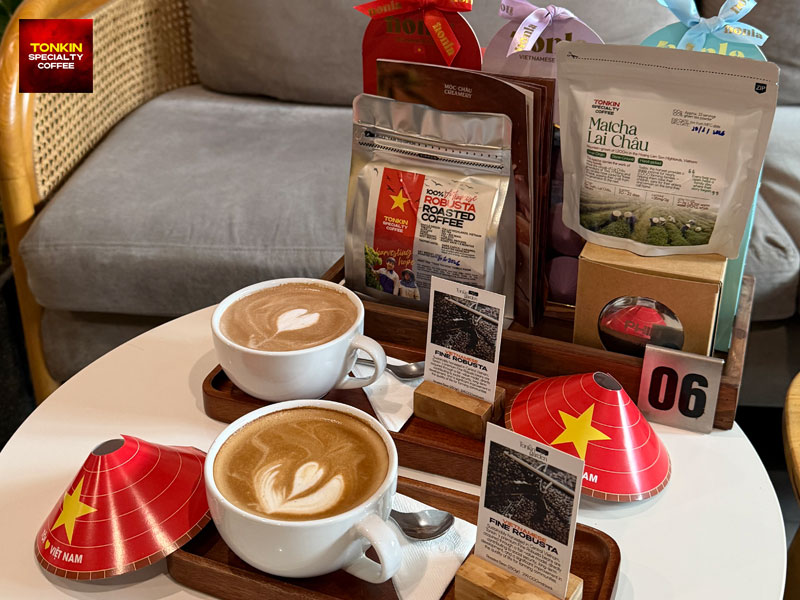
The bean provides the starting potential, but farmers, processors, roasters and baristas all influence which characteristics eventually become noticeable.
| Flavor factor | What it can influence |
| Coffee species | Body, aroma, acidity and bitterness |
| Growing environment | Bean development and sweetness |
| Cherry ripeness | Cleanliness and flavor balance |
| Processing | Fruit character, body and aroma |
| Roasting | Caramel, chocolate and roasted notes |
| Brewing | Extraction, strength and texture |
| Recipe | Sweetness, creaminess and balance |
This explains why two cups labeled “Vietnamese coffee” can provide completely different sensory experiences.
How does where Vietnamese coffee grows change its flavor?
Coffee begins developing its sensory potential while the fruit is still growing. Temperature, elevation, rainfall, sunlight, soil conditions and farm management all affect how coffee cherries mature.
Why do Vietnam’s coffee-growing regions matter?
Vietnam’s Central Highlands contain major coffee-producing areas including Gia Lai, Dak Lak and Lam Dong. Different environments and farming systems across these regions contribute to the diversity of Vietnamese coffee.
Origin should not be treated as a flavor guarantee, however. A regional name identifies where coffee comes from; it does not dictate exactly how every cup from that region must taste.
Does soil determine what Vietnamese coffee tastes like?
Soil contributes to plant nutrition and growing conditions, but coffee flavor cannot be attributed to soil alone. Climate, coffee genetics, farming practices, cherry maturity and post-harvest handling interact throughout production.
This is why a statement such as “basalt soil creates chocolate flavor” oversimplifies a much more complicated relationship.
How much does the coffee bean itself affect taste?
Coffee species establishes part of the sensory potential, but the species cannot predict the complete flavor of a cup. Vietnam grows several coffee types, and beans belonging to the same species can still taste different when cultivated, processed and roasted differently.
A guide to what types of coffee beans are grown in Vietnam provides useful context for Robusta, Arabica and the country’s less common coffee types.
Why does Vietnamese Robusta often taste bold?
Robusta can offer substantial body and pronounced intensity, with profiles that may include cocoa, dark chocolate, roasted nuts, caramel and spice.
Understanding what Vietnamese Robusta coffee is also helps separate characteristics of the species from flavors created by dark roasting or brewing. Carefully produced Robusta can be bold without necessarily being harsh.
Where do less familiar Vietnamese beans fit?
Vietnam’s coffee diversity extends beyond the two most familiar species. The question What is cà phê mít (Liberica coffee)? introduces a less common species with distinctive botanical and sensory characteristics, while Culi refers to peaberry formation rather than another species.
These examples demonstrate why “Vietnamese bean” is too broad a label to predict flavor.
Why can beans from the same region taste different?
Two farms located relatively close together can produce noticeably different coffee because farm management, cherry maturity and post-harvest handling may differ.
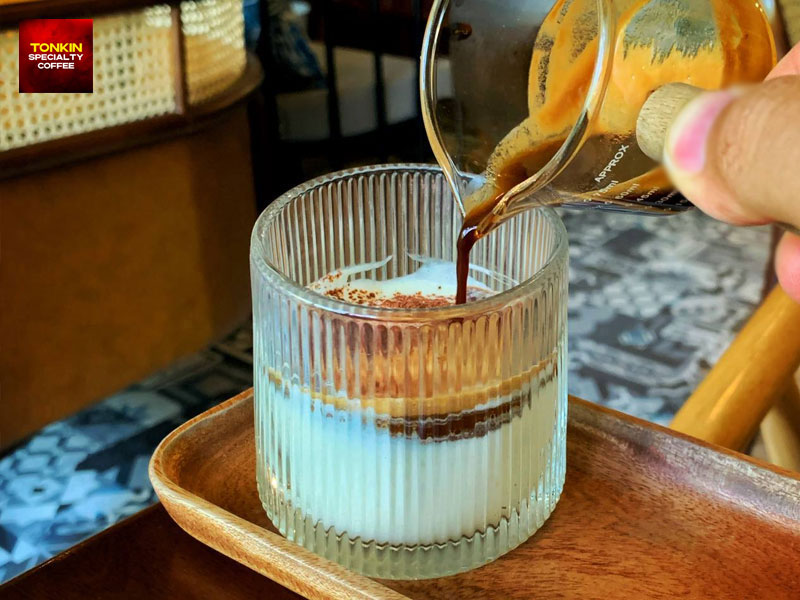
Why does cherry ripeness matter?
Coffee is a fruit before becoming a roasted bean. The maturity of the cherry affects the raw material available for processing, including characteristics related to sweetness and flavor development.
Harvesting practices therefore contribute to cup consistency. Mixing cherries at very different stages of maturity can produce a different result from more selective harvesting.
Why does the farmer matter to flavor?
Farm decisions influence when cherries are harvested and how coffee is handled after picking. Experience, consistency and attention throughout these stages can affect the raw coffee a roaster ultimately receives.
This is one reason traceable sourcing can be valuable: origin becomes connected to actual farming practices rather than functioning only as a place name.
How does processing change Vietnamese coffee flavor?
Processing determines what happens to coffee cherries after harvest and can significantly influence sweetness, aroma, body and fruit character.
Washed processing can emphasize clarity and cleaner flavor separation, while natural processing can produce greater fruit character, sweetness or body. These are tendencies rather than guarantees.
Does fermentation automatically improve coffee?
No. Fermentation is a production tool, not a quality guarantee.
Good results depend on the raw material and how carefully the process is controlled. Excessive or poorly managed fermentation can create undesirable characteristics just as careful processing can reveal interesting flavors.
This wider quality movement also provides context for the question Does Vietnam produce specialty coffee? Vietnam’s contemporary coffee landscape increasingly includes producers paying closer attention to cultivation, processing, traceability and sensory quality.
Why does roasting change Vietnamese coffee so much?
Roasting transforms green coffee and can dramatically change which flavors become prominent. Darker roasting may emphasize cocoa, roast character and bitterness, while a more moderate roast can preserve more origin-specific sweetness and aroma.
Vietnamese coffee is therefore not automatically dark roasted.
Why can Vietnamese coffee taste especially intense?
Bean choice is only one explanation. Roast development, coffee dose, extraction method and recipe can all increase perceived intensity.
The combination helps explain why Vietnamese coffee can taste so strong without meaning that every Vietnamese bean naturally produces the same powerful flavor.
Why can the same beans taste different in two cafés?
Even identical roasted beans can produce different cups when cafés change grind size, coffee-to-water ratio, temperature, extraction time or preparation method.
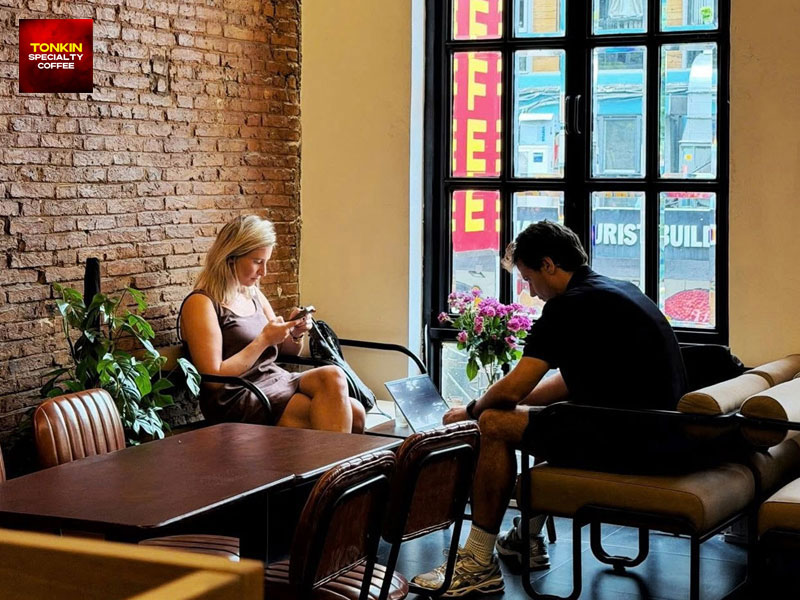
Does phin taste different from espresso?
Yes. A phin and an espresso machine extract coffee differently, creating different concentrations, textures and sensory experiences. Neither brewing method alone determines whether coffee is authentically Vietnamese.
Do egg cream, condensed milk and salt hide coffee quality?
Not necessarily. A well-designed recipe should complement the coffee rather than make its character disappear.
Condensed milk introduces concentrated sweetness, egg cream creates a soft creamy contrast, and a salted cream layer can balance sweetness with a subtle savory note. A coffee with sufficient structure can remain recognizable alongside these ingredients.
How can travelers learn to taste Vietnamese coffee?
Professional tasting vocabulary is unnecessary. A simple approach is to notice five characteristics:
- Aroma: chocolate, nuts, fruit, flowers or spice?
- Body: light, smooth, creamy or dense?
- Sweetness: subtle, caramel-like or influenced by the recipe?
- Balance: does bitterness or acidity dominate?
- Finish: clean, lingering, sweet or harsh?
Comparing two coffees close together makes differences easier to recognize. Focus first on aroma, body and finish rather than trying to identify every individual tasting note.
Why doesn’t Vietnamese coffee have one flavor?
Vietnamese coffee is a cultural and geographic category rather than one flavor profile. A Gia Lai Fine Robusta, a Lam Dong Arabica, a Liberica coffee and a commercial blend can all come from Vietnam while tasting dramatically different.
Species, geography and farming create the starting point. Processing, roasting, brewing and the final recipe continue shaping the experience long after the coffee leaves the farm.
From Gia Lai to the Cup: Tonkin Coffee’s Approach to Flavor
Tonkin Coffee uses quality Fine Robusta from Gia Lai in Vietnam’s Central Highlands, maintaining direct connections with farmers and building its signature drinks around a consistent coffee foundation.
Tonkin’s selected Fine Robusta brings dark chocolate, roasted nuts, caramel, subtle spice and full body. These characteristics provide enough structure to remain noticeable across egg coffee, salt coffee and Vietnamese milk coffee.
Fine Robusta is the coffee base behind these drinks, not a separate beverage on the menu.
How does one coffee base create different Tonkin experiences?
The answer comes back to flavor interaction. Egg cream creates a soft, airy contrast with the coffee, condensed milk adds rich sweetness, while the creamy salted layer in salt coffee introduces a sweet-savory balance.
The same underlying coffee can therefore create distinctly different experiences depending on the recipe.
Taste Vietnamese Coffee Across Tonkin’s Central Saigon Cafés
Tonkin offers four locations that can fit naturally into different city-center itineraries. Tonkin Specialty Coffee at 91 Ly Tu Trong Street works well around Ben Thanh Market and Independence Palace, while Tonkin Garden Cafe at 135/50 Tran Hung Dao Street offers a quieter garden setting.
Tonkin Egg Coffee at 1 Le Thi Rieng Street can be paired with a stop at Huynh Hoa bánh mì, while Tonkin Egg Coffee & Herbal Tea at 27 Ngo Duc Ke Street fits a Nguyen Hue, Bitexco and Saigon River walking route. Older online guides using the phrase coffee shop in Ho Chi Minh District 1 generally refer to this central part of the city.
Vietnamese coffee tastes different because every cup carries a sequence of influences from growing environment and farming to processing, roasting and preparation. Tonkin Coffee offers one way to follow that flavor journey through Gia Lai Fine Robusta and contemporary Vietnamese coffee drinks in central Ho Chi Minh City.
Visit Tonkin Coffee Today!
Tonkin Specialty Coffee
- Add: 91 Ly Tu Trong St., Ben Thanh Ward, Ho Chi Minh City, Vietnam.
- Hotline: 086 799 0125
Tonkin Garden Cafe
- Add: 135/50 Tran Hung Dao St., Cau Ong Lanh Ward, Ho Chi Minh City, Vietnam.
- Hotline: 087 992 4691
Tonkin Egg Coffee
- Add: 1 Le Thi Rieng St., Ben Thanh Ward, Ho Chi Minh City, Vietnam.
- Hotline: 0815 841 909
Tonkin Egg Coffee & Herbal Tea
- Add: 27 Ngo Duc Ke St., Sai Gon Ward, Ho Chi Minh City, Vietnam
Nestled in the heart of Ho Chi Minh City, Tonkin Coffee is one of the best coffee shops to experience authentic Vietnamese flavors. From the iconic egg coffee and refreshing coconut coffee to bold Vietnamese coffee and the unique salt coffee, every sip is a journey into tradition. For non-coffee lovers, our Vietnamese matcha offers a gentle alternative. Pair your drink with a freshly baked banh mi or a buttery croissant, and savor the true taste of Vietnam in a setting inspired by folk culture and Indochine charm.