
 한국어
 中文 (中国)
 日本語
 中文 (台灣)
Vietnam’s diverse growing regions produce coffee with very different flavors, from bold and chocolatey to brighter and more aromatic profiles. What types of coffee beans are grown in Vietnam? Robusta and Arabica are the main varieties, alongside smaller amounts of Liberica and Excelsa. At Tonkin Coffee, Fine Robusta sourced from the Gia Lai Highlands connects this agricultural story with contemporary Vietnamese coffee culture.
What are the main types of coffee beans grown in Vietnam?
Robusta is by far the most important coffee species grown in Vietnam, but the country also produces Arabica and smaller quantities of less common coffees. Geography, altitude and growing conditions influence where each type performs well.
| Coffee type | Role in Vietnam | Typical growing conditions | General cup character |
| Robusta | Dominant | Warm tropical highlands | Bold, full-bodied, chocolatey |
| Arabica | Smaller production | Cooler, higher elevations | Aromatic, brighter, often fruitier |
| Liberica | Limited | Selected growing areas | Woody, fruity, distinctive |
| Excelsa | Limited | Selected growing areas | Tart, fruity, complex |
These flavor descriptions are only general guides. Variety, farm conditions, cherry ripeness, processing, roasting and brewing can dramatically change the final cup.
Why is Robusta the most widely grown coffee in Vietnam?
Robusta works particularly well in many of Vietnam’s major coffee-growing environments. The plant tolerates warmer conditions, can provide strong yields and has become deeply integrated into the country’s farming and export infrastructure.
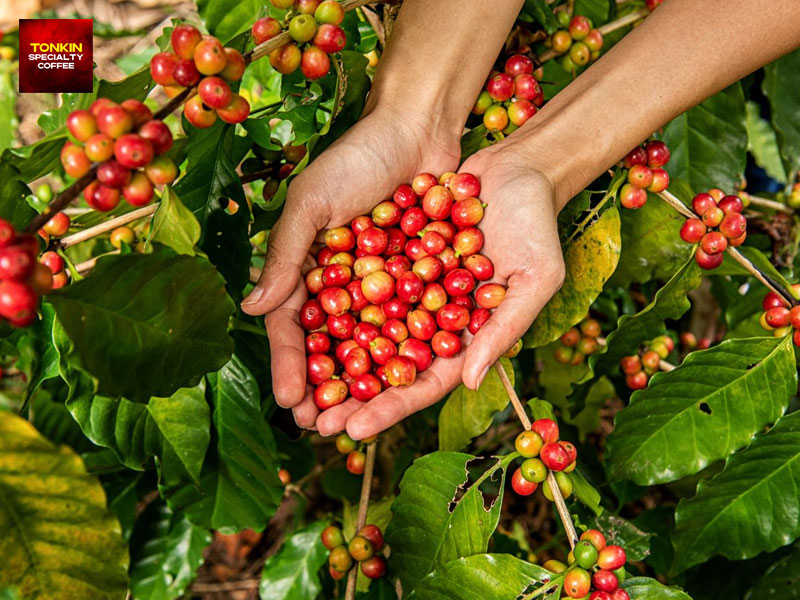
The historical question of why Vietnam shifted from Arabica toward Robusta is therefore more complicated than one bean simply replacing another. Geography, production economics and growing international demand all helped Robusta become dominant.
Where is Arabica grown in Vietnam?
Arabica generally needs cooler temperatures and higher elevations than Robusta. Suitable highland areas, including parts of Lam Dong, provide conditions where Arabica can be cultivated.
Vietnam therefore never completely abandoned Arabica. Robusta dominates production, while Arabica represents a smaller but meaningful part of the country’s coffee landscape.
Are Liberica and Excelsa also grown in Vietnam?
Yes, although their production is far smaller than Robusta. Liberica and Excelsa add diversity to Vietnamese coffee and can offer unusual woody, fruity, tart or complex characteristics depending on cultivation and processing.
For visitors, the important point is simple: Vietnamese coffee is not one bean or one flavor profile.
Where are Vietnam’s major coffee-growing regions?
The Central Highlands form the heart of modern Vietnamese coffee production. Provinces including Dak Lak, Gia Lai and Lam Dong have become closely associated with coffee, although growing conditions and dominant varieties differ between locations.
The development of these regions was also connected with the wider transformation of Vietnamese agriculture. Understanding how Vietnam’s coffee industry grew after 1975 helps explain how expanding cultivation, economic reforms and export markets eventually turned coffee into one of the country’s major agricultural industries.
Why are the Central Highlands important for Robusta?
The Central Highlands combine suitable growing conditions with extensive agricultural areas and generations of coffee-farming knowledge. Red basalt soils are a recognizable feature of several important coffee-growing zones.
Dak Lak is particularly well known for large-scale Robusta production, while neighboring Gia Lai also has a strong coffee-growing tradition. Lam Dong includes areas associated with both Robusta and Arabica depending on elevation and local conditions.
What coffee beans are associated with Gia Lai?
Gia Lai is an important Robusta-growing province in the Central Highlands. The region is also directly connected with the Fine Robusta served by Tonkin Coffee.
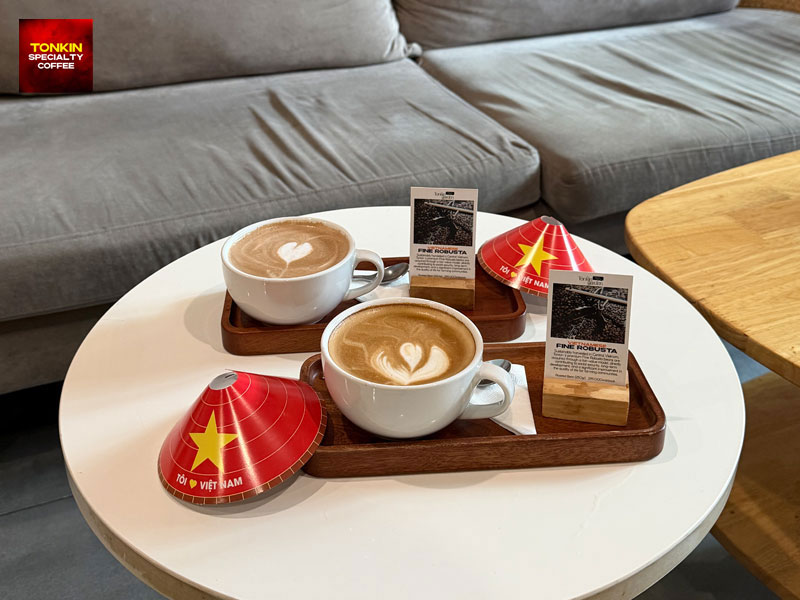
Tonkin works with coffee farmers in the Gia Lai Highlands and purchases their harvest directly. The relationship gives the farming household greater income stability while supporting continued attention to coffee quality and farming practices.
For Tonkin, origin therefore means more than placing a province name beside a coffee. The story extends to the people who cultivate the beans.
How do Vietnamese coffee beans differ in taste?
Robusta and Arabica can produce noticeably different sensory experiences, but species alone never determines flavor. Origin, soil, altitude, harvest quality, processing, roasting and brewing all matter.
What does Vietnamese Robusta taste like?
Vietnamese Robusta is often associated with a full body, pronounced coffee intensity and relatively low perceived acidity. Carefully produced Robusta can reveal dark chocolate, roasted nuts, caramel and subtle spice rather than simply tasting harsh or bitter.
This distinction matters when considering the best coffee bean in Vietnam. There is no universal winner between Arabica and Robusta; quality and personal taste are more useful criteria than species alone.
What does Vietnamese Arabica taste like?
Arabica generally offers a lighter body, brighter acidity and more aromatic character. Depending on origin and processing, fruit, floral or sweet notes may become more noticeable.
Neither profile is inherently better. A traveler who enjoys brighter specialty coffee may prefer Arabica, while someone interested in the bold structure associated with many Vietnamese drinks may find Robusta particularly revealing.
What makes Fine Robusta different from ordinary Robusta?
Fine Robusta is still Robusta rather than a separate coffee species. The difference lies in a stronger focus on quality throughout cultivation, cherry selection, processing, roasting and preparation.
Well-produced Fine Robusta can retain the characteristic body of Robusta while offering cleaner sweetness and greater flavor definition.
How does Tonkin Coffee use Fine Robusta?
Tonkin uses Fine Robusta from Gia Lai as the coffee base across signature drinks rather than presenting Fine Robusta as a separate menu drink.
The bean’s chocolate, roasted-nut, caramel and subtle spice characteristics provide a strong foundation for egg coffee, salt coffee and Vietnamese milk coffee. Each preparation changes the sensory experience while allowing the coffee structure to remain noticeable.
This also helps answer the broader question of what Vietnamese coffee is. Vietnamese coffee is not one recipe: beans, ingredients, preparation and café culture have developed together into a much wider drinking tradition.
Which Vietnamese coffee drinks show Robusta’s character?
Egg coffee is a useful starting point because the contrast is easy to recognize. A bold coffee base sits beneath silky egg cream, balancing coffee intensity with sweetness and a soft texture.
Salt coffee creates another contrast through a creamy salted layer, while Vietnamese milk coffee pairs coffee with condensed milk. Robusta works well in these combinations because its body can remain present alongside richer ingredients.
The result explains why learning about coffee beans becomes more interesting once the beans reach the cup.
Where can travelers taste Fine Robusta in Ho Chi Minh City?
Tonkin Coffee has four local cafés in central Ho Chi Minh City, each connecting Gia Lai Fine Robusta with a different side of the city-center experience. For visitors interested in the wider coffee culture in Saigon, the locations fit naturally into sightseeing routes around major landmarks rather than requiring a separate trip across the city.
Which Tonkin Coffee location is convenient near Ben Thanh Market?
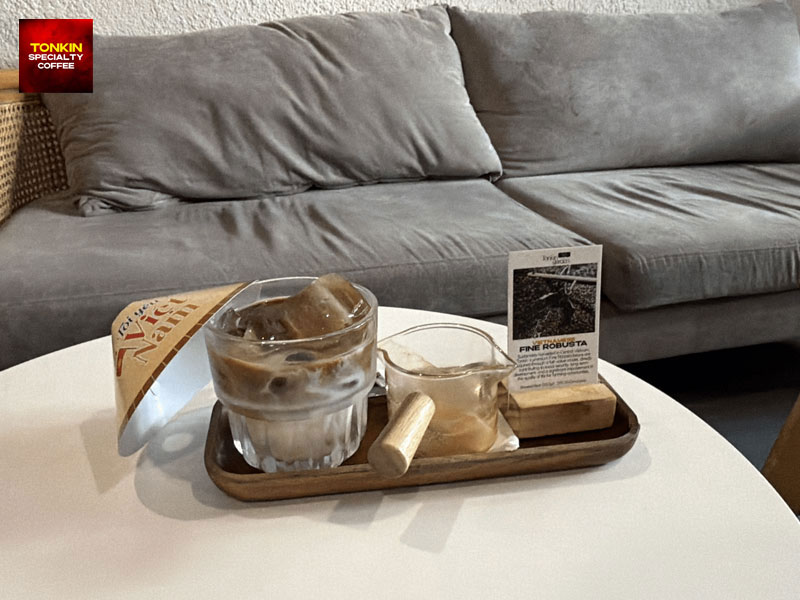
Tonkin Specialty Coffee, at 91 Ly Tu Trong Street, is conveniently located near Ben Thanh Market in central Ho Chi Minh City. A modest entrance leads upstairs to an intimate café decorated with Vietnamese folk masks, traditional paintings and woven details.
Where can visitors enjoy coffee in a quieter garden?
Tonkin Garden Cafe, at 135/50 Tran Hung Dao Street, sits inside a quiet alley in the city center. A leafy courtyard and nearly century-old Saigon house make the café suitable for a slower break between sightseeing stops.
Where can visitors pair egg coffee with bánh mì?
Tonkin Egg Coffee, at 1 Le Thi Rieng Street, is opposite Huynh Hoa bánh mì. Guests can bring a Huynh Hoa bánh mì inside without an additional fee and enjoy it with egg coffee, with seating, air conditioning and free Wi-Fi available.
Which location is convenient near Nguyen Hue and Bitexco?
Tonkin Egg Coffee & Herbal Tea, at 27 Ngo Duc Ke Street, fits naturally into a downtown Ho Chi Minh City route around Nguyen Hue Walking Street, Bitexco, Dong Khoi and the Saigon River. The upstairs café occupies a historic 1917 villa and provides a quieter contrast to the busy streets outside.
Which Vietnamese coffee bean should first-time visitors try?
There is no single bean every visitor needs to choose. Arabica reveals a brighter side of Vietnamese coffee, while Robusta provides a direct connection to the bean that has shaped much of the country’s modern coffee identity.
For a first experience, a carefully prepared Fine Robusta drink makes a strong introduction. At Tonkin Coffee, that experience connects the Gia Lai Highlands and the farmers behind the beans with the egg coffee, salt coffee and Vietnamese milk coffee served across its cafés in central Ho Chi Minh City today.
Visit Tonkin Coffee Today!
Tonkin Specialty Coffee
- Add: 91 Ly Tu Trong St., Ben Thanh Ward, Ho Chi Minh City, Vietnam.
- Hotline: 086 799 0125
Tonkin Garden Cafe
- Add: 135/50 Tran Hung Dao St., Cau Ong Lanh Ward, Ho Chi Minh City, Vietnam.
- Hotline: 087 992 4691
Tonkin Egg Coffee
- Add: 1 Le Thi Rieng St., Ben Thanh Ward, Ho Chi Minh City, Vietnam.
- Hotline: 0815 841 909
Tonkin Egg Coffee & Herbal Tea
- Add: 27 Ngo Duc Ke St., Sai Gon Ward, Ho Chi Minh City, Vietnam
Nestled in the heart of Ho Chi Minh City, Tonkin Coffee is one of the best coffee shops to experience authentic Vietnamese flavors. From the iconic egg coffee and refreshing coconut coffee to bold Vietnamese coffee and the unique salt coffee, every sip is a journey into tradition. For non-coffee lovers, our Vietnamese matcha offers a gentle alternative. Pair your drink with a freshly baked banh mi or a buttery croissant, and savor the true taste of Vietnam in a setting inspired by folk culture and Indochine charm.