
 한국어
 中文 (中国)
 日本語
 中文 (台灣)
Vietnam’s coffee landscape includes more diversity than Robusta and Arabica alone. Understanding what cà phê Culi (peaberry coffee) is reveals how a single rounded seed can naturally develop inside a coffee cherry and why bean shape does not automatically determine quality. At Tonkin Coffee, the wider quality story centers on Fine Robusta from Gia Lai, direct connections with farmers and careful preparation in every cup.
What makes Culi coffee different from regular coffee beans?
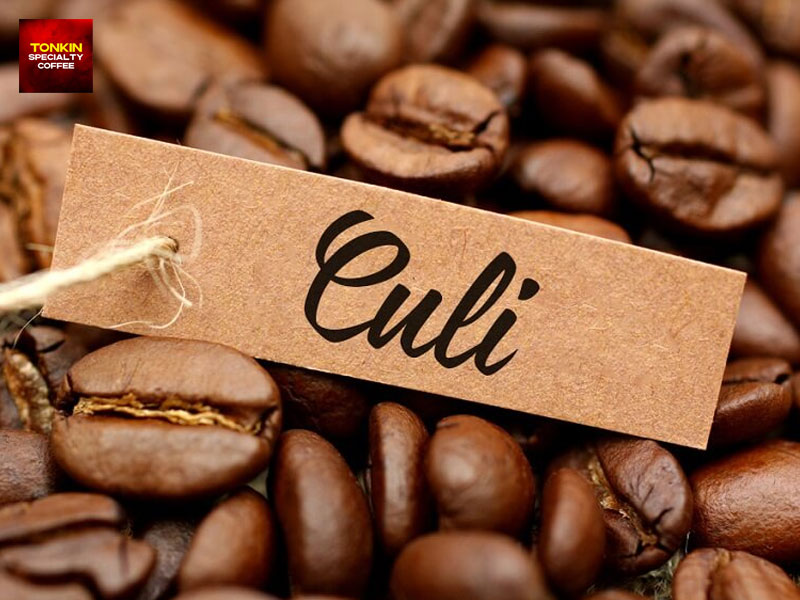
The clearest difference is the physical development of the seed. A typical coffee cherry contains two seeds that grow against each other, giving each bean one flatter side. With a peaberry, only one seed develops fully, so the bean grows into a smaller, rounder form.
The basic process can be understood simply:
Coffee cherry – one developed seed – rounded peaberry – sorting – roasting
The unusual shape makes Culi visually distinctive, but shape alone does not determine how good the coffee will taste.
Is Culi a separate coffee variety?
No. Culi describes the formation of a coffee seed, not its botanical species.
This means a peaberry can develop on different coffee plants. In Vietnam, the terms Culi Robusta and Culi Arabica help identify both the peaberry form and the coffee species from which the bean developed.
Is Culi coffee the same as Robusta coffee?
No. Culi and Robusta describe two different characteristics. Culi refers to the rounded single-seed formation, while Robusta refers to coffee belonging to Coffea canephora.
The distinction becomes easier to understand when exploring what Vietnamese Robusta coffee is. Robusta can develop as normal two-seed beans or as peaberries, so not every Robusta bean is Culi.
What is Culi Robusta?
Culi Robusta is simply a peaberry that develops on a Robusta coffee plant. Because Vietnam has extensive Robusta cultivation, this combination is particularly familiar within the country’s coffee market.
Culi Robusta can show the full body and pronounced flavor intensity associated with Robusta, but its quality still depends on much more than its rounded appearance.
Can Arabica also produce Culi beans?
Yes. Peaberry formation is not exclusive to Robusta. Arabica plants can also produce rounded single-seed beans.
This distinction also helps answer the broader question of whether Vietnamese coffee is Robusta or Arabica. Vietnam produces both species, although Robusta has a much larger role in national coffee production.
What does Culi coffee taste like?
Culi coffee has no single universal flavor profile. Species, origin, cherry quality, processing, roast development and brewing method can influence taste more significantly than the peaberry shape itself.
Culi Robusta may present cocoa, dark chocolate, roasted nuts, caramel and spice, supported by a substantial body. An Arabica peaberry from a different growing environment can taste considerably brighter or more aromatic.
Is Culi coffee stronger than regular coffee?
Not automatically. The word “strong” can refer to several different qualities, including flavor intensity, bitterness, caffeine, roast level or brew concentration.
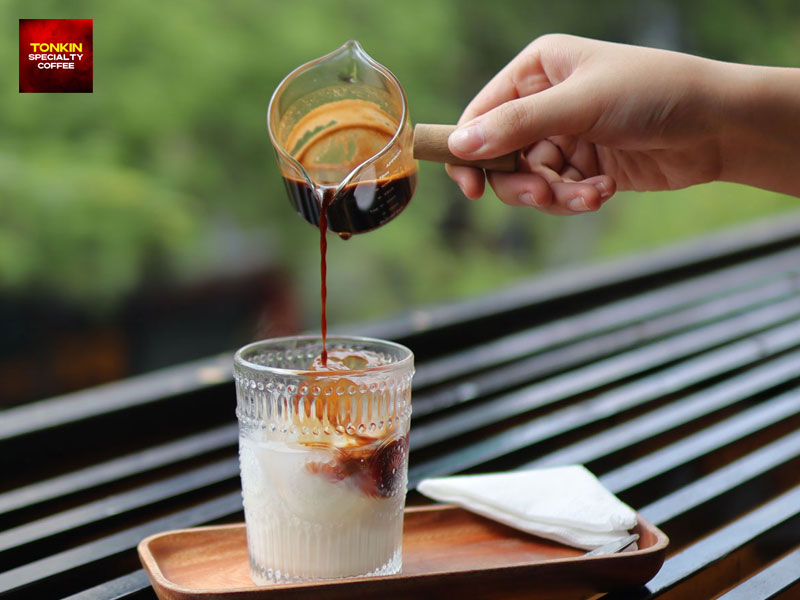
A rounded seed does not guarantee a stronger cup. The species and the way the coffee is roasted and prepared remain important.
Is Culi naturally sweeter?
Not necessarily. Sweetness is influenced by cherry ripeness, processing, roasting and brewing as well as the inherent characteristics of the coffee.
This is why two Culi coffees can taste remarkably different despite sharing the same physical bean form.
Is Culi coffee higher quality than normal coffee?
Not automatically. A peaberry is a physical bean form rather than a quality grade. High-quality Culi still requires good raw coffee, appropriate harvesting, careful processing, sorting, controlled roasting and skilled preparation.
This principle is equally important when choosing any coffee bean in Vietnam. Labels such as Culi, Robusta or Arabica provide useful information, but none can replace an assessment of origin and production quality.
Why are peaberries often separated from other beans?
Peaberries differ from regular beans in shape and often in size. Separating them can therefore help a roaster work with a more physically consistent batch.
Their rounded structure can behave differently during roasting, so the roasting approach should suit the particular beans rather than assuming that Culi always needs one fixed roast profile.
Is Culi considered specialty coffee?
Culi can reach high quality, but being a peaberry does not automatically make coffee specialty-grade. Bean shape and cup quality are separate concepts.
The same principle applies when asking Does Vietnam produce specialty coffee? Vietnam increasingly demonstrates that better coffee depends on careful work throughout the supply chain rather than one particular species or bean shape.
Can Culi Robusta be Fine Robusta?
Potentially, but the two terms should not be treated as synonyms. Culi identifies the physical formation of the bean, while fine robusta coffee describes a quality-focused expression of Robusta shaped by careful production and sensory evaluation.
A Culi Robusta bean therefore does not become Fine Robusta simply because it is a peaberry.
How does Culi fit into Vietnamese coffee culture?
Culi represents one small part of a much broader coffee landscape. Vietnam includes different growing regions, species, bean selections, processing methods, roasting approaches and drink traditions.
Understanding these distinctions can make Vietnamese coffee more interesting during a trip. A cup is not defined by a single bean type, just as authentic local coffee does not depend on one fixed brewing method.
Is traditional Vietnamese coffee always made with Culi?
No. Vietnamese coffee drinks can use regular Robusta, Culi Robusta, Arabica or blends depending on the café and recipe.
Likewise, Culi does not have to be brewed through a phin. Culi describes the bean; phin describes a brewing device.
Can Culi be used for egg or milk coffee?
Yes, but neither drink is defined by peaberry beans. Egg coffee and Vietnamese milk coffee depend on the complete relationship between the coffee base, recipe and preparation.
The quality of the underlying coffee still matters because enough coffee structure needs to remain noticeable alongside creamy or sweet ingredients.
What should travelers know before ordering Culi coffee?
Rather than choosing Culi solely because the name sounds unusual or premium, ask what is actually behind the coffee.
Useful questions include:
- Is the Culi Robusta or Arabica?
- Where was the coffee grown?
- How was the coffee processed?
- What flavor profile should you expect?
- Is the coffee entirely Culi or part of a blend?
- How has the coffee been roasted?
Paying more can make sense when a coffee combines clear origin, careful production and an enjoyable cup. The rounded bean alone is not a guarantee of better quality.
How does Tonkin Coffee approach Vietnamese coffee quality?
Tonkin Coffee focuses on quality Fine Robusta sourced from Gia Lai in Vietnam’s Central Highlands. Direct connections with farmers help connect the coffee served in central Ho Chi Minh City with a specific agricultural origin rather than an anonymous supply of beans.
Culi and Tonkin’s Fine Robusta story should not be confused. Culi explains the physical development of an individual coffee seed, while Tonkin’s approach centers on quality-focused Robusta, identifiable Gia Lai origin and direct farmer relationships.
How does Tonkin use its Gia Lai Fine Robusta?
Tonkin uses Fine Robusta as the coffee base across signature drinks rather than presenting Fine Robusta as a separate menu beverage.
The beans bring dark chocolate, roasted nuts, caramel, subtle spice and a full body to drinks including egg coffee, salt coffee and Vietnamese milk coffee. That body helps the coffee remain recognizable even when combined with creamy or sweet components.
Where can travelers experience Vietnamese coffee at Tonkin?
Tonkin has four locations in central Ho Chi Minh City, each fitting a different sightseeing route or café experience.
| Tonkin location | Nearby context | Experience |
| Tonkin Specialty Coffee, 91 Ly Tu Trong St. | Ben Thanh Market, Independence Palace | Hidden upstairs café with Vietnamese folk décor |
| Tonkin Garden Cafe, 135/50 Tran Hung Dao St. | Central Saigon | Quiet garden in a nearly century-old house |
| Tonkin Egg Coffee, 1 Le Thi Rieng St. | Huynh Hoa, Tao Dan Park | Egg coffee, seating, AC and Wi-Fi |
| Tonkin Egg Coffee & Herbal Tea, 27 Ngo Duc Ke St. | Nguyen Hue, Bitexco, Saigon River | Quiet upstairs space in a 1917 villa |
So, what is Cà Phê Culi in simple terms?
Cà phê Culi is peaberry coffee, a rounded bean formed when one seed develops inside a coffee cherry instead of the usual two. Culi can occur in Robusta or Arabica and should not automatically be considered stronger, sweeter or higher quality.
For visitors exploring coffee in Vietnam, Culi is a useful reminder that bean shape is only one part of the story. Origin, farming, processing and preparation matter more, a principle reflected in Tonkin Coffee‘s approach to Gia Lai Fine Robusta and its direct connections with coffee farmers.
Visit Tonkin Coffee Today!
Tonkin Specialty Coffee
- Add: 91 Ly Tu Trong St., Ben Thanh Ward, Ho Chi Minh City, Vietnam.
- Hotline: 086 799 0125
Tonkin Garden Cafe
- Add: 135/50 Tran Hung Dao St., Cau Ong Lanh Ward, Ho Chi Minh City, Vietnam.
- Hotline: 087 992 4691
Tonkin Egg Coffee
- Add: 1 Le Thi Rieng St., Ben Thanh Ward, Ho Chi Minh City, Vietnam.
- Hotline: 0815 841 909
Tonkin Egg Coffee & Herbal Tea
- Add: 27 Ngo Duc Ke St., Sai Gon Ward, Ho Chi Minh City, Vietnam
Nestled in the heart of Ho Chi Minh City, Tonkin Coffee is one of the best coffee shops to experience authentic Vietnamese flavors. From the iconic egg coffee and refreshing coconut coffee to bold Vietnamese coffee and the unique salt coffee, every sip is a journey into tradition. For non-coffee lovers, our Vietnamese matcha offers a gentle alternative. Pair your drink with a freshly baked banh mi or a buttery croissant, and savor the true taste of Vietnam in a setting inspired by folk culture and Indochine charm.