

Yes, Robusta is generally stronger than Arabica in several practical ways. The question is robusta coffee stronger than arabica usually comes down to caffeine, body, bitterness and overall intensity. Robusta tends to feel fuller on the palate and deliver a more persistent finish, although roast level, brewing method and bean quality can change the final impression.
For travelers drinking coffee in Vietnam, Tonkin Coffee offers a useful introduction to that difference through Vietnamese Fine Robusta. A strong cup does not have to taste harsh; carefully produced beans can retain their depth while showing chocolate, roasted nuts, caramel and a clean, balanced finish.
In What Ways Is Robusta Stronger Than Arabica?
Robusta generally has the advantage in caffeine, body, bitterness and overall sensory intensity. Arabica is usually lighter, more aromatic and brighter in acidity. The difference is easy to notice in a simple black coffee, although preparation can narrow or widen the gap.
| Meaning of “stronger” | Robusta | Arabica |
| Caffeine | Generally higher | Generally lower |
| Body | Dense and full | Light to medium |
| Bitterness | More noticeable | Usually gentler |
| Acidity | Usually lower | Often brighter |
| Aroma | Cocoa, nuts, deeper roast notes | Fruit, flowers, caramel |
| Finish | Strong and persistent | Often cleaner and more delicate |
| Overall intensity | Usually higher | Highly dependent on roast and brew |
Does Robusta Usually Taste Stronger?
In everyday drinking, Robusta often feels stronger from the first sip. The fuller mouthfeel, pronounced bitterness and long finish give the coffee more weight, particularly when served as espresso or black coffee.
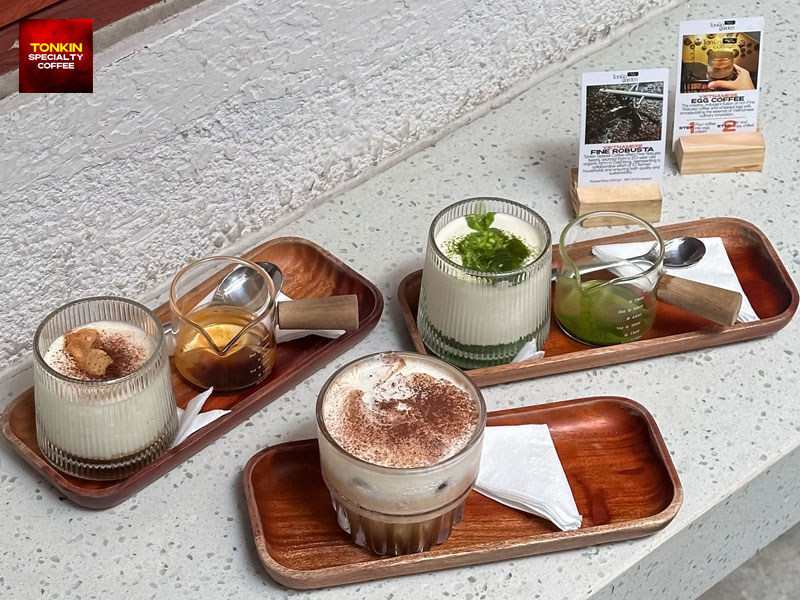
The broader robusta coffee flavor profile can include dark chocolate, cocoa, roasted nuts, caramel and warm spice. Those flavors create depth without requiring the coffee to taste burnt or excessively dark.
Does Robusta Have More Caffeine?
Robusta generally contains considerably more caffeine than Arabica. Exact numbers vary with the beans and preparation, but Robusta is commonly described as containing roughly twice the caffeine concentration of Arabica beans.
That does not mean every Robusta drink delivers more caffeine than every Arabica drink. A large or highly concentrated Arabica serving can easily contain more total caffeine than a small Robusta-based drink.
Does Robusta Have a Heavier Body?
Usually, yes. Coffee body describes how substantial the liquid feels on the tongue rather than how dark the drink looks.
Robusta often feels dense, coating and persistent. Arabica is more likely to feel clean, silky or lighter, although origin and brewing method can change both experiences considerably.
Does Stronger Coffee Always Mean More Caffeine?
No. Caffeine and perceived strength are related, but they are not the same thing. A coffee can taste extremely powerful because of roast, bitterness or concentration while containing less caffeine than a larger, milder-tasting cup.
This is one reason the word “strong” causes confusion when people compare coffee.
Why Can Dark-Roasted Coffee Feel So Strong?
Dark roasting develops more pronounced roasted, smoky, chocolate-like and bitter characteristics. Those flavors register quickly on the palate and can make coffee seem stronger.
A dark Arabica espresso may therefore taste more intense than a lightly roasted Robusta brewed with a generous amount of water. Species matters, but preparation still has a major influence.
Can Brewing Make Arabica Feel Stronger Than Robusta?
Absolutely. Espresso, ristretto and other concentrated methods use relatively little water, producing a compact and intense drink.
The practical lesson is simple: bean strength and cup strength are different things. To compare the two species fairly, the coffees need to be prepared in reasonably similar ways.
Why Does Robusta Often Feel More Intense?
Three characteristics usually work together: bitterness, body and finish. Robusta tends to deliver more of all three, so the flavor remains noticeable even after the coffee has been swallowed.
Is Strong Bitterness Always a Bad Sign?
No. Pleasant bitterness can resemble cocoa, dark chocolate or toasted nuts. Unpleasant bitterness is more likely to feel burnt, woody, rubbery or aggressively drying.
The difference is important because the question of is Robusta coffee always bitter has more nuance than a simple yes or no. Robusta naturally carries more bitterness, but good production can make that bitterness structured rather than harsh.
Why Does Robusta Leave a Longer Aftertaste?
A full-bodied coffee often coats the palate more strongly, allowing roasted, chocolate or nutty flavors to remain after the sip.
For travelers accustomed to light-roasted Arabica, this lingering sensation may be the most obvious difference. The coffee feels present for longer, even if the serving size is small.
Can High-Quality Robusta Be Powerful Without Feeling Rough?
Yes. High-quality Robusta can remain bold while becoming much cleaner and more balanced. Careful cherry selection, processing, drying and roasting do not remove Robusta’s natural intensity; they help prevent defects from distracting from the coffee’s better qualities.
What Changes When Robusta Quality Improves?
Good production tends to improve:
- cleanliness of flavor
- sweetness and balance
- definition of chocolate and nut notes
- consistency
- aftertaste
- absence of unpleasant woody or burnt flavors
Understanding what is fine robusta coffee helps explain why two coffees from the same species can taste dramatically different. Fine Robusta remains Coffea canephora, but greater attention throughout production creates a more refined cup.
Can a Strong Cup Still Feel Smooth?
Definitely. Strong and smooth are not opposites. A coffee can have heavy body, noticeable bitterness and a long finish without feeling abrasive.
The question can robusta coffee taste smooth is particularly relevant for people whose only previous exposure was instant coffee or very dark commercial blends. Better Robusta can feel rounded and clean while still retaining its recognizable strength.
Is Arabica Always Weaker Than Robusta?
Not in every cup. Arabica generally has less caffeine, softer bitterness and a lighter body, but roasting and brewing can make Arabica remarkably intense.
A concentrated Arabica espresso can feel stronger than a diluted Robusta. Arabica can also have sharp, lively acidity that some drinkers interpret as intensity even though the sensation is different from Robusta’s heavier bitterness.
How Do Their Sensory Styles Differ?
The distinction becomes clearer when examining robusta coffee vs arabica taste rather than simply asking which bean is stronger.
Arabica often emphasizes:
- fruit and floral aromas;
- brighter acidity;
- cleaner body;
- caramel or delicate sweetness.
Robusta more often emphasizes:
- chocolate and cocoa;
- roasted nuts;
- lower perceived acidity;
- fuller body;
- stronger bitterness.
Neither style is automatically superior. The better choice depends on what the drinker enjoys.
Why Can Vietnamese Coffee Feel Especially Strong?
Vietnamese coffee often combines naturally bold beans with brewing styles that preserve a concentrated coffee character. Robusta is deeply connected with Vietnam’s coffee industry, particularly the Central Highlands, and its dense body works well in drinks where the coffee needs to remain noticeable alongside sweet or creamy ingredients.
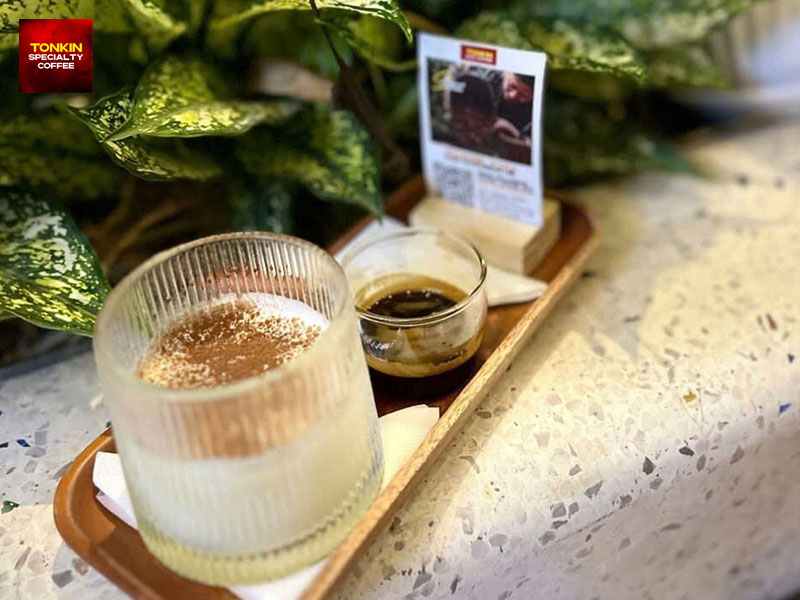
Tonkin Coffee’s guide to why Vietnamese coffee is so strong also shows why the answer involves more than caffeine alone.
Why Does Robusta Work Well With Rich Ingredients?
Condensed milk, egg cream and other rich components can soften bitterness, but they can also overpower delicate coffee.
Robusta’s body and roasted character give the coffee enough structure to remain recognizable. That balance helps explain why a bold coffee base works naturally in many Vietnamese-style drinks.
What Should First-Time Robusta Drinkers Notice?
Travelers do not need professional tasting skills. A few simple observations make the experience much easier to understand:
- Smell the coffee before the first sip.
- Taste a little before adding sugar.
- Notice whether the mouthfeel feels light or dense.
- Look for cocoa, chocolate or roasted nuts.
- Decide whether the bitterness feels clean or burnt.
- Notice how long the flavor remains afterward.
Someone who normally drinks Arabica may initially find Robusta heavier. After a few sips, however, the difference often becomes less about “strong versus weak” and more about two distinct styles of coffee.
How Can Travelers Experience Fine Robusta at Tonkin Coffee?
Tonkin Coffee uses Vietnamese Fine Robusta from Gia Lai in the Central Highlands, with a profile centered on dark chocolate, roasted nuts, caramel, subtle spice and a smooth, full body.
Different Tonkin Coffee locations suit different ways of experiencing Vietnamese coffee:
| Tonkin Coffee location | Good fit for |
| Tonkin Specialty Coffee – 91 Ly Tu Trong | Coffee-focused tasting |
| Tonkin Garden Cafe – 135/50 Tran Hung Dao | A slower, relaxed coffee break |
| Tonkin Egg Coffee – 1 Le Thi Rieng | Coffee paired with rich egg cream |
| Tonkin Egg Coffee & Herbal Tea – 27 Ngo Duc Ke | A stop around Nguyen Hue and the riverfront |
At Tonkin Specialty Coffee, a simpler black coffee or espresso-style drink makes it easier to focus on body, bitterness and finish. In richer drinks, the same Robusta structure helps the coffee remain present rather than disappearing behind sweetness.
So, Is Robusta Really Stronger Than Arabica?
In general, yes. Robusta usually contains more caffeine and delivers heavier body, stronger bitterness and a more persistent sensory impression than Arabica. But the final cup still depends heavily on roast, brewing method and serving size.
For visitors to Vietnam, trying a carefully produced Fine Robusta is a useful way to experience that strength without assuming that bold coffee must also be rough. At Tonkin Coffee, the goal is not to make Robusta taste like Arabica, but to show how depth, chocolate character and a full body can become strengths of their own.
Visit Tonkin Coffee Today!
Tonkin Specialty Coffee
- Add: 91 Ly Tu Trong St., Ben Thanh Ward, Ho Chi Minh City, Vietnam.
- Hotline: 086 799 0125
Tonkin Garden Cafe
- Add: 135/50 Tran Hung Dao St., Cau Ong Lanh Ward, Ho Chi Minh City, Vietnam.
- Hotline: 087 992 4691
Tonkin Egg Coffee
- Add: 1 Le Thi Rieng St., Ben Thanh Ward, Ho Chi Minh City, Vietnam.
- Hotline: 0815 841 909
Tonkin Egg Coffee & Herbal Tea
- Add: 27 Ngo Duc Ke St., Sai Gon Ward, Ho Chi Minh City, Vietnam
Nestled in the heart of Ho Chi Minh City, Tonkin Specialty Coffee is one of the best coffee shops to experience authentic Vietnamese flavors. From the iconic egg coffee and refreshing coconut coffee to bold Vietnamese coffee and the unique salt coffee, every sip is a journey into tradition. For non-coffee lovers, our Vietnamese matcha offers a gentle alternative. Pair your drink with a freshly baked banh mi or a buttery croissant, and savor the true taste of Vietnam in a setting inspired by folk culture and Indochine charm.