

Robusta generally tastes bolder, heavier and more bitter, while Arabica is often lighter, more aromatic and brighter in acidity. This robusta coffee vs arabica taste comparison becomes especially clear through notes such as dark chocolate, cocoa and roasted nuts in Robusta versus fruit, flowers, caramel and nuts in Arabica.
For travelers visiting Vietnam, Tonkin Coffee offers a useful way to explore that contrast through Vietnamese Fine Robusta. Carefully produced Robusta can show far more balance, smoothness and complexity than the harsh, intensely bitter profile many first-time visitors expect.
How Does Robusta Taste Different From Arabica?
The biggest differences are usually found in body, bitterness, acidity and aroma. Robusta tends to feel dense and powerful on the palate, while Arabica often emphasizes fragrance, brightness and flavor clarity.
| Taste factor | Robusta | Arabica |
| Body | Full, dense, substantial | Light to medium, often silky |
| Bitterness | Usually more noticeable | Generally softer |
| Acidity | Lower perceived acidity | Often brighter |
| Aroma | Roasted, nutty, chocolate-led | Floral, fruity, caramel-like |
| Common flavors | Cocoa, dark chocolate, nuts, spice | Fruit, flowers, caramel, nuts |
| Finish | Strong and persistent | Cleaner or more aromatic |
| Best suited to | Bold coffee drinkers | Bright, aromatic coffee drinkers |
These characteristics describe tendencies rather than fixed rules. A carefully processed light-roast Robusta and a dark-roast Arabica can taste very different from the stereotypes associated with either species.
Why Does Robusta Usually Feel Stronger?
Robusta creates a stronger sensory impression because its full body, pronounced bitterness and relatively low perceived acidity tend to stay noticeable throughout the sip. The dense mouthfeel can remind espresso drinkers of dark chocolate, cocoa or roasted nuts.
“Strong” should not be confused with “burnt.” High-quality beans can remain intense while avoiding aggressive smoky or woody flavors.
Why Does Arabica Often Taste Brighter?
Arabica frequently shows more noticeable coffee acidity, which can create impressions of citrus, berries or other fruit. In good coffee, acidity means freshness and brightness rather than simply sourness.
Arabica can also offer floral aromas, caramel sweetness and delicate nutty notes. Those characteristics often appeal to people accustomed to pour-over coffee and lighter specialty roasts.
Which Flavor Notes Can Robusta and Arabica Produce?
Both species can produce a wide range of flavors. Species influences the sensory profile, but growing region, cherry ripeness, processing, roasting and extraction determine how those characteristics finally appear in the cup.
What Does High-Quality Robusta Taste Like?
Well-produced Robusta can show:
- Dark chocolate
- Cocoa
- Roasted nuts
- Caramel
- Toasted grain
- Warm spice
- A dense, lingering mouthfeel
For a more detailed breakdown of aroma, body, bitterness and finish, Tonkin Coffee’s guide to the robusta coffee flavor profile explains why the species should not be reduced to a single description such as “strong and bitter.”
Lower-grade beans may develop rubbery, woody, burnt or excessively drying flavors. Those defects should not be treated as the natural identity of every Robusta coffee.
What Does Arabica Commonly Taste Like?
Arabica often presents a broader range of delicate aromas, including berries, citrus, stone fruit, flowers, caramel and nuts. Some Arabicas are distinctly fruity, while others are chocolatey and relatively low in acidity.
A traveler who normally drinks Arabica may therefore notice the biggest change in texture when trying Robusta. The cup typically feels heavier and stays on the palate longer.
Is Robusta Always More Bitter Than Arabica?
Robusta naturally tends to have more noticeable bitterness, but pleasant bitterness is very different from harshness. A balanced cup may resemble dark chocolate or cocoa, while poorly handled coffee may taste burnt, woody, medicinal or excessively dry.
Processing and roasting matter considerably. Selecting ripe cherries, removing defective beans, controlling fermentation and avoiding excessively dark roasting can preserve intensity without allowing bitterness to dominate every other flavor.
Can Strong Robusta Still Feel Smooth?
Yes. Smoothness describes balance and mouthfeel rather than weakness. A dense coffee can still feel rounded when bitterness is controlled, sweetness is present and the finish remains clean.
The question can robusta coffee taste smooth becomes especially relevant for visitors whose previous experience comes from instant coffee or heavily roasted commercial blends. Carefully produced Vietnamese beans can retain their characteristic strength while feeling considerably more refined.
Is Arabica Automatically Smoother?
Not necessarily. Arabica often has less bitterness, but high acidity can feel sharp to someone accustomed to darker espresso-style coffee.
Personal preference matters. Someone who enjoys fruit and floral aromas may consider Arabica smoother, while another drinker may prefer the rounded chocolate character and lower perceived acidity of a good Robusta.
How Do Processing and Roasting Change the Taste?
Coffee species provides only the starting point. Harvest quality, processing, drying and roasting can move the final flavor significantly in either direction.
Why Does Bean Quality Matter So Much?
Ripe cherries and careful sorting reduce defects that can produce unpleasant flavors. Controlled processing can improve cleanliness, sweetness and flavor definition without changing Robusta into Arabica.
This quality distinction is explored further in Tonkin Coffee’s comparison of Fine Robusta vs regular Robusta. Both remain Coffea canephora, but thoughtful production can create substantially different sensory results.
Does Dark Roasting Make the Difference Larger?
A darker roast generally emphasizes roast-driven flavors such as cocoa, toast, smoke and bitterness. This can make Robusta appear even heavier and stronger.
Medium or carefully developed roast profiles allow more of the bean’s natural sweetness, nuts, caramel and origin character to remain visible. Arabica changes in the same way: very dark roasting can mask many floral and fruit notes for which the species is known.
What Is Fine Robusta and Why Does It Matter in Vietnam?
Fine Robusta is a quality-focused expression of Coffea canephora rather than another coffee species. Better cherry selection, processing, drying, sorting and roasting allow Robusta to retain its naturally powerful body while developing cleaner sweetness and greater flavor definition.
Travelers unfamiliar with this quality category can read Tonkin Coffee’s explanation of what is fine robusta coffee before tasting it in Vietnam. The important point is that refined Robusta does not need to imitate Arabica to demonstrate quality.
Does Fine Robusta Try to Taste Like Arabica?
No. Fine Robusta is valuable precisely because it retains its own sensory identity.
A carefully produced cup may still emphasize:
- substantial body;
- dark chocolate and cocoa;
- roasted nuts;
- relatively low acidity;
- structured bitterness;
- a long, clean finish.
Arabica may express quality through brighter fruit, floral aromas and delicate acidity. Fine Robusta can express quality through depth, structure, sweetness and controlled intensity.
Which Coffee Should Travelers Try First in Vietnam?
Travelers who enjoy light roasts, fruit and floral aromas may naturally prefer Arabica. Visitors who like espresso, dark chocolate, fuller body or lower acidity may find Robusta immediately appealing.
For anyone visiting Vietnam, however, tasting a well-produced local Robusta is worthwhile even if Arabica is the usual choice at home. The comparison provides useful context for understanding why Vietnamese coffee has such a recognizable character.
How Should First-Time Robusta Drinkers Taste the Cup?
A simple tasting approach works well:
- Smell the coffee before drinking.
- Take the first sip without adding sugar.
- Notice the body before focusing on bitterness.
- Look for chocolate, cocoa or nutty flavors.
- Check whether the bitterness feels structured or burnt.
- Pay attention to the flavor remaining after swallowing.
These steps require no specialist coffee knowledge and make differences between the two species easier to recognize.
What Can Travelers Taste at Tonkin Coffee?
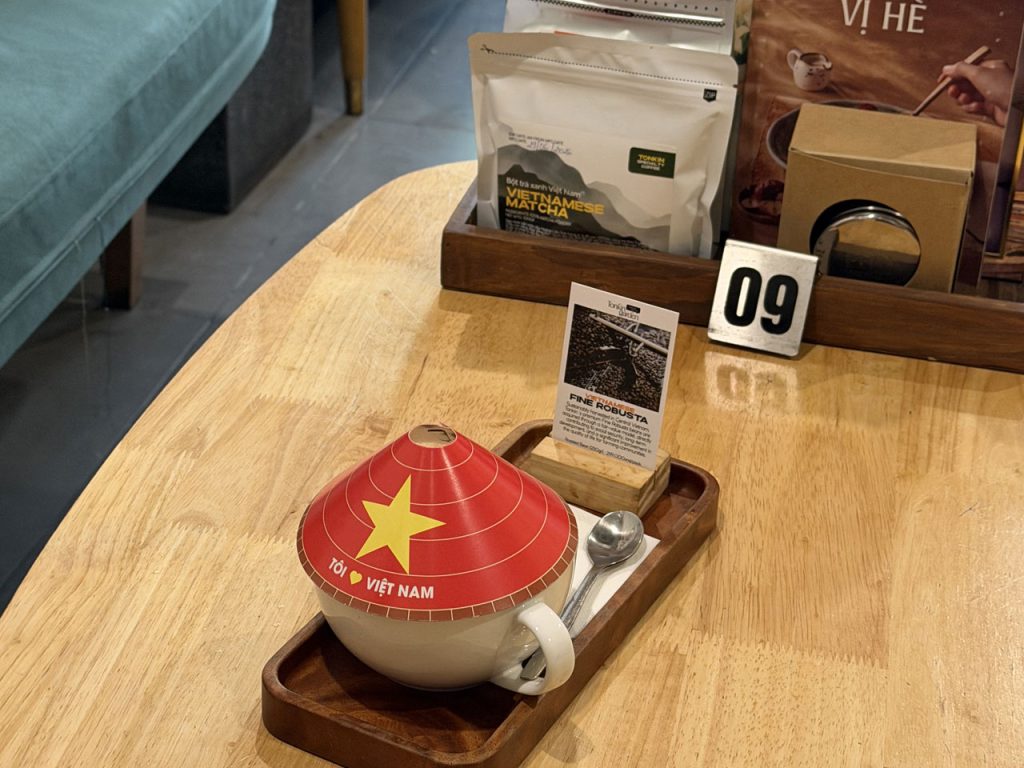
Tonkin Coffee works with Vietnamese Fine Robusta from Gia Lai in the Central Highlands. The coffee leans toward dark chocolate, roasted nuts, caramel and subtle spice, supported by a smooth, full body.
Different Tonkin Coffee locations also allow travelers to experience that character in different settings and drinks.
| Tonkin Coffee location | Best experience |
| Tonkin Specialty Coffee – 91 Ly Tu Trong | Focused Fine Robusta tasting |
| Tonkin Garden Cafe – 135/50 Tran Hung Dao | Relaxed coffee break |
| Tonkin Egg Coffee – 1 Le Thi Rieng | Signature egg coffee |
| Tonkin Egg Coffee & Herbal Tea – 27 Ngo Duc Ke | Coffee stop near Nguyen Hue, Bitexco and the Saigon River |
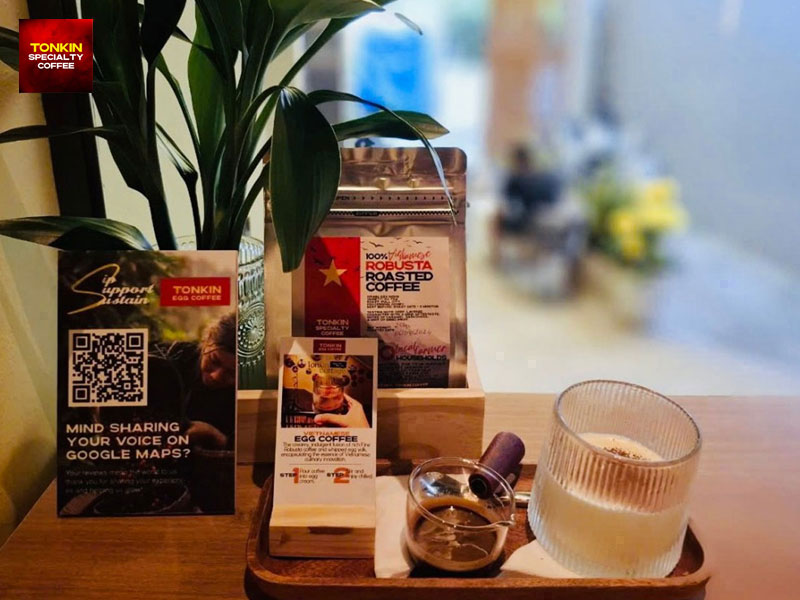
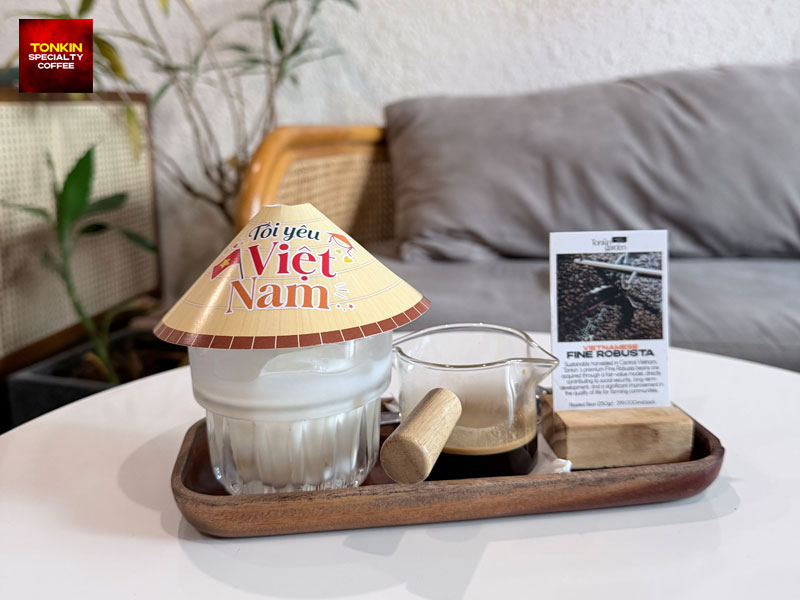
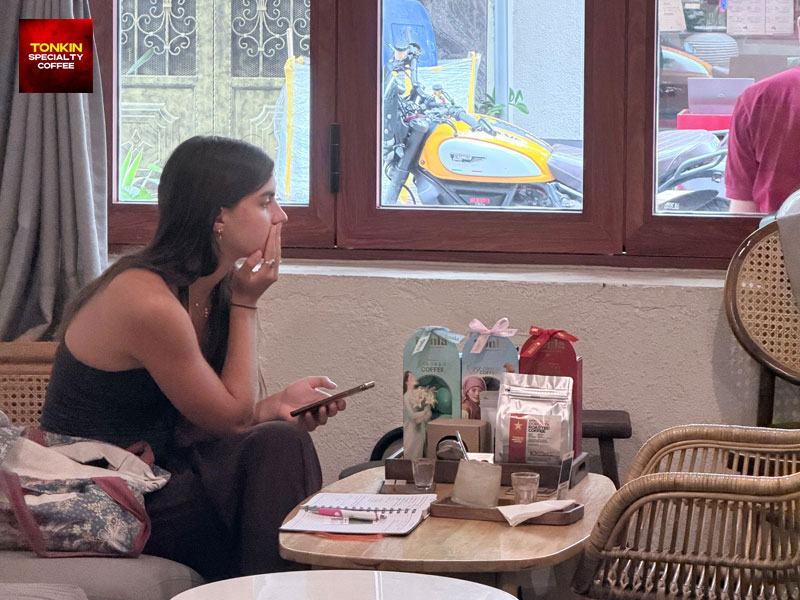
At Tonkin Specialty Coffee on Ly Tu Trong Street, drinking espresso or black coffee makes body, bitterness and aftertaste easier to examine. In egg coffee, the same strong coffee structure remains recognizable beneath the rich egg cream.
Robusta or Arabica: Which One Is Right for You?
Choose Arabica when you prefer brighter acidity, floral aromas, fruit and a lighter mouthfeel. Choose Robusta when dark chocolate, roasted nuts, lower acidity and a fuller body sound more appealing.
Travelers in Vietnam do not have to choose one species as universally superior. Trying Vietnamese Fine Robusta alongside familiar Arabica expectations is a more useful way to understand the difference and a good cup may challenge assumptions about what Robusta is supposed to taste like.
Visit Tonkin Coffee Today!
Tonkin Specialty Coffee
- Add: 91 Ly Tu Trong St., Ben Thanh Ward, Ho Chi Minh City, Vietnam.
- Hotline: 086 799 0125
Tonkin Garden Cafe
- Add: 135/50 Tran Hung Dao St., Cau Ong Lanh Ward, Ho Chi Minh City, Vietnam.
- Hotline: 087 992 4691
Tonkin Egg Coffee
- Add: 1 Le Thi Rieng St., Ben Thanh Ward, Ho Chi Minh City, Vietnam.
- Hotline: 0815 841 909
Tonkin Egg Coffee & Herbal Tea
- Add: 27 Ngo Duc Ke St., Sai Gon Ward, Ho Chi Minh City, Vietnam
Nestled in the heart of Ho Chi Minh City, Tonkin Specialty Coffee is one of the best coffee shops to experience authentic Vietnamese flavors. From the iconic egg coffee and refreshing coconut coffee to bold Vietnamese coffee and the unique salt coffee, every sip is a journey into tradition. For non-coffee lovers, our Vietnamese matcha offers a gentle alternative. Pair your drink with a freshly baked banh mi or a buttery croissant, and savor the true taste of Vietnam in a setting inspired by folk culture and Indochine charm.