


Robusta coffee is naturally more bitter than many Arabica coffees, but it is not always harsh or unpleasant. High-quality Robusta can taste smooth, full-bodied and balanced, with dark chocolate, roasted nuts and gentle sweetness. Bean quality, processing, roasting and brewing all influence how noticeable that bitterness becomes.
For visitors discovering Vietnamese coffee, understanding is Robusta coffee always bitter can help separate natural intensity from burnt or overly harsh flavors. At Tonkin Coffee, Fine Robusta from Gia Lai shows how careful sourcing and preparation can preserve Robusta’s bold character while creating a cleaner, smoother and more approachable cup.
Why Does Robusta Coffee Naturally Taste More Bitter?
Robusta naturally tends to have more noticeable bitterness than Arabica because of its chemical composition and dense sensory structure. However, bitterness is only one part of the cup. Body, sweetness, aroma and aftertaste determine whether the overall experience feels balanced or aggressive.
Does Robusta naturally have stronger bitterness than Arabica?
Generally, yes. Robusta contains more caffeine than Arabica, and caffeine contributes partly to its naturally bitter character.
Robusta also tends to have a heavier body and lower perceived acidity. These characteristics make the coffee feel stronger and can make bitterness more noticeable, especially for people accustomed to lightly roasted Arabica.
Why does Robusta feel stronger in the mouth?
Strength is not simply another word for bitterness. Robusta often has a dense texture, substantial body and longer finish, creating a stronger overall sensory impression.
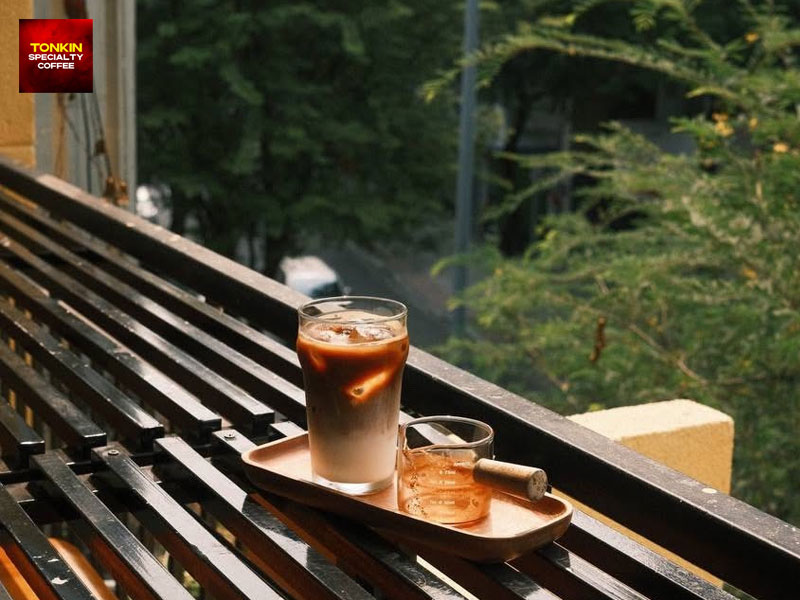
Espresso drinkers may find this structure familiar, while people who mainly drink mild lattes or light filter coffee may notice the difference immediately.
What Is the Difference Between Pleasant and Harsh Robusta Bitterness?
Pleasant bitterness feels integrated with sweetness, body and chocolate-like flavors. Harsh bitterness dominates the cup and can leave a dry, burnt or rough sensation. Balanced bitterness is therefore a desirable part of many Robusta coffees, while aggressive bitterness often indicates problems with the beans, roasting or brewing.
What does balanced Robusta bitterness taste like?
In a well-prepared cup, bitterness may resemble cocoa or dark chocolate rather than burnt toast. Roasted nuts, caramel sweetness and mild spice can create additional layers around that bitter structure.
A longer guide to what does robusta coffee taste like helps explain how body, aroma and aftertaste work together beyond bitterness alone.
What does unpleasant bitterness taste like?
Unpleasant bitterness may appear as:
- Burnt or smoky flavors
- Ashy notes
- Excessively woody character
- Dry astringency
- A rough, lingering finish
These characteristics should not automatically be treated as defining features of Robusta itself.
Can Poor-Quality Beans Make Robusta Taste More Bitter?
Yes. Coffee quality before roasting strongly affects the final cup. Underripe cherries have less developed sweetness, while damaged or defective beans can contribute woody, rough or unpleasant flavors that make bitterness feel more aggressive.
How do underripe cherries affect Robusta flavor?
Coffee cherries develop sugars as they ripen. Harvesting too early reduces the sweetness available to balance bitterness.
Greater consistency in cherry ripeness therefore gives producers better raw material before fermentation and drying even begin.
How does careful processing make Robusta smoother?
Selective harvesting, controlled fermentation, stable drying and defect sorting can improve clarity and reduce undesirable flavors.
These practices are particularly important in fine robusta coffee, where quality is managed deliberately from harvest through post-harvest processing rather than relying primarily on volume.
Can Roasting Make Robusta Taste Too Bitter?
Roasting can strongly amplify bitterness, particularly when beans are taken very dark. A dark roast is not automatically poor quality, but excessive roasting can replace the natural character of the coffee with smoky, burnt or carbon-like flavors.
Does dark roasting always make Robusta unpleasant?
No. A controlled darker roast can emphasize chocolate, cocoa and roasted-nut flavors that naturally complement Robusta’s full body.
Problems arise when roasting becomes so intense that sweetness and bean character disappear. At that point, the drinker may taste mostly roast rather than the coffee itself.
Can roasting hide the quality of the beans?
Yes. Very dark roasting can make coffees of different quality levels taste more similar because strong roast flavors dominate the cup.
This is why the distinction between fine robusta vs regular robusta is easier to appreciate when roasting preserves enough sweetness, clarity and individual flavor character.
Can Brewing Make Robusta More Bitter Than It Should Be?
Even excellent Robusta can become unpleasant when extraction is poorly controlled. Grind size, brew time, coffee-to-water ratio and water temperature all influence how much bitterness reaches the cup.
What happens when Robusta is over-extracted?
Over-extraction occurs when water removes too many soluble compounds from the coffee. The resulting cup can become bitter, dry and astringent.
Common causes include:
- Grinding too finely
- Brewing for too long
- Using an unsuitable coffee-to-water ratio
- Applying excessively hot water in certain brewing methods
Better extraction allows Robusta’s intensity to remain present without creating an unnecessarily rough finish.
Does milk or cream reduce Robusta bitterness?
Milk, egg cream, coconut and similar ingredients do not remove bitter compounds, but they change how bitterness is perceived.
Fat, sweetness and creamy texture create contrast with the coffee, making the drink feel softer while Robusta’s full body continues to provide structure.
Is Fine Robusta Less Bitter Than Regular Robusta?
Fine Robusta is not necessarily much less bitter. The main difference is that its bitterness can feel better integrated with sweetness, body and clearer flavor notes. Carefully produced beans may therefore taste smoother without losing the natural intensity associated with Robusta.
Why can Fine Robusta taste smooth without tasting weak?
Smoothness refers to balance rather than lack of flavor.
A quality Robusta can still have:
- A full body
- Noticeable bitterness
- Strong aroma
- A lingering finish
What changes is the absence of excessive roughness. Dark chocolate, toasted nuts, caramel and spice can become easier to identify when bitterness no longer overwhelms everything else.
Will Robusta Be Too Bitter for First-Time Drinkers?
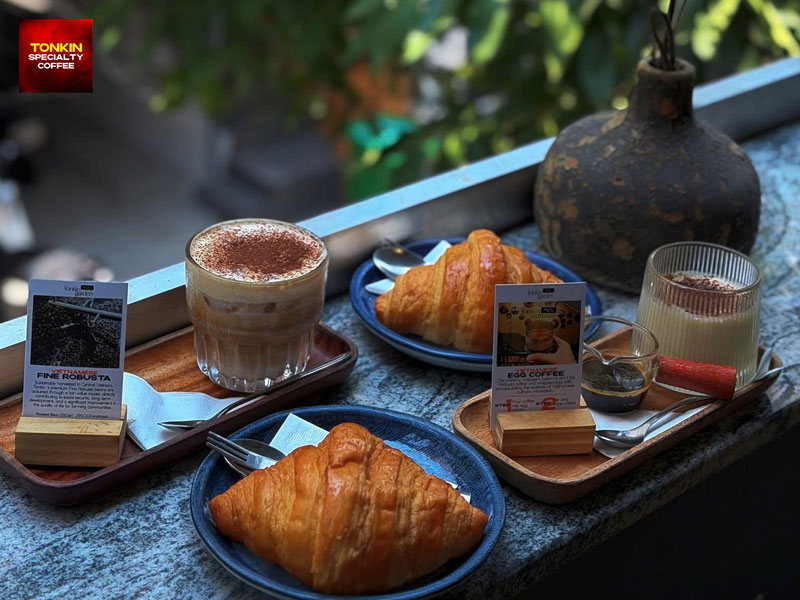
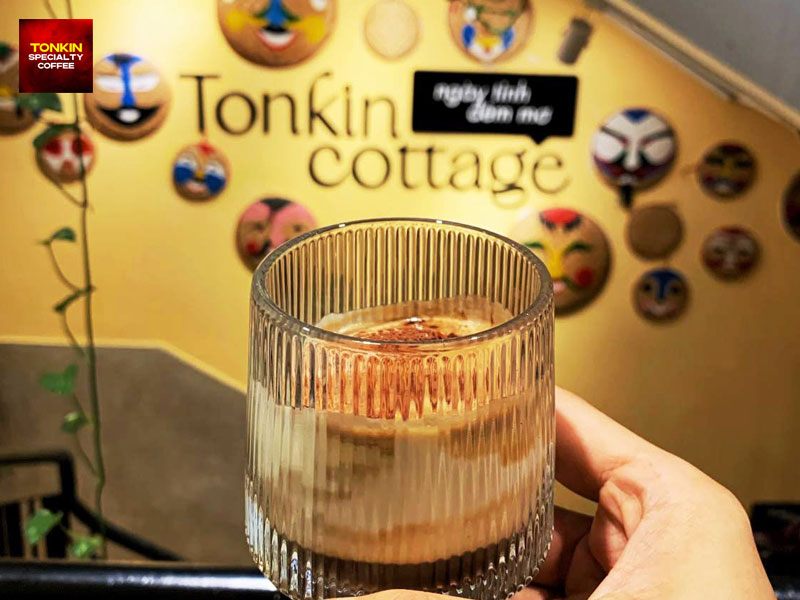
Robusta may initially feel stronger for someone accustomed to mild or lightly roasted coffee, but the choice of drink makes a substantial difference. Espresso and black coffee reveal the bean most clearly, while milk, egg cream, salt cream or coconut provide a softer introduction.
| Your usual coffee | Vietnamese option to try |
| Espresso | Fine Robusta espresso |
| Americano | Vietnamese black coffee |
| Latte | Vietnamese milk coffee |
| Sweet latte | Egg coffee |
| Creamy iced coffee | Salt or coconut coffee |
For visitors exploring the downtown area, a guide to the best places for coffee in Saigon city center can make it easier to combine coffee tasting with sightseeing rather than treating the experience as a separate trip.
How Does Tonkin Coffee Keep Robusta Bold but Balanced?
Tonkin Coffee uses Fine Robusta from Gia Lai in Vietnam’s Central Highlands, sourced through direct relationships with local growers. Careful sourcing, roasting and extraction help preserve Robusta’s natural strength while allowing dark chocolate, toasted nuts, caramel and subtle spice to remain distinct.
Which Tonkin drinks show Robusta most clearly?
Espresso offers one of the most direct ways to experience the body, bitterness and finish of the coffee. Vietnamese black coffee also keeps the bean profile relatively exposed.
Visitors interested in the best local coffee in Saigon district 1 can use these simpler drinks to understand the character of Vietnamese Robusta before moving to richer recipes.
Which Tonkin drinks provide a softer introduction?
Egg coffee, salt coffee and coconut coffee balance the coffee with creamy or sweet elements.
Tonkin’s Robusta base remains important because its full body and chocolate-forward character are strong enough to stay recognizable beneath those richer ingredients.
How Can Each Tonkin Coffee Branch Offer a Different Robusta Experience?
Tonkin Coffee’s four central Ho Chi Minh City branches can be approached as four different ways to understand Vietnamese Robusta. Instead of repeating the same tasting experience, visitors can choose a branch based on whether they want to study the bean more closely, slow down between activities, compare Robusta with egg cream, or combine coffee with a downtown walking route.
Tonkin Specialty Coffee – 91 Ly Tu Trong Street
This branch is the most suitable starting point for a more coffee-focused experience. A straight espresso or black coffee makes it easier to notice the structure of Fine Robusta, including its dense body, dark chocolate character and balanced bitterness.
Tonkin Garden Cafe – 135/50 Tran Hung Dao Street
Tonkin Garden Cafe offers a more relaxed way to experience Robusta over a longer break. The quieter setting makes it suitable for comparing different preparations, from black coffee to creamier drinks, without rushing through the tasting.
Tonkin Egg Coffee – 1 Le Thi Rieng Street
Here, the contrast between Robusta and egg cream becomes the main experience. The espresso base brings depth and roasted character, while the soft egg layer changes the perception of bitterness and shows how Robusta can remain present in a rich, sweet drink.
Tonkin Egg Coffee & Herbal Tea – 1st Floor, 27 Ngo Duc Ke Street
This branch offers a different context again: coffee as part of a downtown journey.
Located near Nguyen Hue Walking Street, Bitexco Financial Tower and the Saigon riverfront, the upstairs café is well suited to visitors who want to pause, try Fine Robusta in egg coffee and then continue exploring central Saigon.
Visit Tonkin Coffee Today!
Tonkin Specialty Coffee
- Add: 91 Ly Tu Trong St., Ben Thanh Ward, Ho Chi Minh City, Vietnam.
- Hotline: 086 799 0125
Tonkin Garden Cafe
- Add: 135/50 Tran Hung Dao St., Cau Ong Lanh Ward, Ho Chi Minh City, Vietnam.
- Hotline: 087 992 4691
Tonkin Egg Coffee
- Add: 1 Le Thi Rieng St., Ben Thanh Ward, Ho Chi Minh City, Vietnam.
- Hotline: 0815 841 909
Tonkin Egg Coffee & Herbal Tea
- Add: 27 Ngo Duc Ke St., Sai Gon Ward, Ho Chi Minh City, Vietnam
Nestled in the heart of Ho Chi Minh City, Tonkin Specialty Coffee is one of the best coffee shops to experience authentic Vietnamese flavors. From the iconic egg coffee and refreshing coconut coffee to bold Vietnamese coffee and the unique salt coffee, every sip is a journey into tradition. For non-coffee lovers, our Vietnamese matcha offers a gentle alternative. Pair your drink with a freshly baked banh mi or a buttery croissant, and savor the true taste of Vietnam in a setting inspired by folk culture and Indochine charm.