

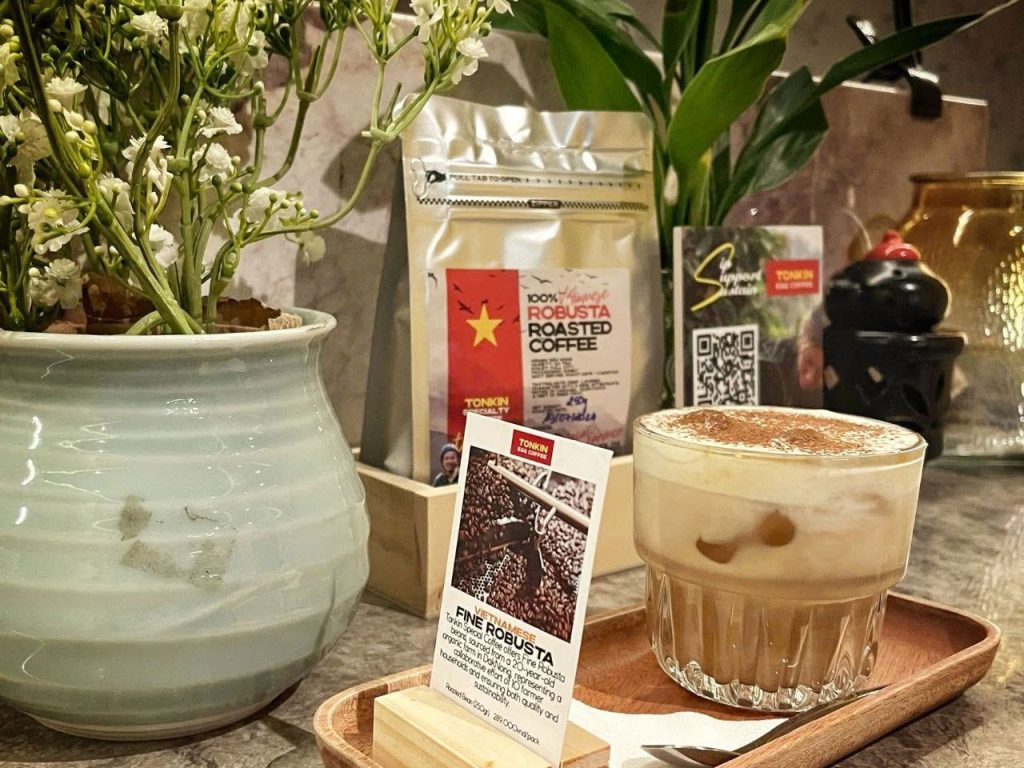
The Robusta coffee flavor profile is usually bold, full-bodied, and lower in perceived acidity than many Arabica coffees, with common notes of dark chocolate, cocoa, roasted nuts, toasted grain, wood, and spice. At Tonkin Coffee, Vietnamese Fine Robusta from Gia Lai shows how this familiar intensity can also become cleaner, smoother, and more layered when the coffee is carefully grown, processed, roasted, and brewed.
What Does the Robusta Coffee Flavor Profile Usually Taste Like?
Robusta generally tastes deeper, heavier and more bitter than many Arabicas. The most recognizable profile combines cocoa, dark chocolate, roasted nuts and earthy or woody tones, although higher-quality lots can also reveal caramel, warm spice and gentle sweetness.
What Are the Most Common Robusta Flavor Notes?
Robusta does not have one fixed taste, but several characteristics appear frequently:
- Dark chocolate and cocoa
- Roasted peanut or almond
- Toasted grain
- Wood and tobacco
- Caramel
- Warm spice
Lower-quality beans may also show burnt, rubbery, excessively woody or ashy flavors. Those notes should not be treated as defining characteristics of the species itself. They can reflect defects, rough processing or an overly aggressive roast.
Is Robusta Always Earthy or Woody?
No. Earthy and woody characteristics can appear in Robusta, but cleaner coffees often show a more defined chocolate-and-nut profile.
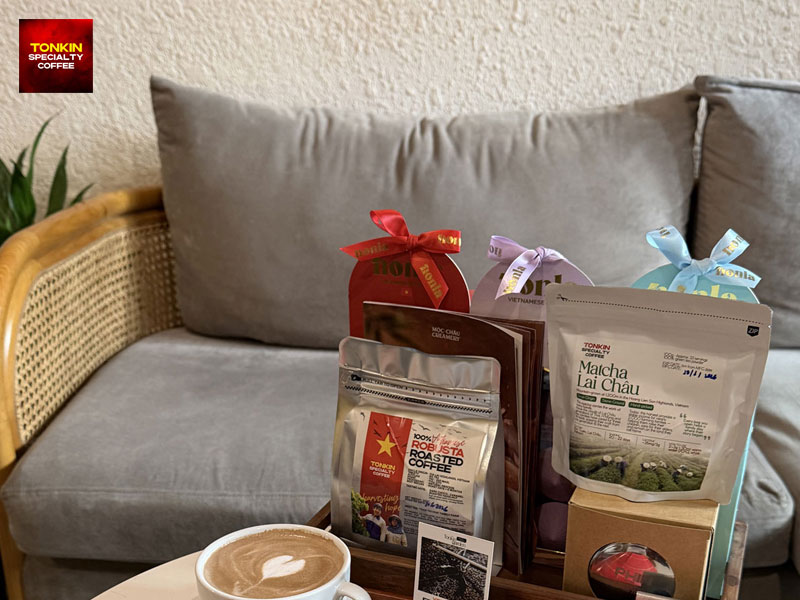
A carefully handled lot may taste surprisingly sweet beneath the bitterness, with caramel or cocoa lingering after the first sip. That variation is one reason reducing Robusta to “strong and earthy” misses much of what the bean can offer.
How Bitter Is Robusta Coffee?
Robusta usually has noticeable bitterness, but the intensity and quality of that bitterness vary widely. A good cup can have a firm dark-chocolate bitterness that supports the flavor, while poorly processed or over-roasted coffee may feel sharp, burnt or aggressively dry.
Why Does Robusta Often Taste More Bitter Than Arabica?
Robusta naturally contains more caffeine and generally less sugar than Arabica, both of which contribute to its stronger sensory character. Commercial Robusta is also frequently roasted quite dark, which can amplify smoky and bitter flavors.
Still, the question is robusta coffee always bitter needs a more nuanced answer. Bitterness is part of Robusta’s identity, but harshness is not inevitable.
Can Robusta Bitterness Taste Pleasant?
Yes. Pleasant bitterness can resemble:
- Dark chocolate
- Cocoa powder
- Roasted nuts
- Toasted grain
Unpleasant bitterness tends to feel burnt, medicinal, ashy or excessively dry. The difference is easy to notice after swallowing: balanced bitterness fades gradually, while harsh bitterness can coat the mouth and dominate everything else.
What Is the Body and Mouthfeel of Robusta Coffee Like?
Robusta is generally known for a dense, substantial mouthfeel. The coffee may feel thick, creamy, syrupy or slightly dry depending on roast and extraction, making body one of its most recognizable sensory features.
Why Does Robusta Feel So Full-Bodied?
The sensation comes from a combination of bean composition, roasting and brewing concentration. When Robusta is prepared as espresso or strong Vietnamese coffee, that structure becomes especially noticeable.
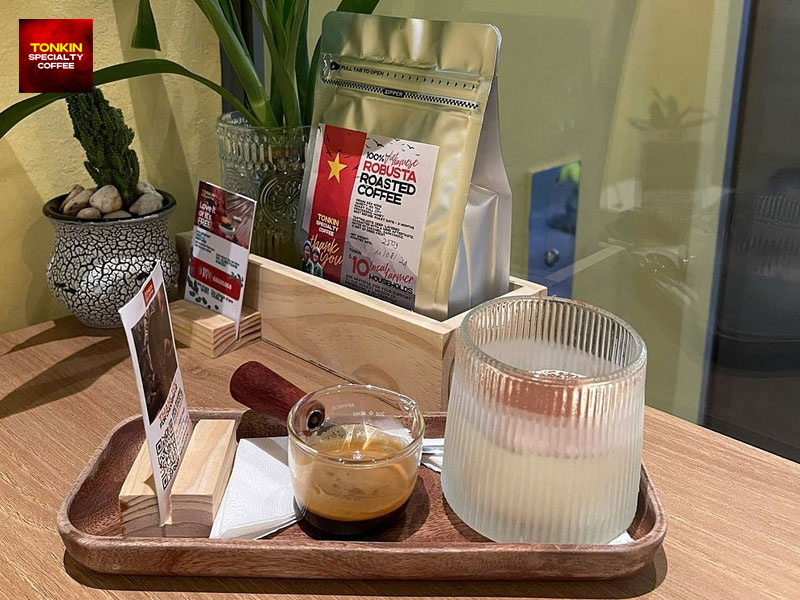
This is also why Robusta performs well in drinks that contain milk, ice or richer ingredients. The coffee does not disappear easily behind other flavors.
Why Is Robusta Used in Espresso?
Robusta can contribute strong structure, persistent flavor and dense crema to espresso. In blends, those qualities can complement a more aromatic Arabica component.
Good Robusta is therefore not used only as a low-cost filler. In the right proportion and at the right quality level, the bean can deliberately add body and intensity.
What Does Robusta Coffee Smell Like and How Does It Finish?
Robusta aroma often leans toward roasted, nutty and earthy tones, while the finish tends to be long and persistent. Quality makes a major difference: cleaner Robusta may leave cocoa, caramel or spice behind, while lower-grade coffee can end with burnt or woody dryness.
Which Aromas Suggest a Cleaner Robusta?
A pleasant cup may show aromas such as:
- Cocoa
- Roasted nuts
- Toasted grain
- Caramel
- Warm spices
Some carefully processed lots can also reveal light fruit or fermented-fruit nuances without losing the heavier Robusta structure.
What Does a Good Robusta Aftertaste Feel Like?
A good finish should remain strong but comfortable. Chocolate, nuts or spice may stay on the palate for several moments without turning excessively dry.
When someone asks can robusta coffee taste smooth, the aftertaste is often where the answer becomes clearest. Smooth Robusta can still be bold, but the finish feels rounded instead of rough.
Why Can Two Robusta Coffees Taste Completely Different?
Robusta flavor changes with origin, cherry ripeness, processing, drying, roasting and brewing. The species provides a broad sensory foundation, but production quality determines whether that foundation becomes clean and expressive or rough and one-dimensional.
How Does Processing Affect Robusta Flavor?
Processing can shift both sweetness and clarity.
Natural processing may emphasize heavier body, sweetness and fruit character. Washed processing can produce a cleaner cup, while carefully controlled honey-style processing may increase the perception of sweetness and texture.
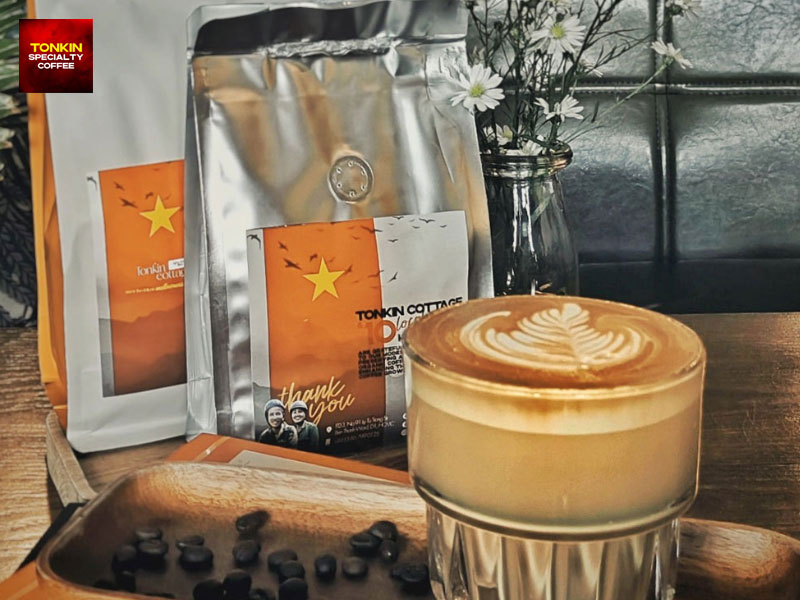
None of these methods guarantees quality on its own. Consistency and careful control matter more than the processing name.
How Does Roast Level Change the Flavor?
| Roast level | Common sensory impression |
| Medium | Cocoa, nuts, spice, clearer origin character |
| Medium-dark | Dark chocolate, caramel, fuller roast character |
| Very dark | Smoke, char, stronger bitterness, reduced clarity |
A dark roast can suit Robusta, but pushing the roast too far can hide the bean’s individual character.
How Does Fine Robusta Taste Different From Commodity Robusta?
Fine Robusta generally tastes cleaner, sweeter and more defined. Better harvesting, sorting, processing and roasting allow desirable chocolate, nut and caramel characteristics to appear more clearly while reducing rough, woody or defective flavors.
What Makes Fine Robusta Different?
The concept behind what is fine robusta coffee is easier to understand through the entire production chain rather than through a single tasting note.
Higher-quality Robusta commonly involves:
- Riper cherries at harvest
- Better defect control
- More consistent fermentation and drying
- Greater attention to origin
- Roasting designed to preserve flavor clarity
The result still tastes like Robusta. The difference is that the coffee expresses its natural character more cleanly.
Does Fine Robusta Still Taste Strong?
Yes. Fine Robusta is not meant to imitate Arabica.
The distinction in fine robusta vs regular robusta is primarily about quality and clarity, not removing Robusta’s bold identity. Fine Robusta can remain full-bodied and noticeably bitter while also showing sweetness, clean chocolate notes and a more comfortable finish.
How Does Robusta Compare With Arabica in Flavor?
Robusta usually has more body, stronger bitterness and lower perceived acidity, while Arabica often shows brighter acidity and a wider range of floral or fruit-forward aromas. Neither description defines quality by itself.
| Characteristic | Robusta | Typical Arabica |
| Body | Full and dense | Light to medium |
| Bitterness | More pronounced | Usually softer |
| Acidity | Usually lower | Often brighter |
| Common notes | Chocolate, nuts, grain, spice | Fruit, floral, citrus |
| Finish | Strong and persistent | Often lighter and aromatic |
For travelers accustomed to bright specialty Arabica, a good Robusta can feel dramatically different… darker, heavier and less acidic, yet still complex.
What Robusta Flavor Profile Can Travelers Expect in Vietnam?
Vietnamese Robusta can range from very dark, strongly roasted commercial coffee to carefully produced Fine Robusta with clear chocolate, nut and caramel characteristics. The best examples show that intensity and refinement can exist in the same cup.
What Does Gia Lai Fine Robusta Taste Like?
At Tonkin Coffee, Fine Robusta from Gia Lai in Vietnam’s Central Highlands offers a profile built around dark chocolate, roasted nuts, caramel and subtle spice.
The body remains bold and distinctly Robusta, but the cup feels smoother and more layered than the harsh stereotype many first-time visitors expect. That contrast becomes especially noticeable when the coffee is tasted without too many added ingredients.
Which Vietnamese Drinks Reveal Robusta Well?
Different preparations highlight different parts of the profile:
- Black coffee: makes bitterness, body and aftertaste easiest to notice.
- Espresso: emphasizes density and concentration.
- Iced coffee: keeps the strong structure while gradually softening intensity.
- Milk coffee: shows how well Robusta remains present beside sweetness.
- Egg coffee: combines a bold coffee base with a rich, creamy topping.
Each preparation changes the balance, but good beans should still leave a recognizable coffee character.
Where Can You Experience Fine Robusta at Tonkin Coffee?
At Tonkin Coffee, travelers can taste Vietnamese Fine Robusta from Gia Lai in the Central Highlands, with a profile that highlights dark chocolate, roasted nuts, caramel, subtle spice, and a full but smooth body.
The coffee is served across Tonkin Coffee’s central Ho Chi Minh City locations, making it easy to experience how carefully produced Robusta can taste bold, clean, and balanced rather than simply bitter.
Visit Tonkin Coffee Today!
Tonkin Specialty Coffee
- Add: 91 Ly Tu Trong St., Ben Thanh Ward, Ho Chi Minh City, Vietnam.
- Hotline: 086 799 0125
Tonkin Garden Cafe
- Add: 135/50 Tran Hung Dao St., Cau Ong Lanh Ward, Ho Chi Minh City, Vietnam.
- Hotline: 087 992 4691
Tonkin Egg Coffee
- Add: 1 Le Thi Rieng St., Ben Thanh Ward, Ho Chi Minh City, Vietnam.
- Hotline: 0815 841 909
Tonkin Egg Coffee & Herbal Tea
- Add: 27 Ngo Duc Ke St., Sai Gon Ward, Ho Chi Minh City, Vietnam
Nestled in the heart of Ho Chi Minh City, Tonkin Specialty Coffee is one of the best coffee shops to experience authentic Vietnamese flavors. From the iconic egg coffee and refreshing coconut coffee to bold Vietnamese coffee and the unique salt coffee, every sip is a journey into tradition. For non-coffee lovers, our Vietnamese matcha offers a gentle alternative. Pair your drink with a freshly baked banh mi or a buttery croissant, and savor the true taste of Vietnam in a setting inspired by folk culture and Indochine charm.