

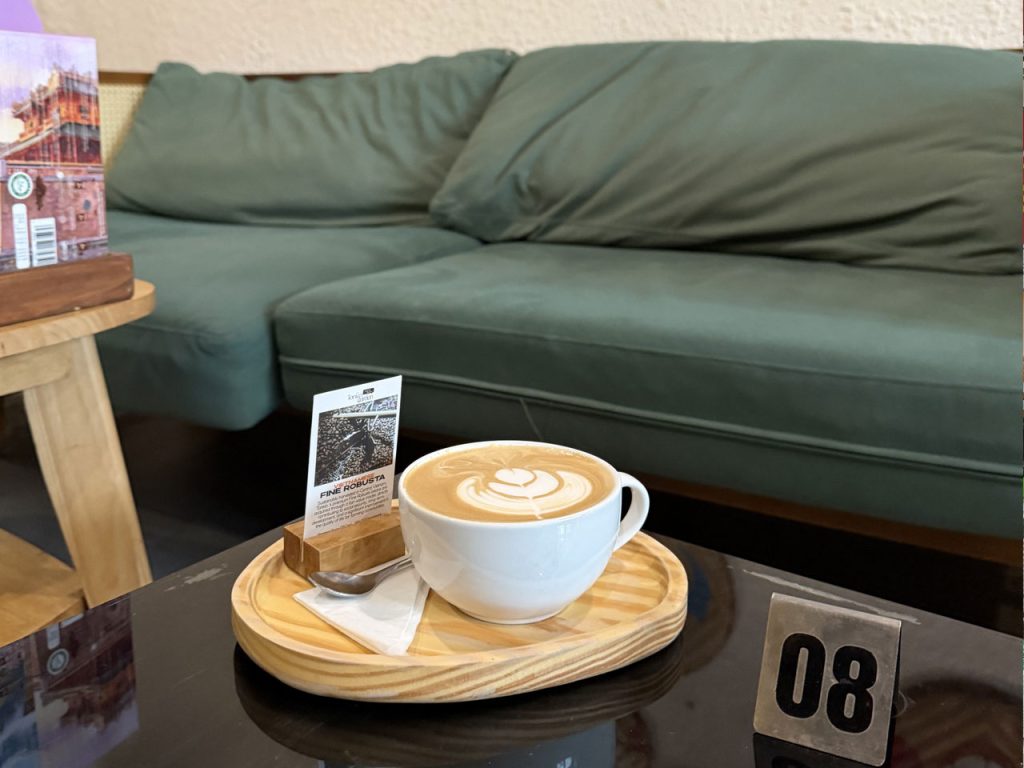
A bold cup does not have to feel harsh. Can Robusta coffee taste smooth? Absolutely, when the beans are carefully harvested, processed, roasted, and brewed, Robusta can deliver a rich body with balanced bitterness and a clean finish. At Tonkin Coffee, Vietnamese Fine Robusta from Gia Lai highlights this smoother side of the bean through notes of dark chocolate, roasted nuts, caramel, and subtle spice.
Can Robusta Coffee Really Taste Smooth?
Robusta can taste smooth when bitterness is balanced by body, sweetness, and a clean finish. Smooth Robusta is not necessarily light or mild. The cup may still feel strong and dense, but the flavor should remain comfortable from the first sip to the aftertaste.
What Does “Smooth” Mean in Robusta Coffee?
In coffee, smoothness describes how the drink feels rather than how weak it tastes. A smooth cup usually has rounded texture, controlled bitterness, and very little roughness on the tongue.
For Robusta, that balance matters. The coffee can still have a dark, intense character while remaining pleasant enough to drink slowly. I often notice the difference most clearly after swallowing: a good cup leaves cocoa, nuts, or gentle sweetness behind, rather than a burnt dryness that makes you immediately reach for water.
Does Smooth Robusta Still Taste Strong?
Yes. Smoothness does not remove the personality of Robusta.
A well-produced cup can still offer:
- A full, dense body
- Noticeable coffee intensity
- Dark chocolate or cocoa notes
- Roasted nut character
- Low to moderate acidity
- A long, warm finish
Anyone wondering what does robusta coffee taste like should therefore avoid treating bitterness as the whole answer.
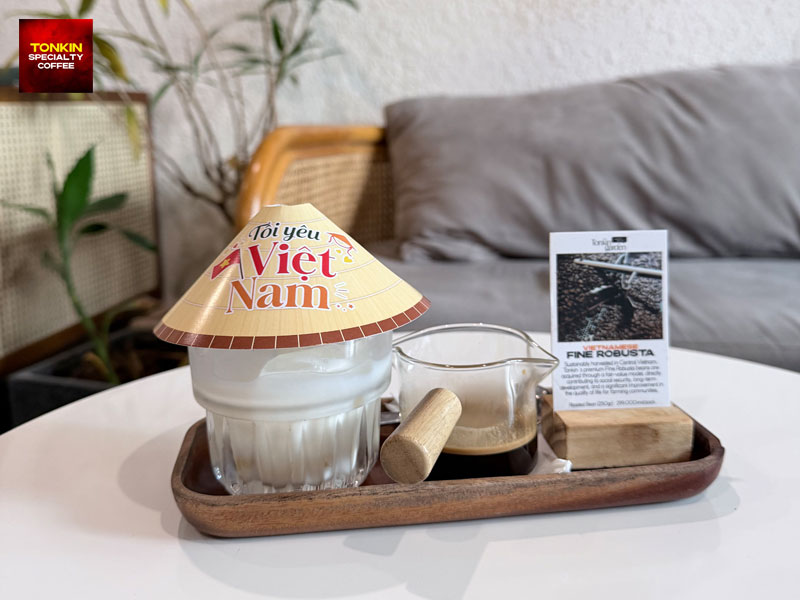
Robusta can be strong, earthy, chocolatey, nutty, and surprisingly rounded at the same time.
Why Does Some Robusta Taste Harsh While Other Robusta Tastes Smooth?
The biggest differences usually begin long before the coffee reaches the cup. Ripe cherries, careful sorting, controlled processing, even drying, thoughtful roasting, and balanced extraction all influence whether Robusta feels rounded or harsh.
How Does Cherry Quality Affect Robusta Smoothness?
Coffee made from ripe, healthy cherries generally has a better foundation for sweetness and balance. Underripe fruit, damaged cherries, or inconsistent harvesting can introduce unpleasant bitterness and rough flavors.
This is one reason quality-focused Robusta tastes so different from low-cost commercial coffee. The difference is not simply a clever roast profile. Better flavor begins with better raw material.
How Do Processing and Drying Change the Cup?
After harvest, fermentation and drying need to be controlled carefully. Uneven drying or poor processing can create muddy, fermented, woody, or overly bitter flavors.
When producers handle Robusta with more precision, the coffee can develop cleaner sweetness and clearer flavor notes. The distinction becomes easier to understand when comparing fine robusta vs regular robusta: the species may be the same, but the care given to the coffee can be very different.
Can Roasting Make Robusta Smoother?
Roasting can help reveal sweetness, body, chocolate, and roasted-nut character, but dark roasting alone does not create smoothness. Push the roast too far and smoke, carbon-like bitterness, and dryness begin to dominate.
A more controlled roast keeps the coffee bold while preserving flavor underneath the roast itself. That moment when the coffee feels strong but not exhausting… that is often where Robusta becomes much more enjoyable.
Does Brewing Method Affect Smoothness?
Absolutely. Even excellent beans can taste harsh if the coffee is over-extracted.
Water that is too hot, grinding too fine, or brewing for too long can increase unpleasant bitterness. Poor extraction in the opposite direction can make the coffee thin and unbalanced. A good brew keeps body and intensity while allowing the natural flavor of the beans to remain clear.
What Does Smooth Fine Robusta Taste Like?
Smooth Fine Robusta usually tastes rich, structured, and rounded rather than sharp. Depending on origin and roast, common impressions include dark chocolate, roasted nuts, caramel, cocoa, and subtle spice.
Is Smooth Robusta Less Bitter?
Robusta naturally tends to have more noticeable bitterness than many Arabica coffees, but bitterness does not automatically mean the coffee is unpleasant.
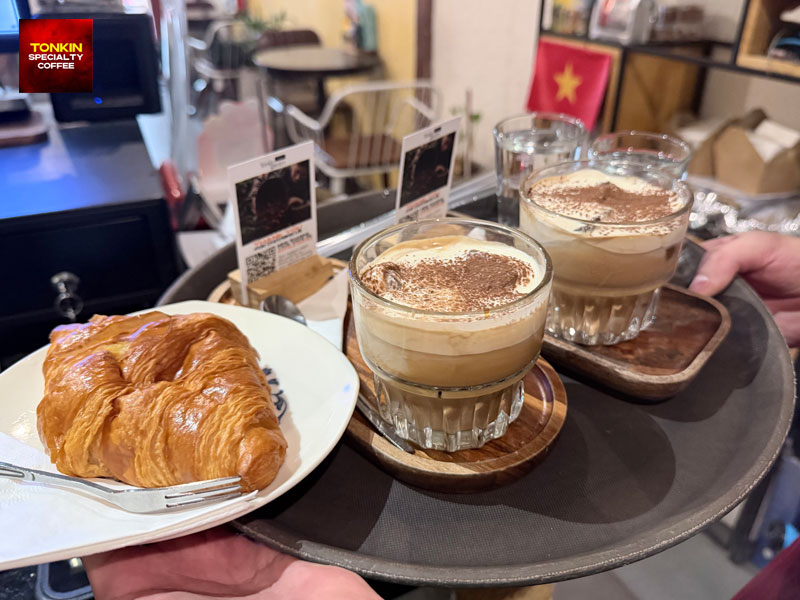
The better question is robusta coffee always bitter? Not in the harsh sense people often expect. High-quality Robusta may still have a firm bitter edge, yet sweetness and body can keep that bitterness in balance.
Can Smooth Robusta Taste Sweet?
Yes, although the sweetness is often deeper and less fruit-driven than in many Arabicas.
A cup may remind you of:
- Caramel
- Brown sugar
- Cocoa
- Dark chocolate
- Toasted nuts
These flavors do not make the coffee sugary. Instead, natural sweetness softens the stronger side of the cup and gives the finish more depth.
What Can Travelers Expect From Vietnamese Fine Robusta?
Vietnam is the world’s best-known Robusta-producing country, but the quality range within Vietnamese coffee is wide. Fine Robusta from carefully managed farms can show a much cleaner and more expressive profile than many first-time visitors expect.
At Tonkin Coffee, the Fine Robusta comes from Gia Lai in Vietnam’s Central Highlands. The coffee shows dark chocolate, roasted nuts, caramel, subtle spice, and a smooth full body. For someone whose previous impression of Robusta came from very dark, intensely bitter coffee, the contrast can be memorable.
How Is Fine Robusta Different From Commodity Robusta?
Fine Robusta receives greater attention throughout cultivation, harvesting, processing, sorting, roasting, and sensory evaluation. The goal is not to make Robusta imitate Arabica, but to express the strengths of Robusta more clearly.
What Makes Fine Robusta Higher Quality?
The idea behind what is fine robusta coffee becomes easier to understand through the cup itself.
Higher-quality Robusta typically involves:
- Riper cherries at harvest
- Better control of defects
- More consistent processing
- Careful drying
- Roasting designed for flavor rather than simply darkness
- A recognizable sensory profile
The result should feel cleaner and more defined, with fewer distracting flavors.
Does Fine Robusta Taste Like Arabica?
Not necessarily, and that is part of the appeal.
Fine Robusta does not need to become floral or highly acidic to be considered good coffee. Robusta can keep its own identity: fuller body, lower acidity, chocolate, nuts, caramel, and a stronger structure.
| Characteristic | Fine Robusta | Typical Specialty Arabica |
| Body | Full and dense | Light to medium |
| Acidity | Usually lower | Often brighter |
| Bitterness | Noticeable but balanced | Usually softer |
| Common flavors | Chocolate, nuts, caramel, spice | Fruit, floral, citrus |
| Overall character | Bold and rounded | Bright and aromatic |
How Can Travelers Tell Whether Robusta Coffee Is Smooth?
Professional tasting skills are not necessary. A smooth cup usually feels comfortable, keeps recognizable flavors after the first sip, and finishes without excessive burnt bitterness or dryness.
What Should You Notice in the First Few Sips?
A simple way to judge the cup is to ask:
- Does the coffee feel full without feeling rough?
- Can you taste more than bitterness?
- Are chocolate, nut, caramel, or spice notes noticeable?
- Does the finish remain pleasant?
- Would you want another sip without immediately adding sugar?
Those questions are often more useful to travelers than technical tasting scores.
Does Milk or Ice Hide Poor Robusta?
Milk, condensed milk, and ice can soften bitterness, but they cannot completely rescue a poor coffee base. Burnt or rough flavors often remain noticeable underneath the sweetness.
Good Robusta works differently. The coffee stays present even when combined with other ingredients, which is one reason high-quality Robusta suits many Vietnamese coffee drinks so well.
Is Smooth Robusta Good for Vietnamese Coffee Drinks?
Smooth Robusta works especially well in Vietnamese coffee because its full body remains noticeable beside ice, milk, or richer ingredients. Controlled bitterness provides structure without making the drink feel burnt or aggressive.
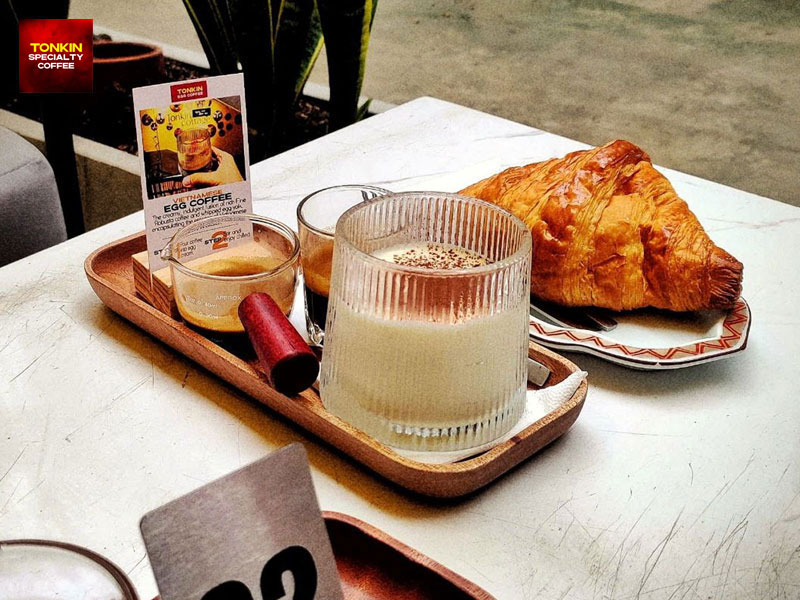
Why Does Robusta Work Well in Egg Coffee?
Egg coffee needs a strong coffee base. The creamy layer is sweet, rich, and soft, so a weak coffee can disappear underneath it.
At Tonkin Coffee, Fine Robusta provides the contrast: bold enough to remain recognizable, but smooth enough to avoid fighting against the egg cream. The result feels layered rather than simply sweet… coffee first, cream around it, then chocolate and roasted-nut notes lingering afterward.
Where Can Travelers Try Smooth Fine Robusta in Ho Chi Minh City?
Travelers can experience Vietnamese Fine Robusta at Tonkin Coffee locations in central Ho Chi Minh City. Each branch offers a slightly different setting, but the coffee remains connected to Vietnamese origin, craftsmanship, and a clear Robusta identity.
Tonkin Specialty Coffee on Ly Tu Trong suits visitors who want to focus more closely on the coffee itself. Tonkin Garden on Tran Hung Dao offers a slower, more atmospheric break, while the Tonkin Egg Coffee locations introduce Fine Robusta through one of Vietnam’s most distinctive drinks.
For travelers staying around Nguyen Hue Walking Street, Dong Khoi, Bitexco Tower, or the Saigon River, Tonkin Egg Coffee & Herbal Tea at 27 Ngo Duc Ke is also easy to include in a central-city walk.
The experience makes one point especially clear: Robusta does not need to become softer by losing its strength. With good beans and careful preparation, Robusta can remain bold, deep, and unmistakably Vietnamese while still tasting remarkably smooth.
Visit Tonkin Coffee Today!
Tonkin Specialty Coffee
- Add: 91 Ly Tu Trong St., Ben Thanh Ward, Ho Chi Minh City, Vietnam.
- Hotline: 086 799 0125
Tonkin Garden Cafe
- Add: 135/50 Tran Hung Dao St., Cau Ong Lanh Ward, Ho Chi Minh City, Vietnam.
- Hotline: 087 992 4691
Tonkin Egg Coffee
- Add: 1 Le Thi Rieng St., Ben Thanh Ward, Ho Chi Minh City, Vietnam.
- Hotline: 0815 841 909
Tonkin Egg Coffee & Herbal Tea
- Add: 27 Ngo Duc Ke St., Sai Gon Ward, Ho Chi Minh City, Vietnam
Nestled in the heart of Ho Chi Minh City, Tonkin Specialty Coffee is one of the best coffee shops to experience authentic Vietnamese flavors. From the iconic egg coffee and refreshing coconut coffee to bold Vietnamese coffee and the unique salt coffee, every sip is a journey into tradition. For non-coffee lovers, our Vietnamese matcha offers a gentle alternative. Pair your drink with a freshly baked banh mi or a buttery croissant, and savor the true taste of Vietnam in a setting inspired by folk culture and Indochine charm.