
 한국어
 中文 (中国)
 日本語
 中文 (台灣)
Vietnam’s coffee landscape changes noticeably from one highland region to another. If you are wondering is Da Lat coffee Arabica, the answer is largely yes: Da Lat and the surrounding Lam Dong highlands are strongly associated with Arabica cultivation. Tonkin Coffee offers another perspective on this regional diversity, using Gia Lai Fine Robusta to create bold, balanced Vietnamese coffee across its signature drinks.
Why Is Da Lat Closely Associated With Arabica Coffee?
Da Lat is one of Vietnam’s best-known Arabica-growing areas, thanks to its relatively cool highland environment. Located in Lam Dong Province, the city has developed a coffee identity that differs from Robusta-dominant areas elsewhere in the Central Highlands.
The difference begins with growing conditions, but the character of Da Lat coffee also reflects the varieties farmers cultivate and how the beans are handled after harvest.
How Does Da Lat’s Elevation Influence Coffee Growing?
Da Lat sits at approximately 1,500 meters above sea level, although surrounding coffee farms occupy different elevations.
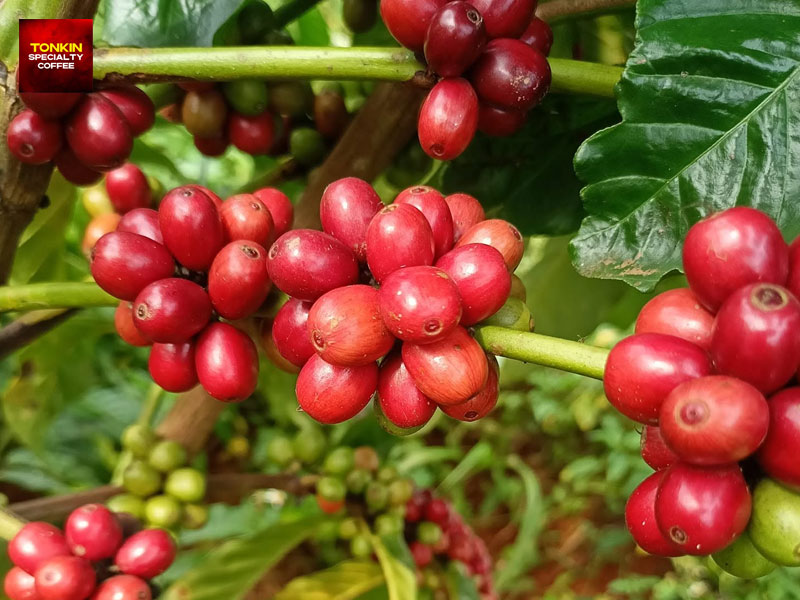
Cooler temperatures can favor Arabica cultivation and influence cherry development. However, elevation alone cannot guarantee better coffee. Farm management, harvesting and processing remain important.
Is Da Lat Coffee the Same as Lam Dong Coffee?
Not exactly. Da Lat is a city, while Lam Dong is the surrounding province.
Coffee marketed as Da Lat coffee may originate from growing areas around the city or elsewhere in Lam Dong. The province also has a broader agricultural landscape that includes both Arabica and Robusta production.
Understanding this distinction makes coffee packaging easier to interpret.
What Kind of Arabica Is Grown Around Da Lat?
Catimor is one of the Arabica types commonly associated with coffee cultivation around Da Lat and Lam Dong. Its presence reflects farmers’ efforts to balance cup quality with practical growing requirements.
Catimor belongs within the Arabica coffee family rather than representing a separate coffee species.
Why Is Catimor Important to Da Lat Coffee?
Catimor has been cultivated in Vietnam partly because of its agronomic characteristics, including resistance to certain coffee diseases.
Its flavor is not fixed. Depending on growing conditions, processing and roasting, Catimor coffee can express different levels of sweetness, acidity and aromatic complexity.
Does Every Da Lat Arabica Taste Similar?
No. Two bags labeled Da Lat Arabica may offer noticeably different experiences.
The main variables include:
- Coffee variety: Different Arabica cultivars have different characteristics.
- Cherry ripeness: Harvest timing influences raw coffee quality.
- Processing: Washed and natural methods can create different sensory results.
- Roasting: Roast development changes aroma, sweetness and bitterness.
- Brewing: Extraction influences how the coffee tastes in the cup.
The Arabica label identifies the species, not a guaranteed flavor.
Does Da Lat Coffee Always Mean 100% Arabica?
No. Da Lat is a geographic name, not a guarantee that every coffee product contains only Arabica.
A café or packaged product associated with Da Lat might offer single-origin Arabica, an Arabica blend or coffee combining Arabica and Robusta. Coffee roasted or sold in Da Lat may also contain beans grown elsewhere.
What Should You Check on a Da Lat Coffee Label?
A useful label separates the following information:
| Label detail | What to check |
| Origin | Where were the beans actually grown? |
| Species | Arabica, Robusta or a blend? |
| Variety | Is Catimor or another cultivar identified? |
| Processing | Washed, natural or another method? |
| Roast | Light, medium or dark? |
| Preparation | Espresso, filter or another brewing style? |
A detailed label does not automatically guarantee quality, but clearer information helps you make a more informed choice.
What Does Da Lat Arabica Usually Taste Like?
Da Lat Arabica can offer aromatic sweetness, noticeable acidity and fruit, floral, caramel or nut-like characteristics. The exact flavor depends on the farm, variety, processing and roasting.
For someone accustomed to bold Vietnamese milk coffee, a lighter Arabica preparation may feel surprisingly different.
How Does Da Lat Arabica Compare With Fine Robusta?
The following characteristics are general tendencies rather than fixed rules.
| Characteristic | Da Lat Arabica | Fine Robusta |
| Aroma | Floral, fruity, sweet | Cocoa, roasted nuts, spice |
| Acidity | Often more noticeable | Usually lower in perception |
| Body | Light to medium | Fuller |
| Bitterness | Often gentler | More pronounced |
| Overall character | Bright and aromatic | Bold and structured |
Neither species automatically produces better coffee.
The broader question, is Vietnamese coffee Robusta or Arabica, has a straightforward answer: Vietnam grows both, and each contributes to the country’s coffee culture.
Is Arabica Automatically Better Than Robusta?
No. Coffee quality depends on how well the beans are grown, processed, roasted and prepared, not simply their species.
A carefully produced Fine Robusta can deliver excellent sweetness, balance and clarity. Likewise, poorly handled Arabica can taste unpleasant despite its reputation.
Choose according to your preferences rather than assuming one bean must be superior.
How Does Da Lat Fit Into Vietnam’s Coffee Geography?
Da Lat represents an important Arabica identity within a country more widely associated with Robusta.
Vietnam’s coffee regions have developed different agricultural specializations over time. Understanding those differences helps explain why the country’s coffee culture offers much more than one familiar flavor.
Which Vietnamese Coffee Regions Should Travelers Recognize?
| Growing area | Coffee identity |
| Da Lat / Lam Dong | Important Arabica-growing areas |
| Dak Lak / Buon Ma Thuot | Major Robusta production |
| Gia Lai | Established Robusta-growing region |
| Other suitable highland areas | Additional Arabica and Robusta cultivation |
The question what coffee is grown in Dak Lak highlights another side of this regional diversity, particularly the province’s strong connection with Robusta.
Similarly, understanding why Vietnam’s Central Highlands are ideal for coffee reveals how geography and farming experience work together.
For a wider introduction, the types of coffee beans grown in Vietnam provide useful context beyond individual provinces.
Why Did Robusta Become More Common Than Arabica?
Vietnam’s coffee production developed around growing conditions, agricultural expansion and commercial demand.
Robusta became particularly important because of its suitability for many warmer growing areas and its production potential.
The history behind Vietnam’s shift toward Robusta explains why the country became strongly associated with this species without abandoning Arabica cultivation.
Why Does Tonkin Coffee Choose Gia Lai Fine Robusta?
Tonkin Coffee follows a different Central Highlands coffee origin, sourcing quality Fine Robusta from Gia Lai rather than building its signature drinks around Da Lat Arabica.
The brand maintains direct relationships with farmers in Gia Lai, connecting its coffee preparation with the people responsible for growing the beans.
This sourcing choice reflects Tonkin’s preferred flavor foundation, not a claim that Gia Lai produces better coffee than Da Lat.
What Makes Gia Lai Fine Robusta Suitable for Tonkin’s Drinks?
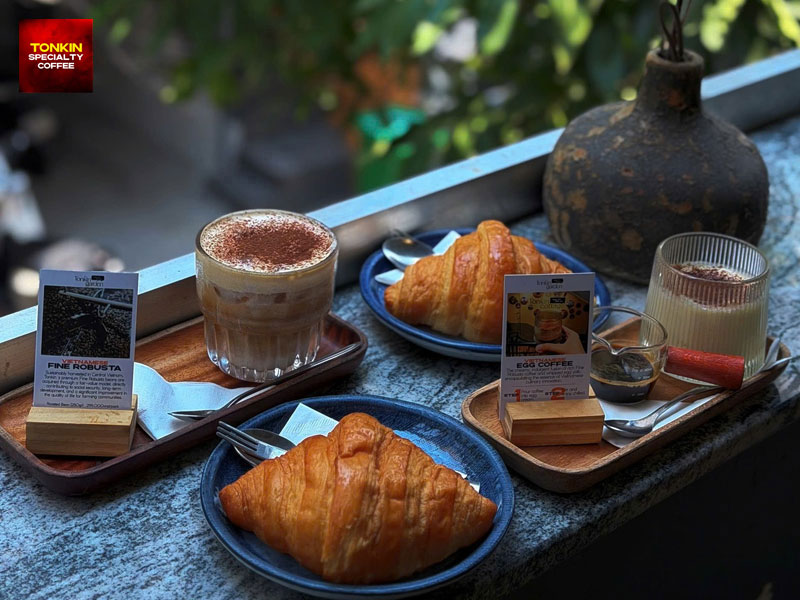
Tonkin’s Fine Robusta offers dark chocolate, roasted nuts, caramel, subtle spice and a full body.
These characteristics work particularly well with the creamy ingredients used in Vietnamese coffee.
The same coffee foundation supports three signature preparations:
- Egg coffee: Fine Robusta beneath a silky, airy egg cream.
- Salt coffee: Bold coffee balanced with a creamy salted layer.
- Vietnamese milk coffee: Full-bodied coffee combined with condensed milk.
Fine Robusta is the coffee base, not a separate menu drink.
Where Can You Experience Gia Lai Fine Robusta in Ho Chi Minh City?
Travelers can enjoy Tonkin’s Gia Lai Fine Robusta at four cafés in central Ho Chi Minh City. Each location offers a different atmosphere, making it easy to choose a stop that suits the day’s sightseeing plans.
| Tonkin café | Address | Best experience |
| Tonkin Specialty Coffee | 91 Ly Tu Trong St., Ben Thanh Ward | Vietnamese folk culture near Ben Thanh Market |
| Tonkin Garden Cafe | 135/50 Tran Hung Dao St., Cau Ong Lanh Ward | A peaceful garden retreat |
| Tonkin Egg Coffee | 1 Le Thi Rieng St., Ben Thanh Ward | Egg coffee with Huynh Hoa bánh mì |
| Tonkin Egg Coffee & Herbal Tea | 27 Ngo Duc Ke St., Sai Gon Ward | A historic villa near Nguyen Hue |
Where Can You Enjoy Coffee Surrounded by Vietnamese Culture?
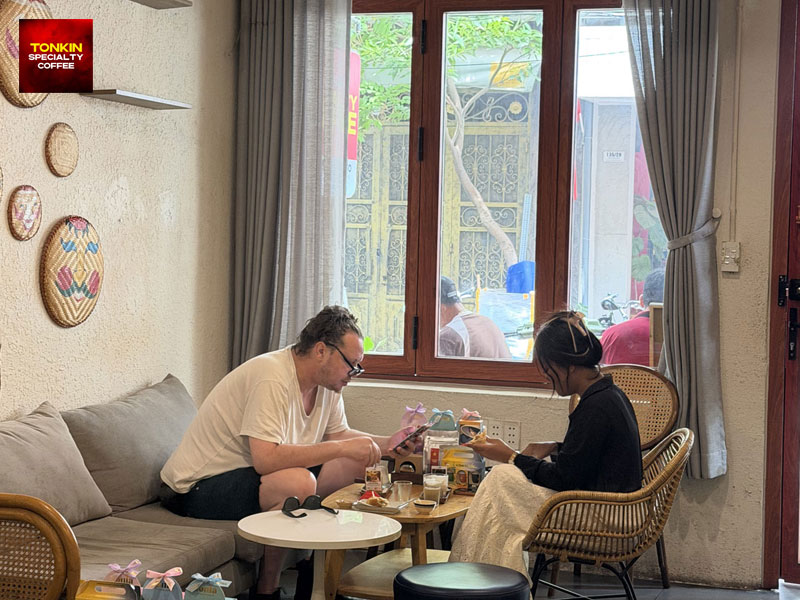
Tonkin Specialty Coffee offers an intimate upstairs space decorated with Vietnamese folk masks, woven bamboo details and traditional paintings.
Its location near Ben Thanh Market makes the café a convenient stop before or after exploring Independence Palace.
Which Tonkin Café Offers a Quiet Garden Setting?
Tonkin Garden Cafe occupies a nearly century-old modernist Saigon house tucked inside a quiet alley.
The greenery and courtyard create a slower atmosphere for visitors who want to enjoy coffee without rushing to the next attraction.
Where Can You Pair Egg Coffee With Vietnamese Bánh Mì?
Tonkin Egg Coffee sits opposite the popular Huynh Hoa bánh mì shop.
Customers can bring their Huynh Hoa bánh mì inside without an additional fee. Air conditioning, seating and Wi-Fi make the café a comfortable stop before continuing toward Tao Dan.
Which Tonkin Café Is Near Nguyen Hue and the Saigon River?
Tonkin Egg Coffee & Herbal Tea occupies an upstairs space inside a historic 1917 villa on Ngo Duc Ke Street.
The café fits naturally into a walk connecting Nguyen Hue Walking Street, the Saigon Opera House, Bitexco, Bach Dang and the Saigon River.
What Should First-Time Visitors Order at Tonkin?
Start with the drink that best matches your usual coffee preferences.
| Your preference | Recommended drink |
| Creamy and distinctive | Egg coffee |
| Sweet with a subtle savory finish | Salt coffee |
| Bold and familiar | Vietnamese milk coffee |
Notice how the Fine Robusta foundation remains present even when cream or condensed milk changes the texture and sweetness.
From Da Lat Arabica to Gia Lai Robusta, Discover Vietnam Through Coffee
Da Lat’s connection with Arabica reveals one important part of Vietnam’s coffee landscape. Gia Lai and Dak Lak show how Robusta has developed its own regional identity across the Central Highlands.
Rather than deciding which species is universally better, consider how origin, farming, processing and preparation influence the cup.
At Tonkin Coffee, Gia Lai Fine Robusta becomes part of a Vietnamese café experience shaped by quality ingredients, traditional flavors and distinctive spaces.
Choose one of Tonkin’s four central Ho Chi Minh City locations according to your sightseeing route, and discover another side of Vietnamese coffee through the cup itself.
Visit Tonkin Coffee Today!
Tonkin Specialty Coffee
- Add: 91 Ly Tu Trong St., Ben Thanh Ward, Ho Chi Minh City, Vietnam.
- Hotline: 086 799 0125
Tonkin Garden Cafe
- Add: 135/50 Tran Hung Dao St., Cau Ong Lanh Ward, Ho Chi Minh City, Vietnam.
- Hotline: 087 992 4691
Tonkin Egg Coffee
- Add: 1 Le Thi Rieng St., Ben Thanh Ward, Ho Chi Minh City, Vietnam.
- Hotline: 0815 841 909
Tonkin Egg Coffee & Herbal Tea
- Add: 27 Ngo Duc Ke St., Sai Gon Ward, Ho Chi Minh City, Vietnam
Nestled in the heart of Ho Chi Minh City, Tonkin Coffee is one of the best coffee shops to experience authentic Vietnamese flavors. From the iconic egg coffee and refreshing coconut coffee to bold Vietnamese coffee and the unique salt coffee, every sip is a journey into tradition. For non-coffee lovers, our Vietnamese matcha offers a gentle alternative. Pair your drink with a freshly baked banh mi or a buttery croissant, and savor the true taste of Vietnam in a setting inspired by folk culture and Indochine charm.