



At Tonkin Coffee, coconut coffee vs salt coffee presents two distinct ways to enjoy Vietnamese coffee. Coconut coffee is creamy, tropical, and usually sweeter, while salt coffee keeps a clearer espresso character with a subtle savory balance. This guide compares their flavor, texture, bitterness, and suitability for first-time drinkers.
What Is the Main Difference Between Coconut Coffee and Salt Coffee?
The key difference lies in the ingredient used to balance the coffee.
Coconut coffee combines espresso with coconut milk or coconut cream. The result is fragrant, creamy, and often slightly sweet, with a tropical character that makes the drink feel refreshing and approachable.
Salt coffee uses espresso with a lightly salted cream layer. The salt should not dominate the cup. Instead, it softens bitterness, enhances sweetness, and creates a smoother transition between the coffee and cream.
| Feature | Coconut Coffee | Salt Coffee |
| Main ingredient | Coconut milk or coconut cream | Lightly salted cream |
| Main impression | Tropical and creamy | Balanced and coffee-forward |
| Sweetness | Usually more noticeable | Usually more restrained |
| Bitterness | Softened by coconut | Reduced by salt |
| Texture | Full, silky, sometimes dense | Smooth with a lighter cream layer |
| Best for | Latte and coconut lovers | Espresso drinkers who dislike harsh bitterness |
Neither drink is intended to completely hide the coffee.
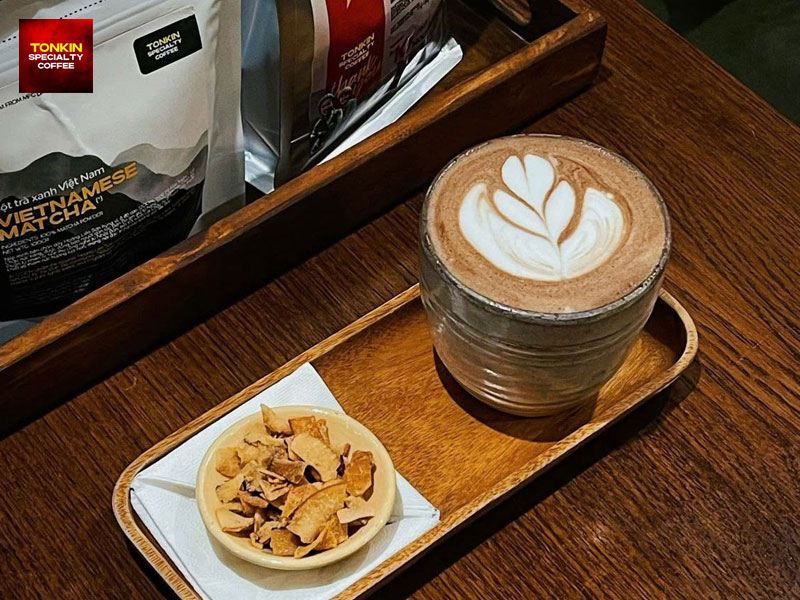
A well-made version should still maintain enough roasted flavor to feel like a coffee drink rather than a dessert.
How Do Their Flavors Compare?
Coconut coffee opens with a fragrant coconut aroma, followed by the roasted character of espresso. Coconut milk rounds the edges of the coffee, creating a softer and more relaxed finish. Depending on the recipe, the drink can feel similar to a coconut latte or a chilled coffee dessert.
Salt coffee tastes less tropical and usually more direct. The first impression is often creaminess, but the espresso remains central. Salt works quietly in the background, reducing sharp bitterness rather than producing an obviously salty flavor.
Readers who want a fuller breakdown of aroma, body, sweetness, and aftertaste can explore what does Vietnamese coconut coffee taste like. The drink usually combines nutty coconut notes with roasted coffee, creating a contrast that is more aromatic than salt coffee.
Which Drink Is Sweeter?
Coconut coffee is usually the sweeter option. Coconut milk naturally creates a rich impression, and many recipes include an additional sweetened component to balance strong espresso.
Salt coffee is often less sweet in comparison. The purpose of salt is not to create another dominant flavor but to make the coffee feel smoother and less bitter. Even with a cream layer, it generally tastes more balanced than dessert-like.
The answer to is Vietnamese coconut coffee sweet or bitter depends on the ratio of espresso, coconut milk, and sweetener. A balanced cup should include mild bitterness beneath the creamy layer, rather than tasting entirely sweet.
People who regularly order sweet iced lattes may prefer coconut coffee. Those who enjoy cappuccino, flat white, or espresso with cream may find salt coffee more suitable.
Which Coffee Is Less Bitter?
Both drinks reduce perceived bitterness, but the effect is different.
Coconut milk softens the roasted notes by coating the palate with a creamy texture. This makes coconut coffee especially approachable for people who are not accustomed to strong Vietnamese coffee.
Salt works more directly with bitterness. A small amount can reduce harshness and make the espresso’s caramel, chocolate, or nutty characteristics easier to notice. For this reason, salt coffee can taste smoother without becoming overly sweet.
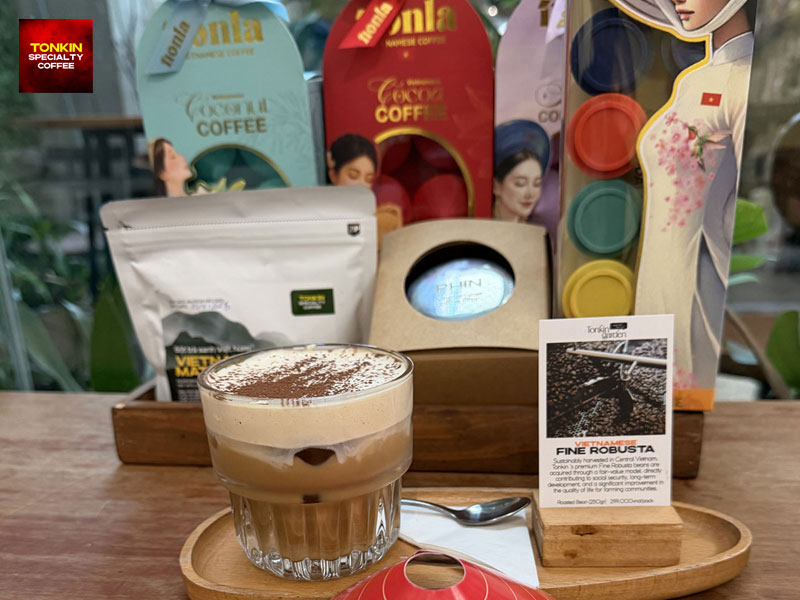
Coconut coffee may feel gentler overall, but salt coffee often preserves more of the original coffee structure. The better choice depends on whether you want bitterness softened by richness or balanced without losing intensity.
Which One Tastes More Like Coffee?
Salt coffee generally tastes more coffee-forward. Its cream layer supports the espresso rather than replacing it, and the subtle salt level helps reveal sweetness already present in the beans.
Coconut coffee still maintains a recognizable espresso base when prepared with the right proportions. The question does coconut coffee still taste like coffee is especially relevant for people who worry that coconut will overwhelm the cup. A strong coffee foundation allows roasted notes to remain clear beneath the coconut aroma.
At Tonkin Coffee, the goal is balance. Coconut should make the drink smoother and more fragrant, while salt should reduce harshness without turning the cup savory.
Which Drink Has a Creamier Texture?
Coconut coffee usually has the fuller body. Coconut milk creates a silky, dense texture that can feel almost dessert-like, especially when served cold and blended or layered.
Salt coffee is creamy but generally lighter. The cream sits above the espresso and gradually mixes into the cup, allowing the texture to evolve while drinking. Early sips may feel rich, while later sips become more coffee-forward.
Choose coconut coffee when you want:
- A thicker and smoother mouthfeel.
- A tropical aroma.
- A drink similar to an iced latte.
- A more indulgent café break.
Choose salt coffee when you want:
- A lighter cream layer.
- A stronger espresso presence.
- Moderate sweetness.
- A smooth drink without a heavy finish.
Which Coffee Is More Refreshing in Saigon?
Coconut coffee is usually more refreshing, particularly when served over ice. Coconut aroma, cold temperature, and a creamy texture make it suitable for warm afternoons in Ho Chi Minh City.
The choice between Vietnamese coconut coffee hot or iced also changes the comparison. The iced version feels lighter and more tropical, while hot coconut coffee is richer and allows the coconut aroma to become more pronounced.
Salt coffee can also be served cold, but its main appeal is balance rather than tropical refreshment. It works well during a café break when you want a smooth coffee that still feels substantial.
After walking around Ben Thanh Market, Nguyen Hue, or Dong Khoi, iced coconut coffee may feel more immediately cooling. Salt coffee is often a better choice when you want to sit longer and focus on the taste of the espresso.
Which Drink Is Better for First-Time Visitors?
Coconut coffee is often the easier first choice. Its familiar creamy profile resembles a flavored iced latte, while coconut gives it a clear Vietnamese tropical identity.

Salt coffee offers a more surprising experience. The name may sound unusual, but the actual drink should not taste strongly salty. Instead, it shows how a small amount of salt can change the way bitterness and sweetness are perceived.
Choose coconut coffee if you:
- Enjoy coconut milk or tropical flavors.
- Usually order sweet or iced coffee.
- Prefer a fuller texture.
- Want a refreshing drink in warm weather.
Choose salt coffee if you:
- Want the coffee flavor to remain clear.
- Prefer moderate sweetness.
- Enjoy espresso-based drinks.
- Are curious about an unusual but balanced local combination.
Visitors comparing other creamy Vietnamese specialties may also find coconut coffee vs egg coffee useful. Egg coffee is richer and custard-like, while coconut coffee is generally fresher and more tropical.
How Does Tonkin Coffee Prepare Both Drinks?
Tonkin Coffee approaches both drinks with a coffee-first philosophy.
Coconut Coffee combines espresso, coconut milk, and coconut flakes. The coconut adds fragrance and body, but the espresso remains present enough to keep the drink balanced.
Salt Coffee begins with Fine Robusta espresso and a lightly whipped cream layer with a measured amount of salt. The objective is not to make the coffee taste salty. The salt reduces harsh bitterness and helps reveal the natural sweetness and roasted depth of the beans.
Both drinks show a different side of Vietnamese coffee culture. Coconut coffee highlights local ingredients and tropical refreshment, while salt coffee demonstrates how a small savory element can improve balance.
Coconut Coffee or Salt Coffee: Which Should You Order?
There is no single better choice. The right drink depends on the experience you want.
| Your preference | Better choice |
| Tropical aroma | Coconut coffee |
| Stronger coffee character | Salt coffee |
| Sweeter profile | Coconut coffee |
| Less dessert-like finish | Salt coffee |
| Thick, creamy texture | Coconut coffee |
| Balanced bitterness | Salt coffee |
| Refreshment on a hot day | Iced coconut coffee |
| A surprising local experience | Salt coffee |
Choose coconut coffee for sweetness, fragrance, and a smooth tropical finish. Choose salt coffee for a more coffee-forward cup with controlled bitterness and subtle creaminess.
At Tonkin Coffee, trying both on different visits is the easiest way to understand the contrast. Coconut coffee offers a bright and approachable introduction, while salt coffee reveals how Vietnamese coffee can remain bold without feeling harsh.
Frequently Asked Questions
Is coconut coffee sweeter than salt coffee?
Usually yes. Coconut coffee tends to feel sweeter and richer, while salt coffee focuses more on balancing espresso bitterness.
Does salt coffee actually taste salty?
No. When prepared correctly, the salt is subtle and supports the coffee rather than becoming the dominant flavor.
Which drink tastes more like coffee?
Salt coffee normally has a clearer espresso character. Coconut coffee remains coffee-based but gives more space to coconut aroma and creaminess.
Which one is better for hot weather?
Iced coconut coffee is generally more refreshing, while salt coffee is smoother and more coffee-focused.
Can first-time visitors enjoy both?
Yes. Coconut coffee is more familiar for latte drinkers, while salt coffee is suitable for anyone curious about a balanced Vietnamese specialty.
Visit Tonkin Coffee Today!
Tonkin Specialty Coffee
- Add: 91 Ly Tu Trong St., Ben Thanh Ward, Ho Chi Minh City, Vietnam.
- Hotline: 086 799 0125
Tonkin Garden Cafe
- Add: 135/50 Tran Hung Dao St., Cau Ong Lanh Ward, Ho Chi Minh City, Vietnam.
- Hotline: 087 992 4691
Tonkin Egg Coffee
- Add: 1 Le Thi Rieng St., Ben Thanh Ward, Ho Chi Minh City, Vietnam.
- Hotline: 0815 841 909
Tonkin Egg Coffee & Herbal Tea
- Add: 27 Ngo Duc Ke St., Sai Gon Ward, Ho Chi Minh City, Vietnam

Nestled in the heart of Ho Chi Minh City, Tonkin Specialty Coffee is one of the best coffee shops to experience authentic Vietnamese flavors. From the iconic egg coffee and refreshing coconut coffee to bold Vietnamese coffee and the unique salt coffee, every sip is a journey into tradition. For non-coffee lovers, our Vietnamese matcha offers a gentle alternative. Pair your drink with a freshly baked banh mi or a buttery croissant, and savor the true taste of Vietnam in a setting inspired by folk culture and Indochine charm.