


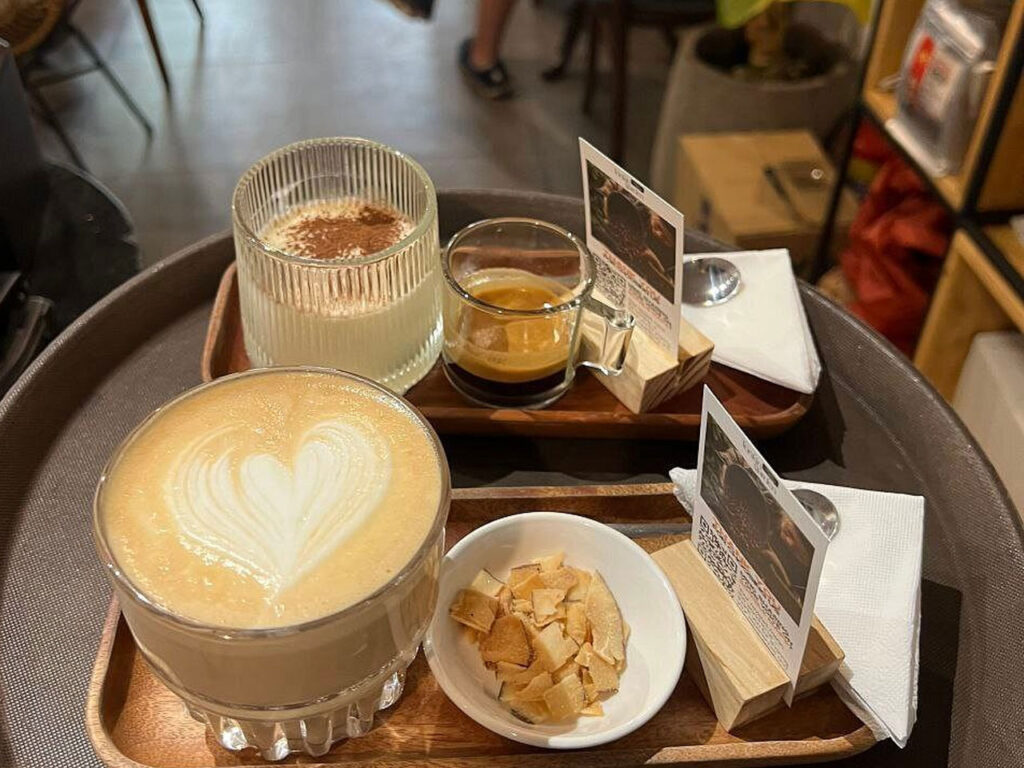
Understanding what Vietnamese coconut coffee tastes like starts with its balance of creamy coconut, gentle sweetness and roasted coffee depth. A good cup should feel tropical and refreshing without becoming overly sweet or losing the character of the espresso beneath it.
At Tonkin Coffee, Coconut Coffee combines espresso, coconut milk and coconut flakes to create a smooth, nutty and coffee-forward drink. Available across four central Ho Chi Minh City locations, it offers travelers an easy way to experience a modern Vietnamese coffee specialty during a downtown itinerary.
What flavors define Vietnamese coconut coffee?
The first impression is usually soft and aromatic. Coconut creates a tropical fragrance before the coffee becomes fully noticeable, while the creamy texture reduces the sharper edge of roasted bitterness.
A well-balanced cup often includes:
- a clear coconut aroma
- mild to moderate sweetness
- roasted coffee depth
- a smooth, silky texture
- subtle nutty notes
- a refreshing finish when served cold
The drink should not taste like coconut dessert mixed with a small amount of coffee. The espresso or brewed coffee needs enough strength to remain present beneath the coconut milk.
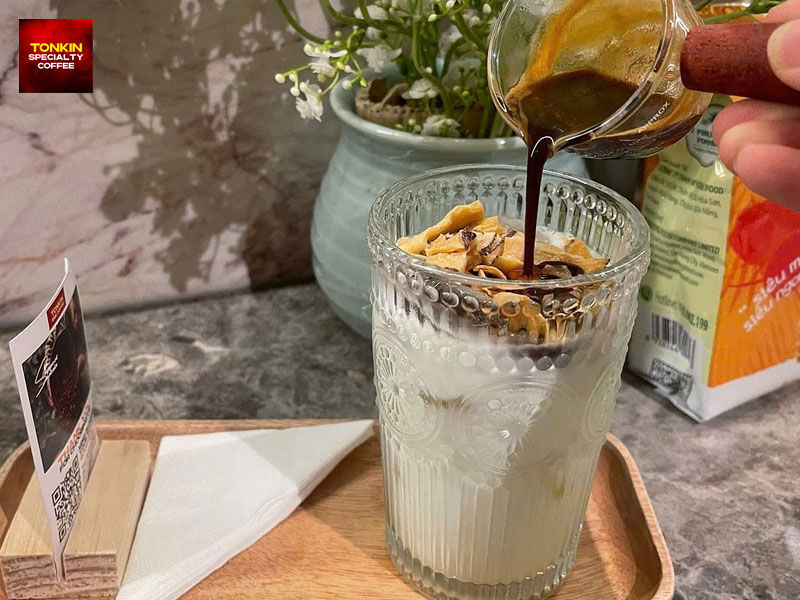
The interaction between bitterness and sweetness is what gives the drink its character. Coconut rounds out the coffee, while the coffee prevents the drink from becoming overly rich or one-dimensional.
Which flavors appear during the first sip?
Coconut is normally the first flavor to appear. Its aroma feels familiar, creamy and slightly nutty, especially when the drink is served with coconut flakes.
The coffee then becomes clearer through the middle of the sip. Depending on the beans and extraction, the roasted profile may suggest cocoa, toasted nuts or caramel. These notes work naturally with coconut because they create warmth and depth beneath the tropical sweetness.
The final impression should be clean and smooth. A good version leaves a mild coconut aftertaste without masking the coffee aroma completely.
This sequence helps explain why Vietnamese coconut coffee often feels richer than ordinary iced coffee but lighter than a full dessert drink.
Is coconut coffee sweet, bitter or balanced?
Vietnamese coconut coffee is generally sweeter than black coffee, but it should still contain noticeable bitterness from the coffee base.
| Taste element | Typical intensity |
| Coconut aroma | Medium to strong |
| Sweetness | Medium |
| Coffee bitterness | Mild to medium |
| Creaminess | Medium to high |
| Roasted flavor | Medium |
| Refreshment | High when iced |
The balance varies according to the ratio of coffee, coconut milk, sweetener and ice. Too much coconut mixture can hide the coffee, while too much espresso can make the drink feel harsh.
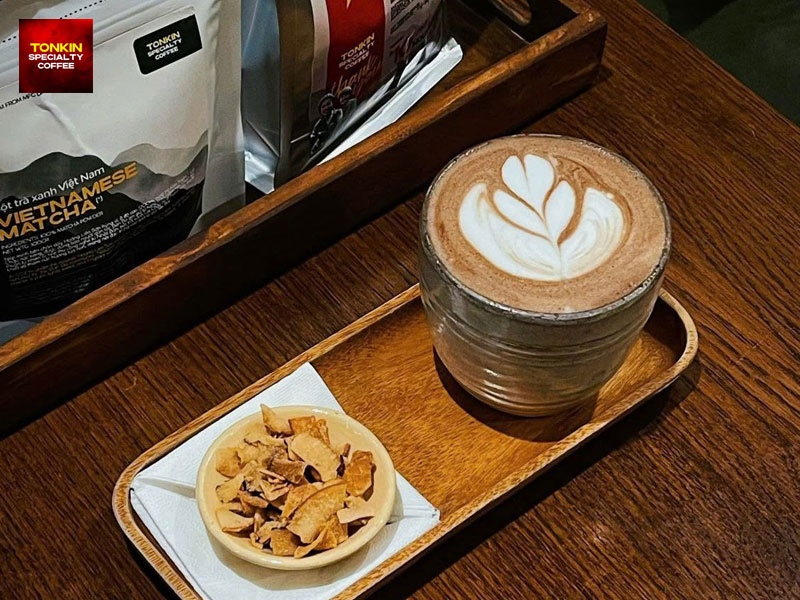
The discussion around is coconut coffee sweet or refreshing is best answered by serving style. The hot version often feels richer and sweeter, while the iced version feels cleaner, cooler and more refreshing.
What creates the creamy texture?
Coconut milk is the main source of smoothness, but each ingredient contributes something different to the final cup.
| Ingredient | Role in the drink |
| Espresso | Bitterness, body and roasted aroma |
| Coconut milk | Creaminess and tropical flavor |
| Coconut flakes | Light texture and stronger aroma |
| Sweetener | Connects the coffee and coconut |
| Ice | Creates a colder, lighter finish |
The drink depends on proportion. When the coconut layer is too thick, it can feel heavy and reduce the clarity of the coffee. When there is too little coconut, the drink loses the tropical character that makes it distinctive.
Readers interested in preparation can explore a detailed coconut coffee Vietnam recipe, although taste depends just as much on coffee quality and ingredient balance as on the basic method.
Should you choose hot or iced coconut coffee at Tonkin Coffee?
Tonkin Coffee serves Coconut Coffee – Cafe Sữa Dừa in both hot and iced versions. Both use the same core combination of bold coffee, coconut milk and coconut flakes, but temperature changes how the sweetness, aroma and texture are perceived.
Choose hot coconut coffee for comfort and aroma
The hot version highlights roasted coffee and warm coconut fragrance. Heat makes the coconut aroma feel fuller and gives the drink a smoother, rounder body.
It is a suitable choice for:
- relaxed mornings
- rainy afternoons
- visitors who usually prefer hot lattes
- people who enjoy slower, more comforting drinks
The coffee remains noticeable beneath the coconut sweetness, while the flakes add a small amount of texture. Because warmth increases the perception of aroma and richness, the hot version can feel more indulgent even when the ingredient ratio remains similar.
Choose iced coconut coffee for a cooler tropical finish
The iced version puts greater emphasis on refreshment. Ice lightens the body and creates a cleaner finish, making the drink easier to enjoy after walking around central Ho Chi Minh City.
It works well for:
- hot afternoons
- breaks between sightseeing stops
- visitors who prefer chilled coffee
- people who want a smoother alternative to iced black coffee
As the ice melts, the sweetness and coffee intensity gradually become softer. For the clearest flavor, the drink is best enjoyed before excessive dilution occurs.
At Tonkin Coffee, the iced version can also be paired with a sourdough croissant for a more substantial café break.
Does coconut coffee taste like a latte?
Coconut coffee shares the smoothness of a latte, but the flavor profile is more tropical and aromatic.
A latte usually softens espresso with dairy or plant milk, while coconut coffee adds a stronger nutty fragrance and more noticeable sweetness. The coconut flavor creates a clear identity rather than simply reducing bitterness.
The drink can be approachable for latte drinkers because it offers:
- a creamy mouthfeel
- moderate bitterness
- gentle sweetness
- familiar espresso structure
- a more distinctive aroma
However, it remains more layered than a standard latte. The coffee and coconut are meant to contrast rather than merge into a completely neutral milk-coffee profile.
Does coconut coffee taste like dessert?
It can feel dessert-like, especially when served hot or prepared with a thicker coconut mixture. Even so, a balanced cup should remain drinkable rather than spoonable.
The espresso provides contrast, keeping the coconut sweetness from becoming flat. Compared with egg coffee, coconut coffee is usually lighter, cooler and less dense.
A useful guide on coconut coffee vs egg coffee for tourists shows that coconut coffee suits visitors seeking a tropical, refreshing drink, while egg coffee is better for those who want a richer and more velvety experience.
Why is coconut coffee easy for travelers to enjoy?
Coconut is a familiar flavor in many countries, so it gives first-time visitors an accessible way to experience Vietnamese coffee. The drink introduces stronger roasted coffee through a softer and more aromatic format.
Several factors explain why is coconut coffee popular with travelers:
- it suits warm weather
- it looks distinctive without being difficult to understand
- the coconut softens bitterness
- it works as both a coffee and a light treat
- hot and iced options suit different preferences
- it feels local while remaining approachable
It also fits naturally into a travel schedule. Visitors can enjoy it as a morning drink, an afternoon refreshment or a café stop between landmarks.
How does Tonkin Coffee keep Coconut Coffee coffee-forward?
The quality of the coffee base matters because coconut can easily dominate weaker coffee. At Tonkin Coffee, espresso gives the drink enough body and roasted depth to remain recognizable after mixing.
The coconut milk softens the bitterness but does not replace the coffee identity. Coconut flakes add fragrance and texture without making the cup excessively heavy.
This approach creates a layered drink:
- coconut aroma appears first
- creaminess softens the palate
- espresso adds cocoa-like and roasted depth
- the finish stays smooth and lightly nutty
The article explaining what is coconut coffee Vietnam provides broader context, but the essential quality test is simple: both coffee and coconut should remain clear.
Where can you try Coconut Coffee at Tonkin Coffee?
Visitors can enjoy Tonkin Coffee’s Coconut Coffee at four locations, each offering a different setting and a convenient pause during a day in Ho Chi Minh City.
Tonkin Specialty Coffee – 91 Ly Tu Trong Street
This branch is convenient for Ben Thanh Market, Independence Palace and nearby central landmarks. It is suitable for first-time visitors who want to compare Coconut Coffee with other Vietnamese signature drinks.
Tonkin Garden Cafe – 135/50 Tran Hung Dao Street
The garden setting works well for a longer and quieter break. It is particularly suitable in the afternoon when visitors want to sit down away from busy streets.
Tonkin Egg Coffee & Herbal Tea – 27 Ngo Duc Ke Street
This branch fits routes around Nguyen Hue Walking Street, Bitexco Financial Tower, the Opera House and Bach Dang Wharf. The iced version is especially practical before an evening riverfront walk.
Tonkin Egg Coffee – 1 Le Thi Rieng Street
The Le Thi Rieng location is convenient for Tao Dan Park, 23/9 Park and nearby breakfast routes. It works well for a morning Coconut Coffee after walking or exploring the area.
Visitors comparing the best coconut coffee in saigon can select the nearest branch according to atmosphere, sightseeing plans and preferred serving style.
How should first-time visitors drink it?
Begin by smelling the coconut aroma before stirring. If the drink has visible layers, taste a small amount from the top first.
Next, take a sip with limited mixing so the contrast between coffee and coconut remains clear. Stir gradually afterward to create a smoother and more uniform texture.
Partial mixing gives:
- stronger coffee contrast
- clearer coconut aroma
- more noticeable flavor changes
Complete mixing gives:
- a smoother body
- a latte-like texture
- a more consistent sweetness
For the iced version, drink it before the ice significantly weakens the espresso and coconut milk.
What does Vietnamese coconut coffee ultimately taste like?
Vietnamese coconut coffee tastes creamy, tropical and moderately sweet, with roasted coffee adding bitterness, cocoa-like depth and structure. The hot version feels warmer, fuller and more aromatic, while the iced version feels lighter and more refreshing.
At Tonkin Coffee, both versions preserve the identity of the coffee rather than relying on coconut sweetness alone. With four central branches, visitors can easily include Coconut Coffee in a route around Ben Thanh Market, Tao Dan Park, Nguyen Hue Walking Street or the Saigon riverfront.
Visit Tonkin Coffee Today!
Tonkin Specialty Coffee
- Add: 91 Ly Tu Trong St., Ben Thanh Ward, Ho Chi Minh City, Vietnam.
- Hotline: 086 799 0125
Tonkin Garden Cafe
- Add: 135/50 Tran Hung Dao St., Cau Ong Lanh Ward, Ho Chi Minh City, Vietnam.
- Hotline: 087 992 4691
Tonkin Egg Coffee
- Add: 1 Le Thi Rieng St., Ben Thanh Ward, Ho Chi Minh City, Vietnam.
- Hotline: 0815 841 909
Tonkin Egg Coffee & Herbal Tea
- Add: 27 Ngo Duc Ke St., Sai Gon Ward, Ho Chi Minh City, Vietnam
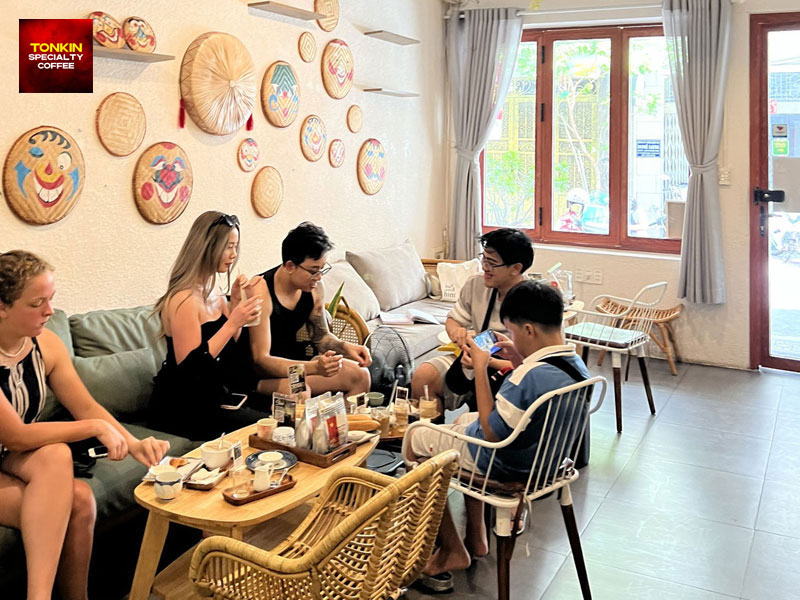
Nestled in the heart of Ho Chi Minh City, Tonkin Specialty Coffee is one of the best coffee shops to experience authentic Vietnamese flavors. From the iconic egg coffee and refreshing coconut coffee to bold Vietnamese coffee and the unique salt coffee, every sip is a journey into tradition. For non-coffee lovers, our Vietnamese matcha offers a gentle alternative. Pair your drink with a freshly baked banh mi or a buttery croissant, and savor the true taste of Vietnam in a setting inspired by folk culture and Indochine charm.