


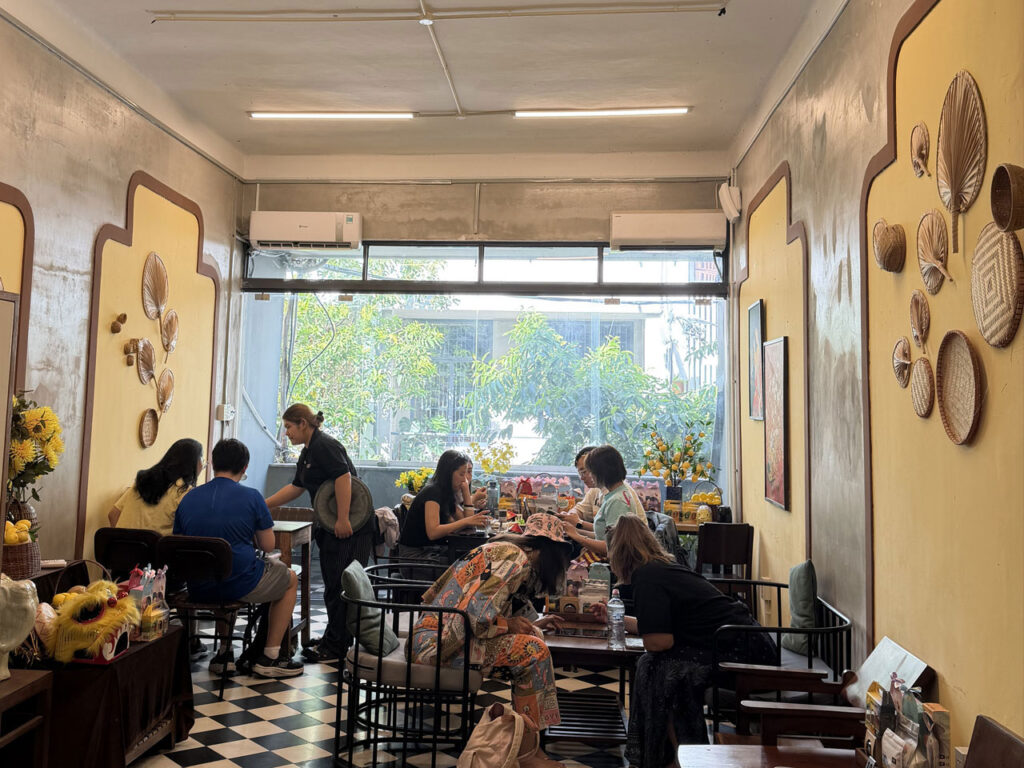
At Tonkin Coffee, Vietnamese coconut coffee hot or iced offers two distinct experiences from the same combination of espresso, creamy coconut milk, and coconut flakes. The iced version feels lighter and more refreshing in Saigon’s warm weather, while the hot version delivers a fuller texture and a more noticeable coconut aroma. This guide helps you choose the right serving style based on taste, weather, and your usual coffee preference.
Is Vietnamese Coconut Coffee Served Hot or Iced?
Vietnamese coconut coffee is served both hot and iced. Although the cold version is commonly associated with Vietnam’s tropical weather, the hot version is equally suitable for people who enjoy richer aromas and a slower café experience.
Iced coconut coffee is often chosen during warm afternoons or after walking around Ho Chi Minh City. Ice keeps the drink cool and gradually makes the texture lighter as it melts.
Hot coconut coffee offers a different experience. Without ice dilution, the coffee and coconut retain a stable texture from the first sip to the last. The warmth also makes the coconut aroma easier to notice.
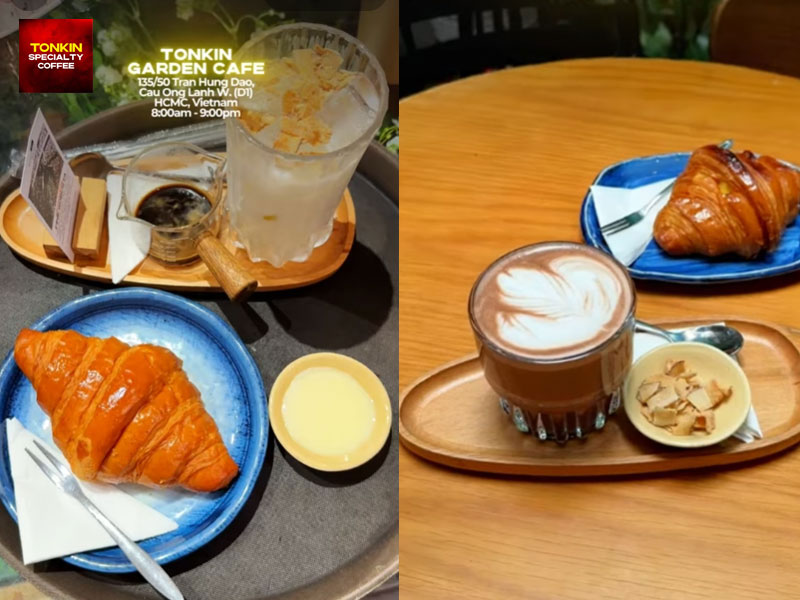
Neither version is more authentic than the other. They simply highlight different qualities of the same drink.
What Is the Difference Between Hot and Iced Coconut Coffee?
Temperature affects aroma, texture, sweetness, and the intensity of the coffee.
| Feature | Hot Coconut Coffee | Iced Coconut Coffee |
| Temperature | Warm and comforting | Cold and refreshing |
| Coconut aroma | More noticeable | Cleaner and lighter |
| Texture | Creamier and fuller | Lighter as the ice melts |
| Coffee intensity | Stable throughout | Stronger at first, softer later |
| Sweetness | Feels richer | Feels fresher and less heavy |
| Best occasion | Morning or rainy day | Warm afternoon or after walking |
The hot version tends to feel more like a coconut latte, although the espresso remains more pronounced than in many milk-based drinks. The iced version feels closer to an iced Vietnamese coffee with a smooth tropical finish.
The ingredients may be similar, but the drinking pace also changes the experience. A hot cup is usually enjoyed more slowly, while an iced drink can be refreshing from the first sip.
What Does Hot Vietnamese Coconut Coffee Taste Like?
Hot coconut coffee has a rounded and comforting taste. Warmth allows the coconut milk to release more aroma, making the drink feel richer even when the recipe contains the same amount of coconut as the iced version.
The absence of melting ice also keeps the texture consistent. Espresso remains present beneath the creamy coconut layer, while coconut flakes add a light toasted note and gentle texture.
This version is suitable for people who usually order hot lattes, cappuccinos, or other warm milk-based drinks. It also works well in the morning, during rainy weather, or when you want to sit and enjoy the drink slowly.
Some first-time visitors wonder does Vietnamese coconut coffee taste strongly of coconut. In the hot version, the aroma is clearer, but a balanced recipe should still allow the roasted coffee character to remain noticeable.
What Does Iced Vietnamese Coconut Coffee Taste Like?
Iced coconut coffee is cooler, smoother, and more refreshing. The first few sips often have a clear contrast between strong espresso and creamy coconut milk. As the ice melts, the drink becomes lighter and easier to drink.
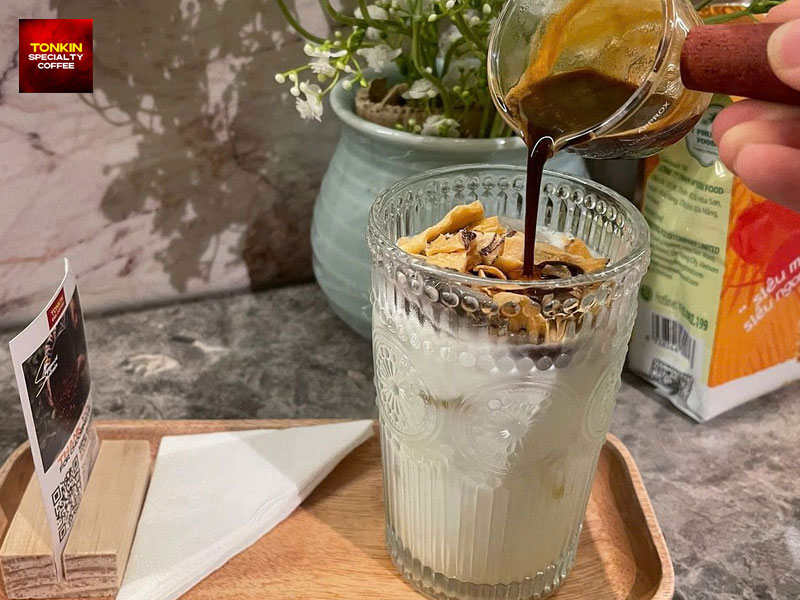
Cold temperature can make sweetness feel less intense, which is helpful for people who enjoy creamy coffee but do not want a heavy dessert-style drink. The coffee also feels less sharp because coconut milk softens the roasted notes.
A common concern is does coconut coffee still taste like coffee. It should, especially when the drink uses a strong espresso base. At Tonkin Coffee, the aim is to keep the coffee present rather than allowing the coconut layer to dominate the entire cup.
The iced version is particularly suitable after walking through central Saigon, visiting markets, or spending time outdoors in warm weather.
Is Hot or Iced Coconut Coffee Sweeter?
Neither version is automatically sweeter because the recipe can use the same level of sweetness. However, temperature changes how sweetness is perceived.
Hot coconut coffee often feels richer and sweeter because warmth enhances the aroma and creamy sensation of coconut milk. Iced coconut coffee may feel less sweet because cold temperature reduces sweetness perception, while melting ice gradually softens the overall flavor.
This distinction helps explain why people asking is Vietnamese coconut coffee sweet or bitter may receive different impressions depending on the serving style. A well-balanced cup is usually creamy and gently sweet, with enough espresso bitterness to prevent it from becoming flat.
Which Version Is Better for First-Time Drinkers?
For many first-time drinkers, iced coconut coffee is the easier introduction. It is cool, familiar, and similar in structure to an iced latte, while still carrying a clear Vietnamese coffee identity.
Choose the iced version if you:
- Usually order iced lattes or cold brew.
- Want a refreshing drink during warm weather.
- Prefer a lighter finish.
- Are not used to strong Vietnamese coffee.
- Plan to continue walking after your café break.
Choose the hot version if you:
- Prefer hot lattes or cappuccinos.
- Enjoy stronger coconut aroma.
- Want a fuller and creamier texture.
- Dislike drinks becoming diluted.
- Prefer to sit and enjoy coffee slowly.
First-time drinkers who want a broader description of aroma, sweetness, texture, and coffee strength can also read what does Vietnamese coconut coffee taste like before deciding.
Which Version Works Better with Food?
Hot coconut coffee pairs well with buttery and lightly sweet pastries. The warmth complements croissants, banana cake, madeleines, and other baked items without creating too much contrast.
Iced coconut coffee works well with savory snacks, bánh mì, light lunches, or tropical desserts. Its refreshing finish can balance foods that are salty, rich, or slightly spicy.
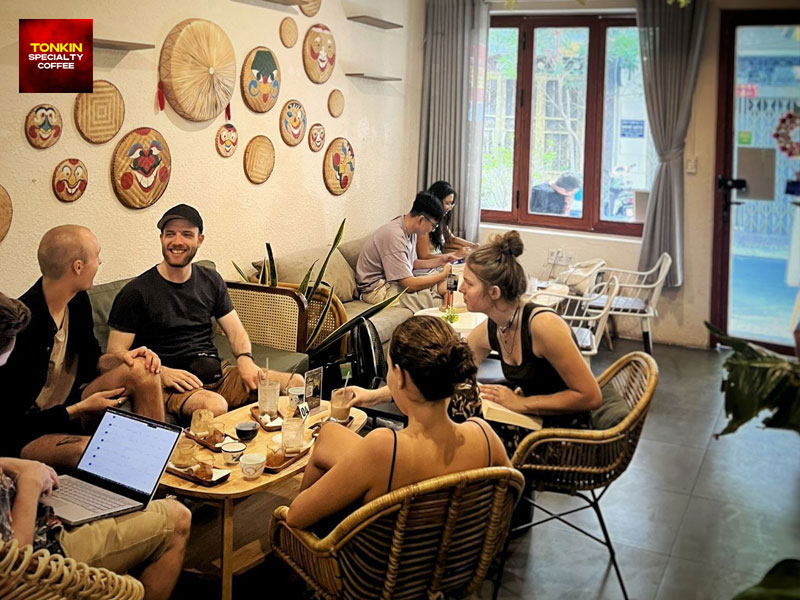
These pairings are suggestions rather than strict rules. The better combination depends on whether you prefer your coffee to support the food or act as the main flavor of the café break.
When Should You Order Hot or Iced Coconut Coffee in Saigon?
The iced version is usually the practical choice during the middle of the day. Ho Chi Minh City is often warm, and a cold coconut coffee can be especially satisfying after walking between Ben Thanh Market, Nguyen Hue Walking Street, the Saigon Opera House, or nearby museums.
The hot version is better suited to an early morning visit, a rainy afternoon, or a longer break in an air-conditioned café. It also allows more time to notice how the coconut aroma develops as the drink cools.
Travelers planning where to rest between attractions in central Saigon can choose the serving style based on their route. An iced cup offers a quick refreshment between stops, while a hot cup suits a slower pause before continuing the day.
How Does Tonkin Coffee Serve Coconut Coffee?
At Tonkin Coffee, Coconut Coffee combines espresso, coconut milk, and coconut flakes. Guests can order it hot or iced depending on their preference.
The hot version is designed to feel warm, aromatic, and creamy. The iced version is cooler and more refreshing while still preserving the espresso base.
Tonkin uses a coffee-forward approach, so the drink is not intended to taste like a coconut dessert with only a faint trace of coffee. Espresso provides structure, coconut milk softens the roasted flavor, and coconut flakes add aroma and texture.
Visitors can enjoy the drink at Tonkin Coffee locations in central Ho Chi Minh City, including branches near Ben Thanh Market, Nguyen Hue, Dong Khoi, Tao Dan Park, and other popular attractions.
So, Should You Choose Hot or Iced Coconut Coffee?
Choose iced Vietnamese coconut coffee when you want something cool, smooth, and refreshing. It is especially suitable for warm afternoons, walking itineraries, and people who normally enjoy iced milk coffee.
Choose hot coconut coffee when you want a stronger coconut aroma, a fuller texture, and a more relaxed café experience. It is a good option for mornings, rainy days, or anyone who usually prefers hot lattes.
There is no single best version. The hot and iced options simply reveal different sides of the same drink. At Tonkin Coffee, trying both is the easiest way to understand how temperature changes the balance between espresso, coconut milk, sweetness, and aroma.
Frequently Asked Questions
Is Vietnamese coconut coffee usually served cold?
It is commonly served cold because iced drinks suit Vietnam’s warm climate, but hot coconut coffee is also widely enjoyed.
Can coconut coffee be served hot?
Yes. Hot coconut coffee has a fuller texture and a more noticeable coconut aroma.
Does iced coconut coffee become watery?
It can become lighter as the ice melts, but a strong espresso base helps the coffee remain noticeable.
Which version is better in Ho Chi Minh City?
Iced coconut coffee is refreshing during warm afternoons, while the hot version is suitable for mornings, rainy weather, or a longer café break.
Can I try both versions at Tonkin Coffee?
Yes. Tonkin Coffee serves Coconut Coffee hot or iced, allowing guests to choose according to the weather and their preferred texture.
Visit Tonkin Coffee Today!
Tonkin Specialty Coffee
- Add: 91 Ly Tu Trong St., Ben Thanh Ward, Ho Chi Minh City, Vietnam.
- Hotline: 086 799 0125
Tonkin Garden Cafe
- Add: 135/50 Tran Hung Dao St., Cau Ong Lanh Ward, Ho Chi Minh City, Vietnam.
- Hotline: 087 992 4691
Tonkin Egg Coffee
- Add: 1 Le Thi Rieng St., Ben Thanh Ward, Ho Chi Minh City, Vietnam.
- Hotline: 0815 841 909
Tonkin Egg Coffee & Herbal Tea
- Add: 27 Ngo Duc Ke St., Sai Gon Ward, Ho Chi Minh City, Vietnam

Nestled in the heart of Ho Chi Minh City, Tonkin Specialty Coffee is one of the best coffee shops to experience authentic Vietnamese flavors. From the iconic egg coffee and refreshing coconut coffee to bold Vietnamese coffee and the unique salt coffee, every sip is a journey into tradition. For non-coffee lovers, our Vietnamese matcha offers a gentle alternative. Pair your drink with a freshly baked banh mi or a buttery croissant, and savor the true taste of Vietnam in a setting inspired by folk culture and Indochine charm.