


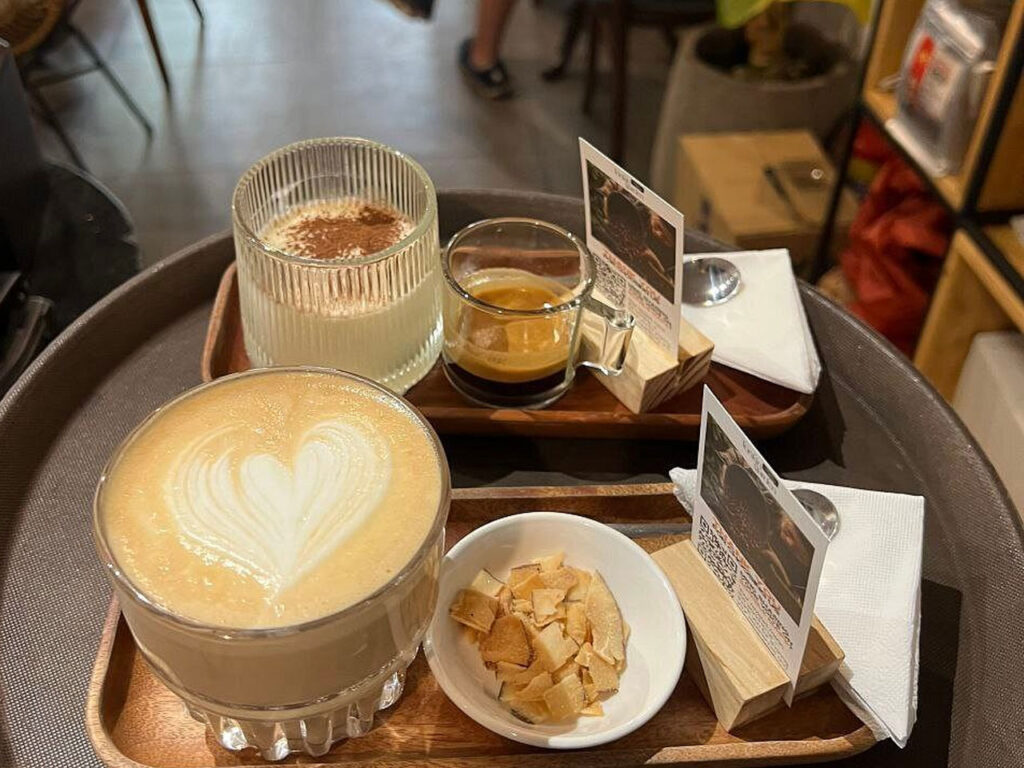
For first-time visitors, coconut coffee vs egg coffee for tourists is a useful comparison when choosing a local drink in Ho Chi Minh City. At Tonkin Coffee, egg coffee offers a creamy, dessert-like experience, while coconut coffee brings a cooler tropical flavor suited to warm days and active sightseeing.
What is the main difference between coconut coffee and egg coffee?
The clearest difference is the texture. Egg coffee combines espresso with a thick, chilled egg cream, while coconut coffee blends coffee with creamy coconut milk and coconut flakes.
| Feature | Egg coffee | Coconut coffee |
| Main character | Creamy and dessert-like | Tropical and coconut-forward |
| Texture | Thick, soft and layered | Creamy when hot, cooler and lighter when iced |
| Serving style at Tonkin Coffee | Served chilled | Available hot or iced |
| Sweetness | Gentle sweetness from egg cream | Mild coconut sweetness |
| Best for | A distinctive Vietnamese specialty | A warm or refreshing tropical drink |
| Ideal moment | A slower café break | Morning, rainy afternoon or hot-weather stop |
The comparison between egg coffee vs coconut coffee is not about choosing a universally better drink. Each option suits a different mood and reveals a different side of contemporary Vietnamese coffee culture.
What does egg coffee taste like to a first-time visitor?
Egg coffee tastes creamy, softly sweet and aromatic when the egg cream is prepared carefully. A well-made version should not smell strongly of raw egg, and the coffee should remain noticeable beneath the cream.
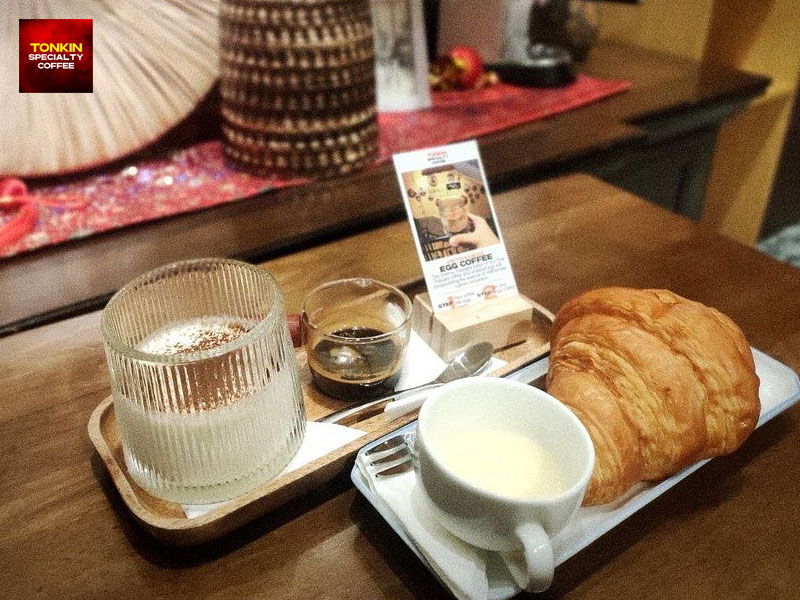
At Tonkin Coffee, the cream is prepared from fresh eggs, sugar and honey. A small amount of rum helps remove unwanted egg aroma while preserving the natural richness of the ingredients. Cocoa powder is added on top for a light chocolate note.
The mixture is blended thoroughly and kept cold. Even the serving glass is chilled to around 2°C, helping the cream maintain its soft, smooth texture in the warm climate of Ho Chi Minh City.
Each serving is paired with approximately 15 ml of espresso. Visitors can taste the cream first, then pour in the coffee gradually to notice how the flavor changes from sweet and creamy to aromatic, balanced and gently bitter.
Who is egg coffee best suited to?
Egg coffee is a good choice for travelers who enjoy:
- Custard, tiramisu or whipped desserts
- Creamy drinks rather than black coffee
- A layered tasting experience
- A specialty closely connected with Vietnamese café culture
- A slower break during a sightseeing day
The drink feels more substantial than a standard iced coffee, so it may also work as a small dessert.
What does coconut coffee taste like?
Coconut coffee combines coffee with smooth coconut milk and crisp coconut flakes. The result has a tropical aroma, gentle sweetness and a creamy texture that changes depending on whether the drink is served hot or iced.
Visitors often ask, Is coconut coffee sweet or refreshing? Coconut coffee can be both. The coconut milk adds mild sweetness, while the iced version feels especially refreshing in warm weather. The hot version is rounder and more comforting.
A balanced cup should still taste like coffee. Coconut milk should soften the flavor rather than cover it completely.
How does hot coconut coffee taste?
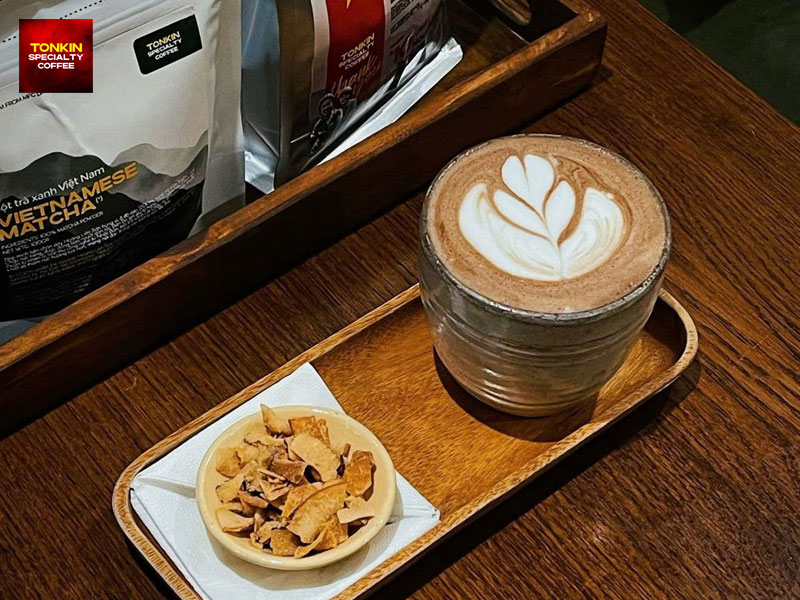
Hot coconut coffee highlights the aroma of roasted coffee and warm coconut milk. The higher temperature creates a fuller mouthfeel and brings the coconut fragrance forward.
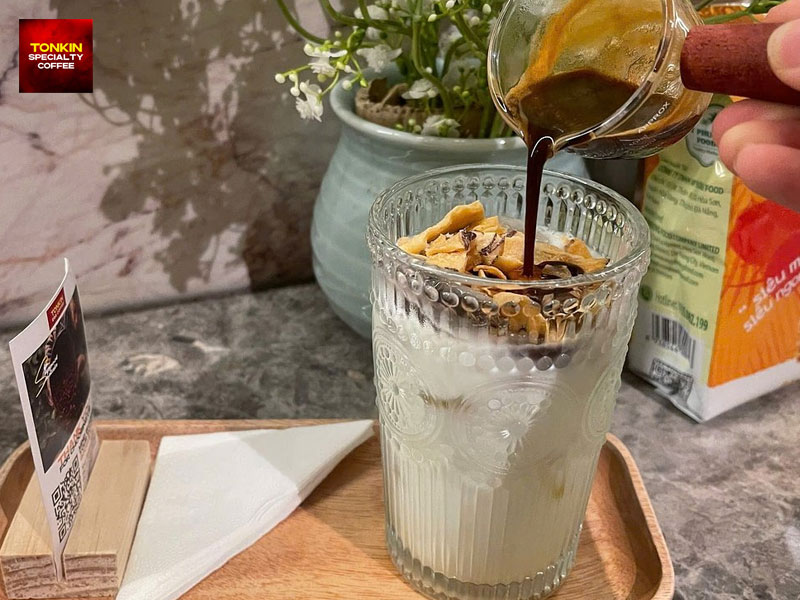
This version suits a relaxed morning, a rainy afternoon or travelers who usually prefer warm lattes. Coconut flakes add a light crunch and strengthen the tropical character of the drink.
How does iced coconut coffee taste?
Iced coconut coffee feels cooler and slightly lighter. Ice creates a cleaner finish, while coconut milk softens the coffee and makes the drink comfortable to sip during a warm afternoon.
The iced version is particularly suitable after walking around central Ho Chi Minh City. Visitors can also pair it with a sourdough croissant for a more substantial café stop.
How is coconut coffee usually prepared?
Preparation varies between cafés, but the basic approach combines coffee with coconut milk or coconut cream. The mixture may then be warmed, poured over ice or blended, depending on the serving style.
A typical coconut coffee Vietnam recipe may include espresso, coconut milk, ice and a small amount of sweetener. Some versions use condensed milk or thicker coconut cream, which can make the drink richer.
At Tonkin Coffee, Coconut Coffee – Cafe Sữa Dừa combines coffee, creamy coconut milk and coconut flakes. Both hot and iced versions retain the same tropical foundation while creating different drinking experiences.
Travelers who want to make coconut coffee at home should add coconut milk gradually and taste the drink before adding extra sugar. Too much coconut cream can make the coffee heavy, while too much ice can dilute its aroma.
Which drink is better in Ho Chi Minh City’s weather?
Iced coconut coffee is usually the most refreshing choice during a hot afternoon. The chilled texture works well after visiting markets, walking streets or riverfront attractions.
Hot coconut coffee is better for a slower morning or a rainy day. The warm version feels more comforting without losing the tropical coconut character.
Egg coffee at Tonkin Coffee is also suitable for warm weather because it is prepared and served cold. However, the egg cream makes the drink feel richer and more dessert-like than iced coconut coffee.
Choose iced coconut coffee when you want:
- A refreshing drink after walking
- A cool tropical flavor
- A lighter afternoon coffee
- Something easy to pair with food
Choose hot coconut coffee when you want:
- A warm and creamy drink
- A relaxed morning coffee
- A comforting option during rain
- A stronger coconut aroma
Choose egg coffee when you want:
- A more distinctive cultural experience
- A thick, chilled cream
- A layered drink that resembles dessert
- Time to enjoy the flavors slowly
Which drink tastes sweeter?
Sweetness depends on the recipe and personal taste. Egg coffee often feels rich because the cream contains egg, sugar and honey, even when the sweetness itself is moderate.
Vietnamese coconut coffee may seem naturally sweeter because coconut is often associated with tropical desserts. The iced and hot versions can taste different even when made from the same ingredients: warmth emphasizes creaminess, while ice creates a cleaner finish.
Neither drink should taste overwhelmingly sweet. At its best, sweetness supports the coffee rather than replacing it.
Which coffee should a first-time tourist order?
Egg coffee is the stronger choice for travelers who want a distinctive local specialty. The combination of chilled egg cream and espresso is less common outside Vietnam and creates a memorable first tasting.
Coconut coffee is easier for visitors who already enjoy coconut milk, iced lattes or tropical desserts. The hot and iced choices also make the drink flexible for different weather conditions.
Choose egg coffee if you prefer:
- A creamy, custard-like drink
- Several layers of flavor
- A specialty with a strong cultural identity
- A coffee that can double as dessert
Choose coconut coffee if you prefer:
- Coconut aroma
- A hot or iced option
- A smoother introduction to local coffee
- A drink suited to active sightseeing
Travel companions can order one of each and share. Tasting both side by side makes the differences in texture, temperature and aroma much clearer.
Can people who dislike black coffee enjoy these drinks?
Yes. Egg cream and coconut milk both soften the sharper qualities associated with plain coffee.
Egg coffee is likely to suit people who enjoy creamy desserts. Coconut coffee may feel more familiar to anyone who already drinks coconut-based beverages, smoothies or milk coffee.
The coffee flavor remains present in both drinks, but neither has the direct intensity of plain espresso or black coffee.
Visit Tonkin Coffee Today!
Tonkin Specialty Coffee
- Add: 91 Ly Tu Trong St., Ben Thanh Ward, Ho Chi Minh City, Vietnam.
- Hotline: 086 799 0125
Tonkin Garden Cafe
- Add: 135/50 Tran Hung Dao St., Cau Ong Lanh Ward, Ho Chi Minh City, Vietnam.
- Hotline: 087 992 4691
Tonkin Egg Coffee
- Add: 1 Le Thi Rieng St., Ben Thanh Ward, Ho Chi Minh City, Vietnam.
- Hotline: 0815 841 909
Tonkin Egg Coffee & Herbal Tea
- Add: 1st Floor, 27 Ngo Duc Ke St., Sai Gon Ward, Ho Chi Minh City, Vietnam
Nestled in the heart of Ho Chi Minh City, Tonkin Specialty Coffee is one of the best coffee shops to experience authentic Vietnamese flavors. From the iconic egg coffee and refreshing coconut coffee to bold Vietnamese coffee and the unique salt coffee, every sip is a journey into tradition. For non-coffee lovers, our Vietnamese matcha offers a gentle alternative. Pair your drink with a freshly baked banh mi or a buttery croissant, and savor the true taste of Vietnam in a setting inspired by folk culture and Indochine charm.