

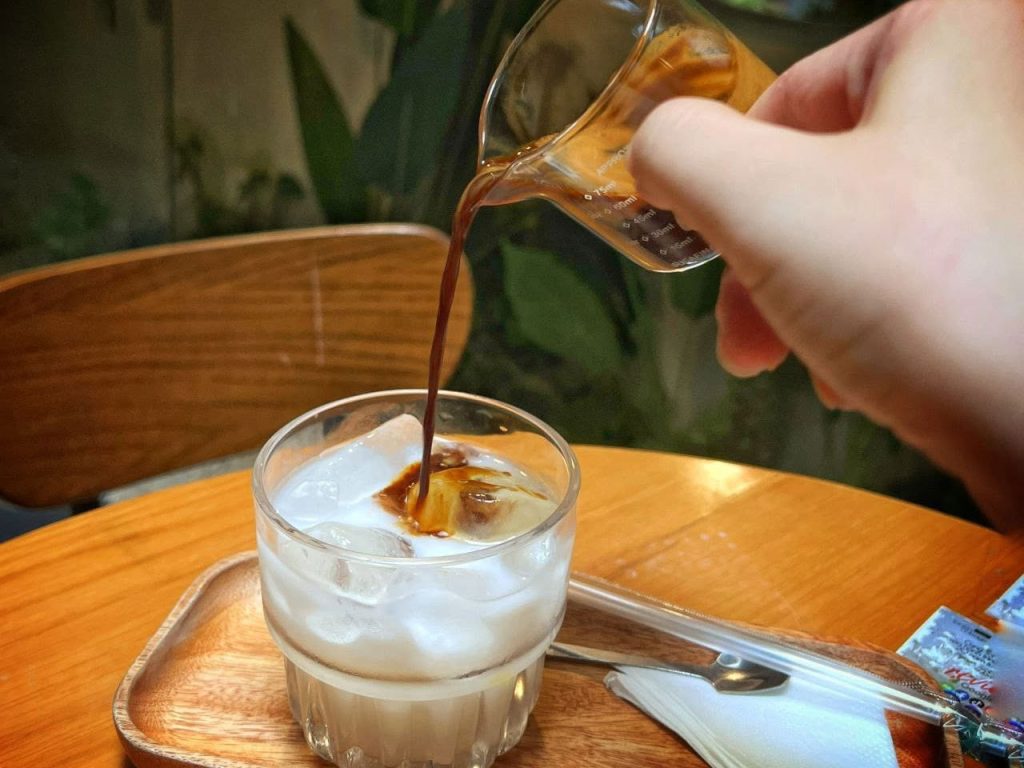
Vietnamese coffee stands out because the experience is shaped by more than strong beans. For travelers asking why is Vietnamese coffee unique, the answer lies in the combination of bold Robusta, slow phin brewing, condensed milk, creative drinks and a café culture built around taking time to enjoy the cup.
At Tonkin Coffee, these characteristics appear in different ways across Egg Coffee, Salt Coffee, Nâu Tonkin, Black Coffee and other Vietnamese-inspired drinks. Visitors can explore these flavors at four central Ho Chi Minh City branches, each connected to a different sightseeing route.
Why does Robusta play such an important role in Vietnamese coffee?
Robusta is one of the foundations of Vietnam’s coffee identity. Compared with many Arabica-focused cups, Robusta can bring a fuller body, more noticeable bitterness and a stronger roasted impression.
Why does Vietnamese Robusta taste so distinctive?
The answer is not simply “because it is bitter.” Good Robusta can show cocoa, roasted nuts, dark chocolate and spice, depending on cherry quality, processing and roasting.
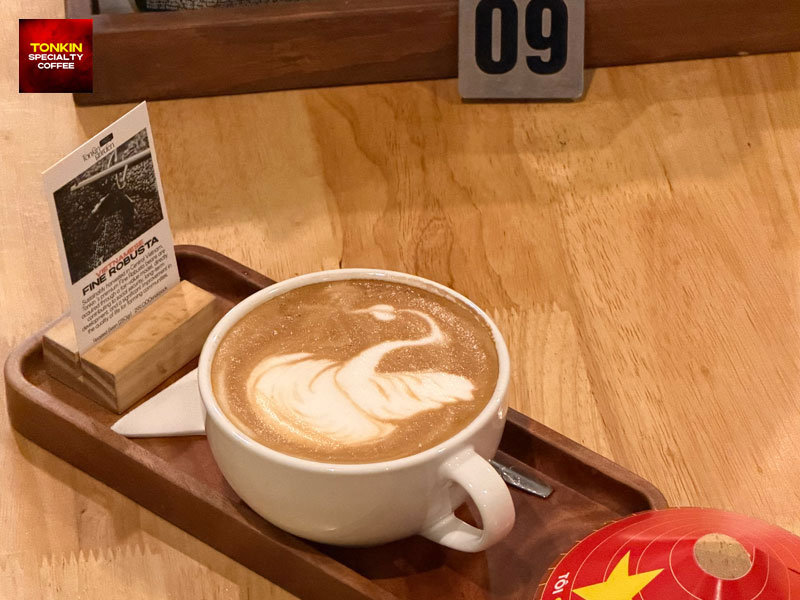
Its fuller structure also works well with condensed milk, cream and ice because the coffee character can remain noticeable even after other ingredients are added.
Does Vietnamese coffee have to use Robusta?
No. Vietnamese cafés also use Arabica and blends.
The broader question of What is Vietnamese coffee goes beyond one bean species. Vietnamese coffee is better understood as a combination of local coffee, brewing habits, recipes and café culture.
Why does Vietnamese coffee often feel stronger than other coffee?
Strength in Vietnamese coffee is partly about flavor perception. A concentrated serving, darker roast profile or Robusta-heavy blend can make a cup feel intense even before caffeine is considered.
Is the strong taste only caused by caffeine?
No. Perceived strength also depends on:
- coffee species;
- roast level;
- coffee-to-water ratio;
- extraction;
- serving size.
That is why a small cup can taste powerful without automatically meaning every Vietnamese coffee contains more caffeine than every other coffee.
Why does bold coffee work well with creamy recipes?
Vietnamese coffee often uses contrast. A strong base can hold its own against condensed milk, egg cream, salted cream or coconut.
This balance matters. If the base is too weak, the added ingredient can dominate the entire drink instead of complementing the coffee.
Why is the Vietnamese phin more than just a coffee filter?
The phin is a simple metal brewer, but its importance is cultural as well as technical. Hot water moves slowly through the coffee, allowing the drink to develop directly above the cup.
What makes phin brewing feel different?
The waiting is part of the experience. Instead of receiving a drink immediately, the coffee forms drop by drop.
That slower rhythm suits the way coffee is often enjoyed in Vietnam: sitting, talking, watching the street or taking a break rather than treating coffee only as quick fuel.
Does modern Vietnamese coffee still need a phin?
No. Espresso machines, cold brew and other modern brewing methods are now common.
Vietnamese identity can still remain through local beans, flavor preferences and drinks inspired by traditional café culture.
Why is condensed milk so closely associated with Vietnamese coffee?
Condensed milk creates a clear contrast with strong coffee. It adds sweetness, body and a smooth texture while softening bitterness.
Why does condensed milk work so well with concentrated coffee?
A bold coffee base and concentrated sweetness meet in the same cup. The result can feel richer than a conventional milk coffee while still retaining a recognizable roasted flavor.
This combination is one reason Vietnamese iced milk coffee has such a distinct identity.
Is every Vietnamese coffee sweet?
No. Black coffee can be served without milk or sugar, while Nâu Tonkin keeps the coffee more prominent than sweeter milk-forward drinks.
Vietnamese coffee culture includes a wide range of intensity and sweetness rather than one fixed taste.
Why does Vietnam have so many creative coffee drinks?
One of the most distinctive features of Vietnamese café culture is its willingness to adapt coffee to local ingredients and preferences.
What makes Egg Coffee so unusual?
Egg Coffee pairs strong coffee with whipped egg cream. The contrast is between a bold base and a soft, airy topping.
At Tonkin Coffee, the egg cream includes egg, sugar, honey, cream and a small amount of rum, creating a richer texture without turning the drink into a simple dessert.
Why does Salt Coffee work even though salt sounds unusual?
Salt Coffee is not supposed to taste like salty water. A lightly salted cream can reduce perceived bitterness and make sweetness feel more balanced.
The result is a sweet-savory profile in which the coffee still matters.
What does Coconut Coffee add to Vietnamese coffee culture?
Coconut brings tropical aroma, creaminess and a cooling character. It fits especially well with Vietnam’s warm climate and the popularity of iced drinks.
Why is Bạc Xỉu different from normal milk coffee?
Bạc Xỉu pushes the balance toward milk. The coffee becomes softer and lighter, making the drink easier for people who dislike strong bitterness.
Why is contrast such an important part of Vietnamese coffee flavor?
Many well-known Vietnamese drinks are built around contrast rather than sweetness alone.
| Coffee style | Main contrast |
| Black Coffee | bitterness + roasted aroma |
| Vietnamese Milk Coffee | strong coffee + condensed sweetness |
| Egg Coffee | bold coffee + airy cream |
| Salt Coffee | bitterness + sweet-savory cream |
| Coconut Coffee | roasted coffee + tropical creaminess |
| Bạc Xỉu | milk sweetness + gentle coffee bitterness |
Why does balance matter more than sweetness?
Added ingredients work best when they change the experience without making the coffee disappear.
A good Egg Coffee still tastes like coffee. A good Salt Coffee should still let the roasted base come through beneath the cream.
Why is Vietnamese coffee closely tied to everyday social life?
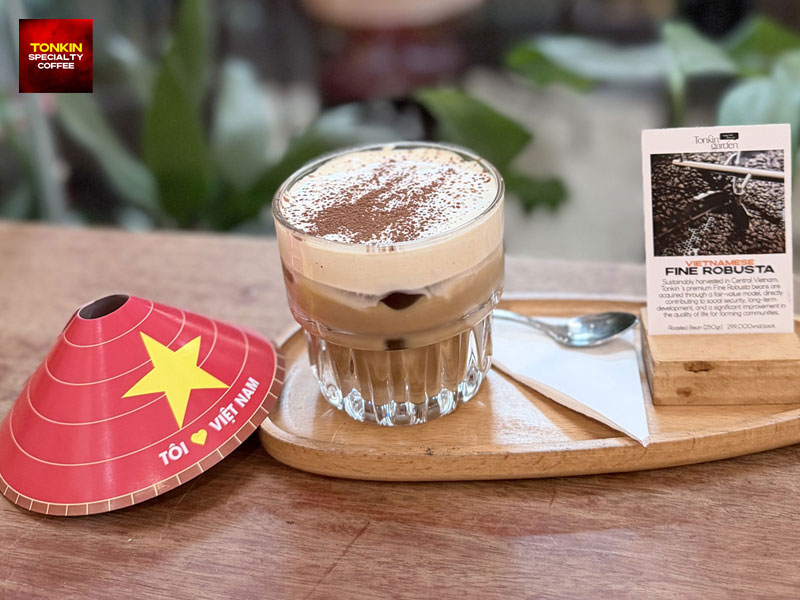
Vietnamese café culture is not built only around the drink. Cafés are places to meet, work, talk, watch traffic or simply sit for a while.
Why do people often spend longer in Vietnamese cafés?
Coffee can be part of a morning routine, an afternoon conversation or an evening break. The experience is often less rushed than takeaway-focused coffee culture.
That slower pace also explains why phin brewing feels natural in the Vietnamese context.
Why does café space matter as much as the drink?
Vietnamese coffee can be experienced in very different settings:
- sidewalk cafés;
- old-building cafés;
- garden cafés;
- modern specialty spaces.
The environment becomes part of the coffee memory.
How does Vietnam’s climate influence its coffee culture?
Vietnam’s warm and humid climate has helped shape the popularity of iced drinks, coconut-based recipes and refreshing non-coffee options.
Why is iced coffee so common?
Ice makes concentrated coffee easier to enjoy in hot weather. A strong base also retains flavor as the ice melts.
Why do cafés serve tea and fruit drinks alongside coffee?
Modern cafés increasingly serve mixed groups. Not everyone wants caffeine, and a broader menu makes café culture more social.
This is especially useful for travelers moving through Ho Chi Minh City in warm weather.
How does modern Vietnamese coffee keep changing without losing its identity?
Vietnamese coffee continues to evolve. Modern cafés can use espresso, cold brew or specialty roasting while still expressing local flavors and serving habits.
Can espresso still be part of Vietnamese café culture?
Yes. Brewing equipment alone does not define cultural identity.
A modern Vietnamese drink can use espresso while still featuring local beans, familiar ingredients and Vietnamese flavor preferences.
Why do modern cafés reinterpret traditional drinks?
New generations of coffee drinkers want both familiarity and variety. That encourages cafés to refine classics, adjust sweetness and explore better-quality beans without abandoning local recipes.
Which Vietnamese coffee style should travelers try first?
The best first choice depends on what you normally enjoy.
| If you want… | Try… |
| Strongest coffee character | Black Coffee |
| Classic sweet balance | Vietnamese Milk Coffee |
| Creamy texture | Egg Coffee |
| Sweet-savory contrast | Salt Coffee |
| Milk-forward taste | Bạc Xỉu |
| Tropical character | Coconut Coffee |
Should first-time visitors start with the strongest coffee?
Not necessarily. If you usually drink latte, starting with Egg Coffee, Bạc Xỉu or Nâu Tonkin may be more enjoyable than forcing yourself through the strongest black coffee.
Once you know the style you like, learning how to drink Vietnamese coffee can help you notice the differences between layered cream drinks, condensed-milk coffee and traditional black coffee more clearly.
How can travelers experience these differences at Tonkin Coffee?
Tonkin Coffee has four central Ho Chi Minh City branches, each fitting a different sightseeing route.
| Tonkin Coffee branch | Address | Best-matched route |
| Tonkin Specialty Coffee | 91 Ly Tu Trong | Ben Thanh Market, Independence Palace, Ho Chi Minh City Museum |
| Tonkin Garden Cafe | 135/50 Tran Hung Dao | Bui Vien, Pham Ngu Lao, quieter garden break |
| Tonkin Egg Coffee | 1 Le Thi Rieng | Tao Dan, Egg Coffee-focused visit |
| Tonkin Egg Coffee & Herbal Tea | 27 Ngo Duc Ke | Nguyen Hue, Dong Khoi, Bitexco, Opera House, Saigon River |
Which branch fits central historic sightseeing?
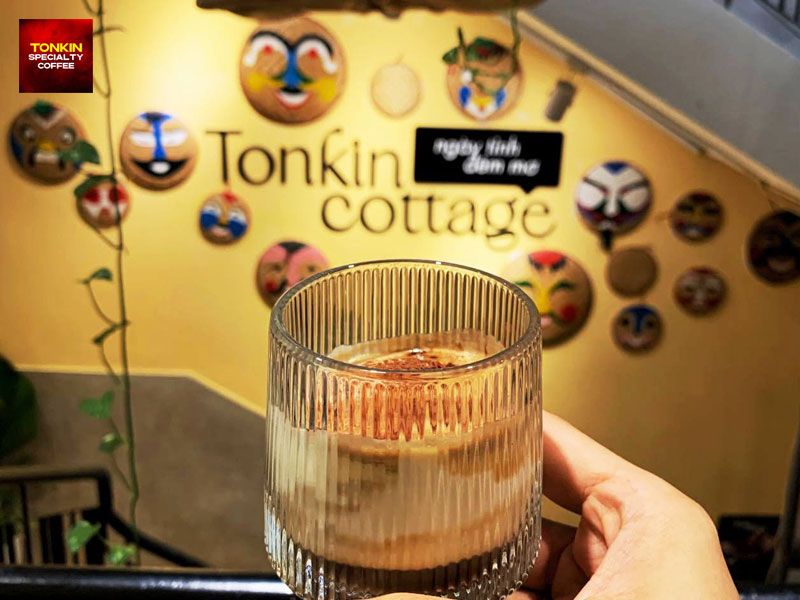
Tonkin Specialty Coffee at 91 Ly Tu Trong works naturally with Ben Thanh Market, Independence Palace and Ho Chi Minh City Museum. Its folk-inspired interior also adds another layer of Vietnamese cultural context.
Which branch suits a slower break near Bui Vien?
Tonkin Garden Cafe at 135/50 Tran Hung Dao offers greenery and a quieter garden atmosphere, making it useful after the busier backpacker area.
Which branch is most convenient for an Egg Coffee-focused stop?
Tonkin Egg Coffee at 1 Le Thi Rieng is a straightforward choice for visitors exploring Tao Dan and the surrounding central area.
Which branch fits Nguyen Hue and the Saigon River?
Tonkin Egg Coffee & Herbal Tea at 27 Ngo Duc Ke connects naturally with Nguyen Hue, Dong Khoi, Bitexco, the Opera House and the riverfront.
What should international travelers know before trying Vietnamese coffee?
Vietnamese coffee can be stronger, sweeter or creamier than expected. The easiest approach is to choose according to your usual taste rather than trying to find the single “most authentic” drink.
Keep three things in mind:
- strong flavor does not automatically mean the highest caffeine;
- authentic Vietnamese coffee does not require one fixed recipe;
- check egg, dairy or coconut ingredients if you have dietary restrictions.
At Tonkin Coffee, travelers can compare several Vietnamese coffee styles in one menu, from Black Coffee and Nâu Tonkin to Egg Coffee and Salt Coffee. Vietnamese coffee is unique because it combines strong coffee, flexible brewing, bold flavor contrasts and a deeply social café culture. The real difference is not one bean, one filter or one famous drink, but the way all of those elements continue to evolve together.
Visit Tonkin Coffee Today!
Tonkin Specialty Coffee
- Add: 91 Ly Tu Trong St., Ben Thanh Ward, Ho Chi Minh City, Vietnam.
- Hotline: 086 799 0125
Tonkin Garden Cafe
- Add: 135/50 Tran Hung Dao St., Cau Ong Lanh Ward, Ho Chi Minh City, Vietnam.
- Hotline: 087 992 4691
Tonkin Egg Coffee
- Add: 1 Le Thi Rieng St., Ben Thanh Ward, Ho Chi Minh City, Vietnam.
- Hotline: 0815 841 909
Tonkin Egg Coffee & Herbal Tea
- Add: 27 Ngo Duc Ke St., Sai Gon Ward, Ho Chi Minh City, Vietnam
