


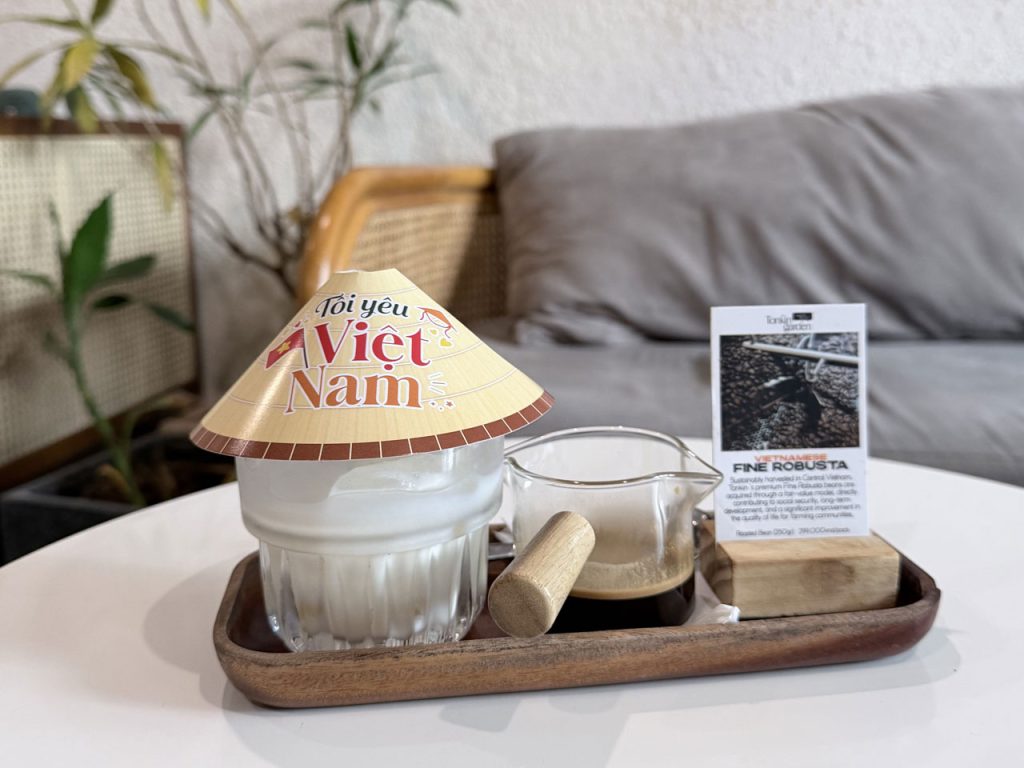
Vietnamese coffee is more than a strong cup made with condensed milk. For travelers asking what is Vietnamese coffee, the answer includes locally grown beans, slow phin brewing, black coffee, milk coffee and creative drinks such as Egg Coffee, Salt Coffee and Coconut Coffee.
At Tonkin Coffee, visitors can explore these styles across four central Ho Chi Minh City branches. Each location fits a different sightseeing route, making it easier to connect Vietnamese coffee culture with Ben Thanh Market, Bui Vien, Tao Dan, Nguyen Hue, Bitexco and the Saigon River.
What does Vietnamese coffee actually mean?
Vietnamese coffee can describe several things at once: coffee grown in Vietnam, coffee brewed using local methods and drinks shaped by Vietnamese café culture. That is why two cups labeled “Vietnamese coffee” can taste completely different.
Is Vietnamese coffee a type of coffee bean?
Not exactly. Vietnam is strongly associated with Robusta, but Vietnamese coffee is not the name of a botanical species.
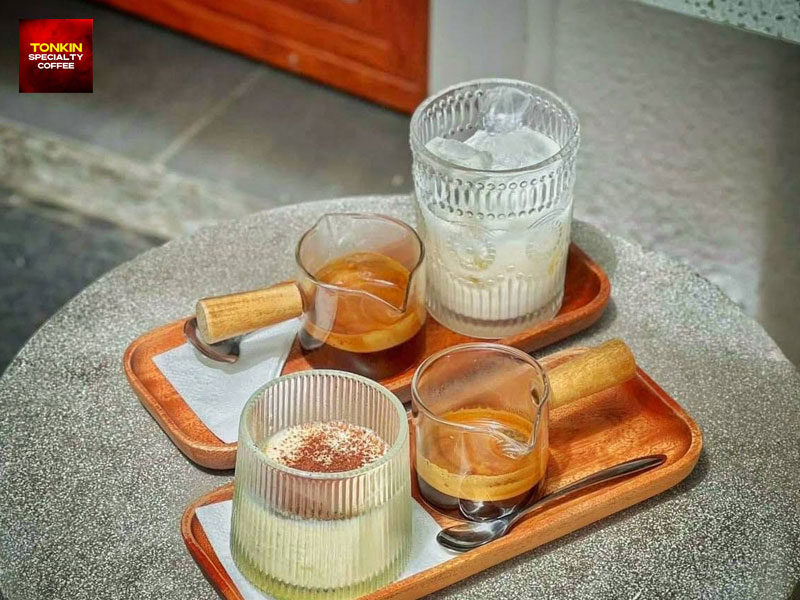
A cup may use Robusta, Arabica or a blend. The final character also depends on roast level, extraction method, sweetness and whether milk, cream or other ingredients are added.
Is Vietnamese coffee a brewing method?
Vietnamese coffee is not limited to one brewing method either. The metal phin filter is one of the most recognizable methods, but modern cafés also use espresso machines, cold brew and other brewing techniques.
A useful way to understand Vietnamese coffee is to separate it into three layers:
- Coffee origin – where the beans are grown.
- Brewing method – phin, espresso or another extraction style.
- Drink recipe – black coffee, milk coffee, Egg Coffee, Salt Coffee and more.
What makes Vietnamese coffee taste different?
Vietnamese coffee is often described as bold because many traditional cups emphasize body, roast character and concentrated coffee flavor. However, not every Vietnamese drink is bitter or intense.
Why does Vietnamese coffee often taste strong?
Robusta plays an important role in Vietnamese coffee culture. It can produce a fuller body, more noticeable bitterness and a stronger roasted impression than many Arabica-focused coffees.
The strength a traveler perceives also depends on serving size, extraction and sweetness. For a deeper explanation of why is Vietnamese coffee so strong, it helps to look at both the coffee species and the way the drink is prepared.
Is all Vietnamese coffee bitter?
No. The range is surprisingly broad.
Black coffee is usually the most coffee-forward, while milk-based drinks soften the bitterness. Bạc Xỉu is especially milk-forward, while Egg Coffee brings a creamy texture and Salt Coffee adds a gentle savory contrast.
How is traditional Vietnamese coffee brewed?
The phin is one of the most recognizable tools in Vietnamese coffee culture. It is a small metal brewer that sits directly on top of the cup and lets hot water pass slowly through ground coffee.
What is a Vietnamese phin filter?
A basic phin usually includes:
- a brewing chamber;
- a perforated base;
- a press or filter insert;
- a lid.
The brewing process is slower than espresso and gives the drink a steady, concentrated character.
How does phin coffee differ from espresso?
| Feature | Vietnamese Phin | Espresso |
| Extraction | Gravity drip | High pressure |
| Speed | Slower | Fast |
| Typical texture | Concentrated and steady | Dense and intense |
| Common serving | Black or with condensed milk | Espresso-based drinks |
| Experience | Slow café ritual | Quick extraction |
Traditional brewing does not mean every Vietnamese café must use a phin. Contemporary coffee shops often combine local flavor ideas with modern equipment.
What are the most common Vietnamese coffee drinks?
The easiest way for a traveler to understand Vietnamese coffee is to compare actual drinks rather than focus only on beans.
What is Vietnamese black coffee?
Vietnamese black coffee is the most direct expression of the coffee itself. It may be served hot or over ice and contains no milk.
The flavor is usually more roasted and intense than sweeter milk-based options.
What is Vietnamese milk coffee?
Vietnamese milk coffee combines coffee with sweetened condensed milk. When served with ice, it is commonly known as cà phê sữa đá.
Condensed milk adds sweetness, body and a creamy finish that balances the stronger coffee underneath.
What is Bạc Xỉu?
Bạc Xỉu shifts the balance toward milk. It is sweeter and softer than a typical Vietnamese milk coffee, making it approachable for travelers who normally prefer mild café drinks.
What is Egg Coffee?
Egg Coffee combines strong coffee with a whipped egg-based cream. The top layer is smooth and rich, while the coffee underneath keeps the drink from tasting like a simple dessert.
What is Salt Coffee?
Salt Coffee uses a lightly salted cream to balance sweetness and bitterness. The result is not aggressively salty; the salt mainly changes the way the coffee and cream are perceived.
What is Coconut Coffee?
Coconut Coffee brings a tropical character to Vietnamese café culture. Coconut milk or coconut cream softens the coffee and creates a refreshing drink that works especially well in warm weather.
Which Vietnamese coffee should first-time travelers try?
There is no single correct first cup. Choosing by familiar taste is much easier than ordering by reputation alone.
| If you usually like… | Try… |
| Espresso or black coffee | Vietnamese Black Coffee |
| Latte or milk coffee | Nâu Tonkin |
| Sweet, milky drinks | Bạc Xỉu |
| Creamy desserts | Egg Coffee |
| Sweet-savory flavors | Salt Coffee |
| Tropical drinks | Coconut Coffee |
What if you do not like bitter coffee?
Start with Bạc Xỉu, Egg Coffee or Coconut Coffee. These drinks soften the coffee with milk, cream or coconut while still keeping a Vietnamese identity.
What if you still want the coffee to remain obvious?
Nâu Tonkin or black coffee makes more sense. Nâu Tonkin keeps the drink smooth but lets the coffee remain noticeable.
For travelers choosing between Tonkin’s main signature drinks, which Tonkin signature coffee should you try is easier to answer by matching the drink to your usual preference rather than assuming one option suits everyone.
How should Vietnamese coffee be drunk?
There is no strict ritual, but a few simple habits make the differences between drinks easier to notice.
Should Vietnamese milk coffee be stirred?
Yes, if condensed milk is sitting at the bottom of the cup. Stirring combines the sweetness with the stronger coffee above.
You can also stir gradually if you prefer to control the sweetness.
Should Egg Coffee be mixed immediately?
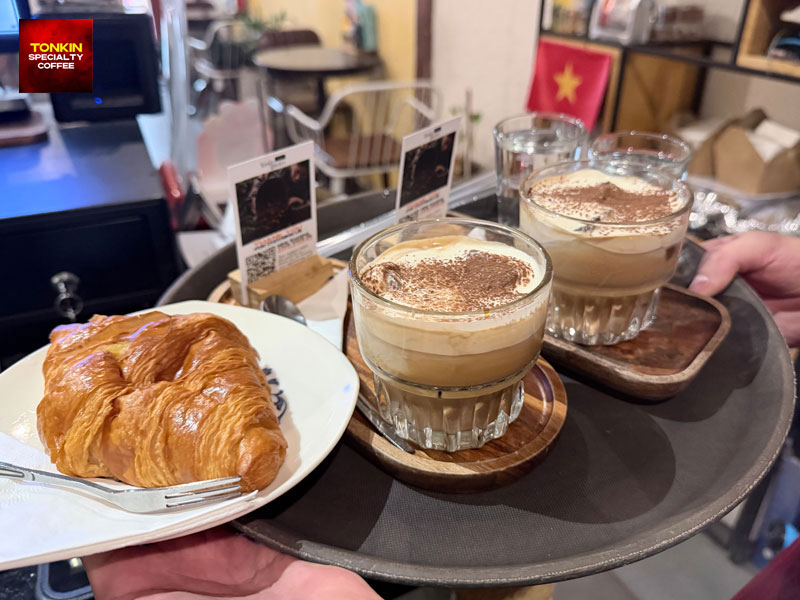
Not necessarily. A good first approach is to taste the cream, then sip the coffee underneath, and finally combine the layers.
This makes the contrast between texture, sweetness and bitterness easier to recognize.
Is Vietnamese coffee better hot or iced?
Both styles are common. Iced coffee is especially practical in Ho Chi Minh City’s warm climate, while hot versions can make creamy drinks such as Egg Coffee feel richer.
Why is condensed milk so common in Vietnamese coffee?
Condensed milk adds more than sweetness. It also increases body and creates a smooth texture that can soften a concentrated coffee base.
Does every Vietnamese coffee contain condensed milk?
No.
Black Coffee contains no milk. Egg Coffee uses a separate cream layer, Salt Coffee has its own cream structure, and Coconut Coffee relies on coconut components.
This is why “Vietnamese coffee” should not be treated as a synonym for condensed milk coffee.
How is modern Vietnamese coffee different from traditional coffee?
Vietnamese café culture continues to evolve. Phin coffee remains important, but contemporary cafés also use espresso, cold brew, specialty beans and new ingredient combinations.
Are Egg Coffee and Salt Coffee traditional or modern?
Both are rooted in Vietnamese café culture, but recipes vary by region and café. Modern shops often reinterpret familiar flavors rather than follow one fixed formula.
At Tonkin Coffee, this approach appears in a menu that moves from Black Coffee and Bạc Xỉu to Egg Coffee, Salt Coffee, Nâu Tonkin and other modern drinks.
If you want a quick comparison of the main signature choices, best signature coffee at Tonkin Coffee is best understood as a taste comparison rather than a universal ranking.
Where can travelers experience Vietnamese coffee at Tonkin Coffee?
Tonkin Coffee has four locations in central Ho Chi Minh City. The most practical choice depends on the sightseeing route rather than traveling across District 1 just for one café.
| Tonkin Coffee branch | Address | Best-matched sightseeing route |
| Tonkin Specialty Coffee | 91 Ly Tu Trong | Ben Thanh Market, Independence Palace, Ho Chi Minh City Museum |
| Tonkin Garden Cafe | 135/50 Tran Hung Dao | Bui Vien, Pham Ngu Lao, quieter garden break |
| Tonkin Egg Coffee | 1 Le Thi Rieng | Tao Dan, Egg Coffee-focused stop |
| Tonkin Egg Coffee & Herbal Tea | 27 Ngo Duc Ke | Nguyen Hue, Dong Khoi, Bitexco, Opera House, Saigon River |
Which branch works well near Ben Thanh Market?
Tonkin Specialty Coffee at 91 Ly Tu Trong fits naturally into a central sightseeing route that also includes Ben Thanh Market and Independence Palace.
Which branch suits a quieter break near Bui Vien?
Tonkin Garden Cafe at 135/50 Tran Hung Dao offers a slower garden atmosphere that works well after walking through the busier backpacker area.
Which branch fits Nguyen Hue and the Saigon River?
Tonkin Egg Coffee & Herbal Tea at 27 Ngo Duc Ke is convenient for Nguyen Hue, Bitexco, Dong Khoi and the riverfront. The broader menu also works well for groups with different drink preferences.
What should travelers know before ordering Vietnamese coffee?
Vietnamese coffee can be sweeter, stronger or creamier than visitors expect, so ordering by flavor preference is often easier than choosing the most famous drink.
Before ordering, keep three things in mind:
- ask about sweetness if you prefer less sugar;
- check dairy, egg or coconut ingredients if you have dietary restrictions;
- remember that “Vietnamese coffee” covers many recipes, not one fixed cup.
Why is Vietnamese coffee part of the travel experience?
Coffee in Vietnam is not only about caffeine. A café stop can be a chance to cool down after sightseeing, watch street life, talk with friends and experience a slower part of the city’s daily rhythm.
At Tonkin Coffee, that experience becomes easier to understand through different styles such as black coffee, milk coffee, Egg Coffee and Salt Coffee. The real appeal is not just choosing between Robusta and Arabica or learning how a phin works, but seeing how traditional and modern drinks all fit into the same living coffee culture.
Visit Tonkin Coffee Today!
Tonkin Specialty Coffee
- Add: 91 Ly Tu Trong St., Ben Thanh Ward, Ho Chi Minh City, Vietnam.
- Hotline: 086 799 0125
Tonkin Garden Cafe
- Add: 135/50 Tran Hung Dao St., Cau Ong Lanh Ward, Ho Chi Minh City, Vietnam.
- Hotline: 087 992 4691
Tonkin Egg Coffee
- Add: 1 Le Thi Rieng St., Ben Thanh Ward, Ho Chi Minh City, Vietnam.
- Hotline: 0815 841 909
Tonkin Egg Coffee & Herbal Tea
- Add: 27 Ngo Duc Ke St., Sai Gon Ward, Ho Chi Minh City, Vietnam
