


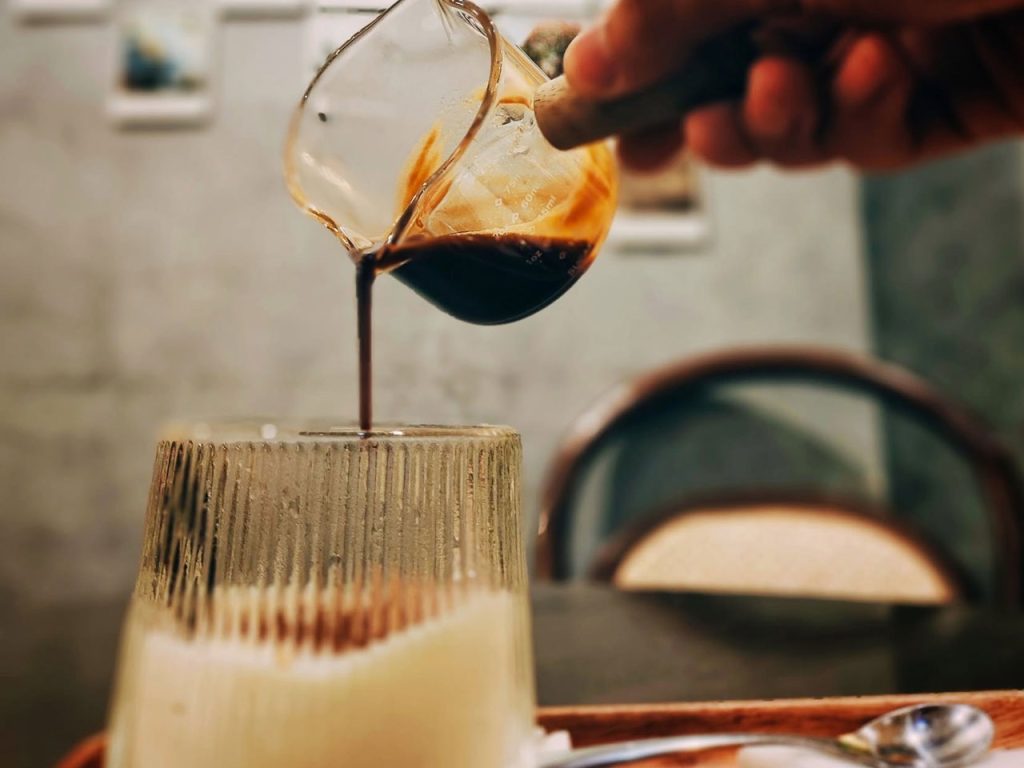
Not all Robusta coffee delivers the same experience. At Tonkin Coffee, carefully sourced Vietnamese Fine Robusta highlights how better harvesting, processing and roasting can create a cleaner, smoother and more balanced cup. Understanding Fine Robusta vs regular Robusta helps coffee drinkers recognize why two beans from the same species can differ so much in sweetness, bitterness, body and overall flavor.
What Is the Main Difference Between Fine Robusta and Regular Robusta?
The main difference is not the coffee species itself but the standard of production. Fine Robusta is handled with greater attention from harvest to roasting, while regular commercial Robusta may be produced primarily for consistency, volume and cost efficiency.
Are Fine Robusta and regular Robusta different coffee species?
In most cases, both come from Coffea canephora, commonly known as Robusta. Fine Robusta is therefore not a completely separate botanical variety.
The distinction is better understood as a quality pathway. Producers aiming for Fine Robusta usually pay more attention to cherry ripeness, sorting, fermentation, drying and defect reduction before the beans reach the roaster.
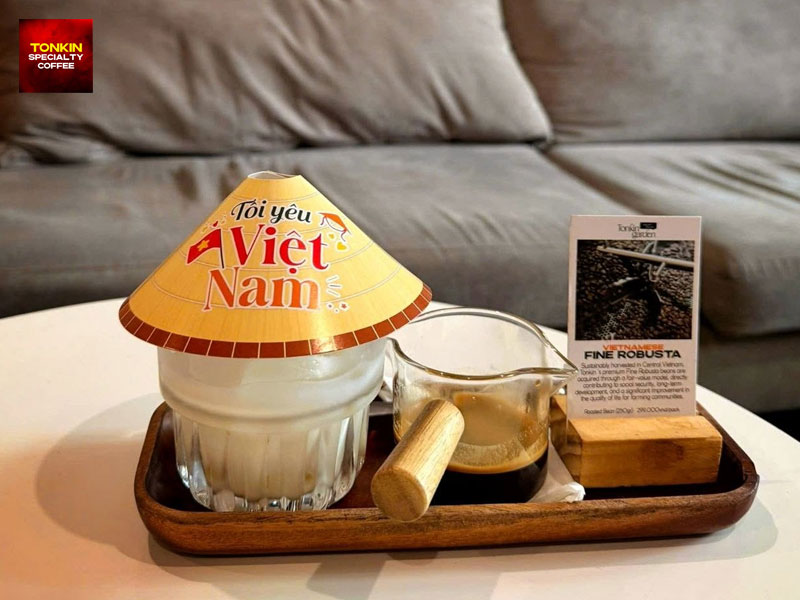
For readers who want a deeper explanation of what is fine robusta coffee, the difference becomes clearer when cultivation and post-harvest handling are considered together.
Why does quality control matter?
Coffee cherries picked at the right stage of ripeness have better potential for sweetness and flavor development. Removing defective cherries also reduces the risk of unpleasant woody, musty or excessively bitter characteristics.
Fine Robusta production therefore focuses on preserving desirable characteristics rather than simply maximizing output.
How Does Fine Robusta Taste Compared With Regular Robusta?
Fine Robusta usually tastes cleaner, smoother and more layered. Regular Robusta can still produce an enjoyable cup, but commercial-grade examples are more likely to emphasize heavy bitterness, roast flavor or a dry finish. Fine Robusta retains intensity while making chocolate, nuts, caramel and subtle spice easier to recognize.
Is Fine Robusta less bitter?
Fine Robusta is not necessarily low in bitterness. Robusta naturally has an assertive structure, and that characteristic remains part of the coffee.
The difference is balance. Better sweetness, cleaner processing and a smoother finish can prevent bitterness from dominating the entire cup.
Anyone curious about what does robusta coffee taste like will notice that high-quality Robusta can express much more than a single bitter note.
Does regular Robusta always taste harsh?
No. Regular Robusta is not automatically poor coffee.
However, less selective harvesting, inconsistent processing or very dark roasting can make defects and bitterness more obvious. The quality of the raw coffee and the skill of the roaster matter as much as the species name on the bag.
Which flavors are common in Fine Robusta?
A well-produced Fine Robusta can show:
- Dark chocolate and cocoa
- Toasted or roasted nuts
- Caramel-like sweetness
- Subtle spice
- A creamy, full body
- A long but relatively clean finish
Depending on origin and processing, slight fruit-like sweetness may also appear.
How Do Fine Robusta and Regular Robusta Compare Side by Side?
The clearest differences appear in production standards and cup clarity rather than in botanical identity.
| Comparison point | Fine Robusta | Regular Robusta |
| Coffee species | Usually Coffea canephora | Usually Coffea canephora |
| Cherry selection | More selective | Often volume-focused |
| Processing | Closely controlled | More standardized or variable |
| Defect control | Stricter | Variable |
| Bitterness | Strong but balanced | Can feel rougher |
| Sweetness | More noticeable | Often less apparent |
| Body | Full and creamy | Full and heavy |
| Flavor clarity | Higher | Often roast-dominant |
| Common notes | Chocolate, nuts, caramel, spice | Earthy, woody, strongly roasted |
| Finish | Cleaner and smoother | Can be drier or harsher |
Fine Robusta and regular Robusta therefore exist on a quality spectrum. A carefully handled regular Robusta can outperform a poorly processed premium-labelled coffee, so farming and processing practices remain essential.
Why Does Processing Change Robusta Flavor So Much?
Processing influences how much of the coffee cherry’s natural sweetness and clean flavor reaches the cup. Selective picking, controlled fermentation and stable drying can reduce defects while allowing the bean’s natural chocolate, nutty and caramel characteristics to remain more distinct.
How does selective harvesting improve Fine Robusta?
Ripe cherries contain more developed sugars than immature fruit. Harvesting selectively therefore creates better raw material before fermentation even begins.
Removing underripe or damaged cherries also improves consistency between individual beans.
How does fermentation affect Robusta flavor?
After coffee cherries are harvested, fermentation can be used during processing to break down the fruit material surrounding the beans and influence flavor development. When carefully controlled, fermentation can improve sweetness, clarity and complexity. Poorly managed fermentation, however, may create sour, overly alcoholic or unpleasant flavors.
Why is drying important?
Coffee must dry evenly and at a controlled pace. Stable drying helps protect flavor and reduces the risk of mold, unwanted fermentation or inconsistent moisture.
These steps explain why two coffees from the same species and region can taste dramatically different.
Does Roasting Reduce the Difference Between Fine and Regular Robusta?
Very dark roasting can make the two coffees taste more similar because roast character begins to dominate the bean itself. Smoke, carbon-like bitterness and heavy roasted flavors can hide distinctions created during farming and processing.
Can dark roasting hide coffee quality?
Yes. When coffee is roasted too dark, subtle sweetness and origin characteristics become harder to detect.
A balanced roast allows Fine Robusta to retain its full body while preserving chocolate, nutty and caramel notes.
Why should Fine Robusta still taste bold?
The goal of Fine Robusta is not to imitate Arabica. Its natural intensity remains an important part of the experience.
A successful roast makes that strength feel structured and expressive rather than coarse.
Why Does Fine Robusta Work Well in Vietnamese Coffee?
Fine Robusta has enough body and flavor intensity to remain noticeable in both black coffee and recipes containing richer ingredients. This makes the coffee particularly suitable for espresso, condensed milk, egg cream, coconut and salted cream.
Why does Fine Robusta work well as espresso?
Espresso concentrates the coffee’s body, aroma and aftertaste. Fine Robusta can create a dense cup with pronounced chocolate and nutty notes without requiring sweetness from other ingredients.
Espresso is also one of the most direct ways to compare Fine Robusta with a more commercial Robusta.
Why does Fine Robusta pair well with egg coffee?
Egg coffee contains a silky, sweet cream that can easily overwhelm a light coffee base. Fine Robusta provides enough structure to remain recognizable underneath that layer.
Chocolate and roasted-nut characteristics create contrast with the cream, while balanced bitterness prevents the drink from becoming overly sweet.
Why Is Vietnamese Fine Robusta Receiving More Attention?
Vietnamese growers have increasingly focused on selective harvesting, fermentation control, careful drying and better defect management. These methods allow Robusta to express greater clarity without removing the strength that defines the species.

The development is also changing how visitors understand coffee culture in Saigon for tourists. Vietnamese coffee is no longer only about strong traditional recipes; it can also offer a closer look at origin, processing and bean quality.
Fine Robusta provides a distinct kind of complexity. Rather than copying the floral or fruity profile often associated with Arabica, it can deliver chocolate, nuts, sweetness and a creamy body in its own way.
What Fine Robusta Does Tonkin Coffee Use?
Tonkin Coffee uses Fine Robusta from Gia Lai in Vietnam’s Central Highlands, sourced through direct relationships with local growers. The coffee is selected to preserve Robusta’s bold identity while producing a cleaner profile with dark chocolate, toasted nuts, caramel and subtle spice.
How does Tonkin preserve the bean’s character?
Quality begins with sourcing, but roasting and extraction determine how clearly that quality appears in the cup.
Tonkin focuses on brewing consistency so that the coffee’s full body remains present without allowing excessive bitterness to dominate. Espresso and Vietnamese black coffee reveal this profile most directly.
Which Tonkin drinks offer a softer introduction?
Egg coffee, salt coffee and coconut coffee give first-time Robusta drinkers a creamier introduction. The Fine Robusta base remains noticeable because its body and roasted flavors can hold their own against richer ingredients.
That combination helps explain why Tonkin can sit comfortably among popular cafes among tourists and locals in Saigon without relying only on novelty drinks.
Where Can Travelers Try Fine Robusta at Tonkin Coffee?
Tonkin Coffee has four central Ho Chi Minh City locations, each offering a different setting for experiencing Vietnamese Fine Robusta. Visitors can choose a coffee-focused tasting, a garden break, an egg coffee experience or a convenient stop near major downtown landmarks.
Tonkin Specialty Coffee – 91 Ly Tu Trong Street
Address: 91 Ly Tu Trong Street, Ben Thanh Ward, Ho Chi Minh City.
This branch is well suited to visitors who want to focus on the coffee itself. Espresso provides one of the clearest ways to identify Fine Robusta’s full body, balanced bitterness and chocolate-forward profile.
Tonkin Garden Cafe – 135/50 Tran Hung Dao Street
Address: 135/50 Tran Hung Dao Street, Ben Thanh Ward, Ho Chi Minh City.
The garden setting suits a slower coffee break, with a calmer atmosphere for enjoying Fine Robusta through black coffee or richer Vietnamese drinks.
Tonkin Egg Coffee – 1 Le Thi Rieng Street
Address: 1 Le Thi Rieng Street, Ben Thanh Ward, Ho Chi Minh City.
This location is particularly suitable for comparing bold espresso with creamy egg coffee. The contrast shows how Fine Robusta maintains its coffee character beneath the sweet egg cream.
Tonkin Egg Coffee & Herbal Tea – 27 Ngo Duc Ke Street
Address: 1st Floor, 27 Ngo Duc Ke Street, Sai Gon Ward, Ho Chi Minh City.
Located on the first floor of a historic villa near Nguyen Hue Walking Street, Bitexco Financial Tower and the Saigon riverfront, this branch fits naturally into a downtown walking route. Egg coffee provides an approachable way to experience Fine Robusta with a richer, creamier texture.
Visit Tonkin Coffee Today!
Tonkin Specialty Coffee
- Add: 91 Ly Tu Trong St., Ben Thanh Ward, Ho Chi Minh City, Vietnam.
- Hotline: 086 799 0125
Tonkin Garden Cafe
- Add: 135/50 Tran Hung Dao St., Cau Ong Lanh Ward, Ho Chi Minh City, Vietnam.
- Hotline: 087 992 4691
Tonkin Egg Coffee
- Add: 1 Le Thi Rieng St., Ben Thanh Ward, Ho Chi Minh City, Vietnam.
- Hotline: 0815 841 909
Tonkin Egg Coffee & Herbal Tea
- Add: 27 Ngo Duc Ke St., Sai Gon Ward, Ho Chi Minh City, Vietnam

Nestled in the heart of Ho Chi Minh City, Tonkin Specialty Coffee is one of the best coffee shops to experience authentic Vietnamese flavors. From the iconic egg coffee and refreshing coconut coffee to bold Vietnamese coffee and the unique salt coffee, every sip is a journey into tradition. For non-coffee lovers, our Vietnamese matcha offers a gentle alternative. Pair your drink with a freshly baked banh mi or a buttery croissant, and savor the true taste of Vietnam in a setting inspired by folk culture and Indochine charm.