

Not every strong cup of coffee reflects the same level of quality. Learning how to tell if Robusta coffee is high quality means looking beyond bitterness and paying attention to aroma, sweetness, body, flavor clarity and the finish that remains after each sip.
For travelers exploring Vietnamese coffee in Ho Chi Minh City, these details make the experience far more interesting. At Tonkin Coffee, Fine Robusta from Gia Lai is used to highlight the bold character of Vietnamese coffee while keeping the cup smooth, balanced and clearly defined.
What Does High-Quality Robusta Taste Like?
A good Robusta keeps the naturally bold character of the species while removing much of the roughness associated with poorly handled coffee. Expect a dense body, noticeable bitterness and relatively low perceived acidity, but also enough sweetness and aroma to make the cup feel balanced rather than flat.
Which Flavors Are Positive Signs?
Quality Robusta does not need exotic fruit or floral notes to be impressive. Its strengths often lie in darker, warmer flavors such as:
- Dark chocolate and cocoa
- Roasted or toasted nuts
- Caramel and brown sugar
- Warm spice
- Toasted grain
- Occasional dried-fruit sweetness depending on processing
Understanding the typical robusta coffee flavor profile helps because strong coffee should still contain recognizable flavors. When every sip tastes only smoky, burnt or bitter, roast intensity may be masking the character of the beans.
Should Good Robusta Still Taste Bitter?
Yes. Bitterness is a natural part of Robusta, and removing it completely would also remove part of the coffee’s identity.
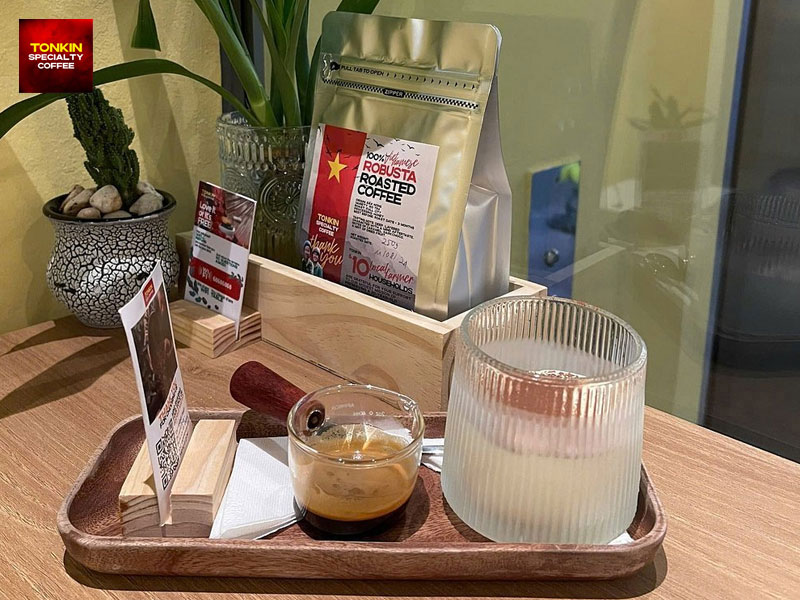
The useful question is whether bitterness feels controlled. Dark-chocolate bitterness that works with sweetness and body can be pleasant. An ashy, medicinal or mouth-drying bitterness that dominates long after swallowing is less desirable.
How Can You Judge Robusta Quality in the Cup?
The cup itself remains one of the most practical quality checks. Travelers do not need professional cupping equipment; paying attention to aroma, the first unsweetened sip and the finish already reveals a great deal.
What Should You Notice Before Adding Milk or Sugar?
Smell the coffee first. Fresh Robusta should have an identifiable roasted aroma rather than smelling stale or overwhelmingly smoky.
Then take a small sip before adding condensed milk or sweetener. Look for three elements working together:
| Quality clue | Better Robusta | Lower-quality impression |
| Aroma | Cocoa, nuts, caramel, spice | Stale, musty, burnt |
| Bitterness | Firm but controlled | Sharp or aggressive |
| Body | Full and smooth | Rough or muddy |
| Sweetness | Noticeable underneath roast | Almost absent |
| Finish | Clean and persistent | Burnt, dry or unpleasant |
This simple comparison is especially useful in Vietnam, where coffee may be served black, with condensed milk, with egg cream or in other rich preparations.
Why Does the Finish Matter?
The aftertaste often reveals what sweetness can hide. Better Robusta may leave lingering cocoa, roasted nuts or caramel even after its initial bitterness fades.
Poorly processed or over-roasted coffee can leave the mouth unusually dry, smoky or harsh. A clean finish does not mean the coffee disappears quickly; it means the flavors that remain are pleasant and clearly defined.
Which Factors Before Roasting Affect Robusta Quality?
Quality begins long before beans reach a café. Cherry maturity, sorting, processing, drying and storage can all influence the final cup, and roasting cannot completely repair defects created earlier in the supply chain.
Why Are Ripe Coffee Cherries Important?
Ripe cherries generally contain better-developed sugars. Careful harvesting and sorting can therefore contribute to greater sweetness, cleaner flavors and more consistency.

Large quantities of underripe or damaged cherries may introduce vegetal, sharp or overly bitter characteristics. This is one reason two coffees grown in the same region can taste very different.
How Does Processing Change the Result?
After harvest, producers must remove or dry the fruit around the coffee seed while controlling fermentation and moisture. Natural, washed and other processing approaches can produce different sensory results, but careful execution matters more than simply choosing a fashionable method.
Better processing tends to create:
- Cleaner flavor separation
- More predictable sweetness
- Fewer fermented or musty defects
- Better consistency between cups
This production-focused approach is central to understanding what is fine robusta coffee. Fine Robusta is not another coffee species; the term reflects greater attention to cultivation, harvesting, defect control, processing and sensory quality.
Can Bean Appearance and Roasting Reveal Quality?
Bean appearance provides clues, but appearance alone cannot confirm quality. Relatively consistent beans with fewer obvious defects are encouraging, while extensive breakage, insect damage or highly uneven roasting can suggest less careful handling.
Does a Very Dark Roast Mean Better Robusta?
No. Dark roasting can suit Robusta, but darker is not automatically better.
An extremely dark roast may create a strong impression while covering both desirable origin character and undesirable defects. Thoughtful roasting should preserve Robusta’s body and chocolate-like depth without reducing every flavor to smoke and ash.
This distinction matters when discussing is robusta coffee stronger than arabica. Strength can refer to caffeine, bitterness, body or perceived intensity, but none of those measures alone determines quality.
Does Robusta Need to Taste Like Arabica to Be Premium?
Not at all. The two species have different sensory strengths.
A typical robusta coffee vs arabica taste comparison shows Robusta tending toward heavier body, stronger bitterness and darker chocolate or nut notes, while many Arabicas lean toward brighter acidity, fruit or floral aromas.
High-quality Robusta should therefore be judged as Robusta, not as an attempt to imitate Arabica.
How Can Travelers Identify Better Robusta at a Café?
A café visit offers useful clues beyond the drink itself. A coffee-focused team should generally be able to explain where the beans come from, how the coffee is roasted and what flavors the brew is intended to express.
What Questions Are Worth Asking?
You do not need technical coffee vocabulary. Simple questions work well:
- Where is the Robusta grown?
- Is the coffee locally sourced in Vietnam?
- What flavors should I expect?
- Is the roast designed for espresso or Vietnamese coffee?
- Can I taste the coffee without milk or sugar first?
For travelers, trying the same coffee in more than one preparation can also be revealing. Black coffee exposes clarity and finish most directly, while egg coffee shows whether the coffee has enough structure to remain noticeable beneath a rich topping.
Where Can Travelers Experience Fine Robusta at Tonkin Coffee?
Tonkin Coffee uses Vietnamese Fine Robusta from Gia Lai in the Central Highlands, with a cup character built around dark chocolate, roasted nuts, caramel and subtle spice. The coffee remains bold and full-bodied while aiming for a smoother, cleaner finish.
Which Tonkin Coffee Location Should You Visit?
Travelers staying in central Ho Chi Minh City can choose among several District 1 locations.
Tonkin Specialty Coffee at 91 Ly Tu Trong Street is the flagship and places Vietnamese coffee inside an atmosphere inspired by folk culture and Indochine design. Traditional masks, artwork and warm interiors make the stop feel connected to Vietnamese culture rather than just another café break.
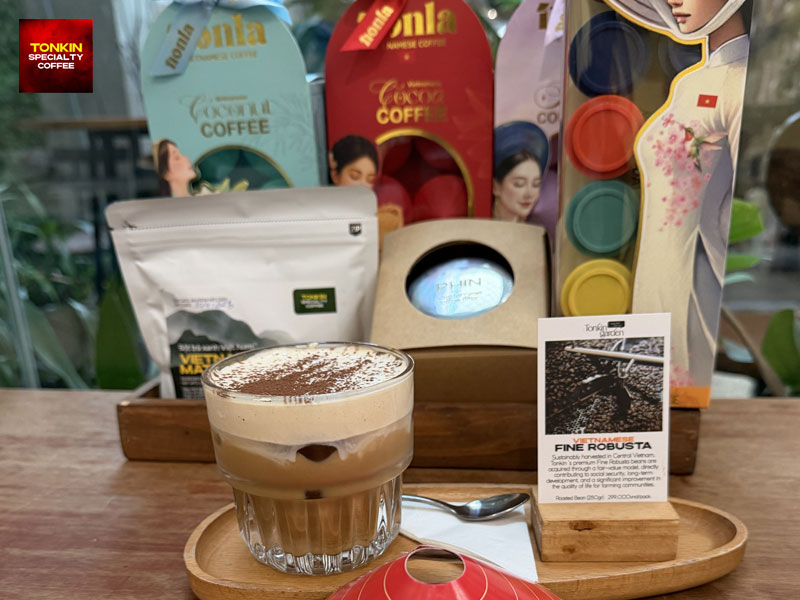
Tonkin Garden Cafe, at 135/50 Tran Hung Dao Street, offers a quieter garden-style setting inside an alley, while Tonkin Egg Coffee at 1 Le Thi Rieng Street works well for travelers who want to experience Fine Robusta through one of Vietnam’s most recognizable coffee drinks.
Near Nguyen Hue Walking Street and the Saigon River, Tonkin Egg Coffee & Herbal Tea at 27 Ngo Duc Ke provides another central option for combining Vietnamese coffee with a slower break between sightseeing stops.
What Is the Easiest Way to Recognize Good Robusta?
The simplest rule is to judge balance rather than intensity. Good Robusta can be strong, bitter and full-bodied while still tasting clean, sweet and clearly defined.
Remember these signs:
- Clear chocolate, cocoa, nut or caramel aromas
- Controlled bitterness
- Natural sweetness beneath the roast
- Dense but comfortable body
- No dominant musty, rubbery or burnt defects
- A clean, pleasant aftertaste
- Traceable origin and thoughtful processing
Vietnam is one of the best places to discover how varied Robusta can be. Tasting a carefully produced cup at Tonkin Coffee gives travelers a practical reference point: Robusta does not have to lose its strength to become refined. The best examples simply make that strength cleaner, smoother and more expressive.
Visit Tonkin Coffee Today!
Tonkin Specialty Coffee
- Add: 91 Ly Tu Trong St., Ben Thanh Ward, Ho Chi Minh City, Vietnam.
- Hotline: 086 799 0125
Tonkin Garden Cafe
- Add: 135/50 Tran Hung Dao St., Cau Ong Lanh Ward, Ho Chi Minh City, Vietnam.
- Hotline: 087 992 4691
Tonkin Egg Coffee
- Add: 1 Le Thi Rieng St., Ben Thanh Ward, Ho Chi Minh City, Vietnam.
- Hotline: 0815 841 909
Tonkin Egg Coffee & Herbal Tea
- Add: 27 Ngo Duc Ke St., Sai Gon Ward, Ho Chi Minh City, Vietnam
Nestled in the heart of Ho Chi Minh City, Tonkin Specialty Coffee is one of the best coffee shops to experience authentic Vietnamese flavors. From the iconic egg coffee and refreshing coconut coffee to bold Vietnamese coffee and the unique salt coffee, every sip is a journey into tradition. For non-coffee lovers, our Vietnamese matcha offers a gentle alternative. Pair your drink with a freshly baked banh mi or a buttery croissant, and savor the true taste of Vietnam in a setting inspired by folk culture and Indochine charm.