

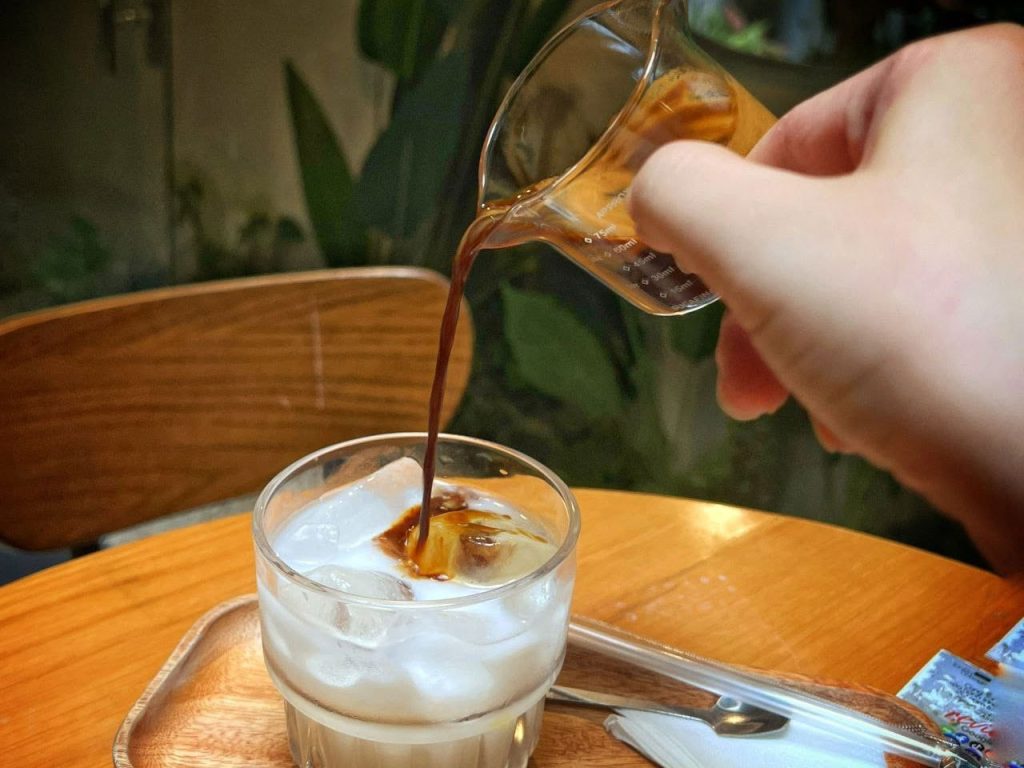
Vietnamese coffee is known for its intensity, but the flavor of Robusta is more complex than simple bitterness. At Tonkin Coffee, carefully sourced Fine Robusta from Gia Lai reveals a fuller spectrum of dark chocolate, toasted nuts, caramel and subtle spice. Understanding what does Robusta coffee taste like helps first-time drinkers recognize the difference between natural intensity, balanced bitterness and the harshness sometimes associated with lower-quality beans.
What Does Robusta Coffee Taste Like in the Cup?
Robusta has a strong sensory presence. The aroma is often deep and roasted, the first sip feels substantial, and the finish can remain on the palate longer than many lighter coffees. Quality matters, however: carefully handled Robusta can taste structured and smooth rather than simply bitter.
What aromas are common in Robusta coffee?
A brewed Robusta may release aromas associated with cocoa, dark chocolate, toasted nuts, wood or warm spice. Some coffees can also show caramel-like sweetness, especially when ripe coffee cherries are processed carefully and the roast preserves rather than masks the bean’s character.
The aroma changes with roast level. A darker roast generally emphasizes chocolate and roasted tones, while a controlled medium roast may allow more sweetness and individual flavor notes to remain noticeable.
What does the first sip of Robusta feel like?
The first impression is usually intensity. Robusta tends to have a fuller body and lower perceived acidity than many Arabica coffees, creating a dense, rounded mouthfeel.
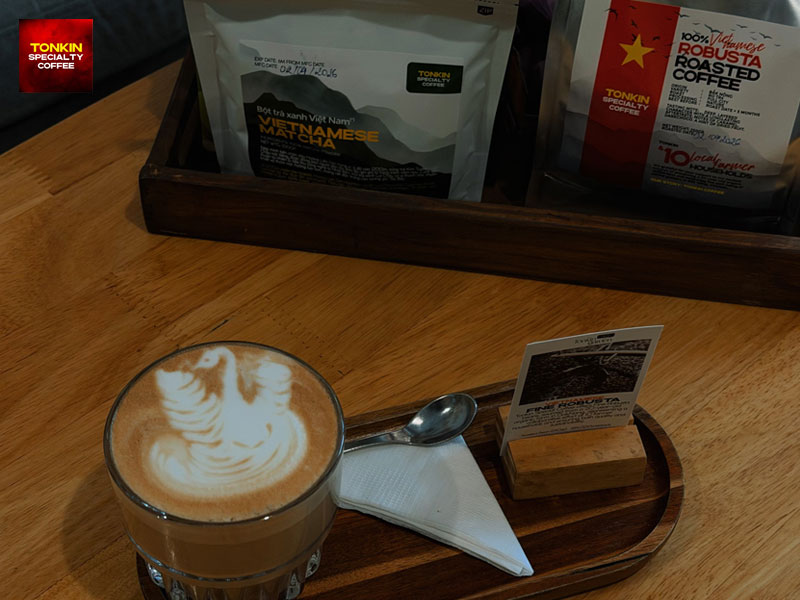
Bitterness is also more prominent, but strong flavor should not automatically be interpreted as poor quality. A balanced Robusta can feel powerful while remaining smooth and pleasant.
What aftertaste does Robusta leave?
A good Robusta often finishes with cocoa, roasted nuts, dark chocolate or spice. The aftertaste may remain longer than the bright, clean finish associated with some Arabica coffees.
Poor-quality beans or excessive roasting, by contrast, can leave a dry, burnt or rough sensation.
Which Flavors Are Most Common in Robusta Coffee?
Robusta does not have one fixed flavor. Origin, cherry quality and production methods create significant variation, but several characteristics appear frequently enough to provide a useful starting point.
| Flavor element | Typical Robusta character |
| Bitterness | Noticeable to pronounced |
| Acidity | Usually low |
| Body | Full, dense and rounded |
| Sweetness | Low to moderate |
| Chocolate notes | Cocoa and dark chocolate |
| Nut notes | Roasted or toasted nuts |
| Other notes | Earthy, woody or subtle spice |
| Finish | Long and roasted |
These descriptions should be treated as tendencies rather than rules. Fine-quality lots can taste much cleaner and sweeter than the stereotypical harsh Robusta associated with inexpensive commercial coffee.
Is Robusta Coffee Always Bitter and Harsh?
Robusta naturally tends to express stronger bitterness than Arabica, but bitterness and harshness are not the same characteristic. Well-grown, carefully processed and properly brewed Robusta can retain its intensity while offering a balanced mouthfeel, noticeable sweetness and a clean finish.
Why does Robusta naturally taste more bitter?
Robusta has a naturally assertive composition, including a higher caffeine level than Arabica. Together with its dense body and relatively low perceived acidity, that structure makes bitterness easier to notice.
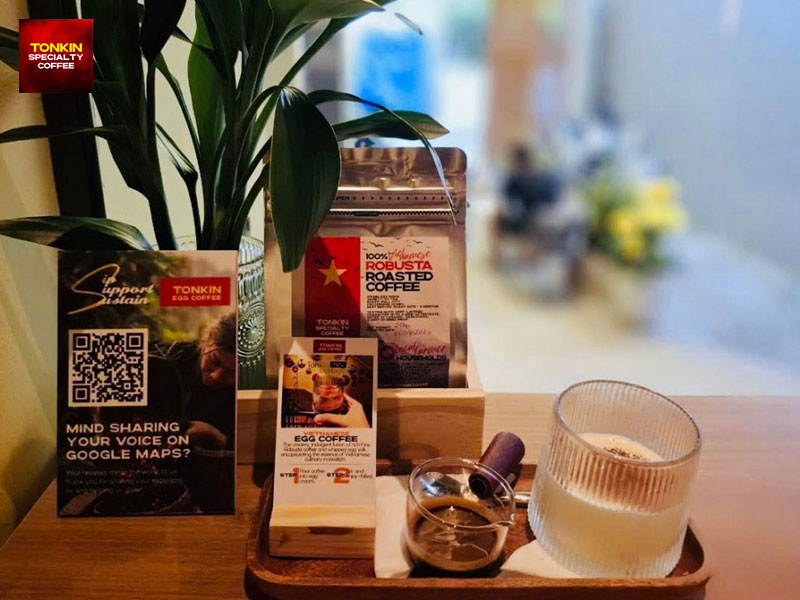
For people accustomed to light-roasted Arabica, the difference can initially feel dramatic. Espresso drinkers and people who enjoy dark chocolate may find the same intensity familiar.
When does Robusta taste burnt or unpleasant?
Burnt flavor is not an unavoidable feature of Robusta. Unripe cherries, inconsistent processing, excessive roasting and over-extraction can all create unpleasant bitterness.
This distinction matters because Robusta bitterness can be a desirable part of the flavor structure, while burnt or aggressively rough bitterness usually indicates problems elsewhere in the production or brewing process.
How Does Fine Robusta Change the Traditional Robusta Flavor?
Fine Robusta keeps the body and intensity associated with the species while improving clarity, sweetness and balance. Better cherry selection, careful fermentation, controlled drying and thoughtful roasting can reveal chocolate, nutty, caramel and spice notes without allowing rough bitterness to dominate.
What makes better processing easier to taste?
Careful processing can produce a cleaner cup with clearer flavor separation. Instead of tasting only roast and bitterness, the drinker may notice dark chocolate first, followed by toasted nuts, mild sweetness and a softer finish.
For readers who want to understand what is fine robusta coffee in greater detail, Tonkin Coffee explains how cultivation and post-harvest handling influence the final cup.
Does Fine Robusta still taste strong?
Yes. Fine Robusta does not remove the character that makes Robusta distinctive.
The objective is not to make Robusta resemble Arabica. Better production allows the coffee’s strength to become cleaner, smoother and more complex rather than aggressively bitter.
How Does Robusta Coffee Taste Compared With Arabica?
Robusta generally has a heavier body, more noticeable bitterness and deeper roasted flavors, while Arabica is more commonly associated with brighter acidity, fruit, flowers and a lighter finish. Individual coffees can differ considerably, so the comparison describes broad tendencies rather than strict flavor rules.
Is Robusta more bitter than Arabica?
In most direct comparisons, Robusta will present more bitterness. That intensity is one reason Robusta works particularly well in espresso and Vietnamese coffee drinks containing milk, egg cream or other rich ingredients.
Is Robusta less fruity than Arabica?
Robusta is generally less fruit-forward. Chocolate, nuts, roast and spice tend to be easier to recognize, while Arabica more frequently produces citrus, berry, floral or stone-fruit notes.
| Robusta | Arabica |
| Fuller body | Usually lighter body |
| Stronger bitterness | Usually softer bitterness |
| Lower perceived acidity | Often brighter acidity |
| Cocoa and roasted nuts | Fruit and floral notes |
| Long, heavy finish | Cleaner or brighter finish |
Why Can Two Robusta Coffees Taste Completely Different?
Growing conditions, cherry ripeness, processing, roasting and brewing can change Robusta dramatically. Two cups made from the same coffee species may therefore taste very different, even when both are technically Robusta.
How do processing and roasting affect Robusta flavor?
Careful fermentation and drying can improve sweetness and clarity. Poor control can introduce fermented, woody or unpleasant flavors.
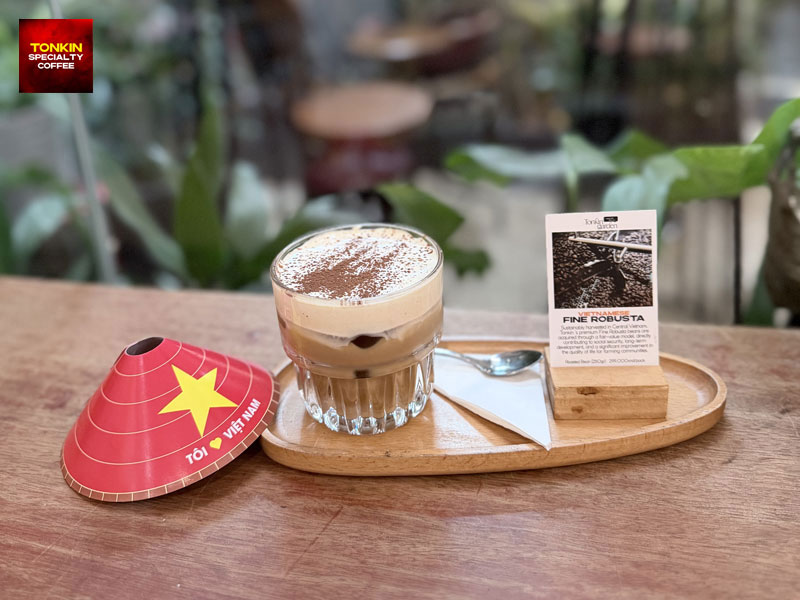
Roasting also changes what the drinker notices. Controlled roasting can emphasize chocolate and nutty characteristics, while excessive roasting may overpower the coffee with burnt flavors.
How does brewing affect the final taste?
Espresso concentrates Robusta’s body, aroma and finish. Black coffee allows the bean profile to remain relatively exposed, while milk-based drinks soften perceived bitterness.
This flexibility helps explain why Robusta works across several traditional and modern Vietnamese coffee styles.
Will Robusta Coffee Taste Too Strong for First-Time Drinkers?
Robusta can feel intense for someone accustomed to light-roasted coffee, but choosing the right drink makes a major difference. Black coffee reveals Robusta most clearly, while milk, egg cream or coconut can soften bitterness and create a gentler introduction without completely hiding the coffee.
| Your usual drink | Vietnamese coffee to consider |
| Espresso | Robusta espresso |
| Americano | Vietnamese black coffee |
| Latte | Vietnamese milk coffee |
| Sweet latte | Egg coffee |
| Creamy iced drink | Coconut coffee |
A visitor spending the day around central Ho Chi Minh City can also build coffee naturally into the itinerary. A best coffee break during a District 1 walking tour can become a practical opportunity to compare Robusta-based drinks without making coffee the entire focus of the day.
How Does Vietnamese Robusta Shape the Taste of Vietnamese Coffee?
Vietnamese Robusta provides enough body and intensity to remain recognizable alongside condensed milk, egg cream, coconut or salted cream. Dark chocolate and roasted-nut characteristics also pair naturally with richer ingredients, which is one reason Robusta works well across many familiar Vietnamese coffee preparations.
Tasting the coffee base separately is useful because it helps distinguish the flavor of the bean from sweetness or creaminess added later. The difference becomes especially noticeable when comparing espresso, black coffee and egg coffee side by side.
For sightseeing days with several stops, knowing where to rest between attractions in central Saigon can also make tasting Vietnamese coffee part of a comfortable downtown route rather than a separate excursion.
What Does Fine Robusta Taste Like at Tonkin Coffee?
Tonkin Coffee uses Fine Robusta from Gia Lai in Vietnam’s Central Highlands, sourced through direct partnerships with local growers. The coffee has a full body with dark chocolate, toasted nuts, caramel and subtle spice, while careful processing helps keep the bitterness smooth and balanced.
Which drink reveals Robusta most clearly?
Espresso and Vietnamese black coffee show the bean most directly, making the body, bitterness and roasted flavors easier to recognize.
Which drinks provide a softer introduction?
Egg coffee, salt coffee and coconut coffee soften Robusta’s bitterness while allowing its chocolate and nutty character to remain noticeable.
Visitors near the market area can also explore peaceful cafés near Ben Thanh Market for a quieter coffee break during a day of sightseeing.
What Should Travelers Remember About the Taste of Robusta?
Robusta is best understood as bold rather than simply bitter. A typical cup offers a full body, low perceived acidity and flavors associated with cocoa, dark chocolate, roasted nuts and spice. Quality Robusta can also develop sweetness, clarity and a surprisingly smooth finish.
For travelers exploring Vietnamese coffee, tasting Robusta in more than one format is especially useful. Espresso or black coffee reveals the bean directly, while egg, salt or coconut coffee shows how Robusta’s intensity interacts with richer ingredients. At Tonkin Coffee, that contrast provides a practical way to understand why Robusta remains such an important part of Vietnam’s coffee identity.
Visit Tonkin Coffee Today!
Tonkin Specialty Coffee
- Add: 91 Ly Tu Trong St., Ben Thanh Ward, Ho Chi Minh City, Vietnam.
- Hotline: 086 799 0125
Tonkin Garden Cafe
- Add: 135/50 Tran Hung Dao St., Cau Ong Lanh Ward, Ho Chi Minh City, Vietnam.
- Hotline: 087 992 4691
Tonkin Egg Coffee
- Add: 1 Le Thi Rieng St., Ben Thanh Ward, Ho Chi Minh City, Vietnam.
- Hotline: 0815 841 909
Tonkin Egg Coffee & Herbal Tea
- Add: 27 Ngo Duc Ke St., Sai Gon Ward, Ho Chi Minh City, Vietnam
Nestled in the heart of Ho Chi Minh City, Tonkin Specialty Coffee is one of the best coffee shops to experience authentic Vietnamese flavors. From the iconic egg coffee and refreshing coconut coffee to bold Vietnamese coffee and the unique salt coffee, every sip is a journey into tradition. For non-coffee lovers, our Vietnamese matcha offers a gentle alternative. Pair your drink with a freshly baked banh mi or a buttery croissant, and savor the true taste of Vietnam in a setting inspired by folk culture and Indochine charm.