

 한국어
 中文 (中国)
 日本語
 中文 (台灣)
When was coffee introduced to Vietnam? Coffee first arrived in Vietnam in 1857, beginning a journey that would eventually shape one of the country’s most recognizable everyday cultures. From Arabica and the later rise of Robusta to milk coffee, egg coffee and salt coffee, Tonkin Coffee offers travelers in Ho Chi Minh City a present-day way to experience how that history continues in the cup.
When and how was coffee first introduced to Vietnam?
Coffee first arrived in Vietnam in 1857 with Arabica, rather than the Robusta now closely associated with the country. Early cultivation developed gradually before coffee production expanded southward and became increasingly important to Vietnamese agriculture.
Why is 1857 important in Vietnamese coffee history?
The year 1857 marks the beginning of coffee cultivation in Vietnam. French missionaries introduced Arabica, with early planting taking place in northern and north-central areas such as Ninh Binh, Thanh Hoa, Nghe An and Ha Tinh.
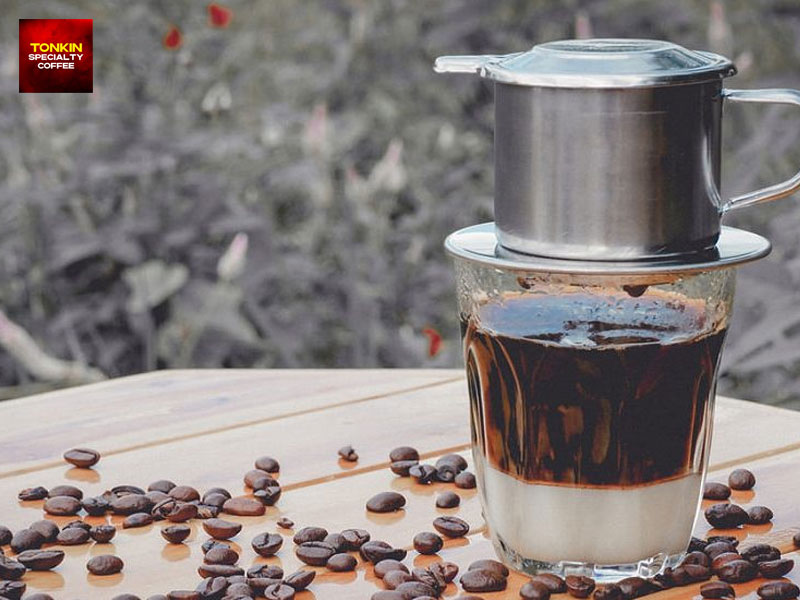
Coffee was still a relatively new agricultural crop at this stage. The large industry and diverse café culture familiar to visitors today developed much later.
Was Robusta the first coffee brought to Vietnam?
No. Arabica arrived first in 1857, while Robusta and Excelsa were introduced later, in the early 20th century.
This distinction matters because modern Vietnamese coffee is strongly associated with Robusta. The coffee variety most people connect with Vietnam today was therefore not the variety that began the country’s coffee story.
Why did coffee become important in Vietnam?
Coffee became increasingly important as cultivation expanded and growers identified regions better suited to commercial production. The Central Highlands eventually became central to this development, while later economic reforms helped accelerate the growth of Vietnam’s coffee industry.
Why did the Central Highlands become closely associated with coffee?
The Central Highlands offered favorable conditions for large-scale coffee cultivation. Provinces across this region gradually became major growing areas, helping establish the geographic connection between Vietnamese coffee and the country’s highland landscapes.
For a visitor drinking coffee in Ho Chi Minh City today, this creates an interesting connection: the café may be in the heart of a dense modern city, while the beans tell a story that leads back toward Vietnam’s agricultural highlands.
When did the modern Vietnamese coffee industry expand?
Coffee production expanded significantly after Vietnam’s economic reforms beginning in the mid-1980s. Investment increased, household production grew and coffee became an increasingly important agricultural export.
The result was more than economic growth. Greater production also helped coffee become deeply embedded in everyday Vietnamese life, from simple morning drinks to long conversations in cafés.
How did an imported crop become part of Vietnamese culture?
Vietnam did not simply preserve the coffee habits introduced during the colonial era. Local drinkers adapted coffee to available ingredients, regional tastes, changing lifestyles and the country’s social café culture.
Understanding What is Vietnamese coffee therefore requires looking beyond a single brewing method or recipe. Vietnamese coffee today describes a broader culture built around beans, preparation styles, ingredients and the way people spend time over a cup.
Did Vietnam simply copy French coffee habits?
No. Coffee was introduced from abroad, but Vietnamese coffee culture developed locally.
Condensed milk became a familiar partner for strong coffee. Iced preparations suited the tropical climate, while later creations such as egg coffee and salt coffee added new textures and flavor contrasts.
The café itself also became important. Coffee could accompany a quick morning stop, a conversation with friends, an afternoon break or simply time spent watching city life.
How did Vietnamese coffee develop its own identity?
Strong coffee profiles, sweetness, creaminess and contrasting textures became recognizable characteristics of many Vietnamese drinks. At the same time, recipes continued to change between regions, cafés and generations.
That flexibility helps explain Why is Vietnamese coffee unique. Vietnamese coffee does not depend on one bean, one brewer or one fixed recipe; its identity comes from the interaction between local coffee, evolving preparation methods and everyday café culture.
Why is Robusta associated with Vietnamese coffee today?
Arabica may have arrived first, but Robusta later became deeply connected with Vietnamese coffee production. Robusta can provide the bold body and noticeable bitterness that work particularly well with condensed milk, cream and other rich ingredients.
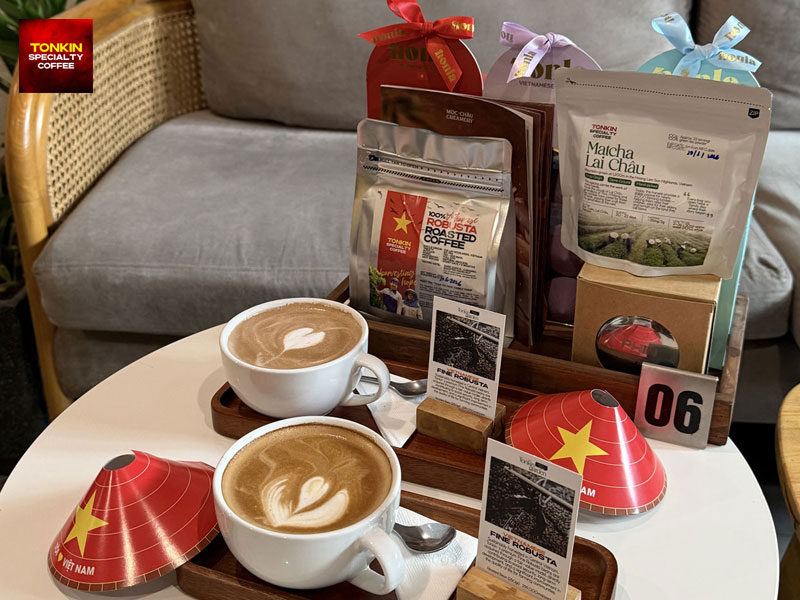
What can Vietnamese Robusta taste like?
Robusta is often described as full-bodied and relatively low in perceived acidity, with flavors that can include dark chocolate, cocoa, roasted nuts, caramel, grain and spice.
Quality, origin, processing, roasting and brewing all matter. A carefully produced Robusta can taste very different from a heavily roasted commercial cup, so “strong” should not be treated as its only characteristic.
What does Fine Robusta mean?
Fine Robusta reflects greater attention to cherry quality, processing, roasting and preparation, with the goal of producing cleaner and more expressive flavors.
At Tonkin Coffee, Fine Robusta forms the coffee base across signature drinks such as egg coffee, salt coffee and Vietnamese milk coffee. Fine Robusta is not a separate drink that visitors need to order on its own.
Which drinks show how Vietnamese coffee culture evolved?
Vietnamese milk coffee, egg coffee and salt coffee illustrate how an introduced agricultural product gradually became part of a creative local drinking culture. Each combines coffee with a different balance of sweetness, creaminess and texture.
What is Vietnamese milk coffee like?
Vietnamese milk coffee combines a strong coffee base with condensed milk. The result is bold, sweet and creamy, with enough coffee intensity to remain noticeable alongside the milk.
For first-time visitors, the drink offers a straightforward introduction to one of Vietnam’s most recognizable flavor combinations.
What makes egg coffee different?
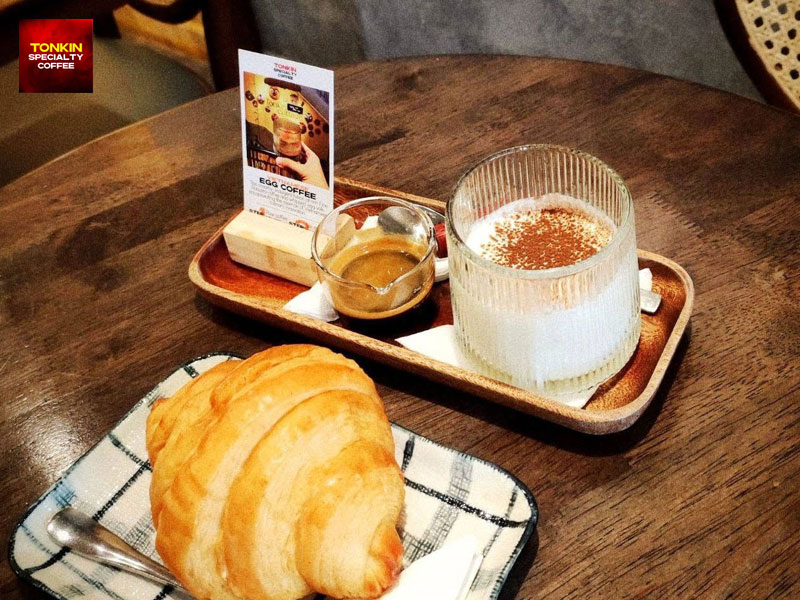
Egg coffee places a silky egg cream over strong coffee. At Tonkin Coffee, the cream is made with fresh egg, honey, sugar and a small amount of rum, helping create a smooth texture without a pronounced egg odor.
Rather than mixing everything immediately, visitors can taste the cream first, reach the coffee underneath with the next sip and combine the layers later.
What about salt coffee?
Salt coffee uses a creamy layer with a subtle savory note to balance sweetness and coffee bitterness. The drink should not taste simply “salty”; the contrast is what gives the cup its character.
| Drink | Main character | Good starting point for |
| Vietnamese milk coffee | Bold, sweet, creamy | Classic Vietnamese flavor |
| Egg coffee | Silky, rich, layered | A distinctive local experience |
| Salt coffee | Creamy, lightly savory | A different sweet-savory balance |
What should first-time visitors know before ordering Vietnamese coffee?
Vietnamese coffee can taste stronger, sweeter or creamier than the coffee visitors usually drink at home. Choosing according to personal taste is more useful than trying to identify one drink as the only “authentic” option.
Does authentic Vietnamese coffee have to use a phin?
No. The phin is an important and recognizable part of Vietnamese coffee culture, but Vietnamese coffee is broader than one brewing device.
Different cafés may use different brewing systems while working with Vietnamese beans and local flavor traditions. Tonkin Coffee, for example, uses espresso-based preparation rather than presenting phin brewing as a requirement for authenticity.
Which drink should a first-time visitor choose?
A simple taste guide works well:
- Choose egg coffee for a silky, dessert-like texture with coffee underneath.
- Choose Vietnamese milk coffee for a stronger classic combination of coffee and condensed milk.
- Choose salt coffee for creaminess with a subtle savory contrast.
- Choose a less sweet coffee preparation when the coffee itself is the priority.
The most useful first cup is the one that fits your usual taste.
Where can visitors experience Vietnamese coffee culture in Ho Chi Minh City?
Reading about 1857 explains where the story began. Sitting down for coffee in Saigon shows how Vietnam transformed that beginning into a living culture. Tonkin Coffee has four District 1 locations, each offering a different setting for that experience.
Which location fits a central sightseeing day?
Tonkin Specialty Coffee, at 91 Ly Tu Trong Street in Ben Thanh Ward, works naturally with a central sightseeing route.
The intimate upstairs setting features Vietnamese folk-cultural elements including masks, woven bamboo objects and traditional artwork. The space connects coffee with another layer of Vietnamese cultural expression rather than treating the drink as an isolated attraction.
Where can visitors slow down away from busy streets?
Tonkin Garden Cafe, at 135/50 Tran Hung Dao Street, offers a quieter change of pace. Set within a residential alley, the nearly century-old house and leafy garden create a slower atmosphere after walking through central Saigon.
This location works especially well when the goal is to sit longer rather than immediately continue to another landmark.
Which location pairs naturally with a food stop?
Tonkin Egg Coffee, at 1 Le Thi Rieng Street, is opposite the well-known Huynh Hoa bánh mì shop. Visitors can bring Huynh Hoa bánh mì inside, sit down and pair the food with Vietnamese coffee.
Air conditioning, Wi-Fi and seating also make the café a practical break during a day of walking around central Ho Chi Minh City.
Which location suits Nguyen Hue and Bitexco?
Tonkin Egg Coffee & Herbal Tea, at 27 Ngo Duc Ke Street, fits naturally into a route around Nguyen Hue Walking Street, Bitexco, Dong Khoi, the Saigon Opera House and the riverfront.
The café occupies an upstairs space in a historic 1917 villa. High ceilings, wood, warm tones and Indochine-inspired details provide a quiet contrast to the modern downtown streets outside.
What connects coffee in 1857 with a cup in Saigon today?
Coffee arrived in Vietnam in 1857, but the drink visitors encounter today is the result of generations of adaptation. Arabica came first, Robusta followed, cultivation expanded and Vietnamese drinkers gradually created flavors and café rituals of their own.
A visit to Tonkin Coffee adds a present-day chapter to that history. Choose the location that fits your sightseeing route, order according to your own taste and give the experience enough time to unfold. Vietnamese coffee culture lives not only in the cup, but also in the spaces, conversations and rhythm of the city around it.
Visit Tonkin Coffee Today!
Tonkin Specialty Coffee
- Add: 91 Ly Tu Trong St., Ben Thanh Ward, Ho Chi Minh City, Vietnam.
- Hotline: 086 799 0125
Tonkin Garden Cafe
- Add: 135/50 Tran Hung Dao St., Cau Ong Lanh Ward, Ho Chi Minh City, Vietnam.
- Hotline: 087 992 4691
Tonkin Egg Coffee
- Add: 1 Le Thi Rieng St., Ben Thanh Ward, Ho Chi Minh City, Vietnam.
- Hotline: 0815 841 909
Tonkin Egg Coffee & Herbal Tea
- Add: 27 Ngo Duc Ke St., Sai Gon Ward, Ho Chi Minh City, Vietnam

Nestled in the heart of Ho Chi Minh City, Tonkin Coffee is one of the best coffee shops to experience authentic Vietnamese flavors. From the iconic egg coffee and refreshing coconut coffee to bold Vietnamese coffee and the unique salt coffee, every sip is a journey into tradition. For non-coffee lovers, our Vietnamese matcha offers a gentle alternative. Pair your drink with a freshly baked banh mi or a buttery croissant, and savor the true taste of Vietnam in a setting inspired by folk culture and Indochine charm.