

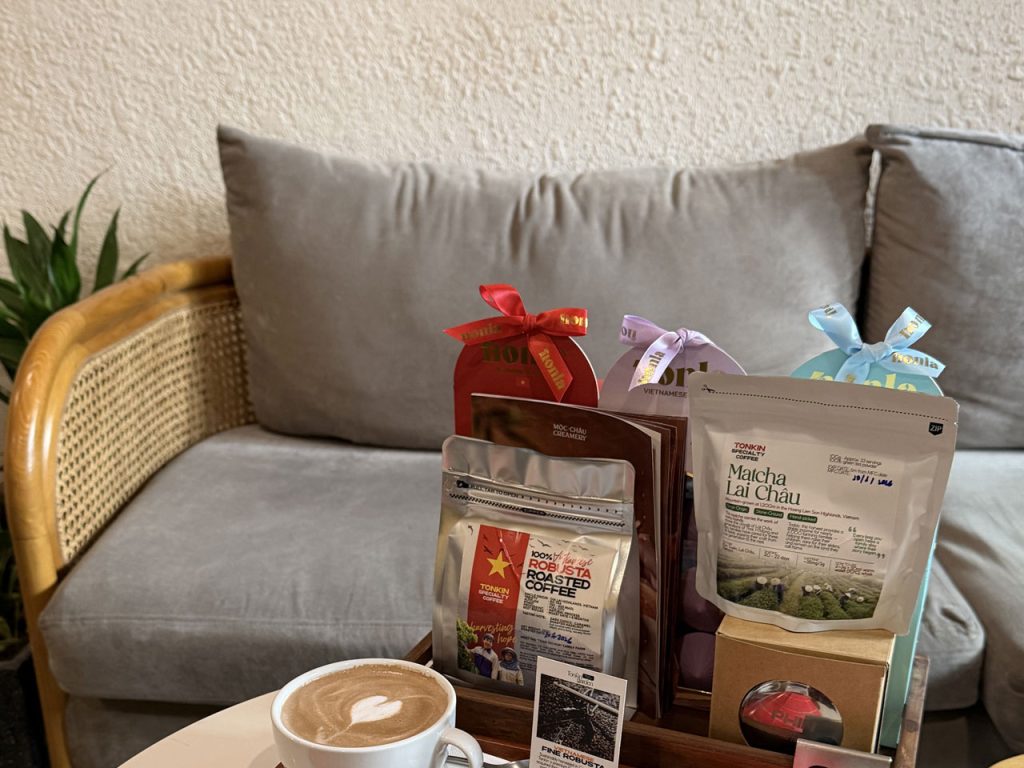
The character of Vietnamese black coffee begins with the beans selected for each cup. While Robusta is the traditional foundation, Arabica, Culi and carefully balanced blends can also create distinct aromas, body and finishes. This guide explains what beans are used in Vietnamese black coffee, how each option affects the drinking experience and why Tonkin Coffee chooses Fine Robusta from Gia Lai for a bold, smooth and layered profile.
Which Coffee Beans Are Most Commonly Used?
Most traditional Vietnamese black coffee uses Robusta or a Robusta-dominant blend. Vietnam’s Central Highlands provide suitable conditions for growing this species, which has become closely connected with the country’s coffee identity.
The main bean options include:
| Bean type | Common use | Typical contribution |
| Robusta | Traditional black coffee | Full body, low acidity and roasted depth |
| Fine Robusta | Specialty Vietnamese coffee | Cleaner sweetness and more distinct flavor |
| Arabica | Single-origin cups or blends | More aroma, acidity and a lighter body |
| Culi | Selected traditional preparations | Dense texture and concentrated character |
| Robusta–Arabica blend | Café house blends | A balance of body, fragrance and brightness |
The bean name alone does not guarantee a particular result. A carefully processed Robusta can taste cleaner and more layered than a poorly harvested or heavily roasted Arabica.
Why Is Robusta Traditionally Used for Cà Phê Đen?
Robusta works well in Vietnamese black coffee because it maintains a clear presence when brewed into a small, concentrated serving. Its substantial body creates a heavier mouthfeel, while its relatively low acidity produces a rounded rather than sharply bright profile.
Common characteristics associated with quality Vietnamese Robusta include:
- Dark chocolate depth
- Toasted nut aromas
- Subtle spice notes
- A full and persistent body
- Low to moderate acidity
- A clear finish over ice
Robusta naturally contains more caffeine than Arabica, but the intensity of a cup also depends on the amount of coffee, brewing ratio and extraction. These combined factors help explain why is Vietnamese black coffee so strong without suggesting that the bean alone determines the entire experience.
Robusta is also practical for iced coffee. As the ice melts, a full-bodied coffee can retain enough aroma and structure to avoid becoming flat or watery.
Is Every Vietnamese Black Coffee Made With 100% Robusta?
No. Although 100% Robusta is common, Vietnamese cafés may use single-origin beans, house blends or different recipes for hot and iced coffee.
A traditional café may choose a Robusta-dominant roast for a familiar bold profile. A specialty café may select traceable Fine Robusta and roast it to preserve chocolate, nut and spice notes. Other cafés blend Robusta with Arabica to add fragrance or gentle acidity while maintaining a solid body.
The appearance of the drink does not reveal its exact bean composition. A dark cup could contain Robusta, Arabica or a blend, especially when the beans have been roasted to a similar colour.
What Is Fine Robusta?
Fine Robusta is not a separate coffee species. It remains Robusta, but the term refers to coffee produced with greater attention to quality throughout the supply chain.
This process may include:
- Harvesting a higher proportion of ripe cherries
- Removing defective or damaged beans
- Controlling fermentation and drying
- Maintaining clearer origin traceability
- Roasting for balance rather than burnt intensity
- Evaluating aroma, sweetness, body and finish
Lower-grade Robusta can show woody, rubbery, smoky or uneven characteristics. Fine Robusta aims to retain the natural boldness of the species while creating a cleaner and more structured cup.
This distinction is important because Robusta does not automatically mean harsh coffee. Bean quality and preparation determine can Vietnamese black coffee taste smooth even when the drink remains full-bodied and recognisably strong.
Are Arabica Beans Used in Vietnamese Black Coffee?
Arabica can be used for Vietnamese black coffee, although it usually creates a different profile from traditional Robusta.
Compared with Robusta, Arabica often contributes:
- A lighter body
- More noticeable acidity
- Greater floral or fruity aroma
- Caramel or gentle sweetness
- A softer, more aromatic finish
Some drinkers who normally enjoy pour-over coffee or lightly roasted specialty coffee may find an Arabica-based black coffee more familiar. However, Arabica is not automatically superior. Quality depends on origin, processing, freshness, roasting and extraction.
A café may also combine the two species. Robusta supplies body and depth, while Arabica adds fragrance and brightness. Readers interested in the broader comparison can explore the differences between the best coffee beans in Vietnam without reducing the decision to one universally better variety.
What Are Culi Beans?
Culi is the Vietnamese term commonly used for peaberry coffee. In a typical coffee cherry, two seeds develop with flat sides facing each other. In a peaberry cherry, only one rounded seed develops.
Culi does not describe a separate species. It describes the physical form of the seed. Therefore, coffee can be Culi Robusta or Culi Arabica.
Because peaberries are separated during sorting, they are sometimes marketed as richer or stronger. Their shape may influence roasting behaviour, but it does not guarantee a particular taste. Species, growing region, processing and roast development remain more important than shape alone.
Why Do Some Cafés Use Robusta–Arabica Blends?
A blend gives the roaster more control over the final cup. Instead of depending on one bean to provide every characteristic, different components can contribute complementary qualities.
A Robusta-led blend may preserve the traditional body of cà phê đen while using Arabica to add aroma. A balanced blend may feel less heavy, while a high-Robusta recipe may remain clearer when served over ice.
Cafés may develop blends to:
- Create a consistent house profile
- Balance strength with aroma
- Adapt coffee to hot and iced service
- Maintain body without excessive roast flavour
- Appeal to different customer preferences
There is no fixed blend ratio required for authentic Vietnamese coffee. Authenticity comes from the cultural context, ingredients and preparation rather than one universal percentage.
Does Roast Level Matter as Much as Bean Type?
Roasting can significantly change how a coffee bean tastes. A darker roast tends to emphasise cocoa, toasted and smoky characteristics, sometimes covering the bean’s regional qualities. A medium-dark roast can preserve a substantial body while allowing more sweetness, nuts and spice to remain noticeable.
Over-roasting may produce carbon-like bitterness regardless of whether the beans are Robusta or Arabica. Under-extraction can create sharpness, while over-extraction may make the finish dry and harsh.
For that reason, the answer to is Vietnamese black coffee bitter cannot be based only on the species. Bitterness may come from the bean’s natural chemistry, but roast development, water temperature, grind size and extraction also matter.
Can You Identify the Beans From Taste Alone?
Taste can provide clues, but it rarely gives complete certainty.
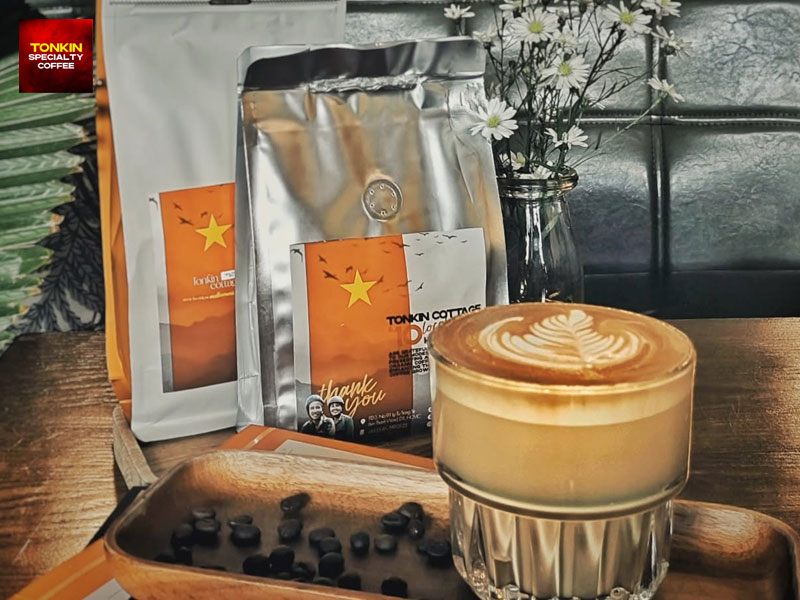
A heavy body, low acidity and dark cocoa profile may suggest Robusta. Floral aroma, fruit-like acidity and a lighter texture may suggest Arabica. However, roasting and blending can make these distinctions less obvious.
The most reliable approach is to ask:
- Is the coffee 100% Robusta or a blend?
- Where were the beans grown?
- Is it Fine Robusta?
- What processing method was used?
- What roast level does the café use?
- Are the same beans used for hot and iced coffee?
Understanding the beans provides useful context, while this guide to what does Vietnamese black coffee taste like explains how origin and preparation appear in the finished cup.
Which Beans Work Best for Hot and Iced Black Coffee?
Different serving styles highlight different qualities.
| Drinking preference | Suitable bean profile | What to expect |
| Hot black coffee | Clean Fine Robusta | Clear aroma, body and finish |
| Iced black coffee | Robusta-dominant coffee | Strong structure after ice dilution |
| Low-acidity coffee | Robusta or Robusta-led blend | Rounder and less bright |
| Aromatic coffee | Arabica-containing blend | More fragrance and acidity |
| Traditional character | 100% Robusta | Direct, bold and full-bodied |
These are practical guidelines rather than strict rules. A skilled roaster can produce excellent hot or iced coffee from several bean types.
What Beans Does Tonkin Coffee Use?
Tonkin Coffee uses Vietnamese Fine Robusta from Gia Lai in the Central Highlands. The beans are selected and prepared to create a bold but smooth foundation with notes of dark chocolate, toasted nuts and subtle spice.
This coffee base remains clear enough to enjoy on its own as black coffee, while also holding its character beneath the egg cream, salted cream or coconut used in other Tonkin drinks.
Visitors who want to understand Vietnamese coffee beans directly can begin with black coffee without sugar. Tasting it before adding anything makes it easier to notice the body, aroma, natural bitterness and clean finish created by the coffee itself.
Visit Tonkin Coffee Today!
Tonkin Specialty Coffee
- Add: 91 Ly Tu Trong St., Ben Thanh Ward, Ho Chi Minh City, Vietnam.
- Hotline: 086 799 0125
Tonkin Garden Cafe
- Add: 135/50 Tran Hung Dao St., Cau Ong Lanh Ward, Ho Chi Minh City, Vietnam.
- Hotline: 087 992 4691
Tonkin Egg Coffee
- Add: 1 Le Thi Rieng St., Ben Thanh Ward, Ho Chi Minh City, Vietnam.
- Hotline: 0815 841 909
Tonkin Egg Coffee & Herbal Tea
- Add: 27 Ngo Duc Ke St., Sai Gon Ward, Ho Chi Minh City, Vietnam
Nestled in the heart of Ho Chi Minh City, Tonkin Specialty Coffee is one of the best coffee shops to experience authentic Vietnamese flavors. From the iconic egg coffee and refreshing coconut coffee to bold Vietnamese coffee and the unique salt coffee, every sip is a journey into tradition. For non-coffee lovers, our Vietnamese matcha offers a gentle alternative. Pair your drink with a freshly baked banh mi or a buttery croissant, and savor the true taste of Vietnam in a setting inspired by folk culture and Indochine charm.