


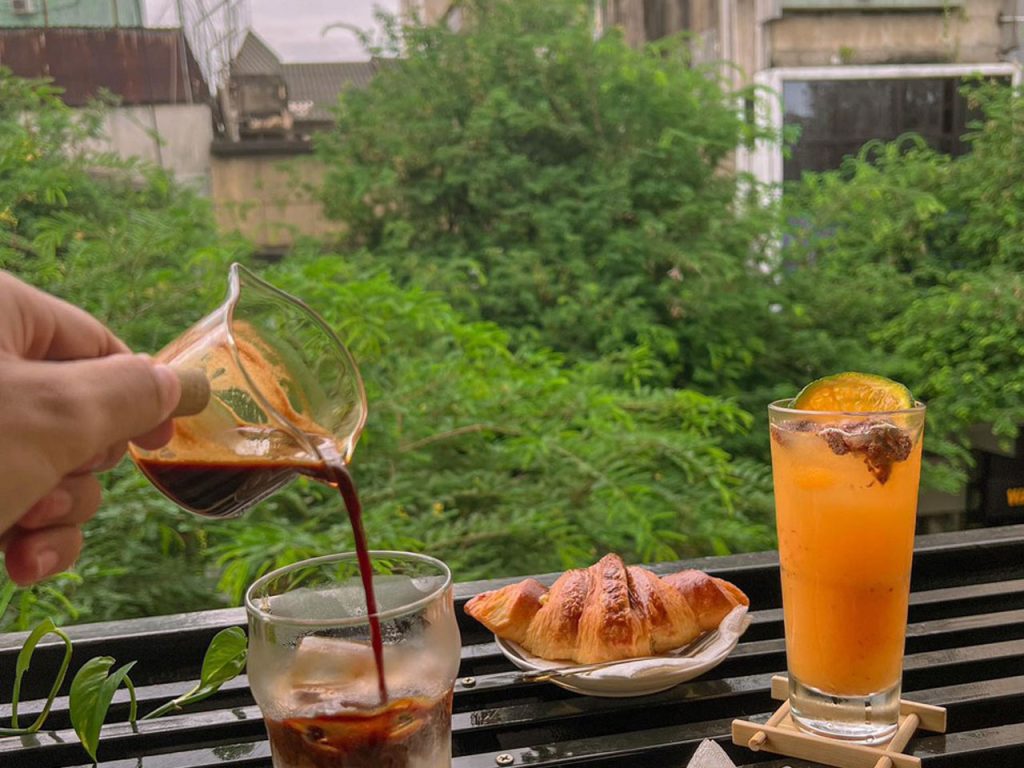
Bold coffee does not always have to feel harsh or overly bitter. With quality beans, balanced roasting, and controlled extraction, can Vietnamese black coffee taste smooth becomes an easy question to answer. At Tonkin Coffee, Fine Robusta from Gia Lai delivers a full body with dark chocolate, toasted nuts, subtle spice, and a clean finish that remains expressive without relying on milk.
Can Vietnamese Black Coffee Really Taste Smooth?
Yes. Vietnamese black coffee can taste smooth when high-quality beans, an appropriate roast profile, and accurate extraction work together.
Smoothness does not mean that the drink is weak, watery, or free from bitterness. Instead, it describes how the coffee moves across the palate. A smooth cup has a cohesive flavor, a rounded mouthfeel, and a finish that does not feel burnt, sharply bitter, or excessively dry.
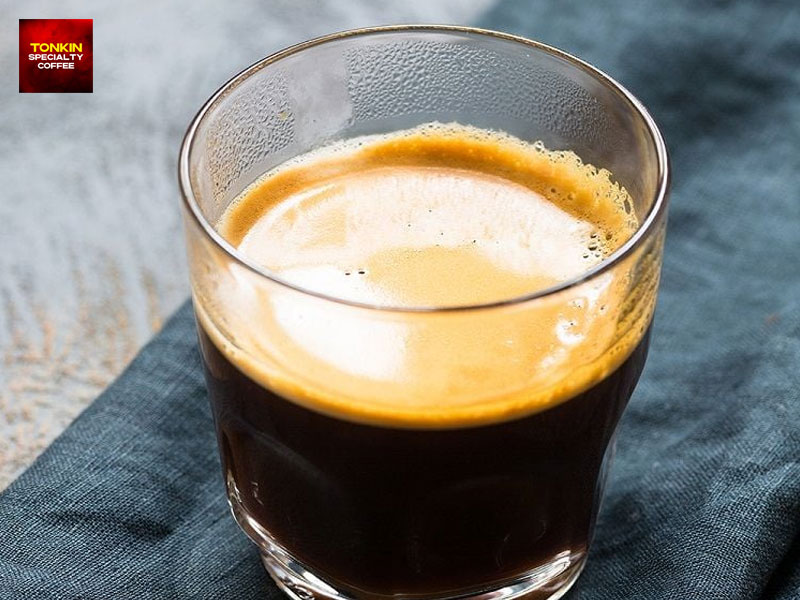
A well-made cup may still be powerful. The aroma can be intense, the body can feel substantial, and the roasted character can remain clear. The difference is that no single element overwhelms the others.
What Does Smooth Mean in Black Coffee?
In coffee tasting, smoothness is more about balance and texture than sweetness. It can be recognized through several sensory characteristics:
- A rounded rather than sharp mouthfeel
- Bitterness that supports the flavor instead of dominating it
- Clear chocolate, nutty, or lightly spiced notes
- Little or no burnt aftertaste
- A clean finish without prolonged dryness
- Consistent flavor from the first sip to the last
The broader guide to what does Vietnamese black coffee taste like explains the complete flavor profile, but smoothness refers specifically to how comfortably those flavors come together.
| Characteristic | Smooth black coffee | Harsh black coffee |
| Bitterness | Present but balanced | Sharp and dominant |
| Body | Full and rounded | Heavy or rough |
| Aroma | Chocolate, nuts and spice | Burnt or overly smoky |
| Mouthfeel | Clean and cohesive | Dry or astringent |
| Finish | Lingering but comfortable | Bitter and tiring |
Why Can Vietnamese Black Coffee Feel Harsh?
Vietnamese coffee is often prepared with Robusta, a species known for its substantial body, low acidity, and stronger bitter character. These natural qualities help create the bold identity associated with local coffee.
However, the bean species alone does not determine whether the final drink feels smooth or rough. Harshness can result from:
- Coffee beans containing too many defects
- Roasting the beans beyond their ideal development
- Using coffee that has lost its freshness
- Grinding too finely for the brewing method
- Applying water that is too hot
- Allowing extraction to continue for too long
- Creating uneven water flow through the coffee bed
A deeper discussion of is Vietnamese black coffee bitter helps distinguish natural coffee bitterness from the unpleasant burnt or astringent flavors caused by poor roasting and brewing.
What Makes a Cup Taste Smooth?
Several decisions occur before black coffee reaches the table. Each one influences whether its intensity feels refined or aggressive.
High-quality coffee cherries
Ripe cherries and careful sorting provide a cleaner foundation.
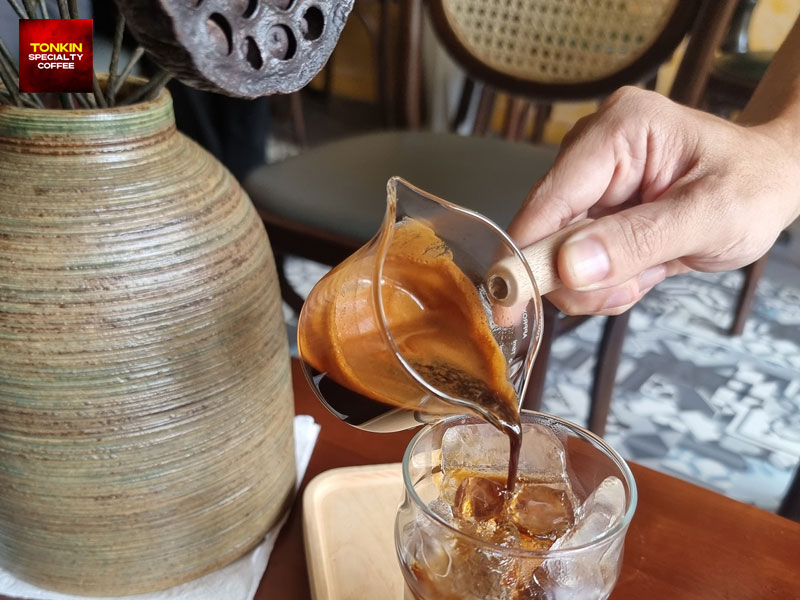
Damaged, underripe, or poorly processed beans may introduce woody, rubbery, fermented, or overly earthy notes that cannot be completely corrected during brewing.
A suitable roast profile
Dark roasting can develop deep chocolate and roasted-nut characteristics, but excessive heat may destroy sweetness and create burnt flavors. A balanced roast preserves the structure of Robusta while preventing roast bitterness from becoming the only noticeable feature.
Fresh grinding
Ground coffee loses aroma more quickly than whole beans. Grinding close to preparation helps preserve its fragrance and makes extraction easier to control.
Stable water temperature
Water that is too cool may produce a thin, undeveloped cup. Excessively hot water can pull out more dry and bitter compounds. Temperature stability helps the barista extract sweetness, body, and aroma more evenly.
Controlled extraction
Under-extracted coffee may taste hollow, sour, or unfinished. Over-extracted coffee can become bitter and drying. Smooth black coffee sits between these extremes, with enough extraction to create depth without pulling out an unpleasant finish.
Can Fine Robusta Be Smooth?
Robusta is sometimes described only through caffeine, bitterness, and strength. That description overlooks the wide difference between commercial-grade beans and carefully produced Fine Robusta.
High-quality Robusta can express:
- Dark chocolate
- Toasted nuts
- Gentle caramel-like depth
- Subtle spice
- Low, restrained acidity
- Dense but rounded body
- A clean roasted finish
Fine Robusta does not need to imitate Arabica. Its appeal comes from its own substantial structure and deep flavor. When properly grown, selected, roasted, and extracted, it can feel powerful without becoming coarse.
This is also why there is no single answer to the best Vietnamese coffee. The right choice depends on whether someone prefers black coffee’s direct roasted character or a drink balanced with condensed milk, coconut, salt cream, or egg cream.
Does Smooth Coffee Still Taste Strong?
Yes. Smoothness and strength describe different parts of the experience.
Strength refers to concentration, body, aroma, and overall intensity. Smoothness refers to balance, mouthfeel, and the absence of harsh edges. A concentrated espresso can be smooth, while a weaker cup can still taste burnt or unpleasantly bitter.
| Term | Meaning |
| Strong | High concentration or flavor intensity |
| Bitter | One natural taste component in coffee |
| Smooth | Balanced texture without sharp edges |
| Full-bodied | A dense, substantial mouthfeel |
| Sweet | Natural sweetness or added sugar |
Understanding these terms helps visitors order more confidently instead of assuming that every strong coffee will be difficult to drink.
Is Hot or Iced Black Coffee Smoother?
Both versions can be smooth, although temperature changes how the palate experiences them.
Hot black coffee releases more aroma, making chocolate, toasted nut, and spice notes easier to notice. However, its bitterness and roast character may also appear more direct.
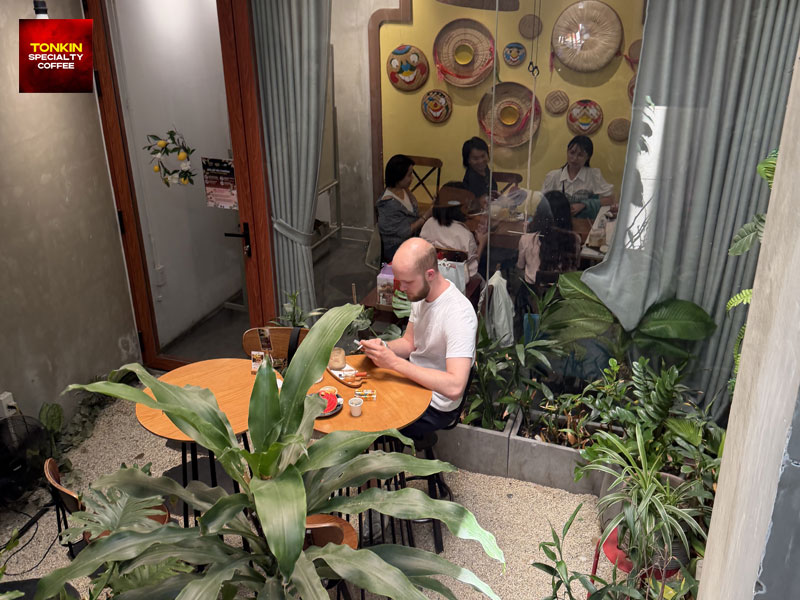
Iced black coffee often feels crisp and refreshing in Ho Chi Minh City’s warm climate. The lower temperature can make bitterness feel less immediate, while melting ice gradually reduces concentration. It may therefore be an easier introduction for someone who already drinks cold brew or iced Americano.
Neither option is automatically better. Bean quality and extraction still matter more than serving temperature.
How Can First-Time Drinkers Recognize a Smooth Cup?
A simple tasting process can help.
First, smell the coffee before adding sugar. The aroma should suggest roasted coffee, chocolate, nuts, or spice rather than ash or burnt wood.
Next, take a small sip and let it move across the tongue. Notice whether the bitterness appears alongside other flavors or immediately covers them. A good cup should feel substantial without creating an aggressive sensation at the back of the throat.
Finally, pay attention to the finish. Smooth coffee may leave a deep roasted flavor, but it should not cause prolonged dryness or an exhausting bitter coating.
For a wider comparison, Vietnamese coffee drinks ranked by flavor can help visitors choose between black coffee and creamier local specialties according to sweetness, richness, and coffee intensity.
Who Is Smooth Vietnamese Black Coffee Best For?
It is particularly suitable for people who already enjoy:
- Espresso
- Long black
- Americano
- Unsweetened cold brew
- Dark chocolate
- Low-acidity coffee
- Full-bodied roast profiles
People accustomed to sweet lattes may find it intense at first. They can begin with an iced version, take smaller sips, or add a modest amount of sugar rather than immediately covering the coffee with milk.
Trying the drink slowly also reflects the social rhythm described in coffee culture in Saigon for tourists, where a café visit is often an opportunity to pause, talk, observe the city, and understand everyday local habits.
What Does Smooth Black Coffee Taste Like at Tonkin Coffee?
Tonkin Coffee uses Fine Robusta from Gia Lai in Vietnam’s Central Highlands. Its profile is built around a bold body, dark chocolate, toasted nuts, subtle spice, and a clean finish.
Professional espresso equipment allows the barista to control water temperature, pressure, and extraction time more precisely. The objective is not to remove the identity of Vietnamese Robusta, but to present its intensity in a more balanced form.
Guests can order black coffee hot or iced. Taking the first sip without sugar provides the clearest view of the bean’s character. Sweetness can then be adjusted according to personal preference.
Tonkin Coffee has central locations that can be included naturally in a District 1 itinerary:
- Tonkin Specialty Coffee at 91 Ly Tu Trong Street
- Tonkin Garden Cafe at 135/50 Tran Hung Dao Street
- Tonkin Egg Coffee & Herbal Tea at 27 Ngo Duc Ke Street
- Tonkin Egg Coffee at 1 Le Thi Rieng Street
Visitors can also compare black coffee with egg coffee, salt coffee, coconut coffee, or Vietnamese milk coffee to understand how the same bold coffee foundation behaves with different textures and ingredients.
FAQs About Smooth Vietnamese Black Coffee
Can it taste smooth without sugar?
Yes. Genuine smoothness comes from bean quality, roasting, and extraction. Sugar can soften the perception of bitterness, but it cannot fully correct burnt or over-extracted coffee.
Is smooth black coffee lower in caffeine?
Not necessarily. Caffeine content and sensory smoothness are separate qualities. A strong Robusta-based cup can contain substantial caffeine while still tasting balanced.
Does ice remove bitterness?
Ice lowers the temperature and gradually dilutes the drink, which may make bitterness feel gentler. It cannot remove unpleasant flavors already created during roasting or extraction.
Is Robusta always harsher than Arabica?
No. Robusta generally has more body and a stronger bitter character, but well-produced Fine Robusta can be clean, rounded, and complex.
Visit Tonkin Coffee Today!
Tonkin Specialty Coffee
- Add: 91 Ly Tu Trong St., Ben Thanh Ward, Ho Chi Minh City, Vietnam.
- Hotline: 086 799 0125
Tonkin Garden Cafe
- Add: 135/50 Tran Hung Dao St., Cau Ong Lanh Ward, Ho Chi Minh City, Vietnam.
- Hotline: 087 992 4691
Tonkin Egg Coffee
- Add: 1 Le Thi Rieng St., Ben Thanh Ward, Ho Chi Minh City, Vietnam.
- Hotline: 0815 841 909
Tonkin Egg Coffee & Herbal Tea
- Add: 27 Ngo Duc Ke St., Sai Gon Ward, Ho Chi Minh City, Vietnam
Nestled in the heart of Ho Chi Minh City, Tonkin Specialty Coffee is one of the best coffee shops to experience authentic Vietnamese flavors. From the iconic egg coffee and refreshing coconut coffee to bold Vietnamese coffee and the unique salt coffee, every sip is a journey into tradition. For non-coffee lovers, our Vietnamese matcha offers a gentle alternative. Pair your drink with a freshly baked banh mi or a buttery croissant, and savor the true taste of Vietnam in a setting inspired by folk culture and Indochine charm.