

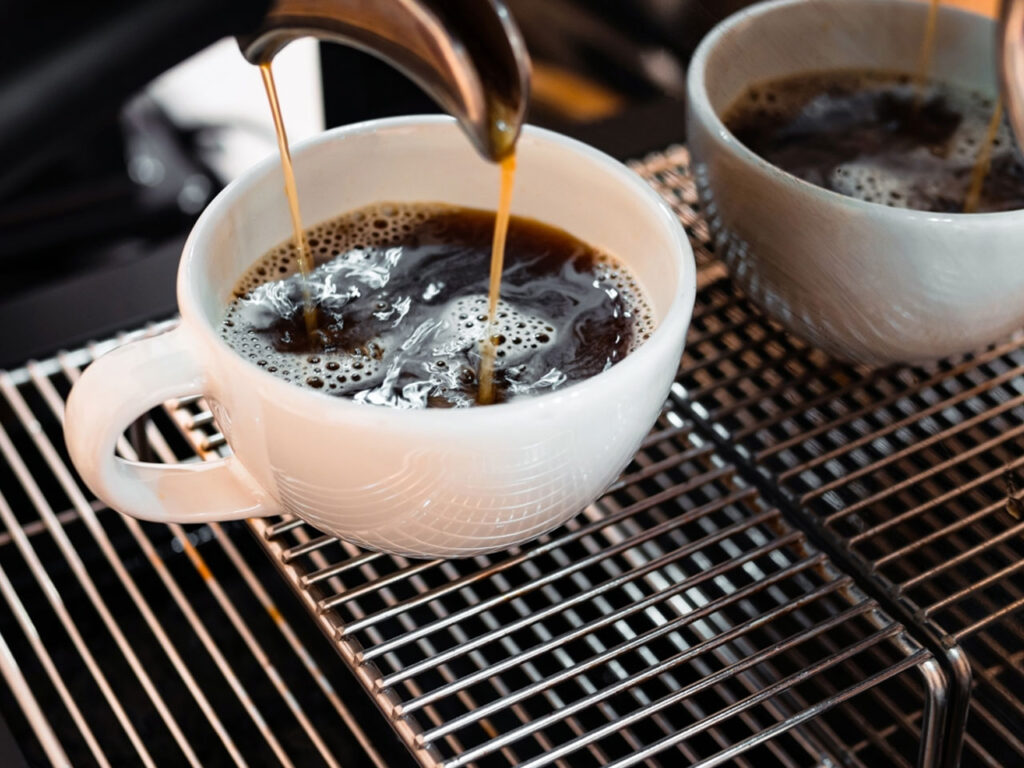
For first-time drinkers, the dark color and concentrated aroma of cà phê đen can make the cup seem intimidating. So, is Vietnamese black coffee bitter? It usually has a clear bitterness because no milk or cream softens the coffee base, but a well-prepared serving should still feel smooth and balanced. At Tonkin Coffee, Vietnamese Fine Robusta brings together dark chocolate, toasted nuts, caramel, and subtle spice, allowing bitterness to support the drink’s depth rather than overwhelm it.
How Bitter Is Vietnamese Black Coffee?
Vietnamese black coffee normally has medium to pronounced bitterness, although the exact experience depends on bean quality, roasting, extraction, temperature, dilution, and added sugar.
The first sip often feels concentrated because there is no condensed milk, fresh milk, cream, or flavored topping between the drinker and the coffee. Its full body can also make the bitterness seem stronger than that of a diluted Americano.
How intense it feels partly depends on what you usually drink:
| Usual coffee preference | Likely reaction |
| Espresso or long black | Familiar and enjoyable |
| Unsweetened cold brew | Bold but manageable |
| Americano | Denser and more roasted |
| Latte or cappuccino | Noticeably more bitter |
| Sweet blended coffee | Potentially challenging |
There is no universal bitterness level for every Vietnamese café. Two black coffees can taste very different depending on the beans and preparation.
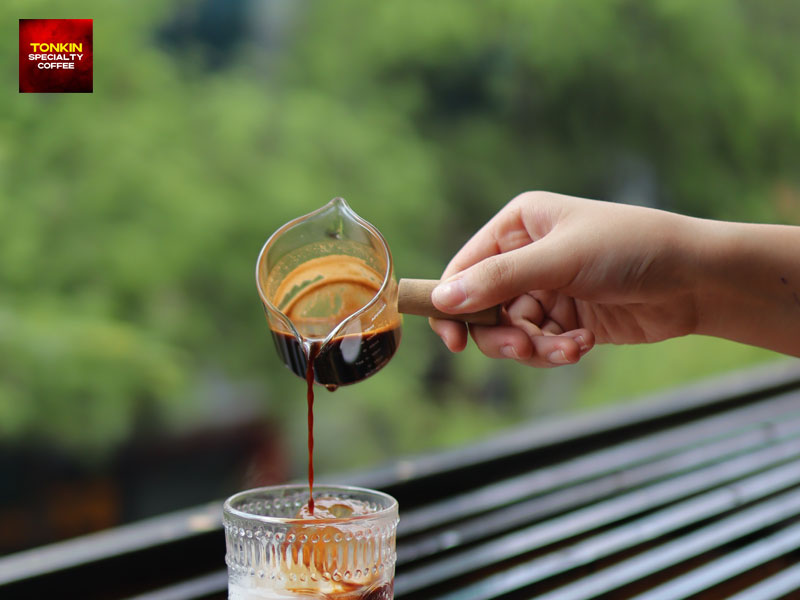
For a broader description of aroma, body, flavor, and finish, read more about what Vietnamese black coffee tastes like.
Why Is Vietnamese Black Coffee Bitter?
Its bitterness comes from a combination of the bean, roast profile, concentration, and extraction. Robusta plays an important role, but it is not the only factor.
How does Robusta influence bitterness?
Vietnamese coffee is strongly associated with Robusta, which typically has a fuller body and more noticeable natural bitterness than many lightly roasted Arabica coffees.
Robusta may also produce flavors such as:
- Dark cocoa
- Roasted nuts
- Malt
- Toasted grain
- Earthy tones
- Gentle spice
These characteristics help explain why Vietnamese coffee is so strong. In this context, “strong” can describe body, concentration, aroma, and roast intensity—not bitterness alone.
Well-grown and carefully processed Robusta does not have to taste rough. It can remain powerful while offering a cleaner and more layered finish.
Does dark roasting make coffee more bitter?
Medium-dark or dark roasting can deepen chocolate, caramel, nutty, and toasted flavors. It can also increase the perception of bitterness by reducing brighter acidity and emphasizing roasted compounds.
However, dark does not automatically mean burnt. A controlled roast creates depth, while excessive roast development may produce ash, charcoal, or overwhelming smoke.
Can extraction create harsh bitterness?
Preparation strongly affects how bitterness appears in the cup. Grind size, coffee-to-water ratio, water temperature, and extraction time all influence balance.
Excessive extraction may create:
- A dry mouthfeel
- Rough bitterness
- An unpleasant lingering finish
- Reduced flavor clarity
Under-extraction can produce a thin, sharply sour cup. Balanced extraction allows bitterness to support the body without overwhelming the coffee’s chocolate, nut, or caramel notes.
The guide to how strong Vietnamese coffee is explains how concentration and serving style can also influence perceived intensity.
Is Bitter the Same as Burnt?
No. Bitterness is a normal part of coffee, while burnt flavor resembles ash, charcoal, or excessive smoke.
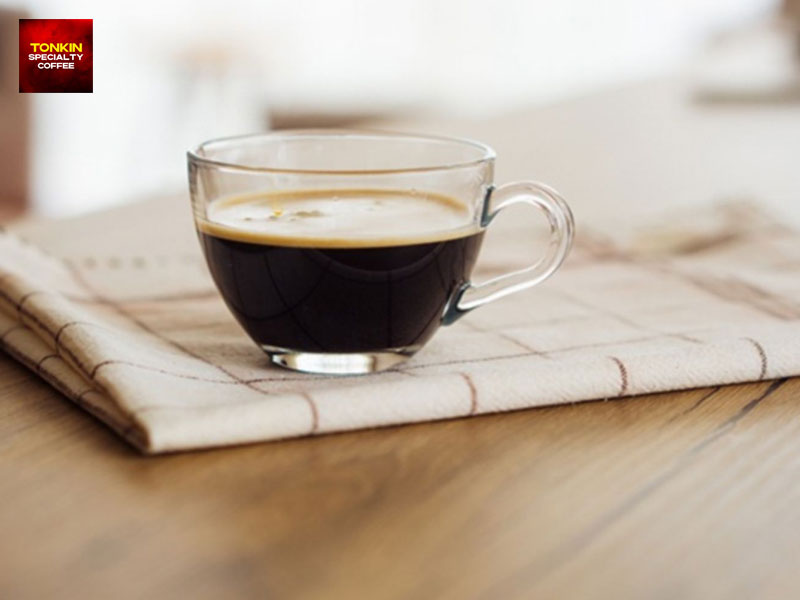
People often describe any intense black coffee as “burnt,” but several different sensations may be involved:
| Sensation | How it feels | What it may suggest |
| Balanced bitterness | Firm, rounded, lingering | Normal coffee structure |
| Burnt flavor | Ashy, smoky, charcoal-like | Excessive roast or preparation problem |
| Astringency | Dry, rough, mouth-puckering | Possible extraction imbalance |
| Sourness | Sharp, tangy, thin | Different from bitterness |
| Chocolate finish | Deep, cocoa-like, slightly dry | Desirable roast character |
Balanced bitterness can be enjoyable, particularly when paired with a dense body and natural flavor notes. Burnt flavor is flatter and tends to hide the bean’s character.
Astringency is also different. It is a physical drying sensation, similar to very strong tea, rather than a taste alone.
Can Vietnamese Black Coffee Taste Smooth?
Yes. Smoothness does not mean the coffee has no bitterness. It means that the bitterness fits naturally with the drink’s aroma, body, perceived sweetness, and finish.
A smooth black coffee may still taste:
- Bold
- Full-bodied
- Deeply roasted
- Chocolatey
- Nutty
- Long-lasting
What it should avoid is a rough or tiring finish. The coffee should move from aroma to flavor and aftertaste without one aggressive sensation dominating the entire cup.
Natural caramel or cocoa notes can create a rounded impression even when no sugar has been added. A clean finish also allows the drinker to take another sip without the palate feeling coated by ashiness or dryness.
Is Fine Robusta Less Bitter Than Regular Robusta?
Fine Robusta is not necessarily mild or low in bitterness. Its main advantage is that careful cultivation, harvesting, processing, roasting, and extraction can make its bitterness cleaner and more balanced.
Compared with lower-grade Robusta, it may taste:
- Less harsh
- More aromatic
- Better defined
- Smoother in texture
- More layered in the aftertaste
The difference is not simply the species of coffee. Ripe cherry selection, processing quality, storage, roast control, and preparation all influence what reaches the cup.
Tonkin Coffee uses Vietnamese Fine Robusta to develop a bold foundation with dark chocolate, toasted nuts, caramel, and subtle spice. The coffee remains full-bodied, but its bitterness is part of a broader flavor structure.
You can explore the role of quality and origin in Tonkin’s guide to the best coffee beans in Vietnam.
Is Vietnamese Black Coffee More Bitter Without Sugar?
Yes. Bitterness is easier to notice when Vietnamese black coffee is served without sugar. However, drinking it unsweetened also makes its aroma, body, and roasted flavor notes clearer.
Sugar changes the sensory balance in several ways:
- It reduces perceived bitterness.
- It can emphasize caramel-like flavors.
- It makes the drink more approachable for beginners.
- Too much may cover subtle cocoa, nut, or spice notes.
The word “black” usually means that the coffee contains no milk or cream, but it does not always guarantee that it is unsweetened. Serving practices vary between cafés.
Travelers who want greater control can request:
- No sugar
- Less sugar
- Sugar on the side
Tasting the coffee plain before adding sugar is a simple way to understand its original character.
Does Ice Make Vietnamese Black Coffee Less Bitter?
Ice can make bitterness feel softer, although it does not remove the coffee’s natural flavor.
Cold temperatures reduce the perception of aroma and taste. As the ice melts, it also dilutes the coffee, gradually making the body and bitterness feel lighter.
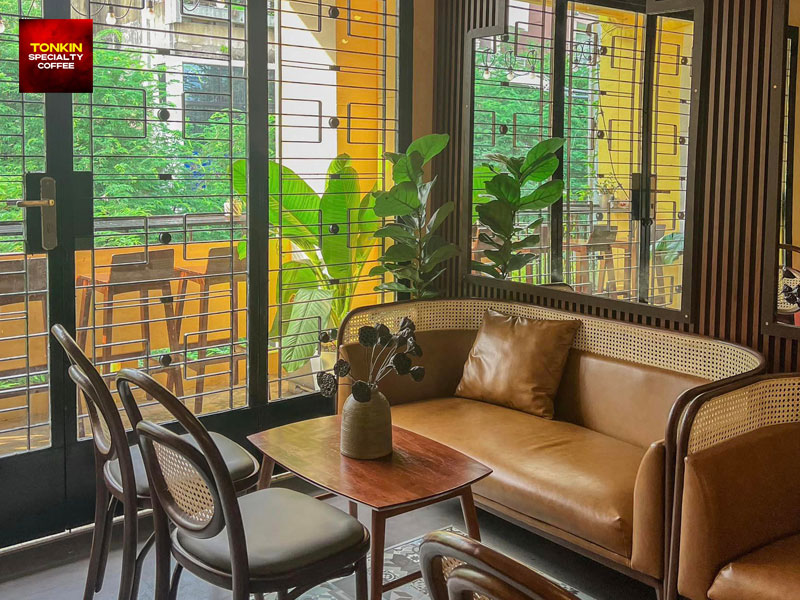
An iced black coffee may therefore be easier for a beginner because:
- The temperature makes the first impression less intense.
- Dilution develops slowly.
- The finish can feel cleaner and more refreshing.
- It suits the warm climate of Ho Chi Minh City.
The first few sips can still be concentrated. Drinkers can notice how the flavor changes as the ice begins to melt rather than waiting until the cup becomes heavily diluted.
How Can Beginners Enjoy Vietnamese Black Coffee?
People who usually drink sweet or milk-forward coffee do not need to begin with a completely unsweetened hot cup.
A more approachable tasting process is:
- Smell the coffee before drinking.
- Begin with a small sip.
- Notice the body before focusing on bitterness.
- Look for cocoa, nuts, caramel, or toasted grain.
- Let a hot cup cool slightly before the next sip.
- Try the iced version for a softer impression.
- Request sugar on the side.
- Drink water between sips to reset the palate.
Pairing the coffee with a croissant, pastry, or light breakfast can also balance the stronger roasted profile.
There is no need to force an unsweetened serving if it does not suit your preferences. The purpose is to understand the coffee, not to prove tolerance for bitterness.
What Should You Order If Black Coffee Still Feels Too Bitter?
Vietnamese coffee culture includes several softer options for people who want to taste the coffee base without experiencing it completely unfiltered.
Vietnamese milk coffee combines a strong coffee foundation with condensed milk. Egg coffee introduces a creamy, custard-like layer, while salt coffee uses lightly salted cream to soften bitterness. Coconut coffee offers a tropical, refreshing profile, and bạc xỉu is especially milk-forward.
These drinks do not necessarily remove the taste of coffee. Instead, they change how sweetness, creaminess, temperature, and texture interact with it.
Tonkin’s guide to Vietnamese coffee for people who dislike bitter coffee can help visitors compare the gentler choices.
Đã chỉnh lại đoạn để nhắc tự nhiên đến Tonkin Coffee menu và vẫn giữ đúng trọng tâm về bitterness.
How Does Tonkin Coffee Balance Bitterness in Black Coffee?
At Tonkin Coffee, the goal is not to eliminate Robusta’s recognizable intensity. Instead, careful bean selection, controlled roasting, and precise extraction are used to create a strong coffee structure without an aggressively harsh finish.
The black coffee profile is:
- Bold and full-bodied
- Smooth rather than rough
- Dark-chocolate forward
- Nutty and lightly caramelized
- Subtly spicy
- Clean in the finish
Guests can try black coffee hot or iced and request no sugar, less sugar, or sugar on the side. It is one of the most direct options on the Tonkin Coffee menu for experiencing Vietnamese Fine Robusta without milk, cream, or flavored toppings changing the coffee’s natural character.
Black coffee is available across Tonkin Coffee’s four central Ho Chi Minh City branches, making it easy to include in a sightseeing, food, or coffee itinerary.
Visit Tonkin Coffee Today!
Tonkin Specialty Coffee
- Add: 91 Ly Tu Trong St., Ben Thanh Ward, Ho Chi Minh City, Vietnam.
- Hotline: 086 799 0125
Tonkin Garden Cafe
- Add: 135/50 Tran Hung Dao St., Cau Ong Lanh Ward, Ho Chi Minh City, Vietnam.
- Hotline: 087 992 4691
Tonkin Egg Coffee
- Add: 1 Le Thi Rieng St., Ben Thanh Ward, Ho Chi Minh City, Vietnam.
- Hotline: 0815 841 909
Tonkin Egg Coffee & Herbal Tea
- Add: 27 Ngo Duc Ke St., Sai Gon Ward, Ho Chi Minh City, Vietnam
Nestled in the heart of Ho Chi Minh City, Tonkin Specialty Coffee is one of the best coffee shops to experience authentic Vietnamese flavors. From the iconic egg coffee and refreshing coconut coffee to bold Vietnamese coffee and the unique salt coffee, every sip is a journey into tradition. For non-coffee lovers, our Vietnamese matcha offers a gentle alternative. Pair your drink with a freshly baked banh mi or a buttery croissant, and savor the true taste of Vietnam in a setting inspired by folk culture and Indochine charm.