

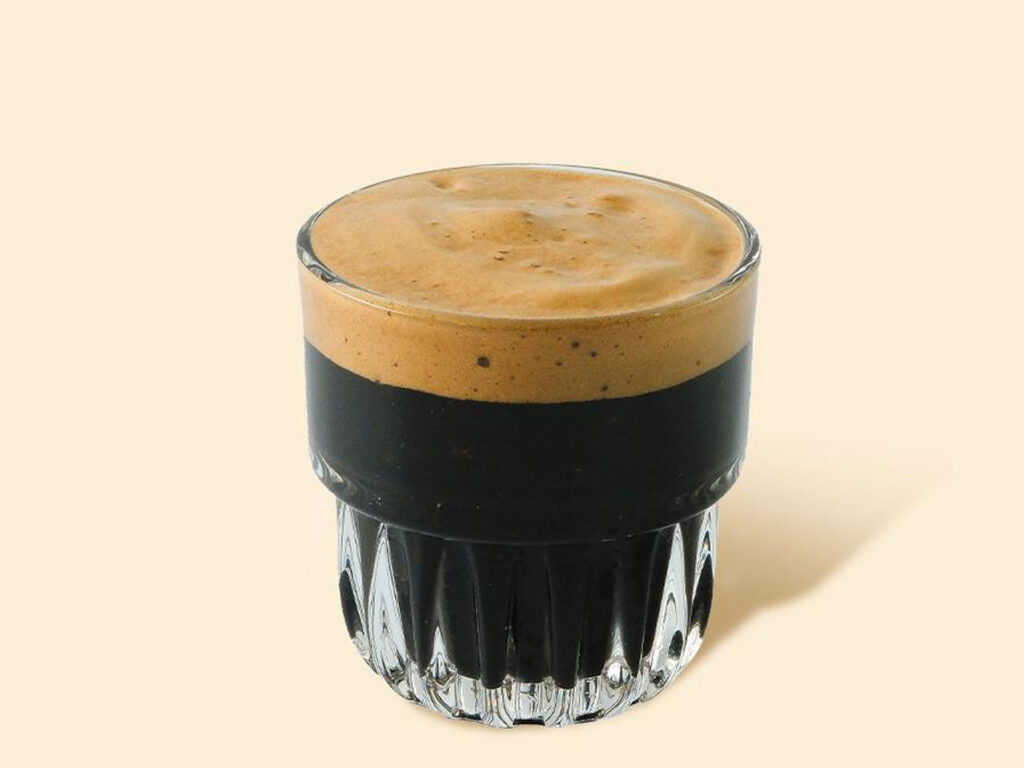
For many first-time visitors, a cup of cà phê đen can look simple but deliver a surprisingly layered experience. So, what does Vietnamese black coffee taste like? It is usually bold, full-bodied, and distinctly roasted, with possible notes of dark chocolate, toasted nuts, caramel, and subtle spice. At Tonkin Coffee, Vietnamese Fine Robusta creates a smooth yet powerful profile that allows drinkers to experience the character of the coffee without milk, cream, or flavored toppings.
What Does Vietnamese Black Coffee Taste Like at First Sip?
The first sip is often concentrated and immediate. Without condensed milk, cream, egg foam, or coconut milk, there is nothing to soften or conceal the natural character of the coffee.
Most cups have several recognizable qualities:
- A deep roasted aroma
- A dense or rounded mouthfeel
- Noticeable but controlled bitterness
- Low to moderate perceived acidity
- A lingering cocoa or toasted-nut finish
Compared with many lightly roasted Arabica coffees, Vietnamese black coffee is usually less floral and less fruit-forward. Its appeal comes from body, depth, roast character, and a finish that remains on the palate after each sip.
However, not every cup tastes the same. Bean quality, roast development, extraction, water ratio, temperature, and added sugar can all change the final experience.
What Aromas and Flavor Notes Can You Notice?
Before drinking, take a moment to smell the coffee. Aroma often gives the first clue about what the cup will taste like.
Common notes include:
- Dark cocoa
- Roasted nuts
- Caramelized sugar
- Toasted grain
- Malt
- Gentle spice
- Light smoky tones
These descriptions do not mean that chocolate, nuts, or spices have necessarily been added. They are sensory notes created by the coffee variety, growing conditions, processing, roasting, and brewing.
A good cup may begin with a strong roasted aroma, develop into dark chocolate or nutty flavors, and finish with a dry but clean aftertaste.
Is Vietnamese Black Coffee Always Very Bitter?
Vietnamese black coffee is usually more bitter than a latte, coconut coffee, or coffee made mainly with milk. However, bitterness should not automatically be confused with poor quality.
Balanced bitterness adds structure and helps create the drink’s bold identity. Unpleasant bitterness often feels rough, burnt, ashy, or excessively dry.
| Sensation | What it may suggest |
| Firm, rounded bitterness | Natural coffee structure |
| Dark chocolate finish | Well-developed roast character |
| Dry and rough mouthfeel | Possible over-extraction |
| Ashy or burnt flavor | Excessive roast or preparation issue |
| Thin and sharply sour taste | Possible under-extraction |
People trying the drink for the first time often notice bitterness before anything else. After several sips, they may begin to detect cocoa, toasted nuts, caramel, or natural sweetness beneath the stronger roast profile.
Those who are especially sensitive to bitterness can explore this guide to the best Vietnamese coffee for people who dislike bitter coffee.
Why Does Vietnamese Black Coffee Taste So Bold?
Several factors contribute to the drink’s intensity.
Robusta creates body and structure
Vietnamese coffee is closely associated with Robusta, a bean known for its full body, strong aroma, low perceived brightness, and noticeable bitterness. Its flavor can include cocoa, roasted grain, nuts, earthiness, and spice.
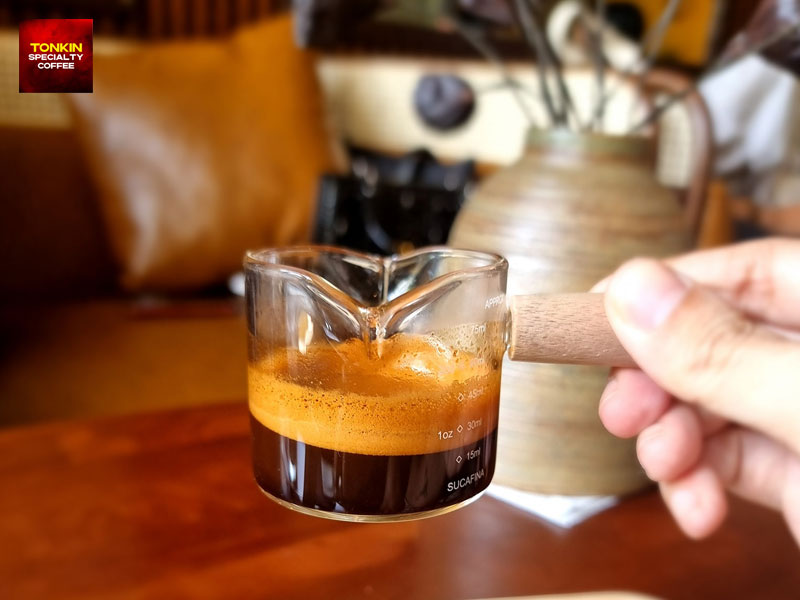
Robusta is also one reason people frequently ask why Vietnamese coffee is so strong. In terms of taste, “strong” usually refers to concentration, body, and roast intensity rather than bitterness alone.
Roast development deepens the flavor
Medium-dark and dark roasting can emphasize chocolate, caramel, nut, and toasted notes. A carefully controlled roast adds depth while preserving balance.
Roasting too aggressively, however, may flatten the coffee’s natural character and create an ashy finish. Bold coffee should still have clarity and identifiable flavors.
Extraction affects concentration
The coffee-to-water ratio, grind size, water temperature, and extraction time influence how intense the drink feels. Too little extraction may produce a thin or sharp cup, while excessive extraction can create dryness and harshness.
For a broader explanation of serving strength and concentration, Tonkin’s guide on how strong Vietnamese coffee is provides additional context.
Does Fine Robusta Taste Different from Ordinary Robusta?
Fine Robusta can retain the bold character associated with Vietnamese coffee while tasting cleaner, smoother, and more layered than lower-grade beans.
Quality begins before roasting. Ripe cherry selection, careful processing, controlled storage, suitable roast development, and consistent preparation all affect the cup.
A well-produced Fine Robusta may offer:
- Dark chocolate depth
- Toasted nut aroma
- Caramel-like sweetness
- Subtle spice
- A dense but smooth body
- A clean, lingering finish
It should not become weak or neutral. The goal is to keep the recognizable strength of Robusta while reducing roughness and bringing out more distinct flavor layers.
Readers interested in bean quality can learn more in Tonkin Coffee’s guide to the best coffee beans in Vietnam.
Does Hot Vietnamese Black Coffee Taste Different from Iced?
Temperature changes how the senses perceive aroma, bitterness, body, and sweetness.
| Feature | Hot black coffee | Iced black coffee |
| Aroma | More open and immediate | More restrained |
| Body | Dense and warming | Becomes lighter as ice melts |
| Bitterness | More noticeable | Gradually softened |
| Finish | Longer and drier | Cleaner and more refreshing |
| Best suited to | Focused tasting | Warm-weather drinking |
Hot black coffee makes roasted aromas easier to notice. Its body can feel heavier, and the bitterness is often more direct.
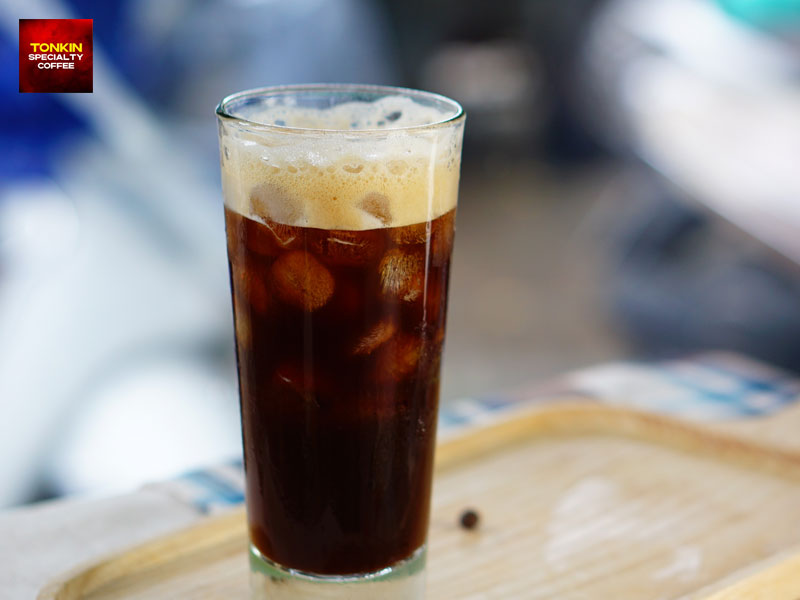
Iced black coffee begins with similar concentration, but dilution gradually makes it lighter. The lower temperature can also reduce the perception of bitterness and aroma, creating a refreshing drink suited to Ho Chi Minh City’s warm climate.
Neither version is automatically better. Hot coffee highlights aroma and finish, while iced coffee offers a more approachable introduction for some first-time drinkers.
Does Vietnamese Black Coffee Contain Sugar?
The word “black” generally means that the drink contains no milk or cream. It does not always guarantee that no sugar has been added.
Serving habits vary between cafés. Some prepare black coffee unsweetened, while others may add sugar according to local preferences or the customer’s request.
Visitors can ask for:
- No sugar
- Less sugar
- Sugar on the side
Sugar can soften bitterness and make caramel-like flavors easier to perceive. Too much, however, may conceal the bean’s more subtle chocolate, nut, or spice notes.
Tasting the coffee plain before adding sugar is the easiest way to understand its original profile.
How Is Vietnamese Black Coffee Different from Americano or Espresso?
Vietnamese black coffee may remind travelers of espresso because both can taste concentrated. However, their sensory experiences are not identical.
| Drink | Typical taste | Body | General impression |
| Vietnamese black coffee | Roasted, chocolatey, nutty, bitter | Full | Bold and lingering |
| Espresso | Concentrated and aromatic | Dense | Short and powerful |
| Americano | Cleaner and more diluted | Light to medium | Mild and extended |
| Cold brew | Smooth and cool | Medium | Gentle and refreshing |
An Americano normally contains more added water, making it feel lighter. Espresso is served in a smaller quantity and delivers a short, concentrated experience. Vietnamese black coffee often sits between them in serving style but maintains its own Robusta-led character and roasted finish.
How Does It Compare with Other Vietnamese Coffee Drinks?
Vietnam offers many drinks that express coffee in different ways.
| Drink | Main experience | Coffee intensity |
| Black coffee | Roasted, bitter, direct | Very high |
| Milk coffee | Sweet, creamy, coffee-forward | High |
| Egg coffee | Creamy and custard-like | Medium to high |
| Salt coffee | Rich, smooth, lightly savory | Medium |
| Coconut coffee | Tropical, creamy, refreshing | Medium |
| Bạc xỉu | Milky and gentle | Low |
Black coffee is the clearest choice for people who want to taste the bean without dairy or cream-based layers. Those who prefer a softer introduction can compare alternatives through Tonkin Coffee’s Vietnamese coffee menu guide for travelers.
Another useful resource is the guide to different types of coffee in Vietnam, which explains how black coffee fits into the country’s wider coffee culture.
Will Vietnamese Black Coffee Taste Too Strong for Beginners?
It may feel intense for someone accustomed to sweet lattes, lightly roasted coffee, or drinks with a large amount of milk. Still, beginners can make the experience easier without completely changing the drink.
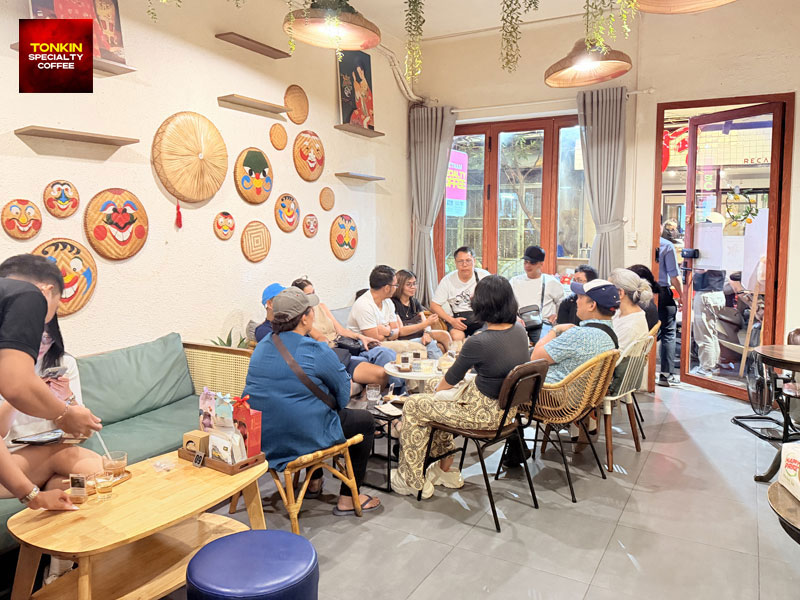
Try these steps:
- Smell the coffee before tasting it.
- Take a small first sip.
- Notice the body before judging the bitterness.
- Look for cocoa, nut, caramel, or toasted notes.
- Add a small amount of sugar only after tasting it plain.
- Choose the iced version if you prefer a more refreshing finish.
- Drink water alongside the coffee to reset your palate.
People who regularly enjoy espresso, Americano, dark chocolate, or unsweetened cold brew are more likely to appreciate it immediately.
Travelers still deciding where to begin can read which Vietnamese coffee is right for first-time visitors.
What Does Vietnamese Black Coffee Taste Like at Tonkin Coffee?
At Tonkin Coffee, black coffee provides a direct way to experience Vietnamese Fine Robusta without condensed milk, cream, or flavored toppings changing the bean’s character.
The expected profile is bold but smooth, with dark chocolate, toasted nuts, caramel, and a subtle touch of spice. The coffee has enough body to feel rich while maintaining a cleaner, more balanced finish than the harsh bitterness sometimes associated with ordinary Robusta.
This makes black coffee a useful starting point for understanding the coffee base that also supports Tonkin’s egg, salt, and coconut drinks.
Where Can You Enjoy Vietnamese Black Coffee at Tonkin Coffee?
Travelers can experience Vietnamese black coffee at four Tonkin Coffee locations in central Ho Chi Minh City. Each branch offers a different atmosphere, while the coffee profile remains focused on Vietnamese Fine Robusta with a bold body, smooth texture, and notes of dark chocolate, toasted nuts, caramel, and subtle spice.
Tonkin Specialty Coffee – 91 Ly Tu Trong Street
Located near Ben Thanh Market and several central attractions, the Ly Tu Trong branch suits travelers who want to explore Vietnamese coffee in a compact, local-style setting. It is a convenient stop before or after walking through the historic center of District 1.
Tonkin Garden Cafe – 135/50 Tran Hung Dao Street
The Tran Hung Dao location offers a calmer garden atmosphere away from the busiest streets. Visitors can take more time to smell the coffee, taste it slowly, and compare how its bitterness, body, and aftertaste develop as the drink cools.
Tonkin Egg Coffee & Herbal Tea – 19 Ngo Duc Ke Street
Positioned close to Nguyen Hue Walking Street, the Saigon Opera House, and Bach Dang Wharf, this branch is convenient for travelers exploring the riverside and downtown area. Guests can try black coffee first, then compare its direct coffee character with egg coffee or one of Tonkin’s herbal drinks.
Tonkin Egg Coffee – 1 Le Thi Rieng Street
The Le Thi Rieng branch is well placed for visitors walking between Tao Dan Park, Ben Thanh Market, and the surrounding food streets. Its central location makes it easy to include a Vietnamese black coffee break in a morning sightseeing or local food itinerary.
Trying black coffee at one of these four Tonkin Coffee branches allows visitors to experience Fine Robusta without milk, cream, or flavored toppings. For a simple comparison, taste the coffee plain first, then notice how ice or a small amount of sugar changes its aroma, bitterness, body, and finish.
Is Vietnamese Black Coffee Worth Trying?
Vietnamese black coffee is worth trying because it presents the country’s coffee character in one of its most direct forms.
It can be bitter, but it should offer more than bitterness. A carefully prepared cup reveals depth, body, roasted aroma, dark chocolate, toasted nuts, caramel, and a lingering finish.
First-time drinkers can begin with an iced version or request sugar on the side. Those who already enjoy intense, coffee-forward drinks may prefer it hot and unsweetened.
At Tonkin Coffee, black coffee allows visitors to taste the bold, smooth, and complex qualities of Vietnamese Fine Robusta before exploring the country’s creamier coffee specialties.
Visit Tonkin Coffee Today!
Tonkin Specialty Coffee
- Add: 91 Ly Tu Trong St., Ben Thanh Ward, Ho Chi Minh City, Vietnam.
- Hotline: 086 799 0125
Tonkin Garden Cafe
- Add: 135/50 Tran Hung Dao St., Cau Ong Lanh Ward, Ho Chi Minh City, Vietnam.
- Hotline: 087 992 4691
Tonkin Egg Coffee
- Add: 1 Le Thi Rieng St., Ben Thanh Ward, Ho Chi Minh City, Vietnam.
- Hotline: 0815 841 909
Tonkin Egg Coffee & Herbal Tea
- Add: 27 Ngo Duc Ke St., Sai Gon Ward, Ho Chi Minh City, Vietnam
Nestled in the heart of Ho Chi Minh City, Tonkin Specialty Coffee is one of the best coffee shops to experience authentic Vietnamese flavors. From the iconic egg coffee and refreshing coconut coffee to bold Vietnamese coffee and the unique salt coffee, every sip is a journey into tradition. For non-coffee lovers, our Vietnamese matcha offers a gentle alternative. Pair your drink with a freshly baked banh mi or a buttery croissant, and savor the true taste of Vietnam in a setting inspired by folk culture and Indochine charm.