

At Tonkin Coffee, Vietnamese coffee drinks ranked by flavor reveal a wide spectrum that goes far beyond the idea of coffee being simply strong or sweet. Some cups highlight the deep roasted character of Fine Robusta, while others create a smoother experience through milk, salt, egg cream, or coconut. This guide compares popular Vietnamese coffee drinks by intensity, sweetness, texture, and aroma, helping readers understand how each recipe creates its own distinct flavor profile.
How are Vietnamese coffee drinks ranked by flavor?
The drinks are ranked according to how clearly the original coffee remains at the center of the cup. Black coffee appears first because its roasted character is not softened by dairy, while bạc xỉu appears last because milk and sweetness are more prominent than coffee intensity.
Four main characteristics shape the ranking:
- Coffee intensity: How noticeable the roasted coffee base is.
- Sweetness: Whether sweetness supports or dominates the drink.
- Creaminess: How much milk, cream, egg foam, or coconut changes the texture.
- Added flavor: Whether salt, coconut, or egg cream creates a second dominant character.
| Rank | Drink | Coffee intensity | Sweetness | Texture | Main impression |
| 1 | Vietnamese Black Coffee | Very high | Low | Full-bodied | Direct and roasted |
| 2 | Nâu Tonkin | High | Medium | Smooth | Bold but rounded |
| 3 | Salt Coffee | Medium-high | Medium | Creamy | Sweet and lightly savory |
| 4 | Egg Coffee | Medium | Medium-high | Silky | Custard-like and rich |
| 5 | Coconut Coffee | Medium-low | High | Creamy | Tropical and aromatic |
| 6 | Bạc Xỉu | Low | High | Milky | Gentle and sweet |
Which Vietnamese coffee tastes the boldest?
Vietnamese black coffee stands at the most coffee-forward end of the ranking. With no cream or milk covering the base, its aroma, body, bitterness, and roasted finish remain clearly noticeable.
Rank 1: Vietnamese Black Coffee
A carefully prepared black coffee can reveal more than simple strength. Fine Robusta may offer dark chocolate, roasted nut, and caramel notes, supported by a dense body and a lingering finish.
Bitterness is part of the drink’s structure, but it should not feel burnt or uncontrolled. A balanced cup remains bold while allowing its natural flavors to develop as the coffee settles.
This profile is especially relevant to espresso drinkers and people who prefer coffee without a dominant layer of dairy or sweetness. For a broader explanation of common menu terms, Vietnamese coffee menu guide for travelers can provide useful context before comparing individual recipes.
Which drink keeps a bold coffee taste while adding sweetness?
Nâu Tonkin preserves a recognizable Fine Robusta base while using milk to create a smoother and more rounded cup. It is less direct than black coffee but remains more coffee-led than bạc xỉu.
Rank 2: Nâu Tonkin
The first sip presents roasted coffee, followed by gentle milk sweetness that softens the sharper edges. This creates a balanced profile in which neither component completely overpowers the other.
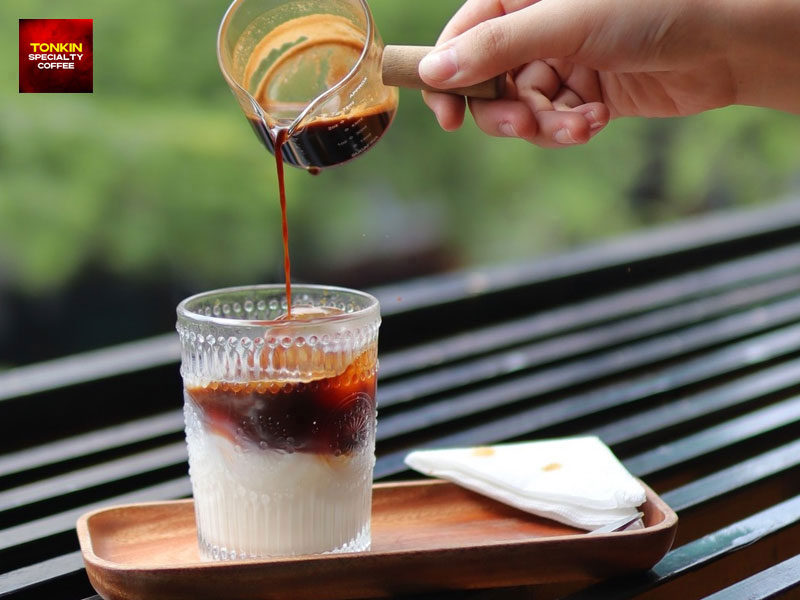
Its texture is smoother than black coffee but lighter than drinks made with egg cream or coconut. Caramel-like sweetness can also complement the natural chocolate and roasted nut character of the coffee.
This position makes Nâu Tonkin an important bridge in the ranking. It demonstrates how milk can reshape body and bitterness without turning coffee into a background accent.
Which Vietnamese coffee has the most balanced sweet and savory flavor?
Salt coffee occupies the middle of the spectrum because it combines a noticeable coffee base with cream, sweetness, and a subtle savory contrast. A well-made version should not taste distinctly salty.
Rank 3: Salt Coffee
Salt influences how the palate perceives sweetness and bitterness. When used carefully, it can reduce harshness, improve balance, and make the roasted character feel smoother.
The cream contributes a soft mouthfeel, while the coffee prevents the drink from becoming overly rich. Its finish is rounder than black coffee and Nâu Tonkin, yet it remains less dessert-like than egg coffee.
People deciding What should order at a Vietnamese coffee shop often focus only on sweetness or strength. Salt coffee shows why contrast is equally important: sweetness feels more controlled when supported by a light savory note.
Which Vietnamese coffee has the richest texture?
Egg coffee ranks highest for its whipped, custard-like mouthfeel. Its character comes from the contrast between smooth egg cream and a deeper Fine Robusta base.
Rank 4: Egg Coffee
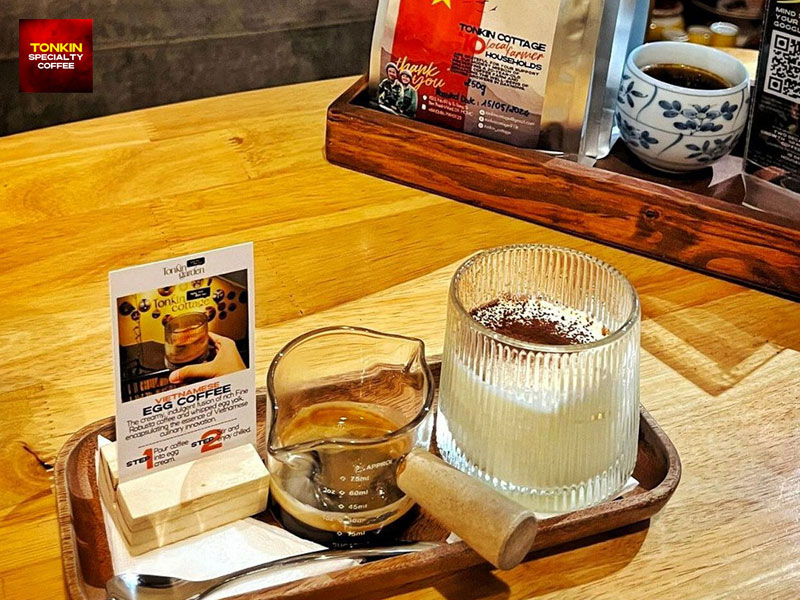
At Tonkin Coffee, egg coffee is served cold. The egg cream is prepared with fresh eggs, sugar, honey, and rum, creating a silky layer without an unpleasant egg smell. It is then paired with chilled coffee for a balanced, smooth finish.
The cream can feel similar to light custard or mousse, but the coffee underneath remains essential. Its bitterness adds structure and prevents the drink from tasting like a simple sweet dessert.
A useful way to experience the layers is to taste the cream first and then add or mix the coffee gradually. This makes it easier to notice how the drink changes from sweet and silky to deeper and more roasted.
Articles covering Vietnamese coffee drinks explained for tourists can introduce the basic ingredients, while this ranking clarifies how the flavors compare.
Which Vietnamese coffee tastes the most tropical?
Coconut coffee combines roasted coffee with the fragrance and sweetness of coconut. It sits near the creamy end of the spectrum because its tropical aroma is often more immediately noticeable than the coffee itself.
Rank 5: Coconut Coffee
Coconut milk creates a smooth body and softens roasted intensity. Coconut flakes may add texture, allowing the drink to feel creamy and slightly layered rather than completely uniform.
The coffee still performs an important role. Without it, coconut sweetness could become one-dimensional. The roasted base adds depth and contrast, particularly through chocolate and caramel notes.
Compared with egg coffee, coconut coffee feels more aromatic and tropical. Egg coffee is richer and more custard-like, while coconut coffee is lighter in character and led by fragrance.
Which Vietnamese coffee has the mildest coffee flavor?
Bạc xỉu places milk and sweetness before roasted intensity. Coffee remains present, but it works primarily as an accent rather than the main flavor.
Rank 6: Bạc Xỉu
The higher proportion of milk gives bạc xỉu a gentle body and soft finish. Its sweetness is usually more noticeable than its bitterness, making it clearly different from Nâu Tonkin.
Although both drinks combine coffee and milk, their structures are reversed. Nâu Tonkin begins with coffee and uses milk to round it out. Bạc xỉu begins with a milk-forward base and uses coffee to provide aroma and contrast.
Discussions about Vietnamese coffee is easiest for foreigners to enjoy may highlight softer flavor profiles, but preference still depends on personal taste. Someone who regularly drinks espresso may find black coffee more familiar than a sweet, milk-heavy cup.
How do all six drinks compare on one flavor spectrum?
The complete progression can be understood as:
Black Coffee – Nâu Tonkin – Salt Coffee – Egg Coffee – Coconut Coffee – Bạc Xỉu
Black coffee and Nâu Tonkin occupy the coffee-forward end. Both allow the roasted base to remain recognizable, although Nâu Tonkin adds more sweetness and softness.
Salt coffee and egg coffee form the balanced middle. Salt coffee uses sweet-savory contrast, while egg coffee creates balance through the relationship between custard-like cream and coffee bitterness.
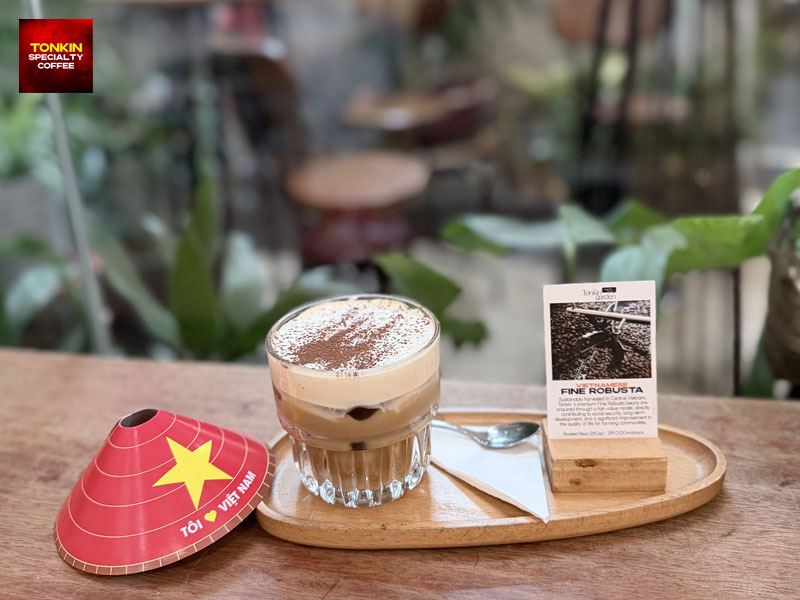
Coconut coffee and bạc xỉu sit at the creamy end. Coconut coffee is distinguished by tropical aroma, while bạc xỉu is defined by its high milk ratio and gentle coffee presence.
Can the flavor ranking change between cafés?
Yes. Bean quality, extraction, ingredient ratios, temperature, and preparation consistency can change where a drink seems to sit on the spectrum.
Poor extraction may make black coffee taste unnecessarily harsh. Too much cream can hide the coffee in salt coffee, while too much sweetness may overwhelm egg or coconut coffee. Even bạc xỉu requires enough coffee to provide aroma and prevent the milk from tasting flat.
Personal perception also matters. People vary in their sensitivity to bitterness, sweetness, salt, richness, and aroma. The ranking therefore provides a sensory framework rather than a universal judgment.
Where can you explore these flavors in Ho Chi Minh City?
Tonkin Coffee prepares these Vietnamese coffee styles using Fine Robusta sourced from Gia Lai. The beans offer a smooth, full-bodied foundation with chocolate, roasted nut, and caramel characteristics that can remain recognizable across different recipes.
The core drinks and quality standards are consistent across Tonkin Coffee’s four locations. Each branch offers a different setting, but its name does not limit the available menu.
Tonkin Specialty Coffee
Located at 91 Ly Tu Trong Street, Ben Thanh Ward, this is the flagship branch. Its central location makes it convenient for exploring the full flavor spectrum near Ben Thanh Market and other central attractions.
Tonkin Garden Cafe
Located at 135/50 Tran Hung Dao Street, Ben Thanh Ward, this branch offers a quieter garden atmosphere inside an alley while maintaining the same core recipes.
Tonkin Egg Coffee
Located at 1 Le Thi Rieng Street, Ben Thanh Ward, this café serves more than its signature egg coffee. Guests can also compare other Vietnamese coffee styles from the shared menu.
Tonkin Egg Coffee & Herbal Tea
Located at 27 Ngo Duc Ke Street, Sai Gon Ward, this branch is close to Nguyen Hue Walking Street, Dong Khoi, Bitexco, Bach Dang Wharf, and the Saigon River.
How can you create your own tasting sequence?
A structured tasting can begin with black coffee to establish the base flavor. Nâu Tonkin can follow to show how milk changes body and bitterness, while salt coffee introduces sweet-savory contrast.
Egg coffee then demonstrates how whipped cream changes texture. Coconut coffee adds tropical aroma, and bạc xỉu completes the sequence with the mildest, most milk-forward profile.
You do not need to order all six drinks at once. The sequence simply helps explain how Vietnamese coffee can move from direct and roasted to smooth, creamy, and dessert-like.
FAQ
Is Vietnamese coffee always very bitter?
No. Its perceived bitterness depends on bean quality, extraction, sweetness, milk ratio, and added ingredients. Fine Robusta can taste bold without becoming harsh.
Does salt coffee taste salty?
A balanced salt coffee should have only a subtle savory note. Salt is used to shape sweetness and reduce perceived harshness rather than dominate the cup.
Is egg coffee sweeter than coconut coffee?
Egg coffee generally feels richer and more custard-like, while coconut coffee often appears sweeter because of its tropical aroma. The exact result depends on the recipe.
What is the difference between Nâu Tonkin and bạc xỉu?
Nâu Tonkin is coffee-led and softened by milk. Bạc xỉu is milk-led, with coffee providing aroma and a light roasted accent.
Visit Tonkin Coffee Today!
Tonkin Specialty Coffee
- Add: 91 Ly Tu Trong St., Ben Thanh Ward, Ho Chi Minh City, Vietnam.
- Hotline: 086 799 0125
Tonkin Garden Cafe
- Add: 135/50 Tran Hung Dao St., Cau Ong Lanh Ward, Ho Chi Minh City, Vietnam.
- Hotline: 087 992 4691
Tonkin Egg Coffee
- Add: 1 Le Thi Rieng St., Ben Thanh Ward, Ho Chi Minh City, Vietnam.
- Hotline: 0815 841 909
Tonkin Egg Coffee & Herbal Tea
- Add: 27 Ngo Duc Ke St., Sai Gon Ward, Ho Chi Minh City, Vietnam
Nestled in the heart of Ho Chi Minh City, Tonkin Specialty Coffee is one of the best coffee shops to experience authentic Vietnamese flavors. From the iconic egg coffee and refreshing coconut coffee to bold Vietnamese coffee and the unique salt coffee, every sip is a journey into tradition. For non-coffee lovers, our Vietnamese matcha offers a gentle alternative. Pair your drink with a freshly baked banh mi or a buttery croissant, and savor the true taste of Vietnam in a setting inspired by folk culture and Indochine charm.