

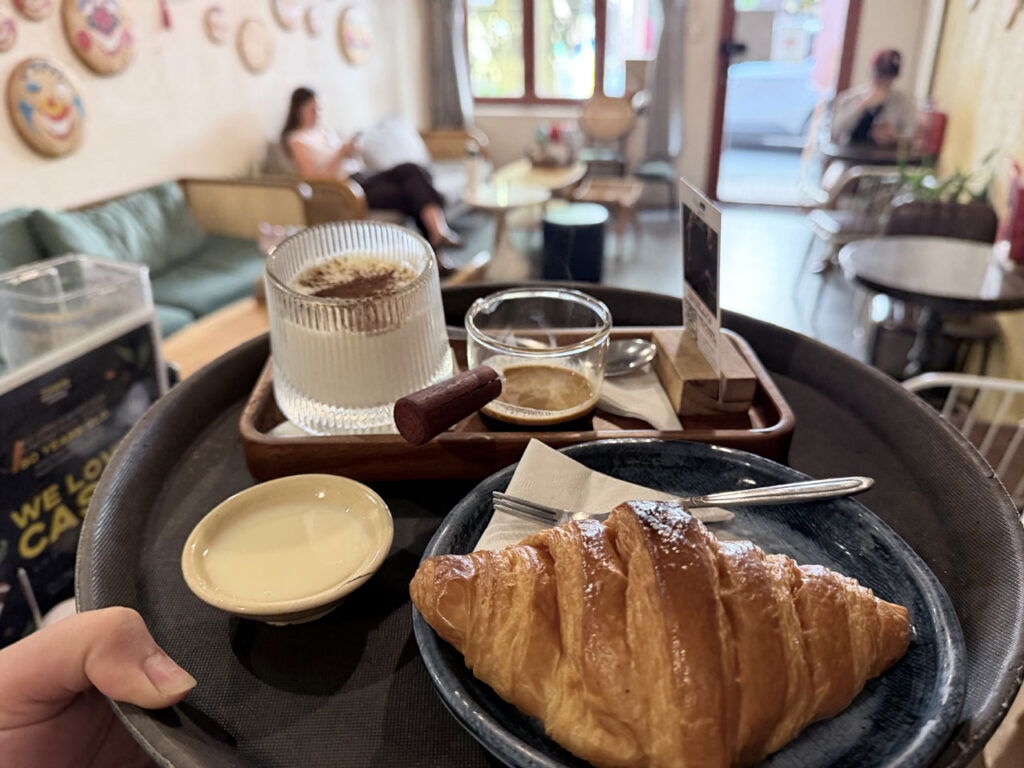
Vietnamese coffee is bold, but it does not have to feel harsh. At Tonkin Coffee in Ho Chi Minh City, people who wonder about the best Vietnamese coffee for people who dislike bitter coffee can choose smoother options such as bạc xỉu, coconut coffee, egg coffee, and salt coffee, where milk, cream, or coconut helps soften the coffee’s natural depth.
Which Vietnamese Coffee Is Best For People Who Dislike Bitterness?
People who dislike bitter coffee should start with bạc xỉu, coconut coffee, or egg coffee. These drinks use milk, coconut, or cream to soften the strong character of Vietnamese coffee, making each cup easier to enjoy than traditional black coffee.
Vietnamese coffee often has a deep body because Robusta plays an important role in local coffee culture. A well-prepared cup can show notes of dark chocolate, roasted nuts, caramel, and smooth depth. When paired with milk, cream, or coconut, that bold flavor becomes more rounded and friendly for new drinkers.
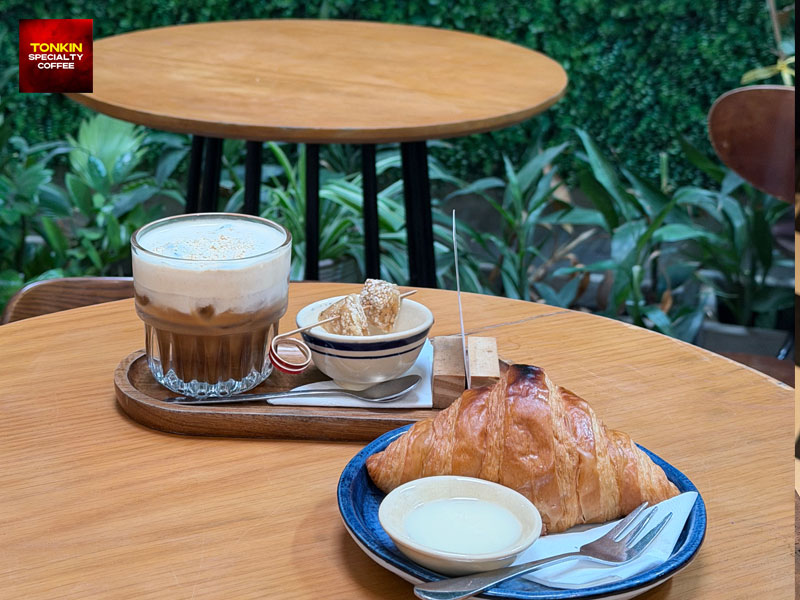
This is why the question which Vietnamese coffee is right for first-time visitors should not be answered with only one drink. The better answer depends on how much bitterness, sweetness, creaminess, and caffeine strength each guest can enjoy.
Why Bạc Xỉu Is A Gentle First Choice
Bạc xỉu is one of the easiest Vietnamese coffee drinks for people who dislike bitterness. Compared with Vietnamese milk coffee, bạc xỉu usually feels milkier, softer, and less intense. The coffee remains present, but the milk creates a smoother drinking experience.
This drink is suitable for guests who enjoy latte-style drinks but want something more local. Bạc xỉu is also a safe choice for visitors who are curious about Vietnamese coffee but worried that the flavor may be too strong.
At Tonkin Coffee, bạc xỉu can work as a calm starting point before guests move toward bolder options such as Vietnamese milk coffee, egg coffee, or salt coffee. The drink helps new visitors understand Vietnamese coffee without forcing them into the strongest flavor immediately.
Why Coconut Coffee Feels Smooth And Refreshing
Coconut coffee is another good option for people who want less bitterness. The coconut flavor adds a cold, creamy, tropical layer that makes the coffee feel lighter and more refreshing. This drink is especially suitable for warm weather in Ho Chi Minh City.
A guest who dislikes bitter coffee may enjoy coconut coffee because the coconut softens the coffee base without hiding the drink completely. The result feels sweet, cold, and easy to drink after walking through central Saigon.
For travelers planning coffee drinks to try on a hot day in Saigon, coconut coffee is a practical choice. The drink feels cooling, flavorful, and comfortable for visitors who want a Vietnamese coffee experience without a harsh aftertaste.
Can Egg Coffee Reduce The Bitter Taste?
Egg coffee can reduce the bitter taste of Vietnamese coffee because the egg cream adds sweetness, body, and a smooth texture. The coffee base still gives depth, but the creamy top layer makes the overall experience softer and more dessert-like.
Many visitors wonder whether egg coffee a dessert or a coffee because the drink sits between both experiences. Egg coffee has real coffee character, but the cream layer creates a rich mouthfeel that reminds some guests of custard, tiramisu, or a sweet café dessert.
This balance makes egg coffee useful for people who want a signature Vietnamese drink but do not want to begin with black coffee. The creamy structure helps reduce bitterness while keeping the cup memorable.
Who Should Choose Egg Coffee?
Egg coffee is a good choice for people who like creamy drinks, gentle sweetness, and a rich texture. The drink is especially suitable for guests who enjoy dessert-style beverages but still want a clear Vietnamese coffee identity.
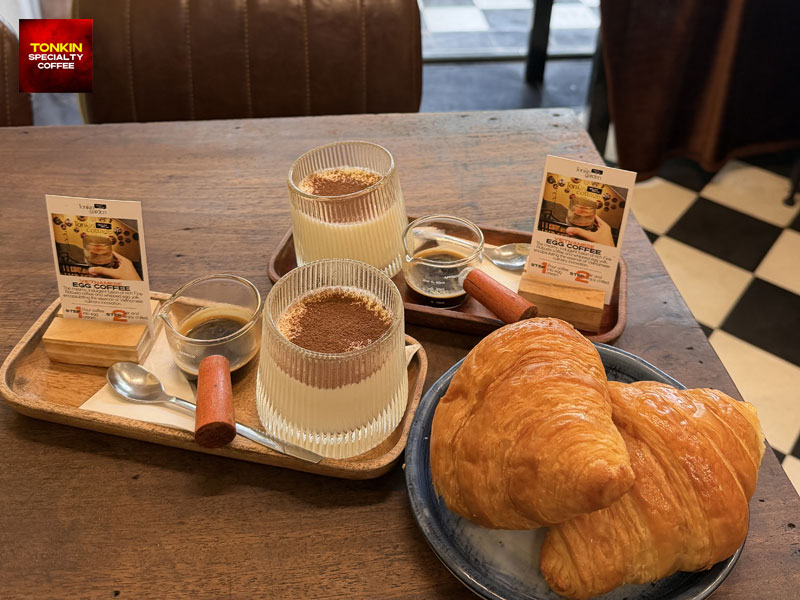
A visitor who likes cappuccino, mocha, tiramisu, custard, or cream-based drinks may enjoy egg coffee more than traditional black coffee. The drink feels special without being difficult to understand.
However, egg coffee may not be the best choice for everyone. Guests who dislike creamy textures or prefer something cold and light may feel more comfortable with coconut coffee, bạc xỉu, or salt coffee.
Is Vietnamese Milk Coffee Too Bitter For Beginners?
Vietnamese milk coffee is stronger than bạc xỉu, but condensed milk helps soften the bitterness. The drink still tastes bold, sweet, and deeply connected to everyday Vietnamese coffee culture.
For people who dislike bitter coffee, Vietnamese milk coffee can be a good middle option if they still enjoy a clear coffee flavor. The condensed milk adds sweetness and richness, while the coffee keeps its depth and strength.
When visitors ask which Vietnamese coffee should tourists try first, Vietnamese milk coffee is a good answer for people who already enjoy strong iced coffee. For guests who are more sensitive to bitterness, bạc xỉu or coconut coffee may be easier.
How Does Salt Coffee Balance Bitterness?
Salt coffee can feel smoother than expected because a light salty note helps balance sweetness and bitterness. The purpose of salt coffee is not to make the drink taste salty in a heavy way. Instead, the salted cream can make the coffee feel rounder and more balanced.
This drink is suitable for guests who want something modern but not too heavy. Salt coffee is usually less rich than egg coffee and less tropical than coconut coffee, making the drink a balanced choice for people who want a soft but interesting flavor.
For people who dislike bitterness, salt coffee can be a good bridge between classic Vietnamese coffee and newer café-style drinks. The cream softens the coffee, while the salt adds a distinctive finish.
What Should People Avoid If They Dislike Bitter Coffee?
People who dislike bitterness should avoid starting with Vietnamese black coffee. Black coffee shows the full strength of the coffee base without milk, cream, or coconut to soften the flavor. For guests who are not used to Robusta, the drink may feel too intense.
Visitors should also be careful with drinks that have very little milk or very strong coffee concentration. These options may be enjoyable for experienced coffee drinkers, but beginners who dislike bitter notes may prefer a smoother path.
A simple approach is to begin with bạc xỉu, coconut coffee, egg coffee, or salt coffee. After becoming more familiar with Vietnamese coffee, guests can try Vietnamese milk coffee or black coffee later.
How Can Guests Order Vietnamese Coffee With Less Bitterness?
Guests can reduce bitterness by choosing drinks with milk, coconut, cream, or salted cream. These ingredients do not remove the coffee identity, but they make the flavor smoother and more balanced.
A guest can also ask the barista for a recommendation based on sweetness and coffee strength. This is helpful because Vietnamese coffee names may be unfamiliar to international visitors.
At Tonkin Coffee, experienced baristas can guide guests toward a suitable drink. Someone who wants a soft drink may choose bạc xỉu. Someone who wants a creamy signature cup may choose egg coffee. Someone who wants a cold and refreshing drink may choose coconut coffee. Someone who wants a balanced modern flavor may choose salt coffee.
What Makes Tonkin Coffee A Good Place For Less Bitter Vietnamese Drinks?
Tonkin Coffee is a helpful place for people who dislike bitter coffee because the menu includes several smoother Vietnamese drink choices. Guests can explore bạc xỉu, egg coffee, coconut coffee, salt coffee, and Vietnamese milk coffee based on personal taste, weather, and coffee strength.
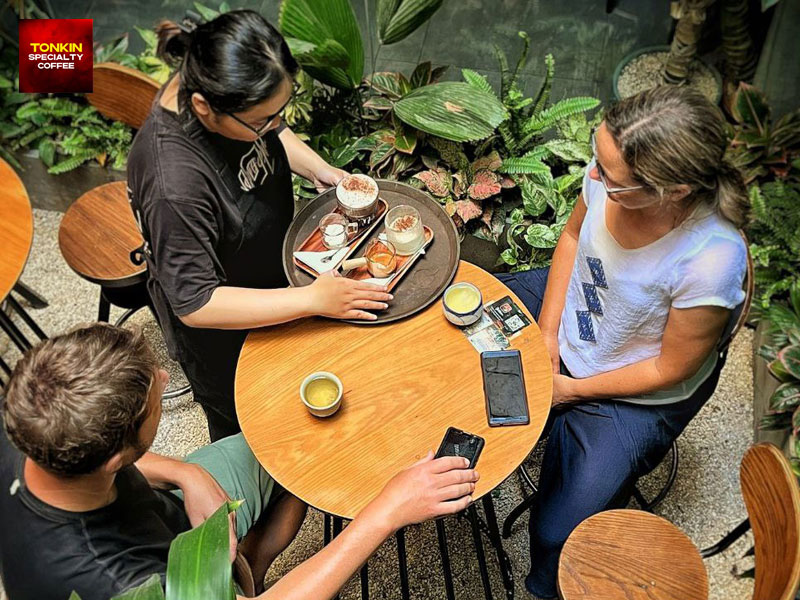
The coffee experience at Tonkin Coffee begins with Vietnamese Fine Robusta from the highlands, where rich basalt soil, cool mountain air, and generations of farming knowledge shape the character of the beans. This origin gives Tonkin Coffee a clean, bold profile with a full body and layered notes of dark chocolate, roasted nuts, and caramel.
Tonkin Coffee also focuses on balanced flavor, quality ingredients, and careful preparation. The brand works directly with dedicated farming families in Gia Lai, building long-term relationships that support quality, transparency, and farmer stability from harvest to cup.
The café spaces are comfortable and inspired by Vietnamese folk culture, giving visitors a relaxed setting to experience local drink culture. Beyond coffee, Tonkin Coffee also serves matcha made with ingredients from Northwest Vietnam and Vietnamese herbal tea, creating more choices for guests who want something lighter or less coffee-focused.
What Is The Best Choice By Taste Preference?
People who dislike bitterness should choose Vietnamese coffee by comfort level, not popularity alone. Each drink has a different balance of coffee strength, sweetness, creaminess, and refreshment.
| Taste preference | Best choice | Why it works |
| Very light and milky | Bạc xỉu | Softer than regular Vietnamese coffee |
| Cold and tropical | Coconut coffee | Refreshing and less harsh |
| Creamy and memorable | Egg coffee | Sweet cream softens the coffee |
| Smooth and modern | Salt coffee | Salted cream balances bitterness |
| Strong but sweet | Vietnamese milk coffee | Condensed milk rounds the bold coffee |
| Pure and intense | Black coffee | Best for experienced coffee drinkers |
This guide helps guests make a better decision before ordering.
A person who dislikes bitterness does not need to avoid Vietnamese coffee completely; the right drink can make the experience enjoyable.
Visit Tonkin Coffee Today!
Tonkin Specialty Coffee
- Add: 91 Ly Tu Trong St., Ben Thanh Ward, Ho Chi Minh City, Vietnam.
- Hotline: 086 799 0125
Tonkin Garden Cafe
- Add: 135/50 Tran Hung Dao St., Cau Ong Lanh Ward, Ho Chi Minh City, Vietnam.
- Hotline: 087 992 4691
Tonkin Egg Coffee
- Add: 1 Le Thi Rieng St., Ben Thanh Ward, Ho Chi Minh City, Vietnam.
- Hotline: 0815 841 909
Tonkin Egg Coffee & Herbal Tea
- Add: 1st Floor, 27 Ngo Duc Ke St., Sai Gon Ward, Ho Chi Minh City, Vietnam
Nestled in the heart of Ho Chi Minh City, Tonkin Specialty Coffee is one of the best coffee shops to experience authentic Vietnamese flavors. From the iconic egg coffee and refreshing coconut coffee to bold Vietnamese coffee and the unique salt coffee, every sip is a journey into tradition. For non-coffee lovers, our Vietnamese matcha offers a gentle alternative. Pair your drink with a freshly baked banh mi or a buttery croissant, and savor the true taste of Vietnam in a setting inspired by folk culture and Indochine charm.