

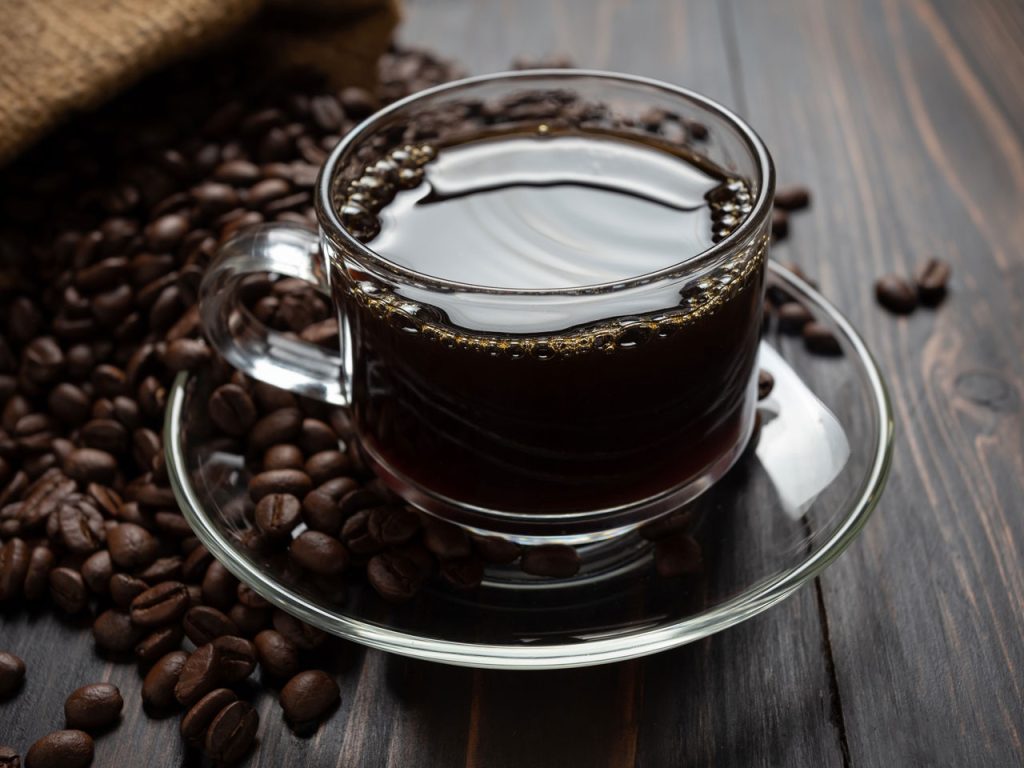
A dark cup of coffee without milk or sugar can look a little intimidating at first. At Tonkin Coffee, however, smooth Vietnamese black coffee without sugar is less about enduring bitterness and more about noticing balance, body and a clean finish. Fine Robusta can remain bold while revealing dark chocolate, toasted nuts and a light spicy character, especially when the beans are carefully roasted and extracted. This guide explains what genuine smoothness feels like, why some cups taste harsh and how to enjoy Vietnamese black coffee naturally during a coffee stop in Saigon.
Can Vietnamese Black Coffee Really Taste Smooth Without Sugar?
Vietnamese black coffee can taste smooth without sugar when clean beans, controlled roasting and balanced extraction work together. The cup may still have noticeable bitterness, but it should feel rounded rather than sharp, with a full body and a finish that fades without leaving an unpleasant burnt taste.
“Smooth” does not mean weak. It also does not mean completely free from bitterness. In black coffee, smoothness is better understood as balance: no single characteristic becomes so aggressive that it overwhelms everything else.
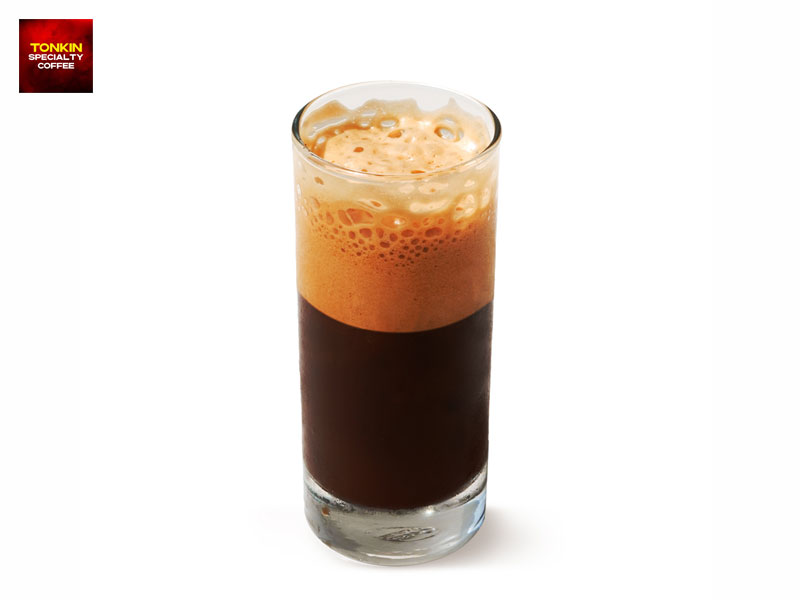
A smooth cup should make the second sip feel easier than the first. You may notice cocoa, toasted nuts or a gentle spicy note appearing behind the initial intensity. That gradual discovery is part of the pleasure.
What Does Smoothness Feel Like Throughout a Sip of Black Coffee?
Smoothness is not a separate flavor that can be identified like chocolate or caramel. It describes how the coffee moves from aroma to body and aftertaste without becoming sharp, hollow, burnt or tiring.
How should the first sip feel?
The first sip may be direct, especially for someone accustomed to milk-based coffee. However, it should not feel like a sudden wall of bitterness.
Look for:
- A clear roasted aroma
- Firm but comfortable intensity
- No sharp sourness
- No immediate burnt taste
- Enough body to feel substantial
The guide to what does Vietnamese black coffee taste like explores the broader flavor profile, but when tasting without sugar, I pay particular attention to whether the coffee invites another sip.
How should the middle of the sip develop?
A balanced cup should feel connected from beginning to end. The body should not disappear suddenly, leaving only bitterness behind.
This is often where Fine Robusta becomes interesting. Dark chocolate and toasted nut impressions can make the coffee feel rounded, while a light spice note adds depth without making the cup rough.
How should the finish feel?
The finish may be dry, but it should not leave the mouth uncomfortably tight. A clean aftertaste gradually fades while preserving a little cocoa, roasted grain or nutty character.
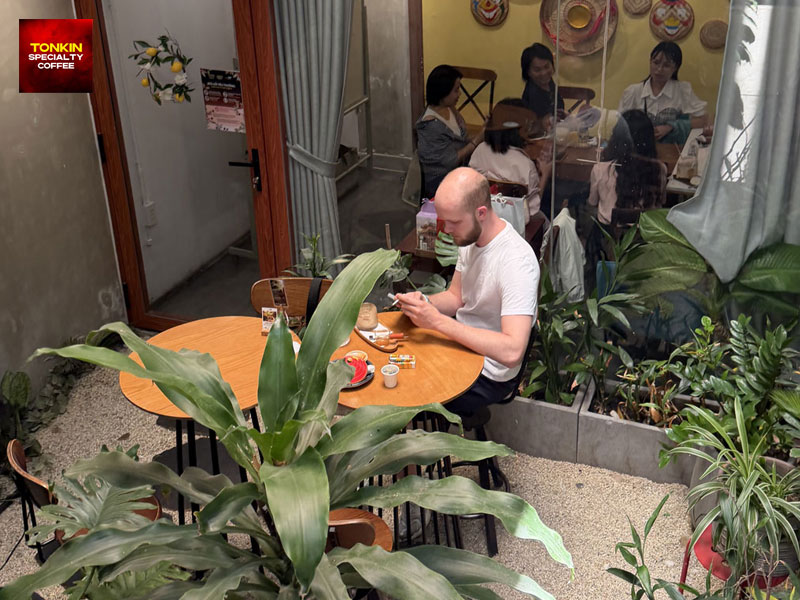
Personally, I wait for about ten seconds before deciding whether a black coffee is smooth. The first impact tells only part of the story; what remains afterward is often more revealing…
Why Does Some Vietnamese Black Coffee Taste Harsh Without Sugar?
Harshness can result from defective beans, overly aggressive roasting, unsuitable grinding or excessive extraction. Sugar may cover part of the unpleasant bitterness, but it cannot restore aroma, clarity or balance to a poorly prepared cup.
Roasting coffee very dark does not automatically make it authentically Vietnamese. When roasting goes too far, the bean’s own character may be replaced by smoke, ash and a persistent burnt aftertaste.
Extraction also matters. Allowing water to remain in contact with the grounds for too long can draw out dry and bitter compounds. The cup may strangely feel both thin and harsh: there is little satisfying body, yet the unpleasant finish remains.
This is why the question is Vietnamese black coffee stronger than espresso cannot be answered simply by judging bitterness. Concentration, caffeine, body and harshness are separate qualities.
Does Fine Robusta Need Sugar to Become Easy to Drink?
Fine Robusta does not need sugar to become enjoyable. Careful harvesting, processing, roasting and extraction can preserve its natural intensity while replacing rough bitterness with a more composed combination of chocolate, toasted nuts and gentle spice.
Tonkin Coffee uses Fine Robusta from Gia Lai in Vietnam’s Central Highlands. The coffee is bold enough to remain clear in creative drinks, yet it can also stand alone as black coffee.
Without milk or sugar, there is nowhere for defects to hide. That is exactly why an unsweetened cup can be useful: it reveals whether the coffee itself has clarity, body and a clean finish.
The discussion around Vietnamese black coffee vs Americano also highlights this structure. An Americano generally feels lighter because espresso is extended with water, whereas Vietnamese black coffee tends to preserve a denser body and deeper roasted character.
Is Naturally Smooth Coffee the Same as Sweet Coffee?
No. Smoothness refers to texture, balance and the absence of harsh edges. Sweetness is a flavor sensation. Black coffee may suggest caramel, malt or cocoa without tasting as though sugar has been added.
Natural sweetness is often subtle. It becomes easier to notice when:
- The coffee cools slightly
- You take a small rather than large sip
- You avoid adding sugar immediately
- You pay attention after swallowing
- The roast has preserved the bean’s character
People sometimes drink black coffee too quickly because they expect the experience to be difficult. Slowing down changes that. Let the cup cool for a minute, take another sip and see whether something softer appears behind the roast.
Is Hot or Iced Vietnamese Black Coffee Smoother Without Sugar?
Cold coffee can feel smoother at first because the lower temperature softens perceived bitterness and reduces the intensity of the aroma. Hot coffee reveals the beans and extraction more clearly, while melting ice gradually makes the iced version lighter.
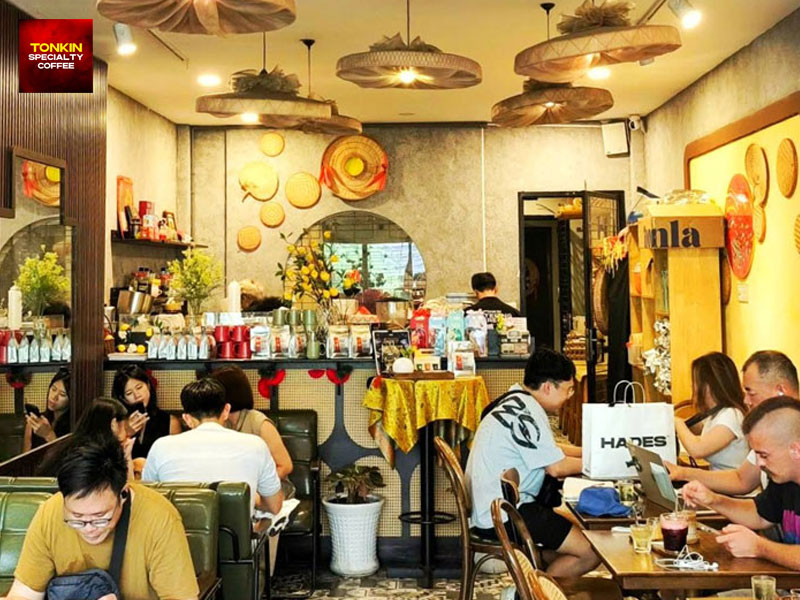
Vietnamese black coffee without sugar is known locally as cà phê đen nóng không đường when served hot and cà phê đen đá không đường when poured over ice. A well-prepared cup can be deeply bold, earthy and naturally chocolatey, with no milk or sweetness covering the character of the coffee.
The detailed comparison of Vietnamese black coffee hot or iced explains these changes more fully. For this tasting, the choice is simple:
- Order it hot to evaluate the aroma, body and finish.
- Order it over ice for a cooler, more approachable experience.
- Allow hot coffee to cool slightly before judging it.
- Taste iced coffee before too much ice has melted.
In Saigon, I would probably choose black coffee over ice with only a touch of sugar. Not because the coffee needs to be hidden, but because after walking in the afternoon heat, that cold, lightly sweet first sip just feels right…
How Should You Taste Vietnamese Black Coffee Before Adding Sugar?
Begin with a small sip and follow the coffee from its aroma through to its aftertaste. The goal is not to prove that you can tolerate strong coffee. It is simply to decide whether the cup feels balanced on its own.
A simple tasting takes only a few minutes:
- Smell the coffee before stirring anything into it.
- Take a small sip while it is warm, not extremely hot.
- Notice whether the bitterness feels rounded or sharp.
- Wait and observe what remains in the mouth.
- Taste again after the temperature changes.
- Add a little sugar only when you know what you want to adjust.
There is no prize for finishing coffee exactly as served. Adding sugar is a personal choice. I would simply give the original cup a chance first.
Which Tonkin Coffee Setting Suits an Unsweetened Black Coffee?
Tonkin Coffee has four central locations, and each offers a different way to enjoy Fine Robusta. Instead of choosing only by the nearest landmark, choose according to the kind of coffee break you want.
Tonkin Specialty Coffee – 91 Ly Tu Trong Street
This is the branch I would choose when the coffee itself is the main plan. Sit with a hot black coffee, let it cool gradually and notice how the aroma and finish develop.
Tonkin Garden Cafe – 135/50 Tran Hung Dao Street
The quieter garden setting suits a slower cup. There is no need to rush the tasting, and unsweetened coffee often becomes more expressive as its temperature falls.
Tonkin Egg Coffee – 1 Le Thi Rieng Street
Located near Banh Mi Huynh Hoa, this branch can become part of an easy Saigon food stop. Visitors may bring a banh mi to the café and pair its rich, savory filling with clean black coffee.
Tonkin Egg Coffee & Herbal Tea – 27 Ngo Duc Ke Street
After walking around Nguyen Hue, Dong Khoi or the riverside, iced black coffee offers a refreshing pause without adding milk or cream.
The guides to the best places for coffee in Saigon city center and where to drink coffee in Saigon provide more route-based suggestions for fitting these locations into a day downtown.
Visit Tonkin Coffee Today!
Tonkin Specialty Coffee
- Add: 91 Ly Tu Trong St., Ben Thanh Ward, Ho Chi Minh City, Vietnam.
- Hotline: 086 799 0125
Tonkin Garden Cafe
- Add: 135/50 Tran Hung Dao St., Cau Ong Lanh Ward, Ho Chi Minh City, Vietnam.
- Hotline: 087 992 4691
Tonkin Egg Coffee
- Add: 1 Le Thi Rieng St., Ben Thanh Ward, Ho Chi Minh City, Vietnam.
- Hotline: 0815 841 909
Tonkin Egg Coffee & Herbal Tea
- Add: 27 Ngo Duc Ke St., Sai Gon Ward, Ho Chi Minh City, Vietnam
Nestled in the heart of Ho Chi Minh City, Tonkin Specialty Coffee is one of the best coffee shops to experience authentic Vietnamese flavors. From the iconic egg coffee and refreshing coconut coffee to bold Vietnamese coffee and the unique salt coffee, every sip is a journey into tradition. For non-coffee lovers, our Vietnamese matcha offers a gentle alternative. Pair your drink with a freshly baked banh mi or a buttery croissant, and savor the true taste of Vietnam in a setting inspired by folk culture and Indochine charm.