

 한국어
한국어 中文 (中国)
 日本語
日本語 中文 (台灣)
Vietnam’s café culture continues to evolve through creative drinks that preserve the character of local coffee. For anyone asking why is salt coffee popular in Vietnam, Tonkin Coffee offers a clear example: a familiar strong coffee base is combined with light cream and subtle saltiness to create an approachable, distinctive experience.
Why did salt coffee attract Vietnamese coffee drinkers?
Salt coffee appealed to Vietnamese customers because it kept the intensity of local coffee while making the overall experience softer and easier to enjoy. The combination of strong coffee, light cream and a small amount of salt created something new without feeling completely unfamiliar.
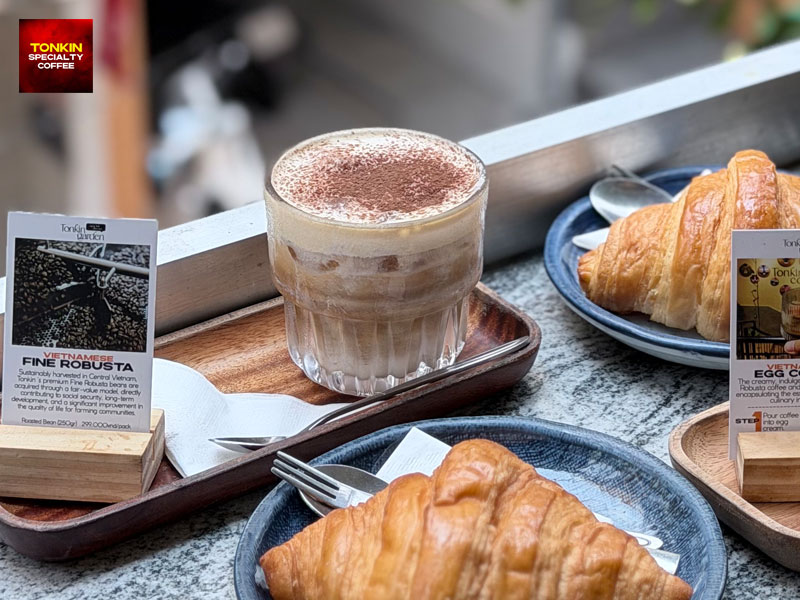
Vietnamese coffee drinkers are already accustomed to rich, full-bodied flavours. Salt coffee works well because the coffee remains recognisable, while the cream and salt reduce the sharper edges that some people find too bitter.
How did salt coffee feel both familiar and new?
The coffee base feels familiar because Vietnamese coffee is often strong, aromatic and full-bodied. The cream layer and subtle saltiness add novelty without changing the drink into something unrelated to coffee.
That balance between familiarity and surprise is one reason the drink spread quickly. Customers could try a new café experience while still enjoying the flavour profile they already understood.
Why does salt work well with strong coffee?
A small amount of salt can reduce the perception of harsh bitterness. Cream adds softness, while sweetness rounds out the drink.
This combination works especially well with robust coffee because the coffee has enough strength to remain noticeable. When the base is too weak, the cream can dominate and the drink may lose its identity.
How did salt coffee fit Vietnam’s café culture?
Coffee in Vietnam is not only a quick source of caffeine. Cafés are places for conversation, work, rest and social connection.
Salt coffee fits this habit because it is a drink people can enjoy slowly. The layered texture and changing balance between coffee and cream make the cup suitable for a longer café visit rather than a quick takeaway.
Why do Vietnamese cafés reinvent traditional coffee?
Vietnamese café culture has a long history of adapting coffee to local ingredients and tastes. Egg coffee, coconut coffee, bạc xỉu and salt coffee all show how familiar coffee can be transformed into something distinctive.
These drinks are not simply copies of international café trends. Each one reflects local preferences, ingredients and serving styles.
The growing popularity of salt coffee Vietnam also shows how regional ideas can move into major cities and become part of a wider national coffee conversation.
Why does the drink suit modern café habits?
Salt coffee works well in contemporary cafés because it offers more than a basic coffee flavour. The cream layer creates visual appeal, while the unusual name gives customers something to discuss and remember.

The drink can be enjoyed during a work break, after a meal or while meeting friends. It also suits visitors who want to try something recognisably Vietnamese without choosing a very intense black coffee.
Did social media help salt coffee become popular?
Social media helped salt coffee reach a larger audience by making the drink easy to photograph, describe and recommend. The contrast between “salt” and “coffee” naturally creates curiosity.
People often stop when they see the name because the combination sounds unexpected. That curiosity encourages first-time orders, reviews and short videos explaining the experience.
Why does the name create interest?
The phrase “salt coffee” immediately raises a question. Many people wonder whether the drink will taste obviously salty or whether salt simply changes the coffee in a subtle way.
The question is salt coffee sweet or salty has become common because the name can sound more extreme than the actual drink. In most balanced versions, sweetness and creaminess are more noticeable, while salt remains a supporting flavour.
Why is salt coffee easy to share online?
Salt coffee often has a visible cream layer that stands out in photographs. The drink also has a simple story that can be explained quickly: strong Vietnamese coffee softened with cream and a small amount of salt.
That combination makes salt coffee suitable for travel content, café reviews and short-form food videos. Social media did not create the drink, but it accelerated the spread of interest beyond its original local audience.
Why is salt coffee approachable for different drinkers?
Salt coffee appeals to several types of customers because it sits between strong black coffee and sweeter dessert-style drinks. The coffee remains present, but the cream and salt make the bitterness feel less aggressive.
This makes the drink accessible to people who want to explore Vietnamese coffee but are not comfortable with very bitter flavours.
Why do younger coffee drinkers enjoy it?
Younger customers often enjoy drinks that feel distinctive, easy to share and connected to local identity. Salt coffee offers all three.
The drink is modern in presentation but still based on Vietnamese coffee. It feels creative without losing the sense of place that many customers value.
Why do international travellers find it interesting?
For visitors, salt coffee offers a clear introduction to Vietnam’s habit of adapting coffee in creative ways. The drink is different from a latte or cappuccino, yet it is not difficult to understand.
Many travellers first ask what does Vietnamese salt coffee tastes like because they want reassurance before ordering. A useful description is smooth, creamy and coffee-forward, with gentle sweetness and only a light savoury finish.
Salt coffee is also easy to include in a sightseeing itinerary because cafés serving the drink are available across central Ho Chi Minh City.
Is salt coffee only a passing trend?
Salt coffee may have received attention through social media, but continued popularity depends on whether cafés can produce a balanced and enjoyable cup.
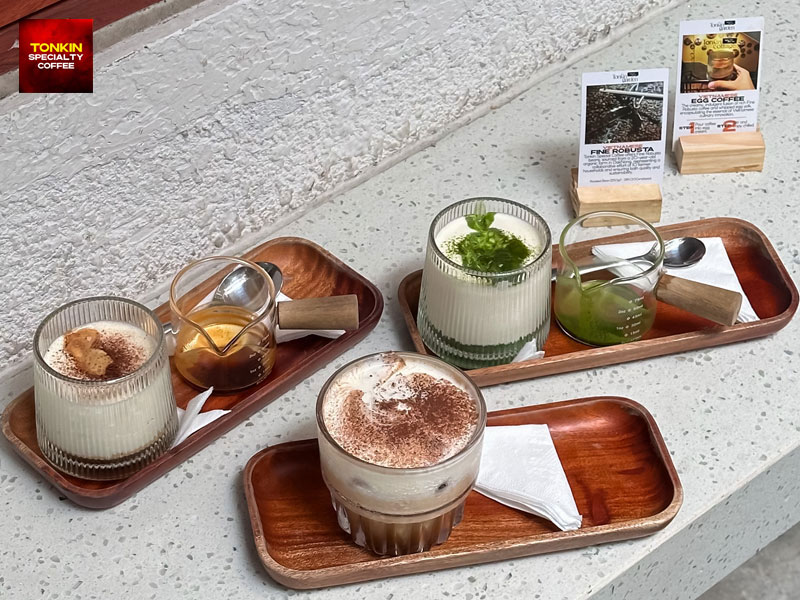
A drink that is too salty, too rich or too sweet can feel tiring. A well-made version allows the coffee to remain the central flavour while cream and salt improve the overall texture and finish.
What helps salt coffee stay relevant?
Several qualities support its long-term appeal:
- The drink is easy to understand after the first sip.
- The ingredients are familiar.
- The flavour can be adjusted between cafés.
- The drink works in warm weather and throughout the year.
- The concept feels modern while remaining connected to Vietnamese coffee.
- Salt coffee appeals to both local customers and visitors.
The strongest versions avoid treating salt or cream as the main attraction. Balance is what turns curiosity into repeat orders.
How does Tonkin Coffee approach Vietnamese salt coffee?
Tonkin Coffee treats salt and cream as supporting elements rather than dominant flavours. The recipe was adjusted to reduce excessive richness and obvious saltiness while allowing the coffee base to remain clear.
The drink uses two espresso shots made from Fine Robusta cultivated organically in Vietnam’s Central Highlands. The concentrated coffee provides enough depth to support a light cream layer without disappearing underneath it.
Why does the coffee base matter?
Coffee quality determines whether salt coffee still feels like coffee. A weak base can become hidden by cream and sweetness, while a stronger espresso provides structure and a longer roasted finish.
Tonkin Coffee focuses on keeping that structure present. The cream softens the drink, but the Fine Robusta remains noticeable throughout the cup.
Why is this approach suitable for first-time visitors?
A balanced version is easier for travellers to understand because no single ingredient becomes overwhelming. The drink remains creamy and approachable without becoming excessively heavy.
Tonkin Coffee also maintains the same core menu and overall quality standards across four branches, making the experience easier to access from different parts of central Ho Chi Minh City.
Frequently asked questions
Where did salt coffee become popular in Vietnam?
Salt coffee is closely associated with Huế, where the drink developed a strong local identity before becoming popular in other Vietnamese cities.
Do Vietnamese locals drink salt coffee?
Yes. Salt coffee is enjoyed by local customers as well as international visitors, especially by people who prefer a smoother alternative to black coffee.
Why is salt added to coffee?
A small amount of salt can reduce harsh bitterness and make sweetness feel more rounded.
Is salt coffee the same at every café?
No. Coffee strength, cream texture, sweetness and salt levels vary between cafés.
Where can visitors try salt coffee in Ho Chi Minh City?
Visitors can try salt coffee at all four Tonkin Coffee locations, including Tonkin Specialty Coffee, the brand’s main branch.
Visit Tonkin Coffee Today!
Tonkin Specialty Coffee
- Add: 91 Ly Tu Trong St., Ben Thanh Ward, Ho Chi Minh City, Vietnam.
- Hotline: 086 799 0125
Tonkin Garden Cafe
- Add: 135/50 Tran Hung Dao St., Cau Ong Lanh Ward, Ho Chi Minh City, Vietnam.
- Hotline: 087 992 4691
Tonkin Egg Coffee
- Add: 1 Le Thi Rieng St., Ben Thanh Ward, Ho Chi Minh City, Vietnam.
- Hotline: 0815 841 909
Tonkin Egg Coffee & Herbal Tea
- Add: 1st Floor, 27 Ngo Duc Ke St., Sai Gon Ward, Ho Chi Minh City, Vietnam

Nestled in the heart of Ho Chi Minh City, Tonkin Coffee is one of the best coffee shops to experience authentic Vietnamese flavors. From the iconic egg coffee and refreshing coconut coffee to bold Vietnamese coffee and the unique salt coffee, every sip is a journey into tradition. For non-coffee lovers, our Vietnamese matcha offers a gentle alternative. Pair your drink with a freshly baked banh mi or a buttery croissant, and savor the true taste of Vietnam in a setting inspired by folk culture and Indochine charm.