

 한국어
 中文 (中国)
 日本語
 中文 (台灣)
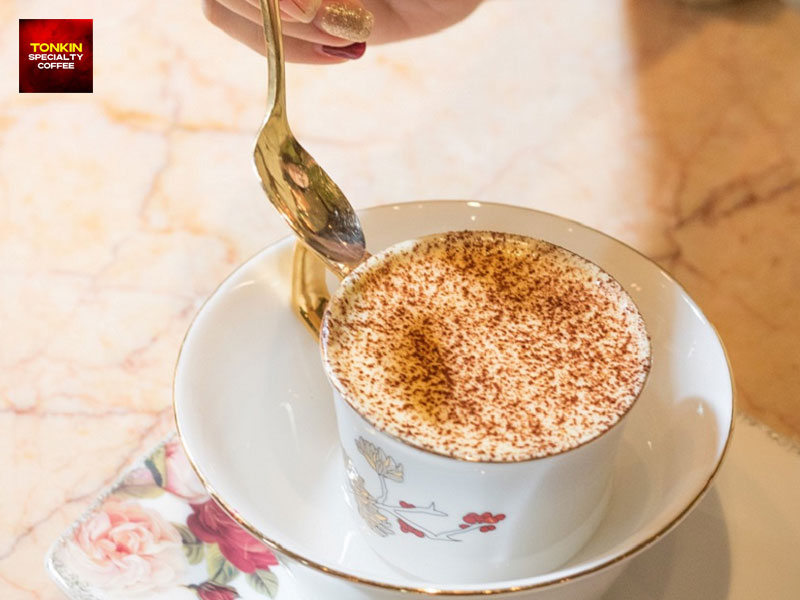
A bowl of hot water is traditionally used to help hot Egg Coffee retain its temperature and keep the cream soft while the drink is enjoyed slowly. The water stays outside the cup, acting as a simple warm bath rather than becoming part of the coffee itself.
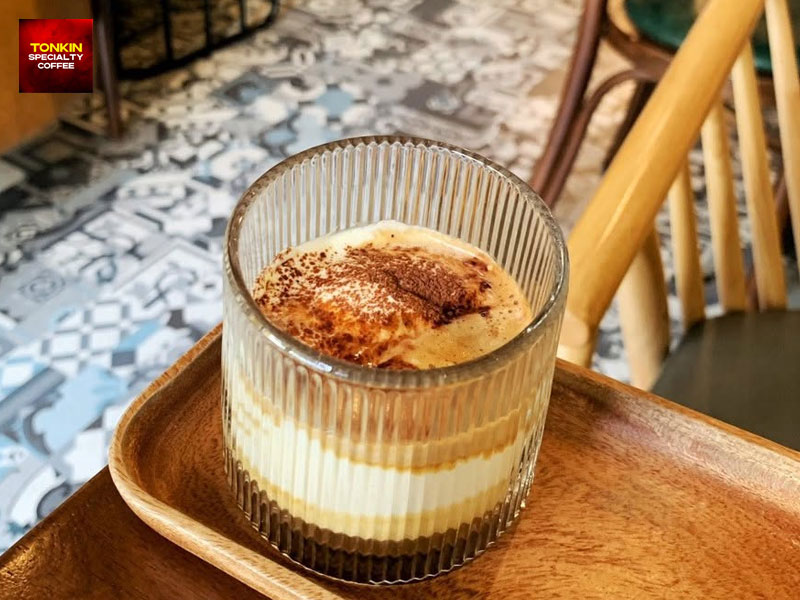
If you are wondering why is egg coffee served in a bowl of hot water, the answer is mainly about heat and texture. Tonkin Coffee takes a different approach by serving its Egg Coffee chilled, pairing Gia Lai Fine Robusta espresso with fresh egg cream in a pre-cooled glass without any hot-water bowl.
Why Is Egg Coffee Traditionally Served in a Bowl of Hot Water?
The main purpose of the bowl is temperature control. A small cup of coffee loses heat quickly, especially when a thick cream layer sits on top and the drink is sipped slowly.
Why does the coffee cool down quickly?
Egg coffee is usually served in a relatively small cup rather than a large mug. The coffee volume is compact, while the cream is exposed to the surrounding air.
That means heat can escape faster than expected. A warm water bath slows that process and keeps the drink more consistent from the first sip to the last.
How does the hot-water bowl help?
The bowl surrounds the outside of the cup with warm water.
This helps:
-
Slow heat loss
-
Keep the coffee warm
-
Maintain a softer cream texture
-
Support slower sipping
The water never needs to enter the coffee itself.
Does the Hot Water Help Keep Egg Cream Smooth?
Yes. In a hot version, gentle external warmth can help the cream stay soft and pleasant rather than cooling too quickly.
What happens when egg cream cools?
As the cream becomes colder, its texture and mouthfeel can change. It may feel denser, and the contrast between the coffee and cream can become less harmonious.
The warm bath helps keep the overall serving temperature more stable.
Does hot water stop the cream from separating?
Not by itself.
Cream stability also depends on the recipe, ingredient ratios and whipping technique. If you are making the topping at home, How long should you whip egg coffee cream? matters just as much as the final serving temperature.
Does the Hot-Water Bowl Cook the Egg?
No. A bowl of hot water should not be treated as a cooking or pasteurization method.
The purpose is mainly to retain serving temperature, not to make raw egg safe after preparation.
Why is this distinction important?
Heat retention and food safety are two different things.
The quality of egg cream depends on:
-
Fresh ingredients
-
Hygienic preparation
-
Proper storage
-
Careful mixing and whipping
The hot-water bath simply supports the serving experience.
Is Every Vietnamese Egg Coffee Served With Hot Water?
No. Egg coffee can be served in different ways depending on the recipe and café style.
|
Serving style |
Temperature |
Hot-water bowl |
|
Traditional hot version |
Hot |
Often used |
|
Modern hot version |
Hot |
Optional |
|
Chilled version |
Cold |
Not needed |
Why can modern cafés skip the bowl?
Because the bowl only solves a problem that exists when the goal is to keep the drink hot.
If the recipe is deliberately chilled, there is no reason to place the cup in hot water.
Why Does Traditional Hot Egg Coffee Benefit From a Water Bath?
The water bath works especially well when the drink is designed to be enjoyed slowly.
It keeps the coffee warm
A concentrated coffee base can lose heat quickly because of the small serving volume.
The warm bowl acts like a simple thermal buffer.
It keeps the cream and coffee closer in temperature
In a hot version, a very cool cream layer over hot coffee can create a sharp temperature contrast.
The warm bath helps reduce that difference.
It suits a slower drinking style
Egg coffee is richer than a standard black coffee.
The thick cream encourages slower sipping, so maintaining warmth becomes more useful over time.
Why Does Tonkin Coffee Not Use a Hot-Water Bowl?
Tonkin Coffee does not need one because its Egg Coffee is intentionally served chilled rather than hot.
How is Tonkin Coffee’s Egg Coffee served?
The Tonkin version combines:
-
Chilled egg cream
-
Gia Lai Fine Robusta espresso
-
A pre-chilled glass
-
A cold serving temperature
The glass is chilled to around 2°C, which supports the smooth texture of the cream.
Why is the cold style intentional?
The goal is not to imitate a hot traditional presentation.
Instead, Tonkin Coffee builds the drink around a smooth, chilled texture where the cream and espresso remain clearly layered but comfortable to drink together.
If you are comparing egg coffee hot or cold, the key difference is not simply temperature. Each serving style creates a different texture, pace and flavor experience.
How Does Tonkin Coffee Make Its Egg Coffee Different?
Tonkin Coffee uses a concentrated espresso base rather than phin coffee for this version.
What coffee does Tonkin Coffee use?
The base is Gia Lai Fine Robusta espresso.
Typical flavor directions include:
-
Dark chocolate
-
Roasted nuts
-
Caramel-like sweetness
-
Light spice
-
Full body
-
A clean finish
These qualities are important because the coffee needs enough structure to remain noticeable under the cream.
Why does espresso work well?
Espresso gives the drink strength without adding too much liquid.
A large, diluted coffee base could make the final drink feel thin, while a small concentrated espresso supports the cream more effectively.
For a closer look at this step, How do you brew the coffee base for egg coffee? explains why concentration matters more than simply making the coffee bitter.
What Is in Tonkin Coffee’s Egg Cream?
Tonkin Coffee’s egg cream includes fresh egg, cream, honey, vanilla and a small amount of rum.
What does the rum do?
The small amount of rum helps soften unwanted egg aroma and adds another layer to the overall fragrance.
It is not meant to remove all egg character.
Why is the cream important?
The cream provides the signature softness of the drink.
Texture matters just as much as flavor, which is why how to make egg foam for Vietnamese coffee is an important part of understanding the full recipe.
What Does Tonkin Coffee’s Chilled Egg Coffee Taste Like?
The chilled version is smooth, creamy and coffee-forward.
The cream arrives first, followed by the stronger espresso underneath.
What does the first sip feel like?
The initial impression is soft and rich.
Then the coffee brings:
-
Chocolate-like depth
-
Roasted-nut character
-
Gentle bitterness
-
Caramel-like sweetness
The experience is different from a hot custard-like cup because the cold temperature makes the texture feel cleaner and more compact.
How Should You Drink Tonkin Coffee’s Egg Coffee?
Do not mix everything immediately if you want to understand the layers.
Step 1: Taste the cream
This gives you a sense of sweetness, texture and aroma.
Step 2: Sip the espresso underneath
Notice the bitterness, dark chocolate and roasted notes.
Step 3: Mix gradually
This lets you control how creamy or coffee-forward each sip becomes.
If you want the full preparation sequence from start to finish, How do you make Vietnamese egg coffee? connects the coffee base, cream and serving method into one complete process.
Hot Egg Coffee vs Chilled Egg Coffee: What Is the Difference?
|
Feature |
Traditional hot style |
Tonkin Coffee chilled style |
|
Serving temperature |
Hot |
Cold |
|
Water bath |
Often used |
Not used |
|
Cup treatment |
Warmed or kept warm |
Pre-chilled |
|
Cream sensation |
Warm and custard-like |
Cool, silky and smooth |
|
Coffee base |
Often phin-style |
Fine Robusta espresso |
|
Drinking experience |
Warm and slow |
Chilled and layered |
Neither style is automatically better.
The two methods simply emphasize different parts of the drink.
Which Style Should You Choose?
Choose a hot style if you prefer warmth, a traditional presentation and a softer custard-like sensation.
Choose a chilled style if you prefer a smoother cold texture, a stronger espresso contrast and a more refreshing format.
The core identity remains the same: strong coffee combined with rich egg-based cream.
What Are the Common Misunderstandings About the Hot-Water Bowl?
|
Misunderstanding |
More accurate explanation |
|
The water is mixed into the coffee |
No, it surrounds the cup |
|
The bowl cooks the egg |
No, it mainly retains heat |
|
Every Egg Coffee needs hot water |
No, chilled versions do not |
|
No hot-water bowl means it is not Egg Coffee |
Serving styles can vary |
|
Hot is always better |
Preference depends on texture and temperature |
|
Cold Egg Coffee is simply iced coffee |
The cream and serving method are specifically designed for the drink |
So, Why Is Egg Coffee Served in a Bowl of Hot Water?
Traditional hot Egg Coffee is often served in a bowl of hot water because the warm bath slows heat loss and helps the drink maintain a soft, warm texture while it is enjoyed gradually.
The bowl is not essential to Egg Coffee itself. Tonkin Coffee shows another approach by serving its version chilled in a pre-cooled glass, pairing Gia Lai Fine Robusta espresso with fresh egg cream instead of using a hot-water bath.
To experience this chilled interpretation in central Ho Chi Minh City, explore the four branches through Tonkin Coffee.
Visit Tonkin Coffee Today!
Tonkin Specialty Coffee
● Add: 91 Ly Tu Trong St., Ben Thanh Ward, Ho Chi Minh City, Vietnam.
● Hotline: 086 799 0125
Tonkin Garden Cafe
● Add: 135/50 Tran Hung Dao St., Cau Ong Lanh Ward, Ho Chi Minh City, Vietnam.
● Hotline: 087 992 4691
Tonkin Egg Coffee
● Add: 1 Le Thi Rieng St., Ben Thanh Ward, Ho Chi Minh City, Vietnam.
● Hotline: 0815 841 909
Tonkin Egg Coffee & Herbal Tea
● Add: 27 Ngo Duc Ke St., Sai Gon Ward, Ho Chi Minh City, Vietnam

Nestled in the heart of Ho Chi Minh City, Tonkin Coffee is one of the best coffee shops to experience authentic Vietnamese flavors. From the iconic egg coffee and refreshing coconut coffee to bold Vietnamese coffee and the unique salt coffee, every sip is a journey into tradition. For non-coffee lovers, our Vietnamese matcha offers a gentle alternative. Pair your drink with a freshly baked banh mi or a buttery croissant, and savor the true taste of Vietnam in a setting inspired by folk culture and Indochine charm.