

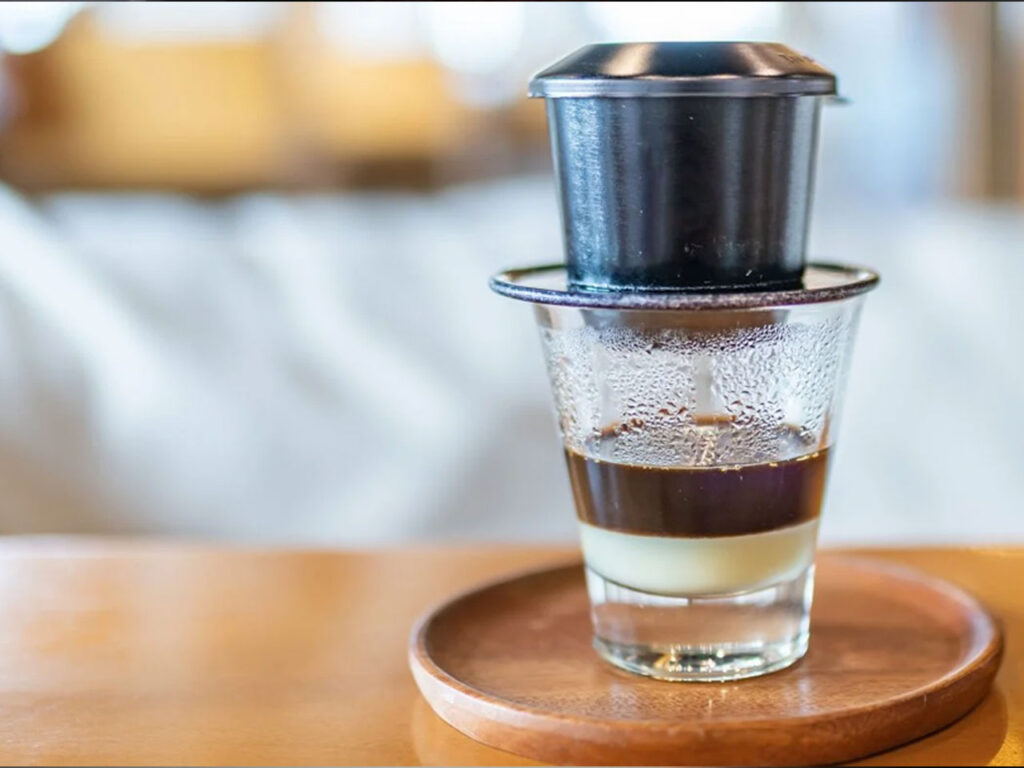
Exploring Vietnamese coffee culture often begins with its most traditional brewing method. To brew coffee using a phin, simply add ground coffee to the filter, pour a small amount of hot water to let the grounds bloom, then fill it with hot water and let the coffee drip slowly for about 5–7 minutes.
Together with Tonkin Coffee, this guide explores how to use a Vietnamese coffee filter and explains the simple ritual behind one of Vietnam’s most recognizable coffee traditions.
What Is a Vietnamese Coffee Filter?
A Vietnamese coffee filter is a small metal brewing device designed for slow drip coffee. It usually includes a base plate, a brewing chamber, a gravity press, and a lid. Ground coffee sits inside the chamber while hot water slowly passes through the grounds and drips into the cup below.
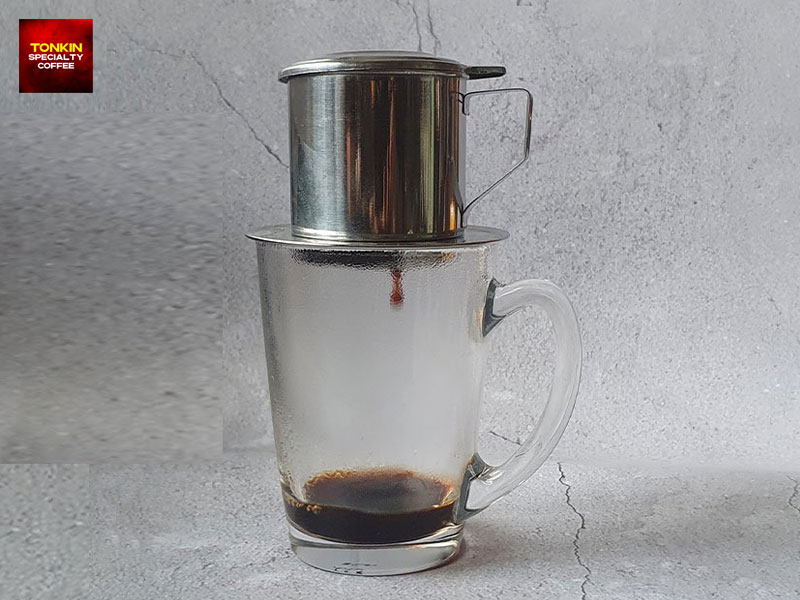
This brewing method highlights the bold character of Vietnamese coffee beans, especially Robusta varieties that are widely grown in the country. The filter is simple, portable, and widely used in homes and cafés across Vietnam.
You may sometimes see the device described as Phin Vietnam coffee, referring to the traditional brewing style that has become closely associated with Vietnamese coffee culture.
What Do You Need to Brew Vietnamese Coffee?
Before starting the brewing process, it helps to prepare a few basic ingredients and tools.
- Vietnamese phin coffee filter
- Fresh ground coffee (about 14–20 grams)
- Hot water between 90–96°C
- A cup or glass
- Sweetened condensed milk (optional)
- Ice if you prefer iced coffee
Many people enjoy Vietnamese coffee with condensed milk because it balances the strong bitterness of Robusta beans with a creamy sweetness.
How to Use a Vietnamese Coffee Filter Step by Step
Using a Vietnamese coffee filter is simple but requires the right steps. Add about 2–3 tablespoons of ground coffee to the filter chamber, pour a small amount of hot water to let the grounds bloom for about 30 seconds, then fill the chamber with hot water. The coffee will drip slowly into the cup over 5–7 minutes, producing a rich and concentrated brew.
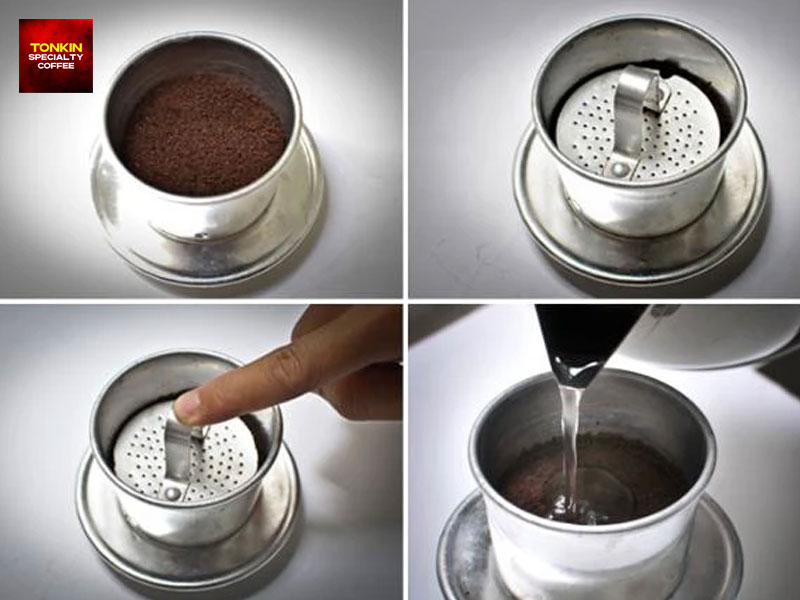
This slow extraction is what gives Vietnamese coffee its distinctive strength and aroma.
1. Prepare the cup
Start by placing your cup or glass on a stable surface. If you enjoy sweet Vietnamese coffee, add one or two tablespoons of condensed milk to the bottom of the cup. The milk will mix with the coffee later as the brew drips down.
2. Add coffee grounds
Remove the press from the filter and add 2–3 tablespoons of ground coffee into the brewing chamber. The grind size should be medium to medium-fine. Too coarse and the water will pass through too quickly; too fine and the filter may clog.
3. Level and insert the press
Gently shake the filter to level the coffee grounds. Place the gravity press on top of the grounds and press lightly. The goal is to keep the grounds evenly distributed without compressing them too tightly.
4. Bloom the coffee
Pour a small amount of hot water, about 20 milliliters, over the coffee grounds. This step allows the coffee to bloom, releasing trapped gases and preparing the grounds for even extraction. Wait 30–45 seconds before continuing.
5. Fill the chamber with hot water
After blooming, fill the chamber with hot water until it reaches near the top. Place the lid on the filter to retain heat during the brewing process.
6. Let the coffee drip slowly
Now the waiting begins. The coffee should drip slowly from the filter into the cup below. This process usually takes five to seven minutes.
Watching the slow drip is part of the experience. In many Vietnamese cafés, people enjoy the quiet moment while the coffee brews.
7. Stir and enjoy
Once the dripping stops, remove the filter. Stir the coffee with the condensed milk until fully mixed. If you prefer iced coffee, add a handful of ice cubes and enjoy the refreshing result.
For many visitors, this slow brewing method becomes part of discovering how to drink Vietnamese coffee in the way locals often do, taking time to enjoy both the process and the flavor.
What Is the Ideal Brew Time for a Vietnamese Coffee Filter?
The quality of a phin brew depends on a few key parameters. Small adjustments in grind size or water temperature can change the flavor noticeably.
| Parameter | Recommended Range |
| Coffee amount | 14–20 grams |
| Water temperature | 90–96°C |
| Bloom time | 30–45 seconds |
| Total brew time | 5–7 minutes |
If the drip finishes too quickly, the flavor may taste weak. If the brew takes too long, the coffee can become overly bitter.
Another factor people often wonder about is how much caffeine is in Vietnamese coffee. Because the brew is concentrated and typically made with Robusta beans, the caffeine level can be higher than many standard drip coffees.
Vietnamese Coffee Filter Tips, Common Problems, and Cleaning Guide
Brewing with a phin filter is simple, but small details can make a big difference. Understanding common issues helps produce better results.
Common brewing problems and how to fix them
| Problem | Cause | Solution |
| Coffee drips too fast | Grind too coarse | Use a slightly finer grind |
| Coffee drips too slow | Grind too fine | Loosen the press slightly |
| Weak flavor | Too little coffee | Increase the coffee dose |
Finding the right balance takes a little experimentation, but once you understand your coffee and grind size, consistent results become easier.
Tips for better Vietnamese coffee
A few simple practices can improve the quality of your brew:
- Use freshly ground coffee whenever possible
- Choose beans with strong flavor, often Robusta or Robusta blends
- Use hot water that is just off the boil
- Aim for a drip time between five and seven minutes
These small adjustments help highlight the bold and aromatic profile that Vietnamese coffee is known for.
How to clean a Vietnamese coffee filter
Cleaning the filter properly ensures consistent flavor and extends the life of the device.
- Rinse the filter immediately after brewing
- Wash with warm water and a soft sponge
- Avoid abrasive scrubbers that may damage the metal surface
Keeping the filter clean prevents old coffee oils from affecting the taste of future brews.
Experience Vietnamese Coffee Culture in a Different Way at Tonkin Coffee
Brewing coffee with a phin filter is one of the most recognizable traditions in Vietnam. The slow drip method and strong flavor have shaped how people enjoy coffee across the country.
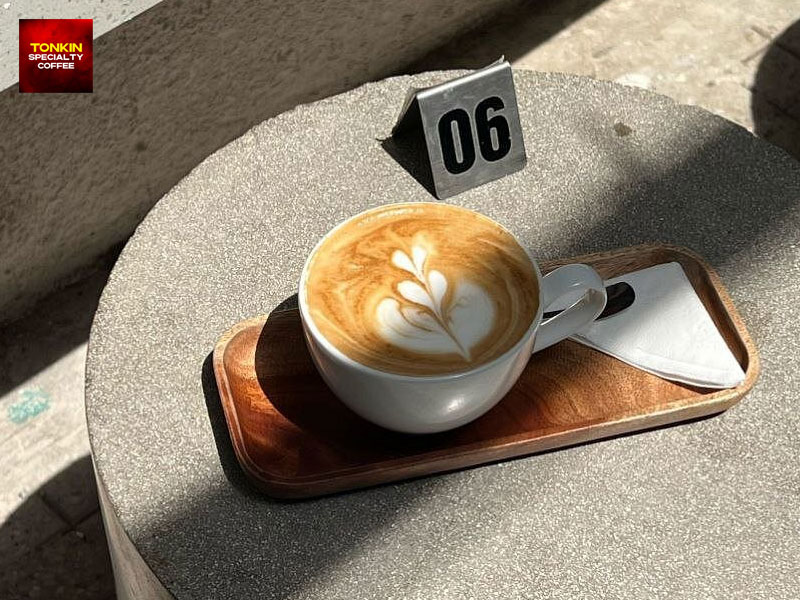
At the same time, modern cafés are experimenting with different brewing approaches. Some cafés choose professional espresso equipment to achieve more precise extraction and consistency while still showcasing Vietnamese beans.
You may have heard of Tonkin Coffee, a well-known café located in District 1, Ho Chi Minh City, known for its refined approach to Vietnamese coffee. Instead of using a phin filter for daily service, the café prepares coffee with professional espresso machines. This allows the baristas to control pressure, temperature, and extraction time more precisely, resulting in a smoother and more balanced cup.
Beyond the brewing method, the experience at Tonkin Coffee is also shaped by its atmosphere. The flagship space features an Indochine-inspired design with warm lighting, dark wooden details, and decorative elements such as traditional masks and Vietnamese folk art, creating a setting that reflects the country’s cultural heritage.
Behind every cup is a team of skilled baristas who approach coffee as a craft rather than just a routine. Each drink is prepared with attention to detail, from grind size and extraction to the final presentation, ensuring that every cup highlights the character of the beans.
Those beans are equally important. Tonkin focuses on high-quality Fine Robusta, sourced from coffee farms in Vietnam’s Central Highlands, where the trees have been cultivated for decades. This careful sourcing helps preserve the deep aroma and bold flavor that define Vietnamese coffee.
For visitors exploring Ho Chi Minh City’s coffee scene, stopping by Tonkin Coffee offers more than just a drink. It’s a chance to experience how Vietnamese coffee traditions can evolve, combining heritage, craftsmanship, and modern brewing techniques in a single cup.
Visit Tonkin Coffee Today!
Tonkin Specialty Coffee
- Add: 91 Ly Tu Trong St, Ben Thanh Ward, District 1, Ho Chi Minh City, Vietnam.
- Hotline: 086 799 0125
Tonkin Garden Cafe
- Add: 135/50 Tran Hung Dao St, Ben Thanh Ward, District 1, Ho Chi Minh City, Vietnam.
- Hotline: 087 992 4691
Tonkin Egg Coffee
- Add: 1 Le Thi Rieng, Ben Thanh Ward, District 1, Ho Chi Minh City, Vietnam.
- Hotline: 0815 841 909

Nestled in the heart of Ho Chi Minh City, Tonkin Specialty Coffee is one of the best coffee shops to experience authentic Vietnamese flavors. From the iconic egg coffee and refreshing coconut coffee to bold Vietnamese coffee and the unique salt coffee, every sip is a journey into tradition. For non-coffee lovers, our Vietnamese matcha offers a gentle alternative. Pair your drink with a freshly baked banh mi or a buttery croissant, and savor the true taste of Vietnam in a setting inspired by folk culture and Indochine charm.