

Authentic Hanoi-style egg coffee is made by layering whipped egg yolks and condensed milk over strong Vietnamese coffee, creating a drink that is both dessert-like and intensely bold. If you are learning how to make authentic Hanoi-style egg coffee, understanding its 1940s Hanoi origins and the precision behind each step is essential. Today, Tonkin Coffee in District 1 reinterprets this classic through a modern lens, refining technique, elevating presentation, and preserving the drink’s cultural depth in a contemporary setting.
What makes Hanoi-style egg coffee authentic?
Authenticity is not about novelty. It is about proportion, structure, and respect for the original method. A proper cup should feel light yet rich, sweet yet grounded, airy on top and bold underneath. When any element dominates, the harmony disappears.
The coffee base
At its foundation is strong Vietnamese coffee, traditionally brewed using a small metal phin filter. The brew is slow and concentrated, producing a thick, intense cup with natural bitterness and chocolate depth. Robusta beans are commonly used because of their strength, body, and ability to support the sweetness of egg cream without collapsing beneath it.
The coffee must be hot, dense, and freshly brewed. If it is weak or diluted, the drink loses structure. The egg cream may taste pleasant, but the defining contrast between bitterness and sweetness will not emerge.
The egg cream layer
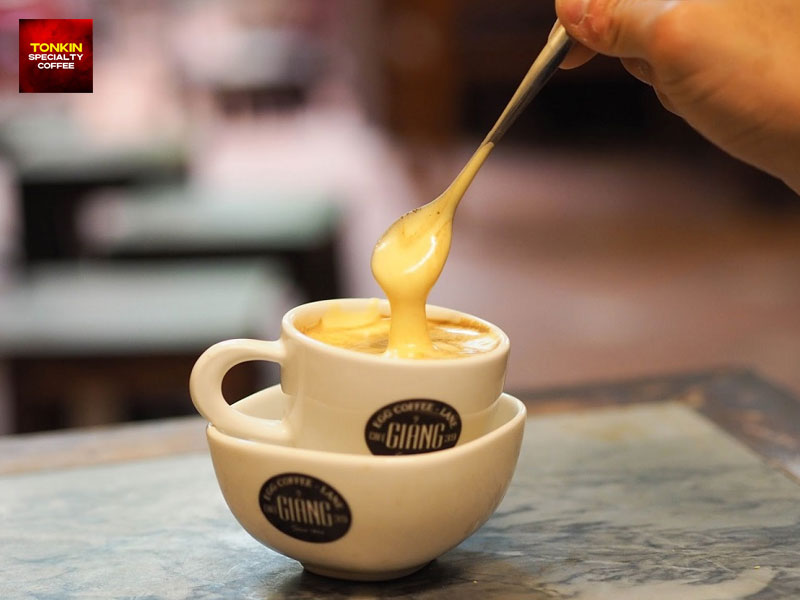
Only egg yolks are used. The whites are removed to avoid unwanted texture and aroma. The yolks are whipped with sweetened condensed milk until they become pale, thick, and airy. This process incorporates air while dissolving sugar evenly, creating a mousse-like consistency.
The cream should not smell like raw egg. It should carry a gentle sweetness with a custard-like aroma. When spooned onto hot coffee, it must float rather than sink.
The layering technique
Authentic preparation follows a simple order:
- Hot coffee first
- Egg cream gently spooned on top
- Served immediately
Traditionally, the cup is sometimes placed in a bowl of hot water to maintain warmth. Temperature control is essential because it influences how the layers interact.
Step-by-step preparation guide
Making this drink at home is possible, but attention to detail makes the difference between average and exceptional.
Ingredients
- Fresh egg yolks
- Sweetened condensed milk
- Strong Vietnamese coffee
- Optional pinch of sugar
Method
Step 1: Brew the coffee
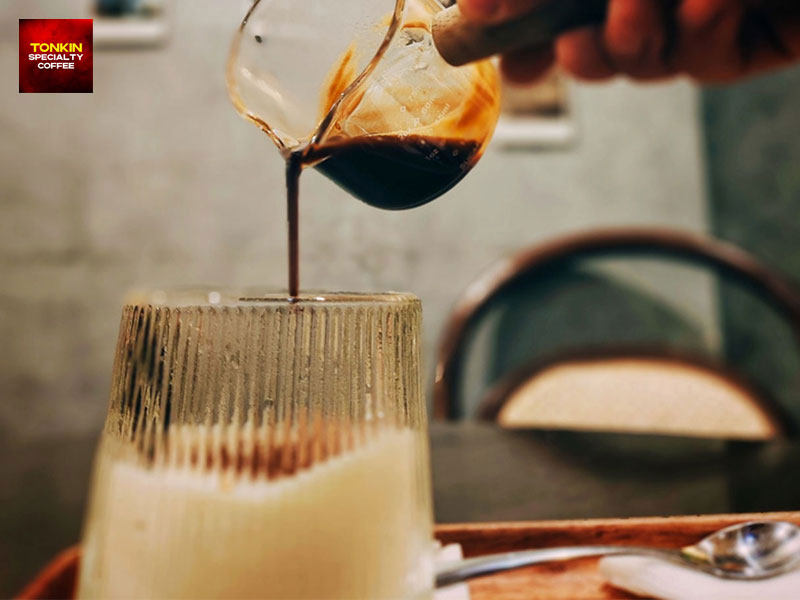
Use a phin filter to brew a small, concentrated amount of coffee. Aim for depth and body rather than volume.
Step 2: Separate the yolks carefully
Avoid breaking the yolks. Even a small amount of white can alter the texture.
Step 3: Whip the egg mixture
Beat the yolks with condensed milk until the mixture thickens and becomes smooth. It should form soft peaks and hold shape briefly.
Step 4: Assemble the drink
Pour the hot coffee into a small cup. Spoon the whipped cream on top slowly to create a distinct layer.
Step 5: Serve immediately
The drink should be consumed while warm, allowing the heat from the coffee to gently cook and stabilize the cream.
This process forms what many describe as an authentic vietnamese egg coffee recipe, rooted in simplicity yet defined by technique. It is also why so many guides exploring egg coffee history, recipe, and best places to try it emphasize balance over complexity.
Common mistakes when making it at home
Weak coffee base
If the coffee lacks strength, the drink becomes overly sweet. The contrast disappears, and the cream dominates.
Under-whipped or over-whipped cream
Under-whipped cream feels runny and collapses quickly. Over-whipped cream can become grainy or too stiff, losing its silky mouthfeel.
Poor temperature control
If the coffee is not hot enough, the foam may not integrate smoothly. If it is too hot, it can destabilize the texture.
Imbalanced proportions
Too much condensed milk creates excessive sweetness. Too little makes the drink taste sharp and incomplete.
Is egg coffee better hot or cold?
Many first-time drinkers wonder is egg coffee better hot or cold. Traditionally, it is served warm. Heat enhances aroma, stabilizes texture, and allows the cream to slowly blend into the coffee.
However, modern interpretations include iced versions. When served cold, the drink becomes more dessert-like, with firmer foam and stronger sweetness perception. The hot version highlights contrast and depth, while the cold version emphasizes creaminess and indulgence.
Purists often prefer it warm because it reflects the original Hanoi preparation style. Still, preference ultimately depends on personal taste and climate.
Modern variations
As the drink traveled beyond Hanoi, cafés introduced creative twists while maintaining the basic structure of layered cream over coffee.
- Iced interpretations for tropical weather
- Cocoa-infused versions for chocolate complexity
- Matcha adaptations blending cultures
- Subtle alcohol-enhanced styles for evening enjoyment
Despite innovation, the defining identity remains the same: airy sweetness meeting bold bitterness.
Why technique matters more than ingredients
At first glance, the ingredient list is short. Eggs, condensed milk, coffee. Yet technique transforms these simple components into something memorable.
Foam density
The cream must be light but stable. Too dense feels heavy. Too thin collapses instantly.
Coffee calibration
The brew must be concentrated enough to cut through sweetness without overwhelming it.
Layer integrity
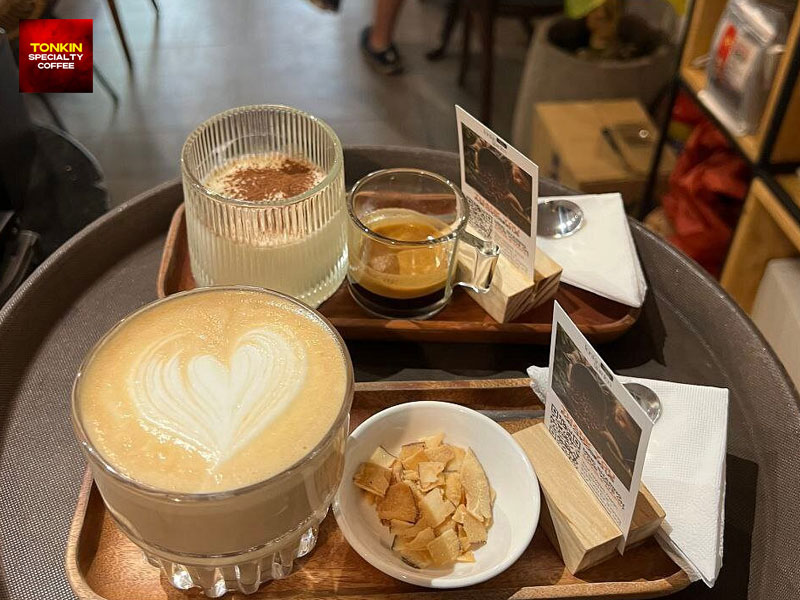
The visual separation between dark base and golden foam is part of the experience. When stirred, the blend should feel smooth and harmonious.
This is why two cups made with identical ingredients can taste completely different. Precision defines authenticity.
Experiencing authentic egg coffee without making it yourself
While home preparation offers insight, achieving consistent results requires practice. For those searching for the best egg coffee in Ho Chi Minh District 1, Tonkin Coffee approaches the drink with careful attention to structure, balance, and refined technique.
Rather than reinventing tradition, the focus is refinement. The coffee base is crafted from carefully selected Fine Robusta beans, valued for their structured body and chocolate depth, providing strength and clarity that support the richness of the egg cream.
Egg cream is whipped to a specific density, airy yet stable ensuring no raw aroma remains. Temperature is monitored so the cream integrates gradually rather than collapsing.
Tonkin Coffee offers three locations in District 1:
Tonkin Specialty Coffee – 91 Ly Tu Trong St, Ben Thanh Ward, District 1, Ho Chi Minh City
This branch blends specialty standards with Vietnamese brewing philosophy, emphasizing structural balance and clean presentation.
Tonkin Garden Cafe – 135/50 Tran Hung Dao St, Ben Thanh Ward, District 1, Ho Chi Minh City
Set in a quieter environment, this location encourages slower appreciation of layered texture and aroma.
Tonkin Egg Coffee – 1 Le Thi Rieng, Ben Thanh Ward, District 1, Ho Chi Minh City
Dedicated to refining egg coffee variations, this space focuses on foam precision and sweetness control.
Across all three branches, the commitment remains consistent: respect traditional preparation, use quality beans, preserve the drink’s narrative, and maintain balance in every cup.
Visit Tonkin Coffee Today!
Tonkin Specialty Coffee
- Add: 91 Ly Tu Trong St, Ben Thanh Ward, District 1, Ho Chi Minh City, Vietnam.
- Hotline: 086 799 0125
Tonkin Garden Cafe
- Add: 135/50 Tran Hung Dao St, Ben Thanh Ward, District 1, Ho Chi Minh City, Vietnam.
- Hotline: 087 992 4691
Tonkin Egg Coffee
- Add: 1 Le Thi Rieng, Ben Thanh Ward, District 1, Ho Chi Minh City, Vietnam.
- Hotline: 0815 841 909
Nestled in the heart of Ho Chi Minh City, Tonkin Specialty Coffee is one of the best coffee shops to experience authentic Vietnamese flavors. From the iconic egg coffee and refreshing coconut coffee to bold Vietnamese coffee and the unique salt coffee, every sip is a journey into tradition. For non-coffee lovers, our Vietnamese matcha offers a gentle alternative. Pair your drink with a freshly baked banh mi or a buttery croissant, and savor the true taste of Vietnam in a setting inspired by folk culture and Indochine charm.