

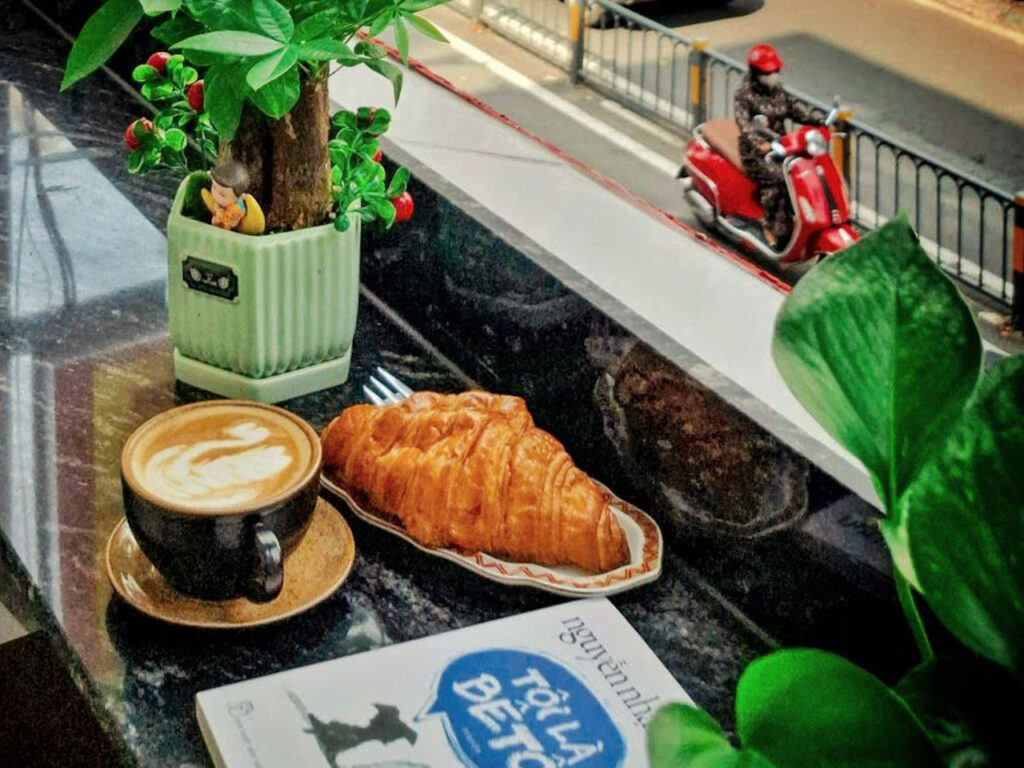
Vietnamese coffee is widely recognized for its bold flavor and noticeable caffeine kick. So, how much caffeine is in Vietnamese coffee? A typical cup contains around 100–200 mg of caffeine, and some servings may reach about 265 mg in a 250 ml cup, depending on the brewing method and the amount of coffee used. This relatively high caffeine level mainly comes from the Robusta beans commonly grown in Vietnam and the traditional slow drip brewing style.
Visitors can experience this bold coffee culture at Tonkin Coffee, where Vietnamese coffee is served through modern brewing approaches within a traditional folk-inspired space, blending heritage atmosphere with a contemporary coffee experience.
How Much Caffeine Is in a Typical Cup of Vietnamese Coffee?
A typical serving of Vietnamese coffee contains about 100–200 mg of caffeine, though the amount can vary depending on brewing style, serving size, and the quantity of coffee grounds used. Because Vietnamese coffee is often brewed in a concentrated way, even a small cup can deliver a strong caffeine effect.
Average Caffeine Levels by Serving Size
| Coffee style | Serving size | Caffeine |
| Small traditional cup | 120 ml | 100–150 mg |
| Strong brew | 150–180 ml | 150–200 mg |
| Larger serving | 250 ml | up to ~265 mg |
What Determines Caffeine Content?
Several factors influence how much caffeine ends up in the cup:

- Bean variety
- Coffee dose used during brewing
- Extraction time
- Brewing technique
These factors naturally lead to the next question many people ask: why Vietnamese coffee tends to feel stronger than other coffee styles.
Why Does Vietnamese Coffee Contain More Caffeine Than Many Other Coffees?
Vietnamese coffee often contains more caffeine primarily because of the type of beans grown and used in Vietnam. Most traditional Vietnamese coffee relies on Robusta beans, which naturally contain significantly higher caffeine levels than Arabica beans.
Robusta vs. Arabica: Caffeine Comparison
| Coffee bean | Average caffeine |
| Arabica | 1–1.5% caffeine |
| Robusta | 2–2.7% caffeine |
Robusta beans thrive in Vietnam’s climate and produce a coffee that is:
- stronger in flavor
- more bitter
- higher in caffeine
Because of this difference, many visitors quickly notice the intensity and start wondering why is Vietnamese coffee so strong compared with what they usually drink elsewhere.
However, beans alone do not explain everything. The brewing process also plays a major role.
Does the Brewing Method Affect Caffeine Strength?
Yes. Vietnamese coffee is traditionally brewed slowly, which can extract a higher concentration of coffee compounds and caffeine. The brewing process emphasizes patience and precision rather than speed.
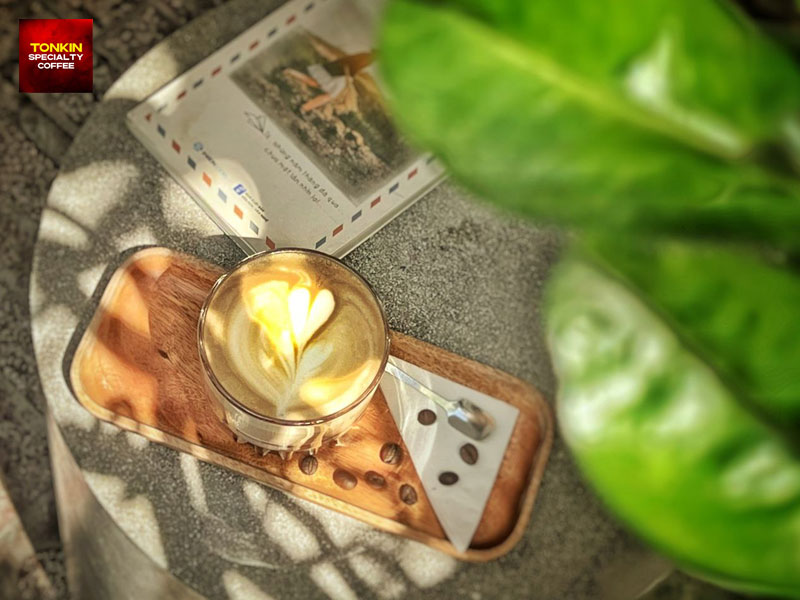
Traditional Brewing Method
One commonly used tool is Phin Vietnam coffee, a small metal filter placed directly on top of the cup. Hot water passes slowly through the coffee grounds and drips into the cup below.
This process usually takes 3–5 minutes, producing a dense and concentrated brew.
Why Slow Brewing Increases Intensity
Slow drip brewing can increase perceived strength because:
- the extraction time is longer
- the coffee grounds are tightly packed
- the coffee-to-water ratio is relatively high
The result is a small but powerful cup that delivers strong aroma, bold flavor, and noticeable caffeine.
Understanding this brewing method also helps explain how Vietnamese coffee compares with other coffee styles around the world.
How Does Vietnamese Coffee Compare With Espresso or Drip Coffee?
Compared with other common coffee drinks, Vietnamese coffee often contains equal or higher total caffeine per cup, even though the serving size may appear smaller.
Caffeine Comparison With Other Coffee Drinks
| Coffee drink | Serving size | Average caffeine |
| Espresso | 30 ml | 65–75 mg |
| Drip coffee | 240 ml | 90–120 mg |
| Vietnamese coffee | 120–180 ml | 100–200+ mg |
Espresso is extremely concentrated but served in a very small shot. Vietnamese coffee, on the other hand, uses more coffee grounds during brewing, which increases total caffeine content in the final drink.
Despite this strength, Vietnamese coffee rarely tastes overwhelmingly harsh because serving styles often balance the intensity.
Does Condensed Milk Reduce the Strength of Vietnamese Coffee?
Condensed milk does not reduce caffeine levels, but it changes how the strength is perceived by balancing bitterness with sweetness. This combination is one of the defining characteristics of Vietnamese coffee culture.
Why Condensed Milk Works Well With Strong Coffee
The sweetness and texture of condensed milk help:
- soften bitterness
- create a smoother mouthfeel
- balance strong roasted flavors
Because of this balance, Vietnamese coffee can remain bold while still tasting rich and enjoyable.
Common Serving Styles
Some popular ways coffee is served in Vietnam include:
- black coffee
- coffee with condensed milk
- egg coffee
Each of these drinks highlights the same strong coffee base while offering a slightly different flavor experience.
How Do Locals Typically Enjoy Vietnamese Coffee?
Vietnamese coffee culture focuses on enjoying coffee slowly rather than drinking it quickly for caffeine alone. The experience often includes relaxing in cafés, socializing, or watching daily life unfold.
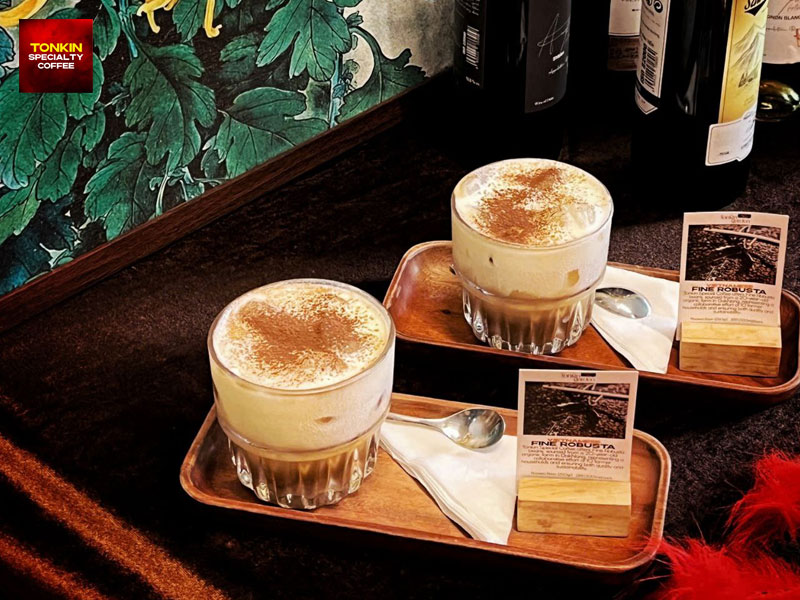
For visitors unfamiliar with this style, learning how to drink Vietnamese coffee can make the experience more enjoyable.
Simple Tips for Enjoying Vietnamese Coffee
- stir condensed milk gently if it is added
- sip slowly to appreciate aroma and texture
- allow the drink to cool slightly to reveal deeper flavors
This approach helps highlight the layered taste that Vietnamese coffee is known for.
Discover Vietnamese Coffee Culture in Ho Chi Minh City
Exploring Vietnamese coffee in a café setting helps travelers understand its bold character, naturally higher caffeine content, and the culture that surrounds it. Many cafés focus on high-quality beans and careful preparation to bring out the unique flavor profile of Vietnamese coffee.
At Tonkin Coffee, drinks are crafted using Vietnam’s Fine Robusta beans, known for their rich aroma and naturally higher caffeine level. Through thoughtful roasting and balanced preparation, the coffee here is designed to create a smoother taste with reduced bitterness, allowing guests to appreciate the depth of Vietnamese coffee while enjoying a more refined flavor.
What Drinks Can Visitors Explore on the Menu?
The menu offers a variety of beverages that showcase both traditional inspirations and modern café creativity, including:
- Egg coffee, a creamy Hanoi-inspired specialty with smooth egg foam
- Vietnamese milk coffee, balancing bold coffee with condensed milk
- Salt coffee, combining coffee with lightly salted cream
- Coconut coffee, blending coffee with creamy coconut flavors
Alongside these signature drinks, visitors can also enjoy espresso-based beverages, matcha drinks, teas, smoothies, and pastries. Together, these options offer a modern way to explore Vietnamese coffee culture while appreciating the distinctive qualities of Fine Robusta coffee grown in Vietnam.
Visit Tonkin Coffee Today!
Tonkin Specialty Coffee
- Add: 91 Ly Tu Trong St, Ben Thanh Ward, District 1, Ho Chi Minh City, Vietnam.
- Hotline: 086 799 0125
Tonkin Garden Cafe
- Add: 135/50 Tran Hung Dao St, Ben Thanh Ward, District 1, Ho Chi Minh City, Vietnam.
- Hotline: 087 992 4691
Tonkin Egg Coffee
- Add: 1 Le Thi Rieng, Ben Thanh Ward, District 1, Ho Chi Minh City, Vietnam.
- Hotline: 0815 841 909
Nestled in the heart of Ho Chi Minh City, Tonkin Specialty Coffee is one of the best coffee shops to experience authentic Vietnamese flavors. From the iconic egg coffee and refreshing coconut coffee to bold Vietnamese coffee and the unique salt coffee, every sip is a journey into tradition. For non-coffee lovers, our Vietnamese matcha offers a gentle alternative. Pair your drink with a freshly baked banh mi or a buttery croissant, and savor the true taste of Vietnam in a setting inspired by folk culture and Indochine charm.