

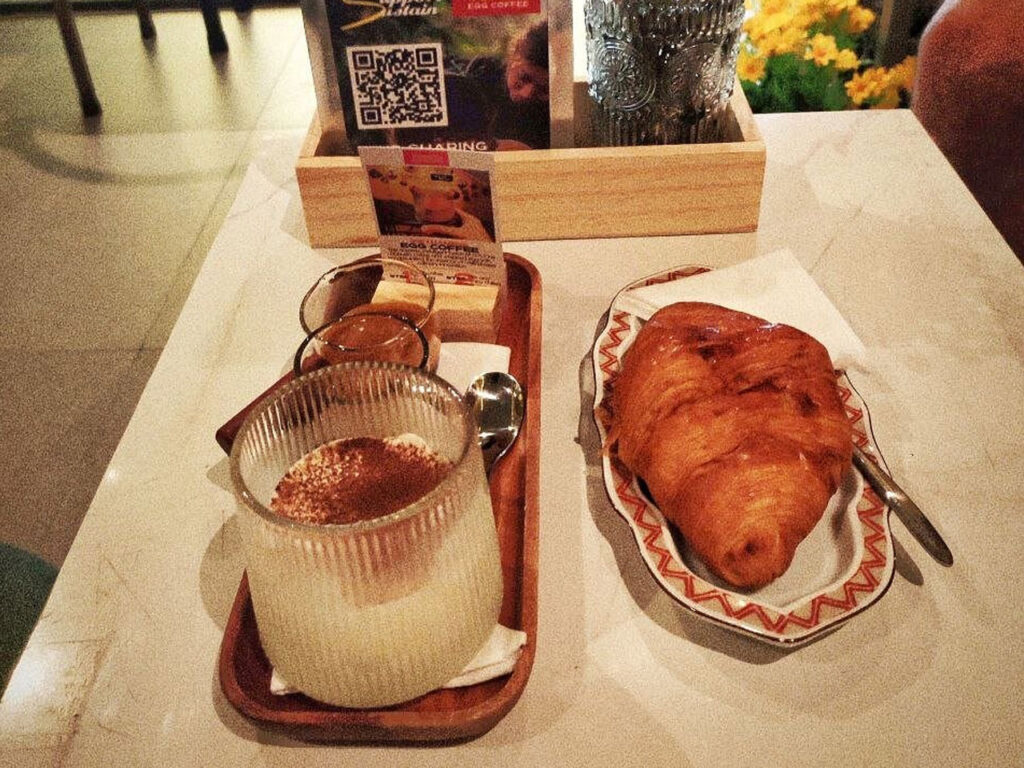
In 1946 Hanoi, a bartender named Nguyen Van Giang created a drink by whisking egg yolks with condensed milk and pouring the mixture over strong coffee. What began as a practical substitute for fresh milk during a time of shortage slowly became part of Vietnam’s café culture. Decades later, the question of who invented egg coffee still leads back to that moment in post-war Hanoi, while places like Tonkin Coffee continue preparing it with quiet respect for its origins in a modern Ho Chi Minh City setting.
Who invented egg coffee and why was it created?
Egg coffee was invented in 1946 by Nguyen Van Giang, a bartender at the Metropole Hotel in Hanoi. At the time, fresh milk was scarce and expensive due to the First Indochina War. To create a substitute for cappuccino-style drinks, he whisked egg yolks with sweetened condensed milk and poured the mixture over strong Vietnamese coffee.
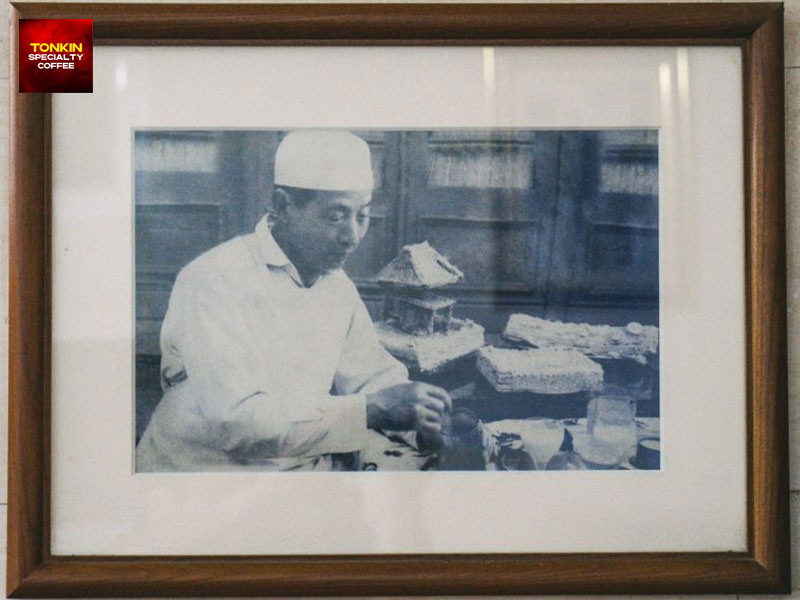
This simple adjustment solved a practical problem. Instead of milk foam, the drink had a creamy, airy topping made from egg yolk. Instead of a light espresso base, it used robust, dark-roasted coffee. The result was unexpectedly balanced.
What was happening in Vietnam at that time?
The 1940s were a period of political and economic hardship. Imported dairy products were limited. Coffee, however, remained available, especially robusta beans grown locally. The invention of egg coffee was not an attempt to create a dessert. It was an adaptation shaped by necessity.
From this moment began the broader History of egg coffee in Vietnam, which reflects resilience and resourcefulness. A shortage led to experimentation. Experimentation led to a signature drink. Over time, that drink became associated with Hanoi’s café culture.
How did the invention become a legacy?
After leaving the hotel, Nguyen Van Giang opened his own café in Hanoi. The recipe was passed down within his family. What began as a practical solution became a defining beverage. Visitors to Hanoi often seek it out as part of the local experience.
The story of egg coffee is therefore not only about one person. It is about how cafés preserve methods, adjust them slightly, and keep a narrative alive through daily service.
How did egg coffee become a symbol of Hanoi?
Egg coffee became associated with intimacy and warmth. Traditionally, it is served in a small cup placed inside a bowl of hot water to maintain temperature. The texture matters. The balance matters. The drink is meant to be sipped slowly.
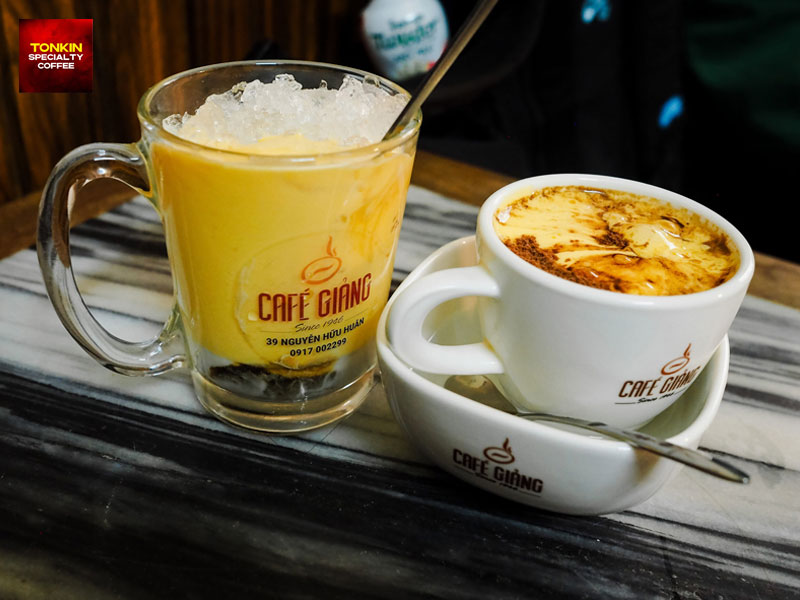
Its identity formed through repetition: small cafés, narrow streets, conversations over warm cups. Over decades, egg coffee moved from being a local adaptation to a recognized specialty. Today, travelers often search for it before they even arrive in Vietnam.
What makes the flavor distinctive?
The flavor profile depends on contrast:
- A concentrated coffee base with slight bitterness
- A thick, whipped egg mixture with natural sweetness
- A smooth texture that sits between drink and dessert
The key is proportion. Too much sweetness, and it feels heavy. Too little aeration, and the topping becomes dense. The balance gives structure to the cup.
Why does its history still matter today?
Understanding Egg Coffee: history and recipe together provides context. The drink is not simply about ingredients. It is about method, memory, and place. Knowing how it began helps explain why the preparation remains careful and deliberate.
In modern cities, including Ho Chi Minh City, cafés that serve egg coffee are often evaluated not only on taste but also on how respectfully they approach its roots.
Experiencing Egg Coffee in Ho Chi Minh City Today
Egg coffee may have begun in Hanoi, but it has gradually found a place in the daily rhythm of Ho Chi Minh City. As Vietnamese café culture expanded, the drink moved beyond its birthplace and adapted to new surroundings. In the south, it is no longer seen as unusual. Instead, it has become a quiet choice for those who appreciate balance, warmth, and a slower moment in the middle of a busy day.
In this setting, the experience depends not only on the recipe but also on the space, the pacing, and the way the drink is served.
How is egg coffee interpreted in Ho Chi Minh City?
Southern cafés often make subtle adjustments while keeping the foundation intact. The coffee remains strong and structured. The egg layer is still whisked until pale and airy. Sweetness is kept measured rather than overwhelming.
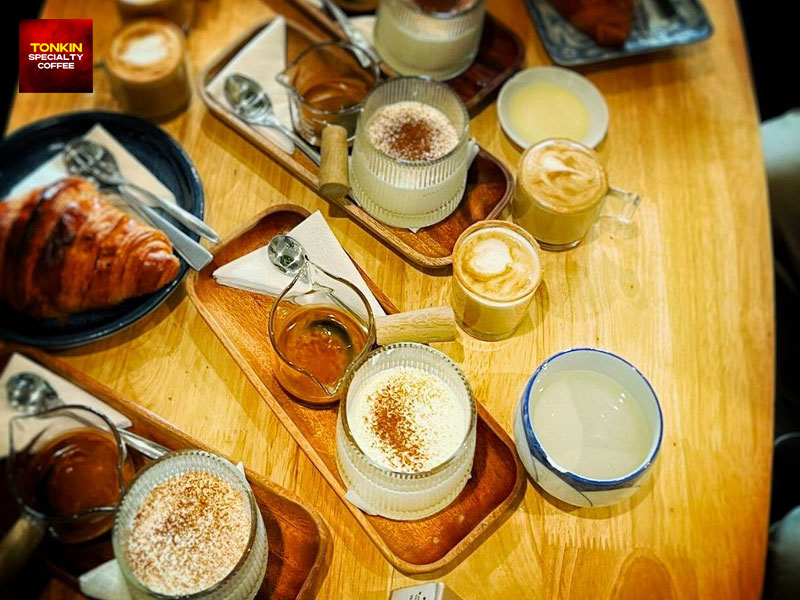
At Tonkin Coffee, the preparation reflects a careful respect for tradition. The base is brewed slowly to maintain depth. The egg mixture is whipped to achieve a light, stable texture that rests gently on top of the coffee. The cup is served warm, encouraging guests to sit rather than rush.
For those curious about how to make authentic Hanoi-style egg coffee, watching the process at Tonkin offers quiet insight. The technique appears simple, yet the control of temperature, proportion, and timing reveals how much attention is involved behind the counter.
What makes the atmosphere part of the experience?
Taste is shaped by environment. In Hanoi, egg coffee is often linked to narrow streets and long-standing family cafés. In Ho Chi Minh City, the context changes. The pace is faster, the streets are louder, and moments of stillness can feel rare.
Tonkin’s space is designed to soften that contrast. Warm lighting, wooden textures, and a calm rhythm of service create a setting where the drink feels complete. Guests can choose a seat near the window to observe the city outside, or sit further inside for a quieter corner. The balance between openness and privacy allows the cup to be enjoyed without distraction.
Within the broader movement of the city, this kind of atmosphere influences how flavors unfold. A steady temperature keeps the foam smooth. A slower pace allows the bitterness and sweetness to meet evenly.
What should you notice when tasting egg coffee here?
A thoughtful tasting connects you back to the drink’s origins.
- The first sip: the coffee’s bitterness should rise gently beneath the creamy layer.
- The texture: the egg mixture should feel light, not heavy.
- The aftertaste: the coffee should remain present, not disappear behind sweetness.
At Tonkin Coffee, these small details are what shape the experience, allowing each cup to reflect both the history of the drink and the quiet character of the space where it is served.
Visit Tonkin Coffee Today!
Tonkin Specialty Coffee
- Add: 91 Ly Tu Trong St, Ben Thanh Ward, District 1, Ho Chi Minh City, Vietnam.
- Hotline: 086 799 0125
Tonkin Garden Cafe
- Add: 135/50 Tran Hung Dao St, Ben Thanh Ward, District 1, Ho Chi Minh City, Vietnam.
- Hotline: 087 992 4691
Tonkin Egg Coffee
- Add: 1 Le Thi Rieng, Ben Thanh Ward, District 1, Ho Chi Minh City, Vietnam.
- Hotline: 0815 841 909

Nestled in the heart of Ho Chi Minh City, Tonkin Specialty Coffee is one of the best coffee shops to experience authentic Vietnamese flavors. From the iconic egg coffee and refreshing coconut coffee to bold Vietnamese coffee and the unique salt coffee, every sip is a journey into tradition. For non-coffee lovers, our Vietnamese matcha offers a gentle alternative. Pair your drink with a freshly baked banh mi or a buttery croissant, and savor the true taste of Vietnam in a setting inspired by folk culture and Indochine charm.