


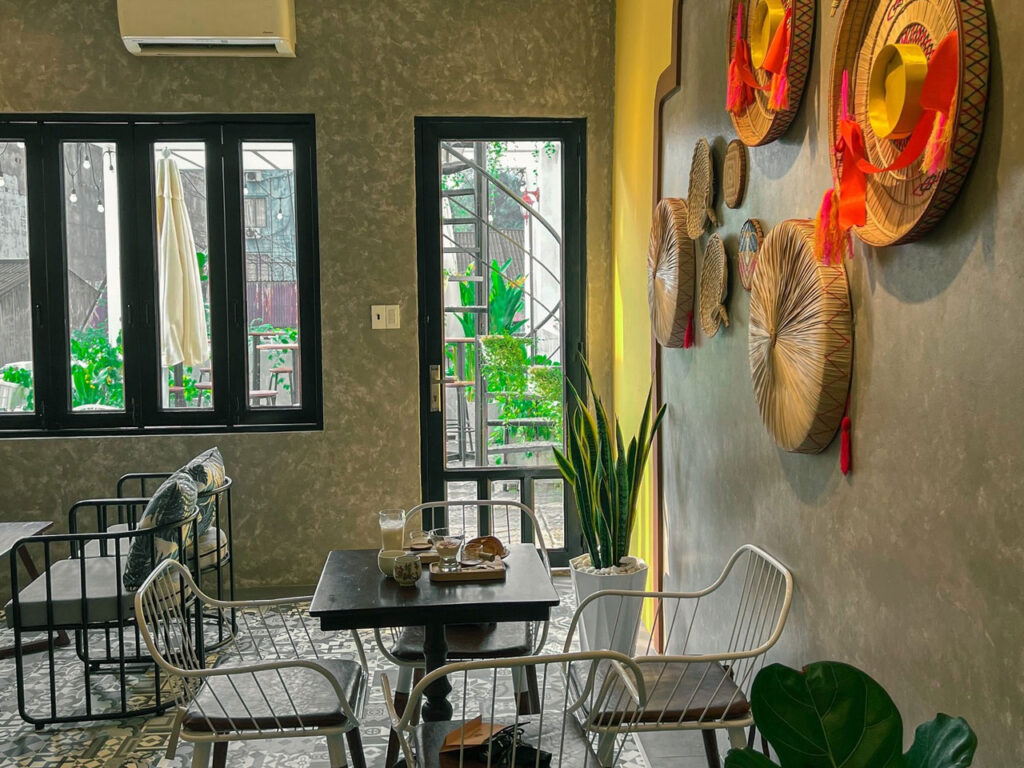
Exploring central Saigon can quickly become tiring, especially after busy markets, crowded streets, outdoor landmarks, and long walking routes. This guide explains where to take a break in downtown Saigon and how Tonkin Coffee’s four locations can support different needs, from a quick reset to a slower, more comfortable pause.
What makes a break useful in central Saigon?
A good city break should reduce fatigue without creating new logistical problems. The closest seat is not always the most useful choice, especially when reaching it requires crossing several busy roads or moving away from the next destination.
Does the stop fit the existing route?
Before choosing a café, consider where the journey will continue afterward. A stop positioned between two planned activities is usually more practical than a famous café in the opposite direction.
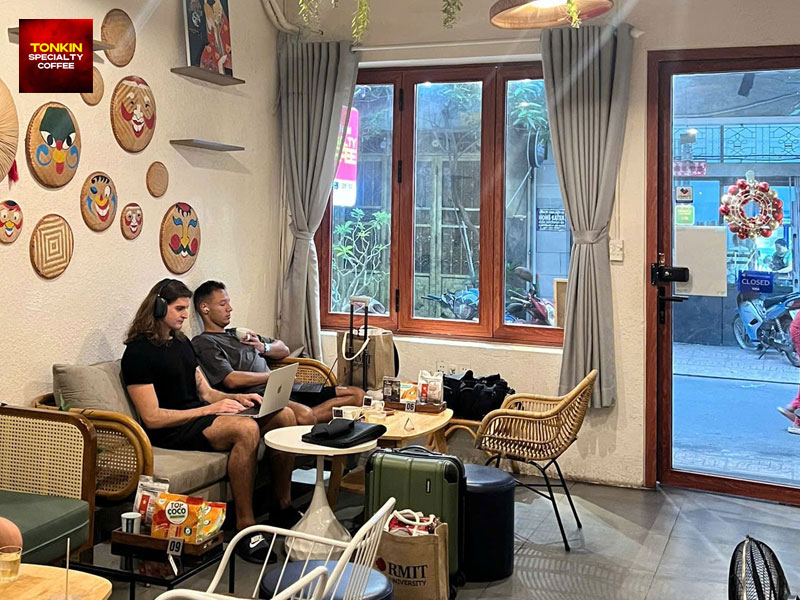
The ideal location should allow visitors to:
- Avoid unnecessary vehicle trips
- Remain close to central walking routes
- Reach the next destination easily
- Rest without losing too much sightseeing time
- Choose between a quick pause and a slower visit
For routes connecting the market area with the city’s main pedestrian corridor, a coffee stop between Ben Thanh Market and Nguyen Hue Walking Street can become part of the journey rather than a separate excursion.
What problem should the break solve?
Travel fatigue has several forms. Tired feet require comfortable seating, while sensory fatigue from traffic and crowds may call for a calmer environment. Hot outdoor routes create a need for chilled drinks, but a group carrying shopping bags may simply want enough space to sit and reorganize.
Identifying the immediate need makes it easier to choose the right type of café instead of selecting only by popularity or appearance.
When is an orientation break useful?
An orientation break is helpful when travelers are not completely exhausted but need to stop moving, open the map, review tickets, and decide which direction to take next.
What should an orientation-friendly café provide?
This kind of break does not need to be long. The café should be easy to enter, comfortable enough for a focused pause, and positioned so that several onward routes remain possible.
Useful features include:
- A recognizable central location
- Seating suitable for checking maps
- A clear and uncomplicated menu
- Easy access to shopping and cultural areas
- A setting that does not require a long stay
Why does Tonkin Specialty Coffee suit this purpose?
Tonkin Specialty Coffee is the brand’s flagship branch on Ly Tu Trong Street. Its central position makes it suitable for visitors moving around Ben Thanh Market, the older city center, nearby shopping streets, and cultural landmarks.
The space introduces Tonkin’s approach to Vietnamese Fine Robusta without feeling like an attraction that must occupy a large part of the day. Travelers can sit, reconsider their route, enjoy a local drink, and continue in several directions afterward.
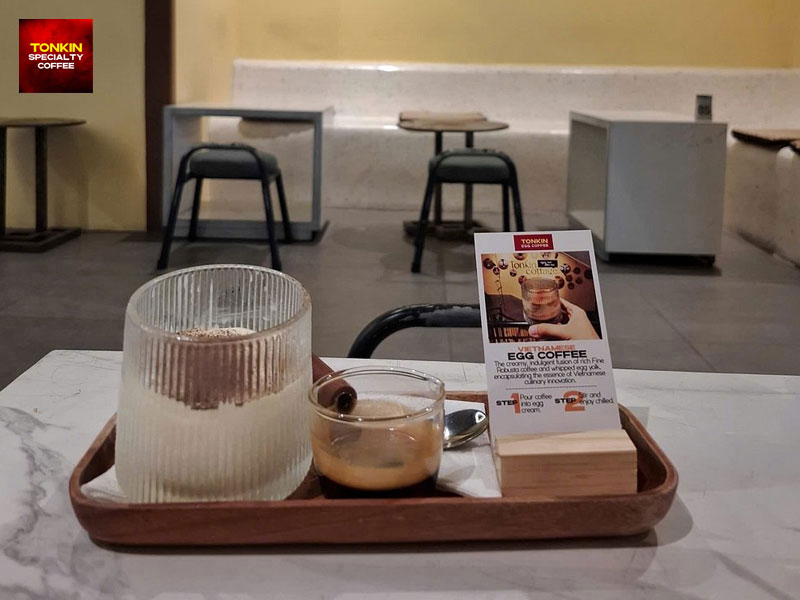
It is also a practical choice for anyone who wants the convenience associated with the best café after sightseeing in Ho Chi Minh City while still prioritizing beverage quality and local character.
Where can you reset after noise and crowds?
Central Saigon creates sensory fatigue even when the walking distance is short. Traffic, motorbikes, conversations, music, market activity, and dense pavements all demand constant attention.
At that point, another visually busy space may not feel restorative. A slower setting can help travelers settle before returning to the street.
What does a sensory reset involve?
A useful sensory break allows visitors to:
- Move away from direct traffic noise
- Sit without feeling hurried
- Place shopping bags comfortably
- Choose a smooth, familiar drink
- Review the next route at a slower pace
- Give children or older family members time to recover
The goal is not necessarily complete silence. It is to create enough contrast with the street for the body and attention to relax.
Why is Tonkin Garden Cafe a better fit for a slower pause?
Tonkin Garden Cafe sits inside an alley on Tran Hung Dao Street. The movement from a busy road into a garden-style café creates a noticeable change in pace while keeping visitors within the broader city-center area.
The branch is suitable after extended walking, shopping, or moving through crowded streets. Its environment works particularly well for families, small groups, and travelers carrying bags who need more than a rapid takeaway stop.
The experience also reflects the everyday urban character found in hidden alleyway coffee shops in central Saigon, where a short passage away from the main road can reveal a calmer side of the city.
What kind of break helps after outdoor walking?
Outdoor exploration can create a different kind of fatigue. Visitors may be less concerned about noise and more interested in cooling down, sitting comfortably, and choosing something refreshing.
Why does menu variety matter?
Not everyone recovers from walking in the same way. One person may want strong iced coffee, while another prefers tea, matcha, or a creamy drink. Some travelers want a distinctly Vietnamese flavor, but others need something familiar and gentle.
A practical café menu should include:
- Chilled Vietnamese coffee
- Creamier options for lighter palates
- Espresso-based drinks
- Tea and herbal beverages
- Non-coffee choices
- Different levels of sweetness and intensity
How does Tonkin Egg Coffee & Herbal Tea support this break?
Tonkin Egg Coffee & Herbal Tea is located on Ngo Duc Ke Street, making it convenient for routes around Nguyen Hue Walking Street, Dong Khoi Street, Saigon Opera House, Bitexco, and the riverfront.
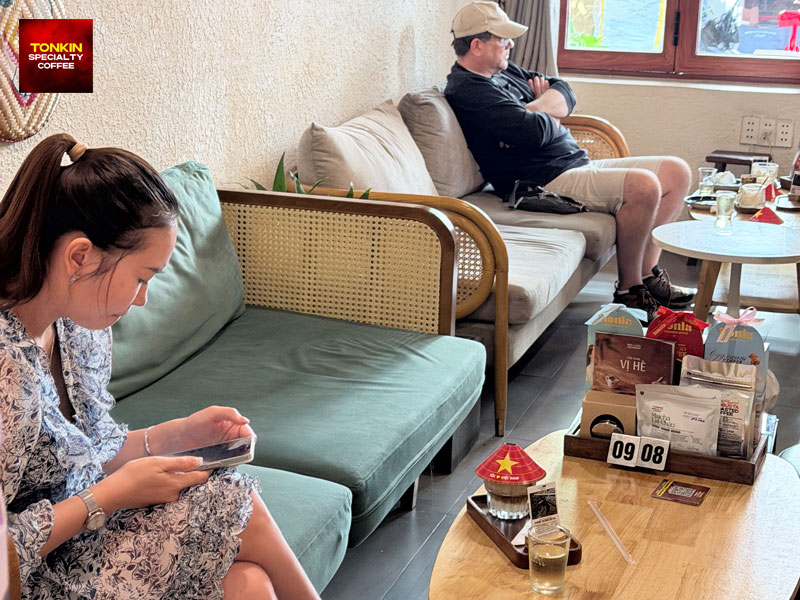
Its name highlights two important menu categories, but the full Tonkin menu is available. Groups can order Vietnamese coffee, espresso drinks, matcha, oolong, hibiscus, or herbal tea without splitting up to visit different cafés.
Visitors exploring the surrounding cultural landmarks can also learn more about finding egg coffee near Saigon Opera House before connecting the stop with their walking route.
Which drinks feel refreshing after walking?
Tonkin’s Egg Coffee is served cold. The egg cream and Fine Robusta are fully mixed to create an even, silky texture, while the glass is pre-chilled to help the drink remain smooth.
Coconut Coffee adds a tropical aroma and a richer chilled texture. Oolong with salted lemon and hibiscus with salted kumquat offer lighter alternatives, while Vietnamese Matcha Latte works well for guests who do not want coffee.
Salt Coffee remains coffee-forward but feels rounded because the cream and light saltiness soften the sweetness and roasted flavor.
When is a compact break better than a long café visit?
Not every pause needs a large garden or an extended experience. Sometimes travelers simply need to sit, order efficiently, restore their energy, and return to the itinerary.
Who benefits from a compact pause?
A straightforward stop is useful for:
- Solo travelers following a detailed route
- Visitors waiting for another activity
- People who already know what they want to order
- Travelers near Tao Dan or Le Thi Rieng
- Guests who need seating but not a destination café
- Groups with limited time before the next stop
Why can Tonkin Egg Coffee suit this situation?
Tonkin Egg Coffee on Le Thi Rieng Street offers a more compact and focused café experience. It connects naturally with routes around Tao Dan Park, the Ben Thanh area, nearby food stops, and the western side of the city center.
Despite the branch name, guests are not limited to Egg Coffee. The broader Tonkin menu is available, including Black Coffee, Nâu Tonkin, Salt Coffee, Coconut Coffee, Bạc Xỉu, espresso-based drinks, matcha, and tea.
Its practical location makes it a useful answer to where to rest between attractions in central Saigon when the goal is a direct pause rather than a long café session.
How can you choose a Tonkin branch by need?
The most useful branch depends on what the break must accomplish.
| What you need | Recommended branch | Why it fits |
| Check directions and reorganize the route | Tonkin Specialty Coffee | Central flagship with flexible onward connections |
| Recover from noise and extended walking | Tonkin Garden Cafe | Slower garden-style setting inside an alley |
| Cool down with varied drink choices | Tonkin Egg Coffee & Herbal Tea | Coffee, matcha, tea, and herbal options near the pedestrian corridor |
| Take a direct and uncomplicated pause | Tonkin Egg Coffee | Compact stop near Le Thi Rieng and Tao Dan |
The locations differ in atmosphere, but all four branches maintain the same core menu and quality standards. Travelers can therefore choose according to convenience and mood without worrying that a signature drink is restricted to one address.
Which drink matches the purpose of the break?
Choosing by texture and intensity is often easier than trying to understand every menu name.
For a slower mental reset
Nâu Tonkin combines Fine Robusta with condensed milk for a balanced, smooth drink. A Latte provides a familiar texture, while Vietnamese herbal tea offers a coffee-free way to slow down.
For cooling down
Chilled Egg Coffee, Coconut Coffee, hibiscus with salted kumquat, and oolong with salted lemon all provide distinct refreshing experiences.
For a clear coffee flavor
Black Coffee presents the Fine Robusta base most directly. Espresso and Cappuccino offer familiar preparations, while Salt Coffee keeps the roasted character clear but softens its edges.
Those tasting local coffee for the first time can compare approachable options through the guide to which Vietnamese coffee tourists should try first.
Why does local coffee make the break more meaningful?
A pause does not have to be empty time between activities. Choosing a locally rooted café allows travelers to rest while still learning about Vietnamese ingredients, agriculture, and coffee culture.
Tonkin’s Fine Robusta comes from the Gia Lai Highlands, where Cô Hòa and Chú Diện cultivate coffee in red basalt soil. Tonkin Coffee purchases their harvest directly, reducing dependence on middlemen and supporting a more stable relationship with the producers.
Careful sourcing also contributes to consistency. The coffee develops a full body with notes of dark chocolate, roasted nuts, and caramel, yet it is prepared to feel smooth rather than unnecessarily harsh.
What should travelers avoid when choosing a place to pause?
Choosing only by social-media appearance can lead to a café that looks impressive but does not provide comfortable seating, useful access, or reliable drinks.
Walking much farther than the break is worth can also increase fatigue. The purpose of stopping is lost when reaching the café creates another difficult journey.
Travelers should also avoid assuming that everyone in the group wants strong coffee. A menu with milk coffee, matcha, tea, and herbal alternatives makes the stop more practical for mixed preferences.
Most importantly, a break should not be treated as wasted itinerary time. A local drink, a calmer space, and a chance to understand the city’s café culture can become part of the travel experience itself.
Visit Tonkin Coffee Today!
Tonkin Specialty Coffee
- Add: 91 Ly Tu Trong St., Ben Thanh Ward, Ho Chi Minh City, Vietnam.
- Hotline: 086 799 0125
Tonkin Garden Cafe
- Add: 135/50 Tran Hung Dao St., Cau Ong Lanh Ward, Ho Chi Minh City, Vietnam.
- Hotline: 087 992 4691
Tonkin Egg Coffee
- Add: 1 Le Thi Rieng St., Ben Thanh Ward, Ho Chi Minh City, Vietnam.
- Hotline: 0815 841 909
Tonkin Egg Coffee & Herbal Tea
- Add: 27 Ngo Duc Ke St., Sai Gon Ward, Ho Chi Minh City, Vietnam

Nestled in the heart of Ho Chi Minh City, Tonkin Specialty Coffee is one of the best coffee shops to experience authentic Vietnamese flavors. From the iconic egg coffee and refreshing coconut coffee to bold Vietnamese coffee and the unique salt coffee, every sip is a journey into tradition. For non-coffee lovers, our Vietnamese matcha offers a gentle alternative. Pair your drink with a freshly baked banh mi or a buttery croissant, and savor the true taste of Vietnam in a setting inspired by folk culture and Indochine charm.