

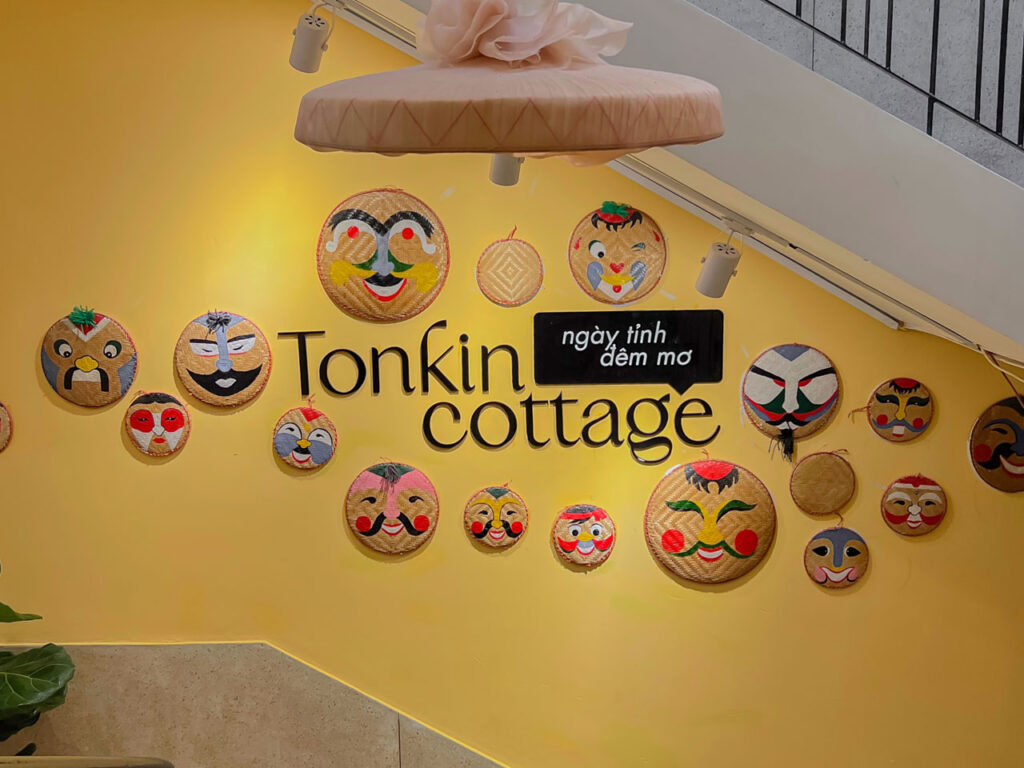
Vietnamese egg coffee traces its origins back to 1946, a fact often searched under “when was egg coffee invented”, when bartender Nguyễn Văn Giảng in Hanoi created the drink during a time of milk scarcity. By whisking egg yolk with sugar and condensed milk, he crafted the signature golden foam that would become a beloved symbol of Vietnam’s coffee culture. Today, this humble invention continues to inspire cafés across the country—including Tonkin Coffee in Ho Chi Minh City, where the tradition is preserved and elevated with meticulous craftsmanship.
Origins of Vietnamese egg coffee
The story of Vietnamese egg coffee begins in the mid-20th century, when post-war conditions shaped the country’s culinary landscape. Fresh milk was scarce, especially in Hanoi, and cafés struggled to meet growing demand for creamy coffee drinks. This environment encouraged innovation, setting the stage for one of Vietnam’s most endearing beverages.
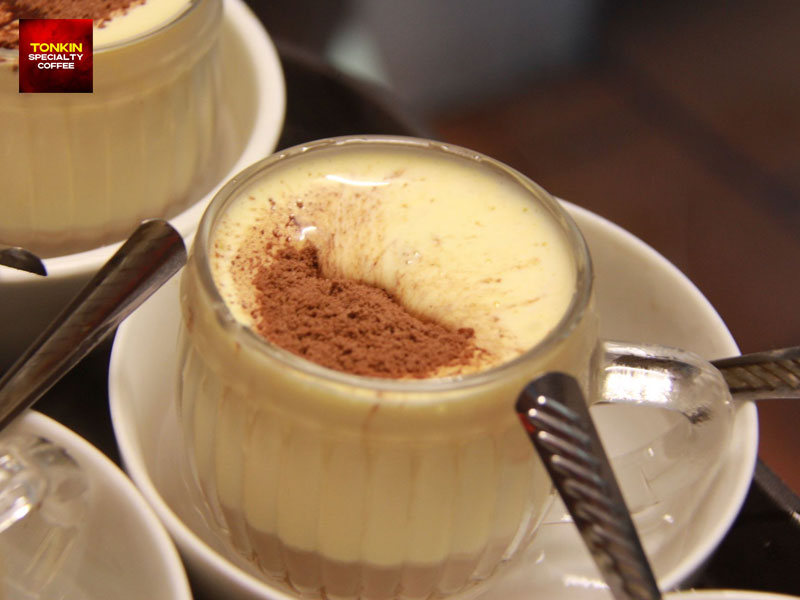
Nguyễn Văn Giảng, working at the historic Metropole Hotel, experimented with egg yolk as a substitute for milk. Whipping egg yolk with sugar created a creamy, velvety foam that paired beautifully with strong Vietnamese robusta coffee. His early customers were fascinated by its texture—light, sweet, and custard-like on top of intense aromatic coffee.
Later, he founded Café Giảng, where the drink became the centerpiece of the menu. For many tourists today searching who invented egg coffee in Vietnam online, the story always leads back to this café and their enduring role in shaping the identity of egg coffee.
The drink slowly spread across Vietnam, gaining popularity in cities like Saigon, where its richness matched the city’s vibrant café culture. Today, egg coffee is more than a beverage—it is a piece of living history that connects generations, an important thread in the broader egg coffee Vietnam history that continues to evolve.
Evolution of the traditional recipe
The original recipe involved just a few ingredients: egg yolk, sugar, condensed milk, and strong coffee. But the technique was demanding. The foam needed to be whipped until pale and airy, a delicate balance that required practice and precision to avoid unpleasant odors or overly dense texture.
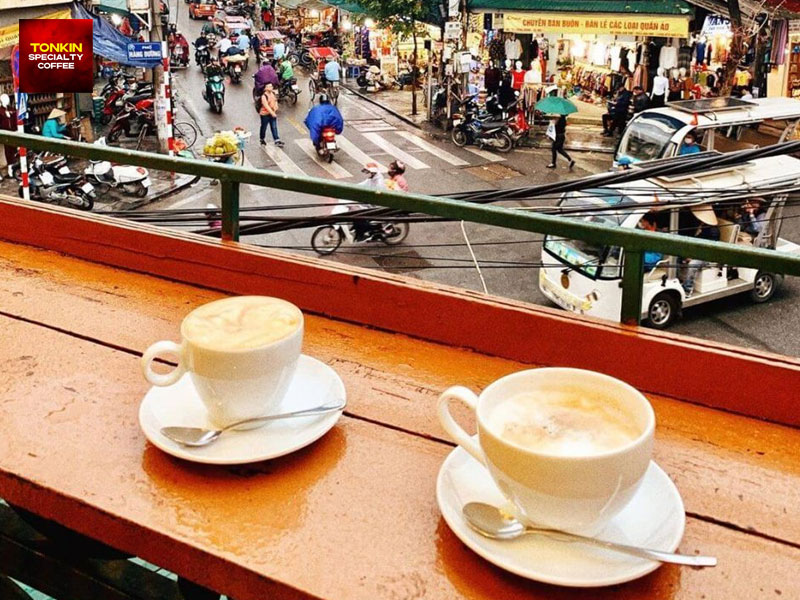
Over the decades, cafés began refining this method. Modern mixing tools replaced the early hand-whisking technique, allowing more stable and smoother foam. Baristas adjusted ratios to reduce the eggy smell, focusing on achieving a silky and balanced flavor.
This evolution aligns with how many cafés today explore variations of the drink. Some replace condensed milk with alternative sweeteners or use specialty robusta beans to enhance depth. Others offer chilled versions or serve egg coffee as a dessert-style item.
It’s interesting to note how global café trends have influenced this drink. As tourists became more curious about its origins and cultural meaning, many international guides began explaining the drink in ways similar to how people describe what is egg cream coffee, focusing on the blend of rich espresso beneath a silky layer of whipped egg.
The humble 1946 creation gradually transformed into an internationally recognized icon.
Craftsmanship behind a well-made egg coffee
The role of egg foam
The heart of egg coffee lies in two key elements: the foam and the coffee beneath it. Each must be crafted with intention, and the harmony between them defines a truly exceptional cup.
The egg foam should be smooth, sweet, and free from any heavy aftertaste. Achieving this requires:
- Selecting high-quality, fresh eggs
- Mastering temperature control and whipping speed
- Preventing separation or collapse of the foam
The importance of strong coffee
On the coffee side, robusta is traditionally preferred because of its boldness and crema. A good shot offers deep flavor and a nutty aroma that cuts through the sweetness of the foam. This is why some cafés emphasize techniques similar to guides teaching how to make egg foam for coffee, as the stability and lightness of the foam greatly influence the final experience.
A well-executed cup delivers contrasting sensations: warm coffee below, airy cream above, and a slow fusion of the two as you sip. This balance is what allows egg coffee to stand out among global coffee specialties.
Tonkin Coffee’s approach to honoring tradition
In Ho Chi Minh City, Tonkin Coffee has earned recognition for elevating egg coffee with meticulous craftsmanship while honoring its Hanoi roots. Their philosophy centers on freshness, quality, and authentic flavor.
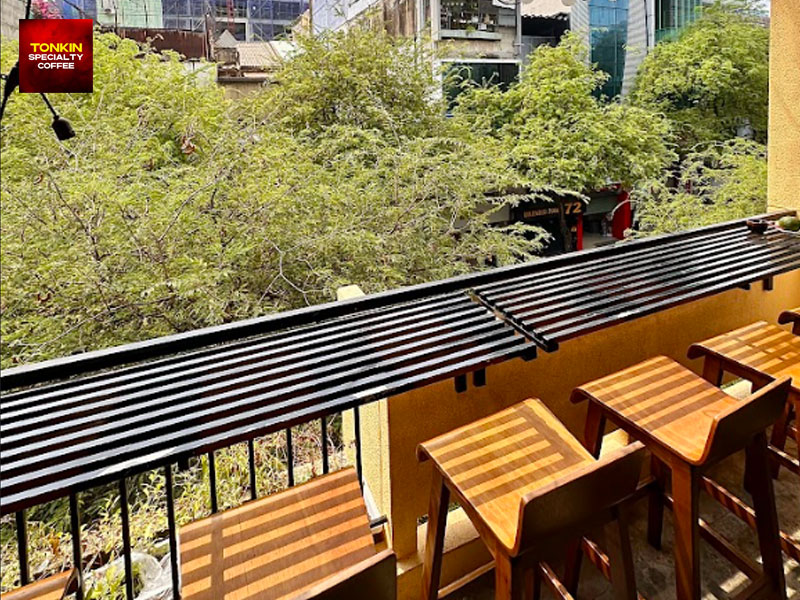
Tonkin prepares fresh egg cream every single day, avoiding industrial or pre-made bases. This ensures the foam remains naturally sweet, smooth, and free from unwanted smells. Each batch is carefully processed to maintain consistency—light yet stable, creamy yet gentle.
How Tonkin perfects its egg foam
Their foam undergoes multiple refinement steps:
- Selection of eggs with firm, cleanly separated yolks
- Mixing at controlled speeds to reach ideal fluffiness
- Flavor balancing to achieve sweetness without heaviness
The result is a topping that feels velvety and clean, enhancing the coffee instead of overpowering it.
The story behind Tonkin Coffee’s espresso
Tonkin’s dedication goes far beyond the foam. The café carefully selects robusta beans that reflect decades of refined farming practices, attention to soil health, and the commitment of farmers who have shaped Vietnam’s coffee culture. Each shot of espresso carries this rich heritage, offering depth and aroma that perfectly complements the silky egg cream on top.
By combining premium espresso with meticulously prepared foam, Tonkin creates an elevated version of egg coffee that honors its traditional roots. The result is a harmonious cup that celebrates both history and craftsmanship, appealing to modern coffee lovers who appreciate both flavor and story.
Experiencing egg coffee at Tonkin Coffee
Tonkin Coffee operates in central District 1, making it accessible for locals and travelers exploring Ho Chi Minh City. Each location offers a distinct atmosphere but maintains the same commitment to quality.
- Tonkin Specialty Coffee
91 Lý Tự Trọng, Bến Thành Ward, District 1 - Tonkin Garden Cafe
135/50 Trần Hưng Đạo, Bến Thành Ward, District 1 - Tonkin Egg Coffee
1 Lê Thị Riêng, Bến Thành Ward, District 1
Guests often appreciate the consistency across all three shops. Whether seated in a quiet corner or enjoying a garden setting, every cup reflects the café’s attention to detail.
Tonkin’s approach allows visitors to enjoy egg coffee as both a traditional drink and a modern specialty item. The foam is balanced, the espresso refined, and the texture silky enough to satisfy newcomers and long-time fans alike.
The café’s careful preparation also makes it a popular spot for travelers who later look up how to make egg foam for coffee at home, hoping to replicate what they’ve tasted. While home versions may come close, Tonkin’s mastery of freshness and technique is difficult to imitate.
A drink rooted in heritage and carried forward by craft
Egg coffee may have been created out of necessity, but its longevity comes from passion and craftsmanship. From its invention in 1946 to its place in modern specialty cafés, the drink remains a symbol of Vietnamese creativity.
Tonkin Coffee helps carry this legacy into a new era—respecting history while elevating technique, ingredients, and flavor. For anyone curious about this uniquely Vietnamese specialty, experiencing a carefully crafted cup at Tonkin is one of the most memorable ways to connect with its story.
Visit Tonkin Coffee Today!
Tonkin Specialty Coffee
- Add: 91 Ly Tu Trong St, Ben Thanh Ward, District 1, Ho Chi Minh City, Vietnam.
- Hotline: 086 799 0125
Tonkin Garden Cafe
- Add: 135/50 Tran Hung Dao St, Ben Thanh Ward, District 1, Ho Chi Minh City, Vietnam.
- Hotline: 087 992 4691
Tonkin Egg Coffee
- Add: 1 Le Thi Rieng, Ben Thanh Ward, District 1, Ho Chi Minh City, Vietnam.
- Hotline: 0815 841 909
Nestled in the heart of Ho Chi Minh City, Tonkin Specialty Coffee is one of the best coffee shops to experience authentic Vietnamese flavors. From the iconic egg coffee and refreshing coconut coffee to bold Vietnamese coffee and the unique salt coffee, every sip is a journey into tradition. For non-coffee lovers, our Vietnamese matcha offers a gentle alternative. Pair your drink with a freshly baked banh mi or a buttery croissant, and savor the true taste of Vietnam in a setting inspired by folk culture and Indochine charm.