
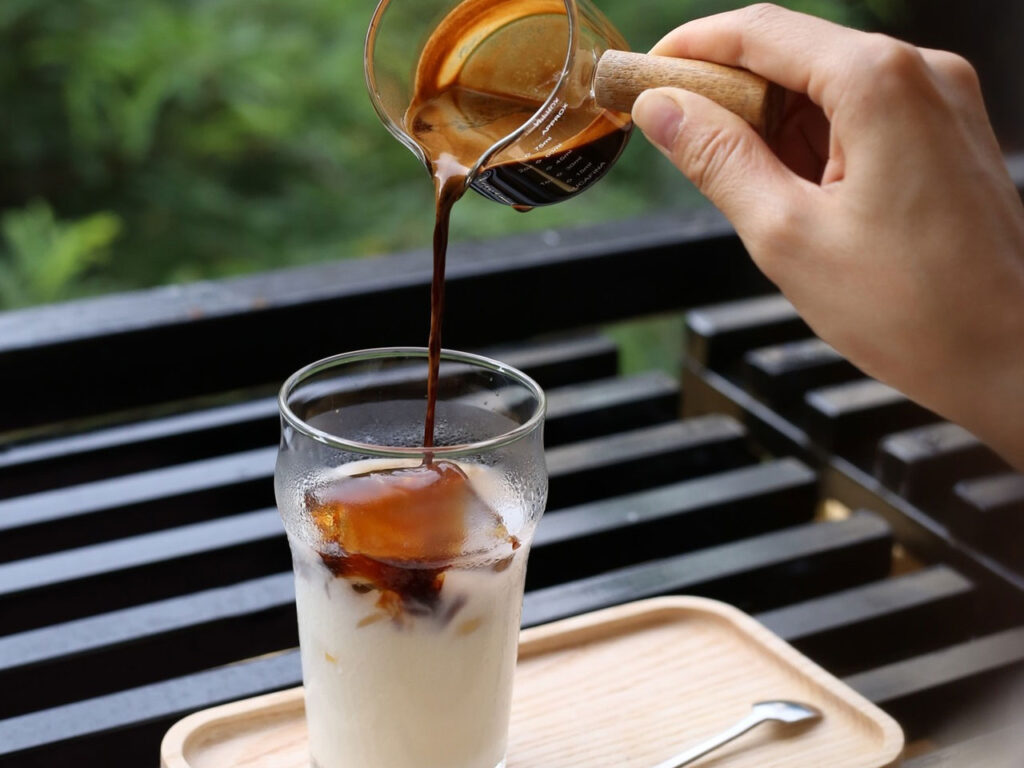
Vietnamese cold coffee is a bold and refreshing drink made from strong coffee poured over ice, often combined with sweetened condensed milk. Known locally as cà phê sữa đá, it reflects Vietnam’s coffee culture: simple ingredients, deep flavor, and a slow moment of enjoyment in the middle of a busy day. At Tonkin Coffee, Vietnamese cold coffee is prepared with a focus on balance and smoothness, allowing the natural character of the coffee to stand out. Across Vietnam, every café prepares it slightly differently: some cups feel strong and intense, while others are softer and more rounded, but the refreshing harmony between bold coffee and ice always remains.
What Is Vietnamese Cold Coffee and Why Is It So Popular?
Vietnamese cold coffee is typically a strong coffee base served with ice, sometimes mixed with condensed milk for sweetness and texture. The drink is famous because it balances bold roasted flavor with refreshing coolness, making it perfect for Vietnam’s warm climate.
The Classic Cà Phê Sữa Đá
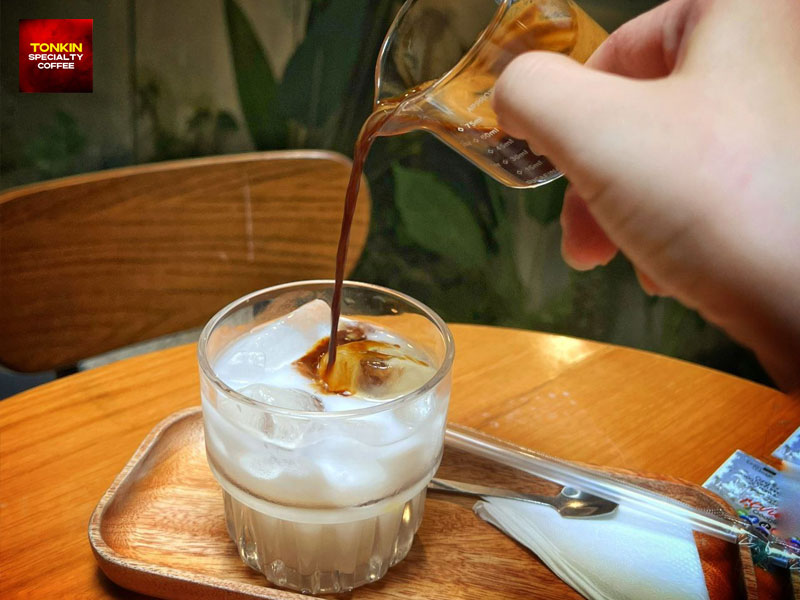
The most recognizable version is cà phê sữa đá, which combines:
- Strong brewed coffee
- Sweetened condensed milk
- Ice
The condensed milk softens the bitterness of the coffee and creates a creamy, smooth texture.
Cà Phê Đen Đá (Black Iced Coffee)
Another common version is black iced coffee, served without milk.
This style highlights the natural character of Vietnamese coffee beans. The taste feels stronger and more direct, making it popular among locals who enjoy pure coffee flavor.
Why Ice Is Essential
Ice is not just for cooling the drink. It also:
- Softens the intensity of the coffee
- Creates a refreshing texture
- Helps the drink evolve slowly as it melts
Because of this, Vietnamese cold coffee often tastes slightly different from the first sip to the last.
What Makes Vietnamese Cold Coffee Taste So Strong Yet Balanced?
The distinctive flavor comes from a combination of coffee beans, roasting style, and brewing technique. Vietnamese coffee is known for its strength, but balance is what truly defines a well-prepared cup.
Robusta Beans and Their Character
Vietnam is the world’s largest producer of Robusta coffee. Compared with Arabica, Robusta beans typically offer:
- Higher caffeine content
- Stronger body
- Deep roasted aroma
When handled carefully, Robusta can produce a rich and satisfying cup without overwhelming bitterness.
The Role of Extraction
Coffee flavor depends greatly on extraction time. If too much water passes through the coffee grounds:
- The drink becomes thinner
- Bitterness increases
- Aromas become less clear
A shorter extraction often preserves smoother and more pleasant flavors.
A Different Approach at Tonkin Coffee
At Tonkin Coffee, the philosophy is simple: coffee should feel gentle and balanced rather than aggressively bitter.
The café works with Fine Robusta beans and extracts coffee only to the point where the flavor feels complete. This method limits harsh bitterness and allows more subtle aromas to appear in the cup.
The result is a drink that feels bold but still smooth and easy to enjoy.
How Is Vietnamese Cold Coffee Traditionally Brewed?
Vietnamese coffee is traditionally brewed slowly, allowing the flavor to develop gradually. The method itself has become part of the coffee experience.
The Traditional Phin Filter
Many cafés and homes use Vietnamese coffee filter equipment called a phin.
The brewing process usually follows these steps:
- Ground coffee is placed inside the metal filter
- Hot water is poured slowly over the grounds
- Coffee drips gradually into the cup
- Condensed milk may be added
- Ice is mixed in before drinking
Watching coffee drip slowly is often part of the charm of Vietnamese coffee culture.
How Do Locals Usually Enjoy Vietnamese Cold Coffee?
Coffee in Vietnam is rarely rushed. The drink is closely connected with daily routines and social moments.

If you want to understand how to drink Vietnamese coffee, observing local habits can be helpful.
Slow Morning Coffee
Many people begin their day at a small café, enjoying coffee while watching the city wake up.
The drink is often stirred slowly as the ice melts, allowing the flavors to blend naturally.
Coffee as a Social Moment
Vietnamese cafés are also places for conversation.
Friends meet for:
- casual chats
- afternoon breaks
- quiet moments alone with a cup of coffee
The atmosphere is relaxed and unhurried.
Letting the Flavor Evolve
Because the drink contains ice, the taste changes gradually.
The first sip is often bold and concentrated. As the ice melts, the flavor becomes softer and more refreshing.
Where Can Travelers Find Authentic Vietnamese Cold Coffee?
Vietnam has thousands of cafés, but quality varies widely depending on the beans and brewing approach.
Many travelers wonder where to buy coffee in Vietnam, especially if they want to bring home beans that represent the country’s coffee culture.
Specialty Cafés and Local Roasters
In cities like Ho Chi Minh City and Hanoi, specialty cafés now focus on:
- higher-quality beans
- thoughtful roasting
- more balanced brewing
These cafés aim to highlight the natural flavor of Vietnamese coffee rather than relying only on strength.
Experiencing Coffee at Tonkin Coffee
At Tonkin Coffee, coffee is prepared with a calm and careful approach.
The goal is not simply to serve a strong drink but to create a cup that feels smooth, gentle, and memorable. The café’s use of Fine Robusta beans allows the natural depth of Vietnamese coffee to appear without overwhelming bitterness.
For many visitors, this balance offers a different perspective on Vietnamese coffee.
What Defines the Best Vietnamese Coffee Experience?
People often debate what makes the best Vietnamese coffee, but the answer usually comes down to balance.
A memorable cup typically combines several qualities:
- rich aroma
- smooth texture
- controlled bitterness
- natural sweetness
- refreshing finish
When these elements come together, the coffee feels powerful yet comfortable to drink.
At its heart, Vietnamese cold coffee is simple. Coffee, ice, and sometimes milk. Yet within that simplicity lies a wide range of flavor and interpretation.
Every café defines “delicious” in its own way, but the most satisfying cups are often the ones that allow the natural character of the coffee to speak quietly for itself.
Visit Tonkin Coffee Today!
Tonkin Specialty Coffee
- Add: 91 Ly Tu Trong St, Ben Thanh Ward, District 1, Ho Chi Minh City, Vietnam.
- Hotline: 086 799 0125
Tonkin Garden Cafe
- Add: 135/50 Tran Hung Dao St, Ben Thanh Ward, District 1, Ho Chi Minh City, Vietnam.
- Hotline: 087 992 4691
Tonkin Egg Coffee
- Add: 1 Le Thi Rieng, Ben Thanh Ward, District 1, Ho Chi Minh City, Vietnam.
- Hotline: 0815 841 909
Nestled in the heart of Ho Chi Minh City, Tonkin Specialty Coffee is one of the best coffee shops to experience authentic Vietnamese flavors. From the iconic egg coffee and refreshing coconut coffee to bold Vietnamese coffee and the unique salt coffee, every sip is a journey into tradition. For non-coffee lovers, our Vietnamese matcha offers a gentle alternative. Pair your drink with a freshly baked banh mi or a buttery croissant, and savor the true taste of Vietnam in a setting inspired by folk culture and Indochine charm.