

After exploring the museum, enjoying Vietnamese coffee near Ho Chi Minh City Museum is an easy way to continue discovering Saigon beyond its exhibits. Tonkin Coffee offers two useful nearby choices: Tonkin Specialty Coffee for a cultural stop toward Ben Thanh Market, and Tonkin Egg Coffee & Herbal Tea for a quieter break toward Nguyen Hue and the Saigon River.
Where Can You Drink Vietnamese Coffee After Visiting Ho Chi Minh City Museum?
The most useful café depends on where you plan to go next. Tonkin Specialty Coffee offers a compact cultural stop toward the Ben Thanh side of central Ho Chi Minh City, while Tonkin Egg Coffee & Herbal Tea provides a quieter pause before exploring the eastern side of District 1.
Which Tonkin branch works if Ben Thanh Market is next?
Tonkin Specialty Coffee, at 91 Ly Tu Trong Street, is the more natural choice when Ben Thanh Market is part of your next route.
Rather than treating coffee as a separate detour, you can use the café as a transition between learning about the city and walking into one of its busiest commercial areas.
A simple sequence is:
Ho Chi Minh City Museum – Ly Tu Trong Street – Tonkin Specialty Coffee – Ben Thanh Market
The same route logic is useful when deciding where to drink Vietnamese coffee after Reunification Palace: the best stop is often the one that moves you naturally toward the next attraction.
Which branch works if Nguyen Hue is next?
Choose Tonkin Egg Coffee & Herbal Tea, at 27 Ngo Duc Ke Street, if your afternoon continues toward Nguyen Hue Walking Street, Bitexco or the Saigon River.
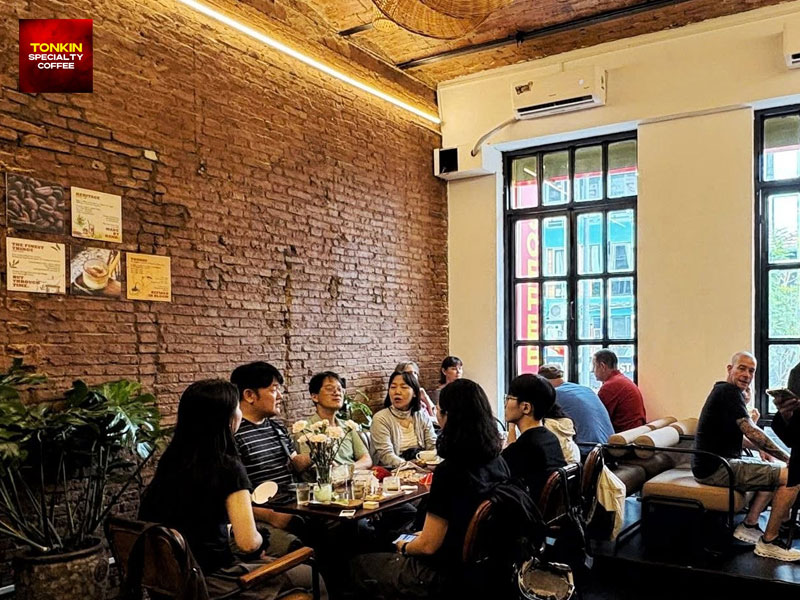
The upstairs setting offers a calmer contrast to the busy streets below, and the menu includes both Vietnamese coffee and herbal tea for groups with different preferences.
Why Does Vietnamese Coffee Fit Naturally After a Museum Visit?
A museum explains a city through objects, architecture and historical stories. Coffee adds another layer: the everyday habits that people continue to enjoy outside museum walls.
How does coffee continue the story of Saigon?
Saigon is not experienced only through monuments. Street food, cafés, old buildings and the habit of sitting over a drink are also part of the city’s identity.
After spending time reading exhibits, a coffee stop lets the pace become more personal. You are no longer simply observing the city; you are participating in one of its familiar daily rituals.
Why is sitting down part of the experience?
Central Ho Chi Minh City can feel intense after an hour or two of walking. Heat, traffic and repeated sightseeing stops can quickly make an itinerary feel rushed.
A 30-minute coffee break creates room to cool down, look at photos and decide what actually deserves your attention next. For many visitors, that slower moment becomes as memorable as another landmark.
Why Is Tonkin Specialty Coffee a Good Cultural Stop?
Tonkin Specialty Coffee works particularly well after a museum because the café adds Vietnamese visual culture without turning the experience into a staged theme.
What makes the Ly Tu Trong branch distinctive?
The street entrance is relatively discreet. After moving upstairs, visitors enter a smaller, more intimate room that feels separated from the movement of central Saigon below.
That transition matters. One minute you are walking through traffic and shops; the next you are sitting in a warm-toned café where the pace feels noticeably slower.
Travelers comparing coffee near Independence Palace Ho Chi Minh City can use Tonkin Specialty Coffee in a similar way: not simply as a caffeine stop, but as a short cultural pause between central landmarks.
Which Vietnamese details can visitors notice?
The interior includes folk masks, woven bamboo pieces, traditional hats, Vietnamese-inspired artwork and warm decorative elements.
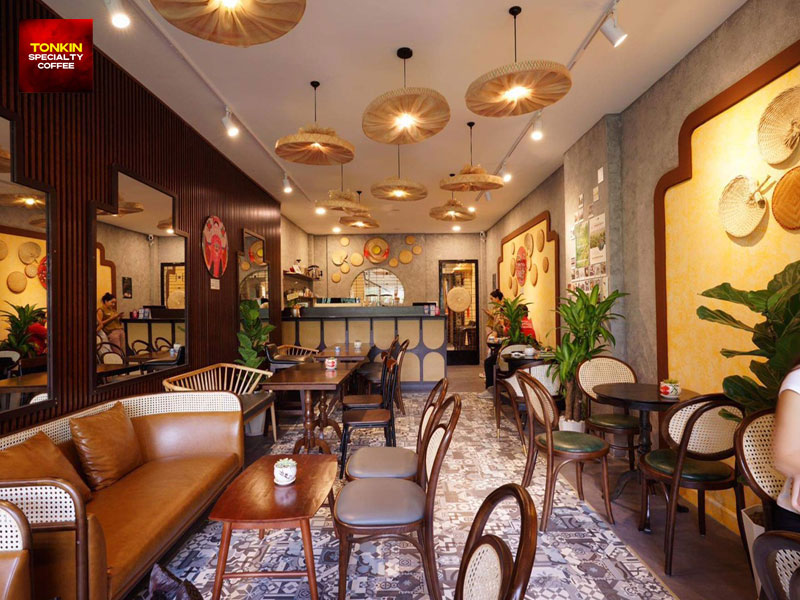
The café does not need a large space to create a strong sense of place. In fact, the smaller upstairs setting makes individual details easier to notice while you drink.
What Vietnamese Coffee Should First-Time Visitors Try?
There is no single correct first drink. Egg coffee suits visitors who want something distinctive, salt coffee is useful for people who enjoy creamier but less dessert-like flavors, and Vietnamese milk coffee is an easy introduction for anyone familiar with sweet iced coffee.
Why is egg coffee a memorable first choice?
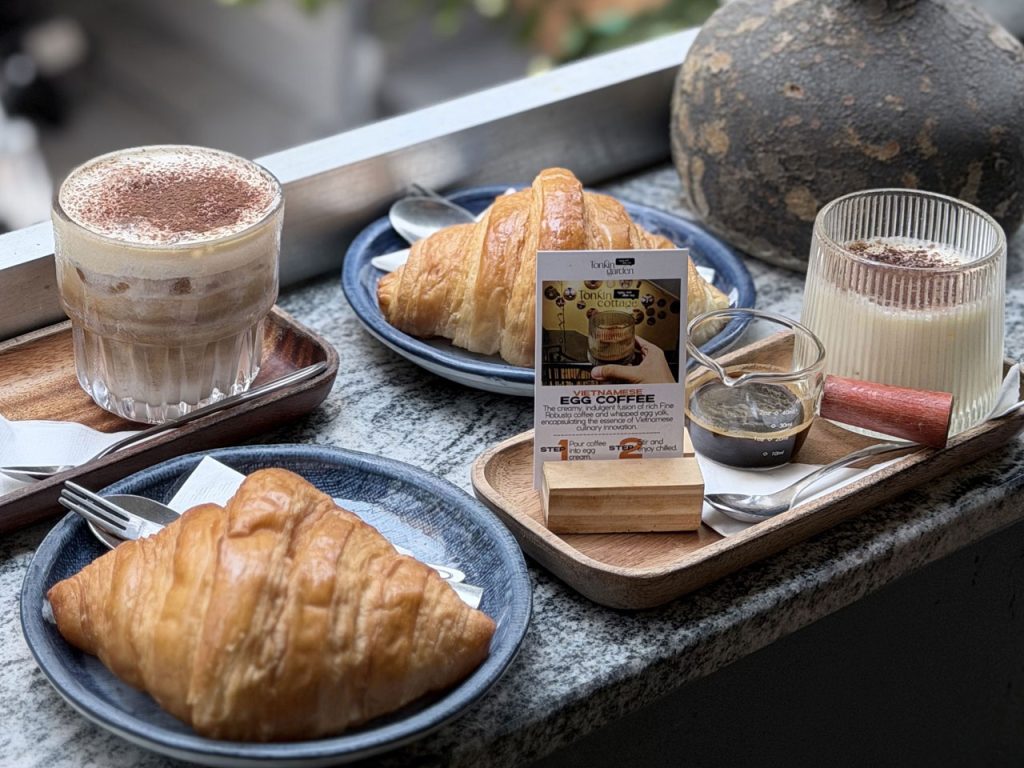
Tonkin’s egg coffee combines a strong coffee layer with a silky egg cream prepared with fresh eggs, honey, sugar and a small amount of rum.
The contrast is the interesting part. The cream feels soft and gently sweet, while the coffee underneath prevents the drink from becoming simply a dessert.
Who might prefer salt coffee?
Salt coffee is a good alternative when you want creaminess without an obviously sweet finish.
A lightly salted cream softens the coffee’s bitterness and adds a subtle savory edge. The drink should not taste strongly salty; balance is the point.
Visitors curious about where to try Vietnamese salt coffee in Ho Chi Minh City can find the drink across Tonkin Coffee’s central branches, making it easy to fit into different sightseeing routes.
Why is Vietnamese milk coffee easy to understand?
Vietnamese milk coffee combines concentrated coffee with condensed milk and is especially enjoyable over ice in Ho Chi Minh City’s warm weather.
The flavor is sweet and familiar, but the coffee still has enough body to remain noticeable beneath the condensed milk.
How Do Tonkin Coffee Drinks Compare?
A quick comparison helps when you do not want to study a long menu after sightseeing.
| Preference | Drink | Main experience |
| First Vietnamese specialty | Egg coffee | Creamy, balanced, distinctive |
| Less sweet but still creamy | Salt coffee | Smooth, lightly savory |
| Cold and familiar | Vietnamese milk coffee | Rich, sweet, refreshing |
| Strong coffee character | Black coffee | Bold, direct |
Tonkin uses Fine Robusta as the coffee base across several coffee drinks, giving the menu a full-bodied backbone with flavors that can suggest dark chocolate, roasted nuts and caramel. Fine Robusta is the foundation of those drinks rather than a separate signature beverage.
How Does Tonkin Specialty Coffee Differ From a Generic Downtown Café?
A café does not become locally meaningful simply by displaying a few traditional decorations. The coffee, location, building and atmosphere need to support the same story.
What makes the Tonkin experience feel specific to Saigon?
At Tonkin Specialty Coffee, the upstairs setting, Vietnamese folk references and coffee menu work together. The café feels connected to the surrounding city rather than detached from it.
That combination is especially valuable for visitors who have just left a museum. The formal historical experience continues in a more relaxed form through everyday coffee culture.
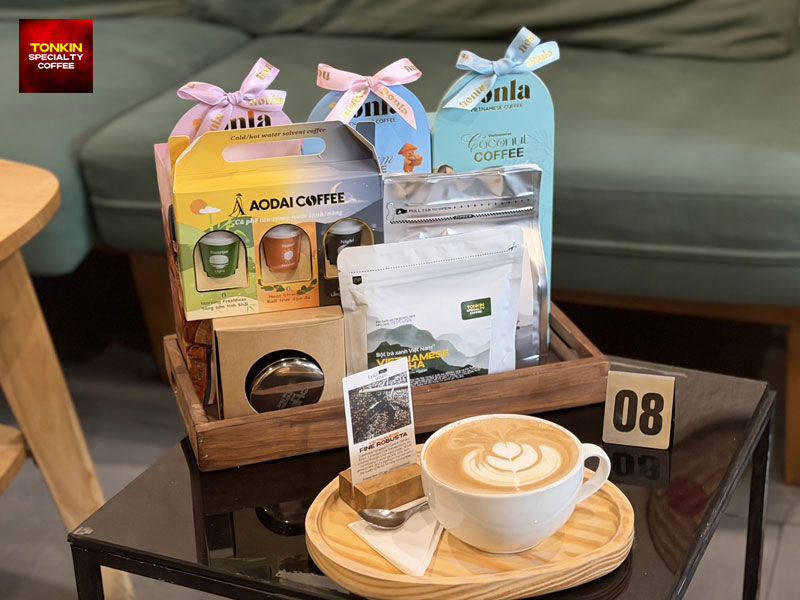
For travelers planning a wider historic-center itinerary, Vietnamese coffee near Independence Palace offers another way to connect local drinks with central Saigon landmarks.
Who will enjoy this branch most?
Tonkin Specialty Coffee is especially suitable for:
- First-time visitors to Ho Chi Minh City
- Travelers interested in Vietnamese culture
- People heading toward Ben Thanh Market
- Couples wanting a short but distinctive break
- Visitors who prefer intimate cafés over large chains
When Should You Choose Tonkin Egg Coffee & Herbal Tea Instead?
Tonkin Egg Coffee & Herbal Tea becomes the better choice when your next destination lies around Nguyen Hue, Dong Khoi, Bitexco or the riverfront.
Why does Ngo Duc Ke fit an eastbound itinerary?
Tonkin Egg Coffee & Herbal Tea occupies an upstairs space in a historic villa at 27 Ngo Duc Ke Street.
The atmosphere is quieter than the nearby main pedestrian areas, with warm wood, high ceilings and an older architectural character. That makes the branch useful when you want to enjoy downtown without remaining in the busiest part of downtown.
What if someone in the group does not drink coffee?
Herbal tea gives mixed groups more flexibility. One person can order egg coffee or salt coffee while another chooses a non-coffee drink without having to find a second café.
That small practical detail can make a difference when traveling with friends or family.
Which Coffee Stop Fits Your Next Museum Route?
Choosing by direction keeps the afternoon simple.
| Next destination | Recommended Tonkin branch | Why |
| Ben Thanh Market | Tonkin Specialty Coffee | Fits the Ly Tu Trong direction |
| Central District 1 | Tonkin Specialty Coffee | Strong cultural café experience |
| Nguyen Hue Walking Street | Tonkin Egg Coffee & Herbal Tea | Natural eastbound continuation |
| Bitexco / Saigon River | Tonkin Egg Coffee & Herbal Tea | Convenient for the river side |
| Quiet coffee break | Tonkin Specialty Coffee | Intimate upstairs setting |
| Coffee + herbal tea | Tonkin Egg Coffee & Herbal Tea | More choice for mixed groups |
How Long Should You Allow for Coffee After the Museum?
Twenty to thirty minutes is enough if you want one drink and plan to continue sightseeing. Allow 45–60 minutes when the weather is hot, you want to enjoy egg coffee slowly or your group needs time to plan the next stop.
Should you visit several cafés in one afternoon?
Usually, one meaningful stop is enough.
Trying to visit three cafés simply because they look good in photographs often turns the afternoon into transportation rather than exploration. Choose one branch that fits the route and give yourself enough time to actually enjoy the drink.
What Do First-Time Visitors Often Misunderstand About Vietnamese Coffee?
A few expectations are worth adjusting before ordering.
- Vietnamese coffee is not always extremely bitter. Bean quality, preparation and ingredients influence the final balance.
- Egg coffee should not taste like raw egg. A well-made cream is smooth and integrated.
- Salt coffee is not supposed to taste obviously salty. The salt supports sweetness and softens bitterness.
- Traditional Vietnamese coffee does not have to mean only phin brewing. Coffee origin, flavor, recipes and drinking culture also shape the experience.
Understanding these differences makes ordering easier and helps you focus on taste instead of trying to find one supposedly “correct” Vietnamese coffee.
How Can You Turn a Museum Visit Into a More Complete Saigon Experience?
For a compact cultural half-day, try:
Ho Chi Minh City Museum – Tonkin Specialty Coffee – Ben Thanh Market
If you prefer architecture, walking streets and the river:
Ho Chi Minh City Museum – Tonkin Egg Coffee & Herbal Tea – Nguyen Hue – Saigon River
Both routes let coffee serve a purpose rather than become an interruption. The café gives you time to process the museum visit while preparing for a different side of central Saigon.
Where Should You Have Vietnamese Coffee Near Ho Chi Minh City Museum?
Choose Tonkin Specialty Coffee if you want Vietnamese coffee, folk-cultural details and an easy continuation toward Ben Thanh Market. Choose Tonkin Egg Coffee & Herbal Tea when your afternoon is moving toward Nguyen Hue, Bitexco or the Saigon River.
A good coffee stop after Ho Chi Minh City Museum does more than fill the space between attractions. With Tonkin Coffee, the pause can become another small introduction to how Saigon tastes, looks and slows down beyond its museum exhibits.
Visit Tonkin Coffee Today!
Tonkin Specialty Coffee
- Add: 91 Ly Tu Trong St., Ben Thanh Ward, Ho Chi Minh City, Vietnam.
- Hotline: 086 799 0125
Tonkin Garden Cafe
- Add: 135/50 Tran Hung Dao St., Cau Ong Lanh Ward, Ho Chi Minh City, Vietnam.
- Hotline: 087 992 4691
Tonkin Egg Coffee
- Add: 1 Le Thi Rieng St., Ben Thanh Ward, Ho Chi Minh City, Vietnam.
- Hotline: 0815 841 909
Tonkin Egg Coffee & Herbal Tea
- Add: 27 Ngo Duc Ke St., Sai Gon Ward, Ho Chi Minh City, Vietnam
Nestled in the heart of Ho Chi Minh City, Tonkin Specialty Coffee is one of the best coffee shops to experience authentic Vietnamese flavors. From the iconic egg coffee and refreshing coconut coffee to bold Vietnamese coffee and the unique salt coffee, every sip is a journey into tradition. For non-coffee lovers, our Vietnamese matcha offers a gentle alternative. Pair your drink with a freshly baked banh mi or a buttery croissant, and savor the true taste of Vietnam in a setting inspired by folk culture and Indochine charm.