
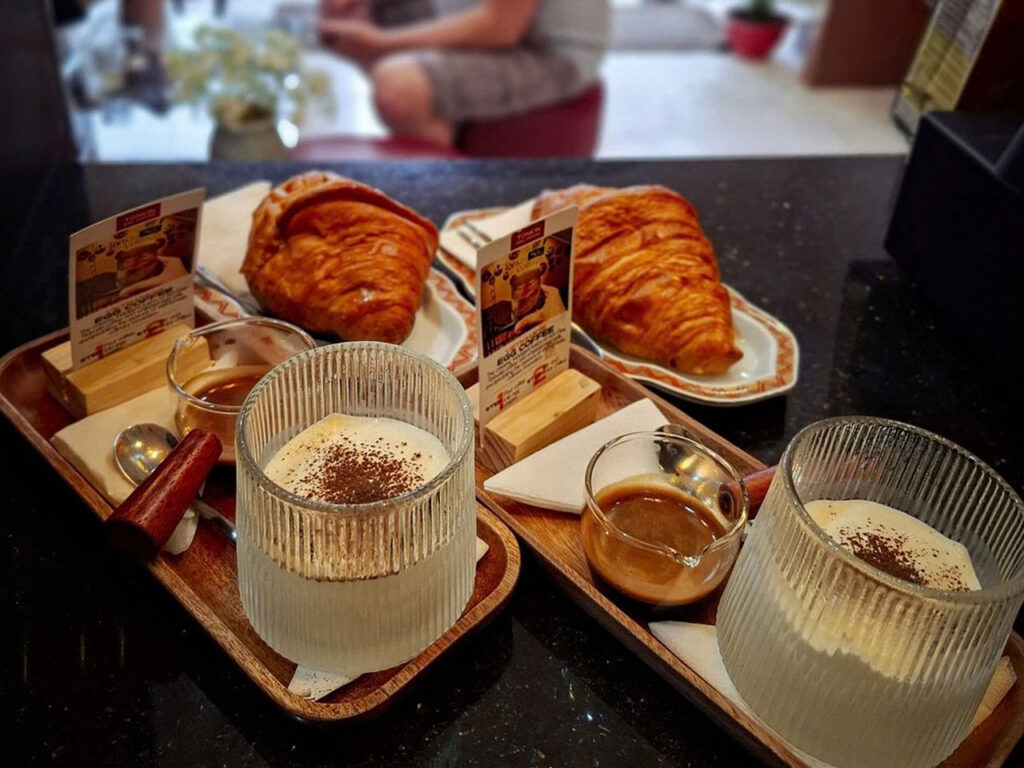
Egg Coffee was created in 1946 in Hanoi during a milk shortage, when whipped egg yolks and condensed milk were layered over strong Vietnamese coffee to recreate the richness of cappuccino. Since then, it has become one of Vietnam’s most iconic drinks. In this guide, you’ll explore Egg Coffee history, recipe, and the best places to try it including at Tonkin Coffee in District 1, Ho Chi Minh City, where the drink is crafted with balance and authenticity.
What is the history of Vietnamese egg coffee?
Vietnamese egg coffee history begins in 1946 in Hanoi, when a bartender named Nguyen Van Giang created the drink during a severe milk shortage. By whisking egg yolks with sugar and condensed milk, he produced a creamy substitute for fresh milk, giving birth to a drink that would become a national icon.
Vietnam in 1946: scarcity and adaptation
The mid-1940s were a turbulent period in Vietnam. The country was navigating political transition and economic difficulty. Imported dairy products were limited, and fresh milk was difficult to access, especially in the north.
Coffee, however, had already been introduced during French colonial times. By the 20th century, Vietnam had developed a strong coffee-drinking culture, particularly using robusta beans known for their bold flavor and high caffeine content.
At the time, Nguyen Van Giang worked at the elegant Sofitel Legend Metropole Hanoi, serving European guests who were accustomed to cappuccino and café au lait. Without milk, recreating those creamy textures seemed impossible.
Instead of abandoning the idea, Giang experimented.
The creative breakthrough
Egg yolks were accessible and rich in fat. When whisked vigorously with sugar and sweetened condensed milk, they created a thick, airy foam. This mixture mimicked the smooth mouthfeel of steamed milk.
When layered over strong Vietnamese coffee, the result achieved balance:
- The egg foam provided sweetness and silkiness
- The coffee contributed depth and bitterness
- The temperature contrast enhanced aroma
It was not simply a substitute, it became something entirely new.
From invention to legacy
After gaining popularity, Giang opened Giang Cafe, where egg coffee became the signature drink. The café still operates today, preserving the original style and technique.
Over the decades, egg coffee became deeply tied to Hanoi’s café culture. It evolved from necessity into heritage. Today, it symbolizes:
- Resourcefulness during hardship
- Vietnamese reinterpretation of European influence
- A unique local identity in global coffee culture
The history of egg coffee is not ancient, but it is powerful. It reflects how innovation often emerges from limitation.
What is the traditional egg coffee recipe?
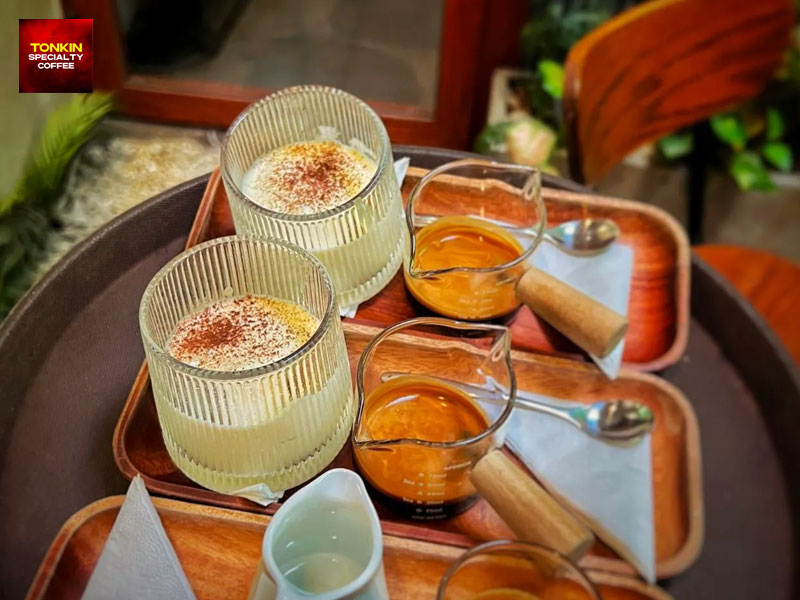
The traditional egg coffee recipe combines strong Vietnamese coffee with a whipped mixture of egg yolks and condensed milk, creating a layered drink where airy cream floats above dark, concentrated coffee.
Although the ingredient list is simple, technique determines everything.
Understanding the ingredient balance
Each component serves a structural purpose:
Egg yolks
They provide fat and emulsifying properties. This creates the thick, creamy body that defines egg coffee.
Sweetened condensed milk
Introduced during French colonial influence, condensed milk became a staple in Vietnamese coffee culture. It adds sweetness while stabilizing the egg foam.
Sugar (optional)
Enhances sweetness depending on preference.
Vanilla extract (optional)
Used subtly to soften any egg aroma.
Strong Vietnamese coffee
Traditionally brewed dark and concentrated, it balances the sweetness and prevents the drink from becoming overly dessert-like.
The drink depends on equilibrium. Too much egg mixture makes it heavy. Too much coffee makes it harsh. Precision matters.
Step-by-step preparation in detail
1. Brew concentrated coffee
Prepare approximately 60–80 ml of strong Vietnamese coffee. The flavor should be bold and slightly bitter. This foundation is critical because it supports the sweetness of the cream.
2. Whip the egg mixture properly
Combine 1–2 fresh egg yolks with 2–3 tablespoons of condensed milk. Whip for 3–5 minutes using an electric mixer or vigorous hand whisking.
The transformation is visual and tactile:
- The color shifts from deep yellow to pale cream
- The texture becomes thick and glossy
- Air incorporates, forming microbubbles
The mixture should resemble custard or mousse, not liquid foam.
3. Layer the drink carefully
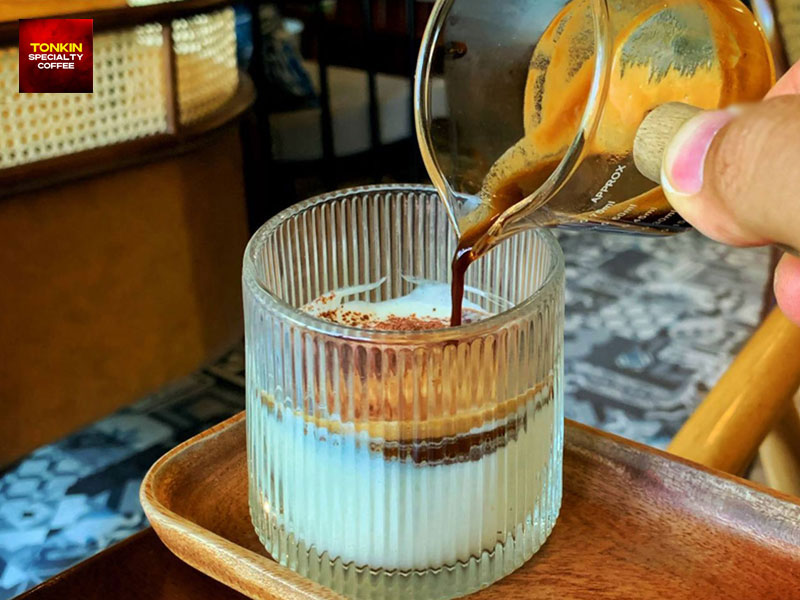
Pour the hot coffee into a small cup. Slowly spoon the whipped egg mixture on top, allowing it to float naturally.
The separation creates two distinct layers: dense coffee below, airy sweetness above.
4. Serve warm and stable
Traditionally, egg coffee is placed inside a bowl of hot water. This keeps the temperature consistent and prevents the foam from collapsing too quickly.
Temperature control is part of the experience.
The science behind the creaminess
Egg yolks contain lecithin, a natural emulsifier. When whipped with sugar, they trap air while maintaining structure. The sugar helps stabilize the foam, preventing separation.
This is why properly made egg coffee tastes smooth rather than eggy. The whipping process neutralizes raw flavors and transforms the texture into something closer to dessert cream.
What does egg coffee taste like?
Many first-time drinkers approach egg coffee with hesitation, quietly wondering what egg coffee taste like before taking that first sip. The answer is often surprising.
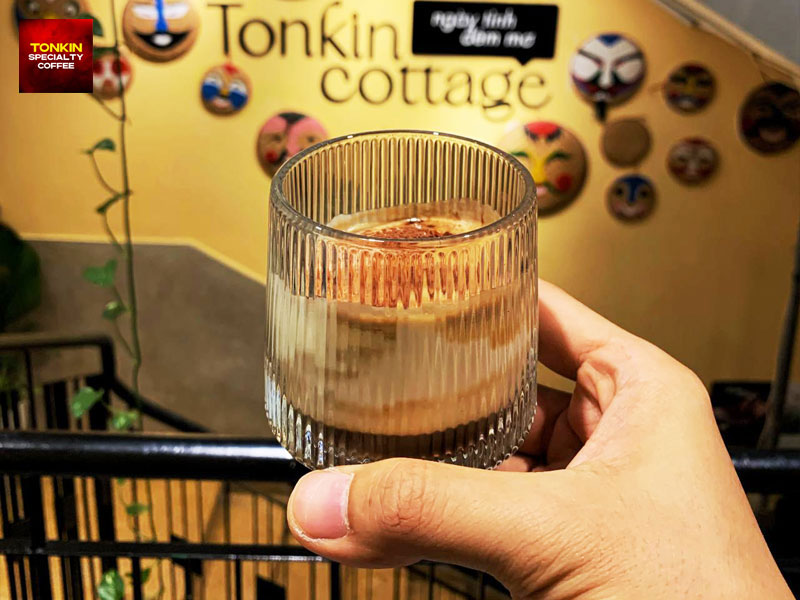
The flavor feels familiar rather than unusual. It often reminds people of:
- Tiramisu cream
- Sweet custard
- Caramel mousse
- Dark chocolate with cream
The first sensation is a soft sweetness from the velvety foam. Then the bold Vietnamese coffee rises underneath, grounding the drink with depth and slight bitterness. When gently stirred, the layers blend into a smooth, balanced harmony, rich yet refined.
It feels indulgent, but never overwhelmingly heavy.
Modern interpretations of the recipe
As egg coffee spread beyond Hanoi, cafés introduced creative variations:
- Iced egg coffee with chilled black coffee
- Cocoa egg coffee for chocolate depth
- Matcha egg coffee blending Vietnamese and Japanese flavors
- Light rum-infused versions for evening enjoyment, for those curious whether egg coffee have rum in certain modern adaptations
Despite innovation, the core structure remains unchanged: airy egg cream layered over strong coffee.
Where can you try the best egg coffee today?
You can experience authentic egg coffee in Hanoi, its birthplace, or in Ho Chi Minh City, where cafés refine the recipe with specialty techniques and modern presentation.
Each city offers a different atmosphere and interpretation.
Hanoi: the traditional experience
In Hanoi, egg coffee feels intimate and historical. Small cafés tucked into narrow streets serve it in modest cups placed inside warm water bowls.
The setting often includes:
- Low wooden stools
- Vintage decor
- Quiet conversation
Here, egg coffee feels closely connected to its origin story. It is less about aesthetics and more about preservation.
Ho Chi Minh City: refinement and evolution
In Ho Chi Minh City, the drink has evolved. Baristas emphasize precision, bean selection, and presentation. The sweetness is carefully calibrated. The foam texture is refined for consistency.
In District 1, Tonkin Coffee has become one of the destinations where egg coffee is crafted with respect for heritage while embracing modern quality standards.
Where to try egg coffee in Ho Chi Minh City’s district 1
For travelers and coffee enthusiasts exploring central Ho Chi Minh City, finding a well-made egg coffee is not simply about location, it is about technique, ingredient care, and respect for structure.
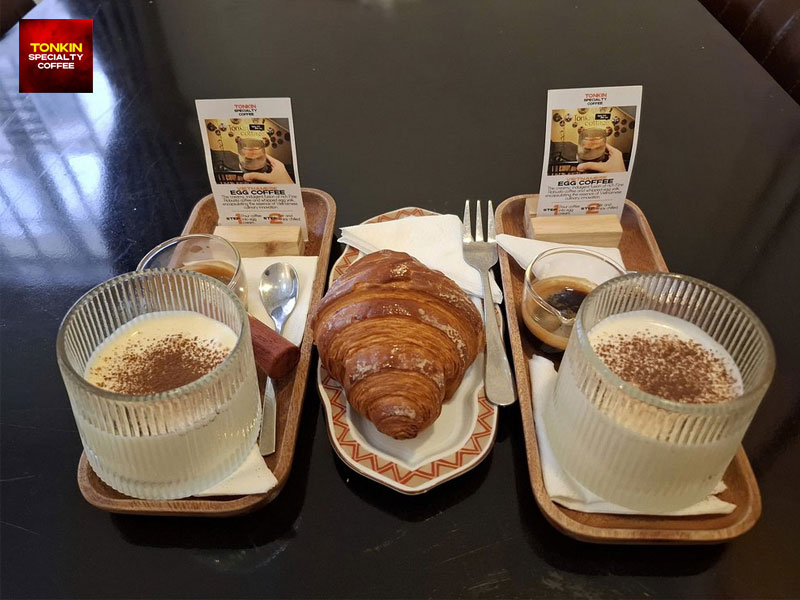
In District 1, Tonkin Coffee stands out with three thoughtfully developed spaces, each grounded in a deep commitment to Vietnamese coffee culture. At Tonkin, egg coffee is not treated as a sweet novelty. It is treated as a composition, where egg foam texture, coffee strength, and temperature must align precisely.
One detail often overlooked is the egg cream itself. Properly whipped egg must be light, airy, naturally sweet, and completely free of any lingering raw aroma. Tonkin emphasizes careful handling and precise whipping techniques to ensure the foam is smooth, stable, and clean in flavor. While many cafés may follow similar traditional formulas, the difference often lies in the coffee beneath.
Tonkin centers its approach on carefully selected Fine Robusta beans,chosen for their structured body, chocolate depth, and ability to support the richness of egg cream without being overpowered. Even just 15ml of concentrated coffee, equivalent to a single espresso shot, becomes the foundation that carries decades of Vietnamese coffee evolution within it. That small base determines whether the cup feels balanced or heavy, refined or flat.
Add: 91 Ly Tu Trong St, Ben Thanh Ward, District 1, Ho Chi Minh City, Vietnam
Hotline: 086 799 0125
This flagship location merges specialty coffee standards with traditional Vietnamese brewing philosophy. The egg coffee here highlights structural balance: bold Fine Robusta depth supporting a smooth, refined cream layer. The presentation feels modern and clean, but the flavor remains firmly rooted in heritage. Every cup reflects deliberate calibration between strength and softness.
Add: 135/50 Tran Hung Dao St, Ben Thanh Ward, District 1, Ho Chi Minh City, Vietnam
Hotline: 087 992 4691
Set in a quieter, garden-inspired space tucked away from the city’s rush, this branch invites guests to slow down. Egg coffee here is prepared with particular attention to temperature and foam consistency. The structured body of Fine Robusta allows the layered flavors to unfold gradually, creating a harmonious, steady finish rather than an abrupt sweetness.
Add: 1 Le Thi Rieng, Ben Thanh Ward, District 1, Ho Chi Minh City, Vietnam
Hotline: 0815 841 909
Dedicated specifically to egg coffee and its variations, this location focuses on refining the drink’s defining elements: foam density, sweetness balance, and visual layering. The Fine Robusta base provides clarity and backbone, ensuring that each variation still respects the drink’s original character. The goal is not reinvention, it is precision.
Across all three branches, Tonkin Coffee maintains a strong cultural commitment:
- Respecting traditional preparation techniques
- Using carefully selected Fine Robusta beans
- Treating the 15ml coffee base as the structural core
- Preserving the historical spirit behind the drink
- Ensuring consistency, cup after cup
Rather than positioning egg coffee as a tourist curiosity, Tonkin Coffee approaches it as part of Vietnam’s living coffee heritage, shaped by history, supported by Fine Robusta, and refined through careful craftsmanship.
Egg coffee is more than a beverage. It is a reflection of adaptation, history, and craftsmanship. From a bartender’s experiment in 1946 to modern cafés in District 1, it represents how Vietnamese culture transforms limitation into creativity.
If you truly want to understand Vietnamese coffee, start with egg coffee. Take a slow sip. Let the foam settle. Notice the balance between sweetness and strength.
Sometimes, a country’s history is not only written in books, it is served warm, in a small cup, waiting to be tasted.
Visit Tonkin Coffee Today!
Tonkin Specialty Coffee
- Add: 91 Ly Tu Trong St, Ben Thanh Ward, District 1, Ho Chi Minh City, Vietnam.
- Hotline: 086 799 0125
Tonkin Garden Cafe
- Add: 135/50 Tran Hung Dao St, Ben Thanh Ward, District 1, Ho Chi Minh City, Vietnam.
- Hotline: 087 992 4691
Tonkin Egg Coffee
- Add: 1 Le Thi Rieng, Ben Thanh Ward, District 1, Ho Chi Minh City, Vietnam.
- Hotline: 0815 841 909
Nestled in the heart of Ho Chi Minh City, Tonkin Specialty Coffee is one of the best coffee shops to experience authentic Vietnamese flavors. From the iconic egg coffee and refreshing coconut coffee to bold Vietnamese coffee and the unique salt coffee, every sip is a journey into tradition. For non-coffee lovers, our Vietnamese matcha offers a gentle alternative. Pair your drink with a freshly baked banh mi or a buttery croissant, and savor the true taste of Vietnam in a setting inspired by folk culture and Indochine charm.