

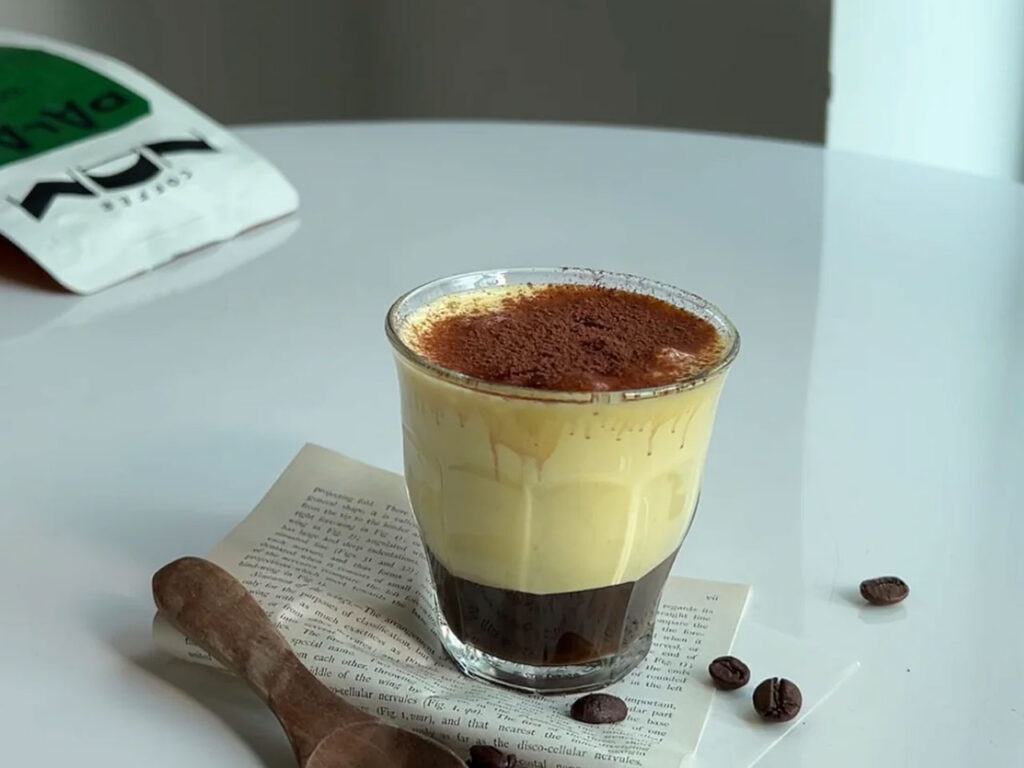
The common mistakes when making egg coffee at home usually include using weak coffee, under-whipping the egg cream, or choosing low-quality eggs, which can create a fishy taste or thin foam. At Tonkin Coffee, careful preparation helps maintain the smooth texture and balanced flavor of authentic Vietnamese egg coffee.
What Are the Most Common Mistakes When Making Egg Coffee?
Most problems occur when key steps in preparation are overlooked. Egg coffee depends on balance between strong coffee and stable egg foam. When ingredients, technique, or temperature are incorrect, the drink can lose its characteristic texture and flavor.
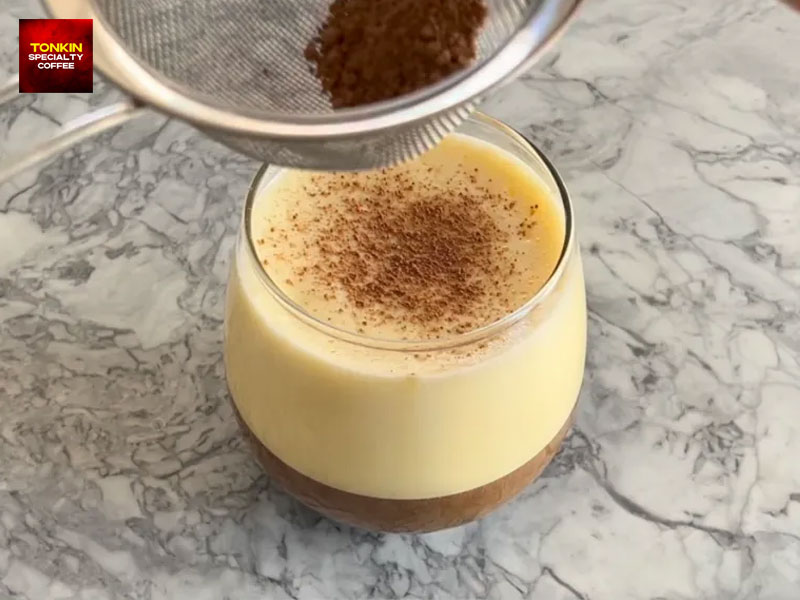
Common issues include:
- Using eggs that are not fresh
- Whipping the egg mixture incorrectly
- Brewing coffee that is too weak
- Using incorrect temperature during preparation
- Choosing the wrong ingredient proportions
These mistakes may lead to foam that collapses quickly, an unpleasant egg aroma, or a drink that tastes overly sweet without enough coffee depth.
Because the drink relies on only a few components, even small details matter. Many people exploring the ingredients for egg coffee are surprised to learn that freshness and balance are more important than complexity.
Why Do Eggs Sometimes Taste Fishy in Egg Coffee?
A fishy or unpleasant smell usually comes from eggs that are not fresh or from improper whipping technique. Fresh egg yolks create a smoother foam with a mild aroma that blends naturally with hot coffee.
When eggs begin to age, their natural proteins change slightly, which can create a stronger smell during whipping. This becomes more noticeable once the cream is heated by the coffee underneath.
Egg Freshness Matters
Fresh eggs help produce:
- A lighter and smoother foam
- A cleaner aroma
- A more stable texture
Even a small amount of egg white mixed into the yolk can affect stability. In most traditional preparations, only the yolk is used because it produces a richer, more consistent cream.
Proper Whipping Technique
Whipping also influences the final flavor. If the mixture is not beaten long enough, the ingredients do not fully emulsify. The foam becomes thin, and the egg aroma may remain noticeable.
A well-whipped mixture gradually turns pale yellow and increases in volume. The texture should resemble a soft mousse rather than liquid cream. When done correctly, the sweetness and warmth of the coffee soften the egg flavor, creating a smooth and balanced cup.
These small details are part of what defines a traditional egg coffee recipe, where freshness and technique work together to create the drink’s signature texture.
What Mistakes Affect Egg Foam Texture?
The foam layer is the defining feature of egg coffee. When prepared correctly, it floats gently on top of the coffee and slowly blends as the drink is stirred. If the texture is wrong, the entire experience changes.
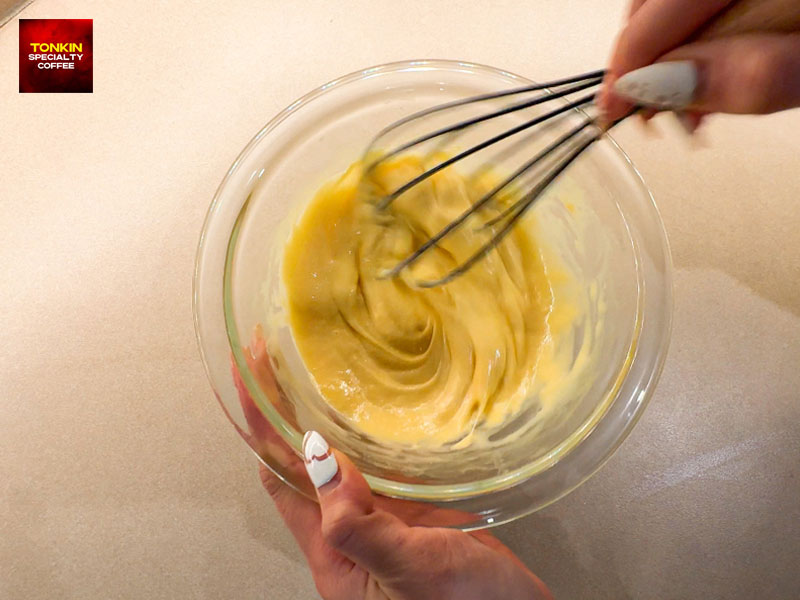
Two common errors occur during whipping.
Under-Whipping
If the egg mixture is not whipped long enough, the foam becomes runny and unstable.
Signs of under-whipped cream include:
- Foam that quickly sinks into the coffee
- Thin or watery texture
- Lack of volume
Without enough air incorporated into the mixture, the foam cannot support itself on the surface of the coffee.
Over-Whipping
Whipping too long can also cause problems. When the mixture becomes overly dense, it may develop a slightly grainy texture.
Possible results include:
- Cream that feels heavy instead of airy
- A thicker layer that does not blend smoothly
- Slight separation after serving
Ideal Whipping Consistency
The goal is a smooth and stable foam that holds its shape briefly before slowly settling. Many people use a hand mixer or whisk for several minutes until the mixture becomes light and glossy.
A simple test is to lift the cream with a spoon. If it forms soft peaks and floats on hot coffee, the texture is usually correct.
For those learning to make egg coffee at home, mastering this stage often determines whether the drink feels luxurious or unbalanced.
How Do Coffee Strength and Temperature Affect Egg Coffee?
While the foam attracts attention, the coffee itself provides the foundation of the drink. Without a strong coffee base, the sweetness of the cream quickly overwhelms the flavor.
Importance of Strong Coffee
Traditional egg coffee relies on bold coffee with enough intensity to contrast with the creamy topping. Vietnamese Robusta beans are often used because they provide:
- Strong body
- Slight bitterness
- Deep roasted aroma
When coffee is brewed too lightly, the drink may taste overly sweet and lack depth.
Many traditional cafés prepare the coffee using a phin filter, which allows hot water to drip slowly through finely ground coffee. This slow extraction produces a concentrated cup that supports the richness of the foam above it.
Temperature Balance
Temperature also plays an important role in the final texture.
Hot coffee gently warms the egg cream from below. This subtle heat softens the foam and allows the layers to blend gradually while drinking. If the coffee is too cold, the foam may separate instead of floating smoothly.
However, excessive heat can also cause problems. Water that is extremely hot during preparation may cook the egg mixture too quickly, changing its texture.
To maintain balance, egg coffee is traditionally served in a small glass placed inside a bowl of hot water. This method keeps the drink warm while preserving the delicate structure of the foam.
Where Egg Coffee Craft Meets Coffee Story in Ho Chi Minh City
Preparing egg coffee at home can be enjoyable, but achieving the right balance of texture and flavor often requires practice. A well-made cup depends not only on technique but also on the quality of the ingredients and the coffee itself.
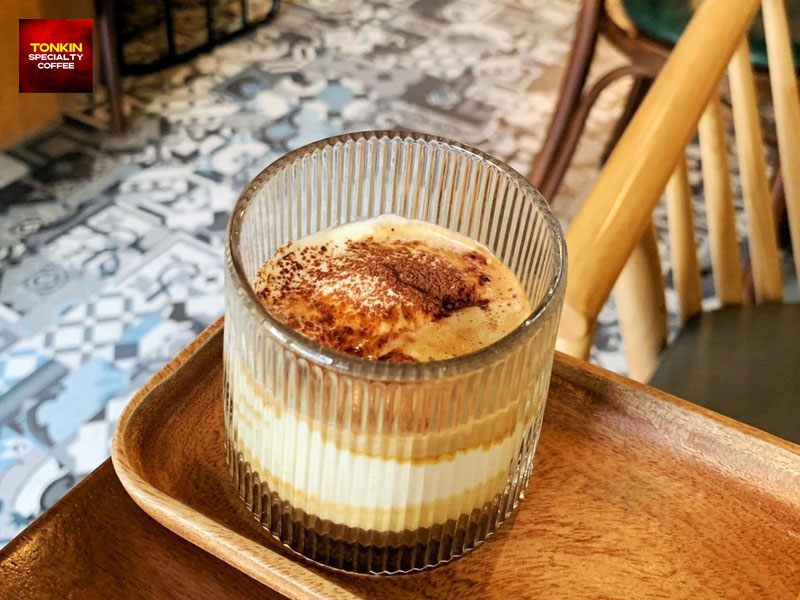
At Tonkin Coffee, egg coffee is treated as a careful craft. Many people assume the quality of the drink depends mostly on the egg cream, and that belief is partly true. The egg mixture must be whipped long enough to become light and airy, sweetened just enough, and carefully handled so the natural aroma of the egg remains clean without any fishy taste. Because fresh eggs can vary in texture and flavor, each batch requires attention and adjustment rather than a mechanical process.
The café refines this step through a series of controlled techniques to ensure the cream remains soft, stable, and balanced. When prepared properly, the foam sits gently on top of the coffee and slowly blends into it, creating a smooth transition between sweetness and boldness.
However, the character of the drink does not come from the egg cream alone. Tonkin Coffee also places strong emphasis on the coffee base. Beneath the layer of cream lies a concentrated shot of carefully selected Vietnamese coffee. In just a small amount of coffee, there are deeper stories, changes in cultivation methods, harvest practices, and the lives of farmers who have worked with coffee for decades.
This attention to both elements: the egg cream and the coffee allows the drink to remain balanced rather than overly sweet or heavy. Experiencing egg coffee in a café environment like Tonkin reveals how thoughtful ingredient selection and precise preparation can transform a simple recipe into a refined and memorable cup.
Egg coffee may appear simple, but its preparation requires attention to detail. Fresh eggs, strong coffee, correct whipping technique, and proper temperature all influence the final result. When these elements work together, the drink achieves the balance that has made it one of Vietnam’s most recognizable coffee traditions.
Visit Tonkin Coffee Today!
Tonkin Specialty Coffee
- Add: 91 Ly Tu Trong St, Ben Thanh Ward, District 1, Ho Chi Minh City, Vietnam.
- Hotline: 086 799 0125
Tonkin Garden Cafe
- Add: 135/50 Tran Hung Dao St, Ben Thanh Ward, District 1, Ho Chi Minh City, Vietnam.
- Hotline: 087 992 4691
Tonkin Egg Coffee
- Add: 1 Le Thi Rieng, Ben Thanh Ward, District 1, Ho Chi Minh City, Vietnam.
- Hotline: 0815 841 909

Nestled in the heart of Ho Chi Minh City, Tonkin Specialty Coffee is one of the best coffee shops to experience authentic Vietnamese flavors. From the iconic egg coffee and refreshing coconut coffee to bold Vietnamese coffee and the unique salt coffee, every sip is a journey into tradition. For non-coffee lovers, our Vietnamese matcha offers a gentle alternative. Pair your drink with a freshly baked banh mi or a buttery croissant, and savor the true taste of Vietnam in a setting inspired by folk culture and Indochine charm.