
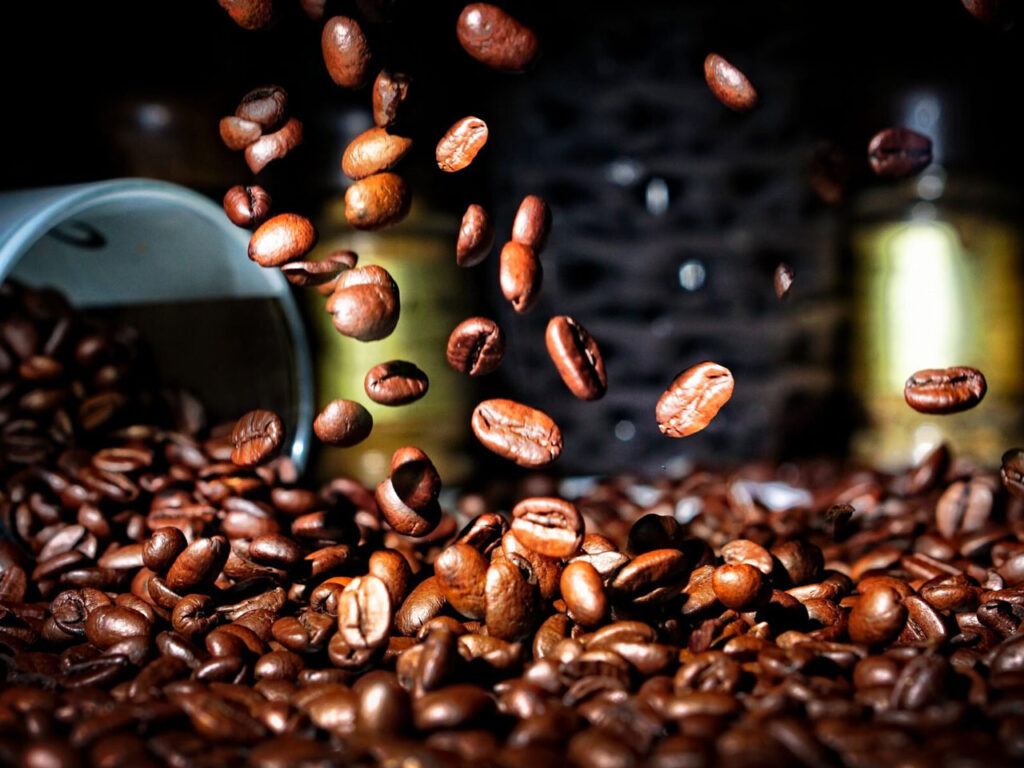
Many people ask why is Vietnamese coffee so strong, even when served in a small cup. The answer lies in Vietnam’s unique coffee heritage, from bean selection to brewing traditions that favor depth and concentration. At Tonkin Coffee, this story is explored through a modern approach to Fine Robusta, offering a clear lens into what makes Vietnamese coffee distinctive and memorable.
Why does Vietnamese coffee taste stronger than most coffees?
Vietnamese coffee tastes strong because it is built around Robusta beans, brewed in a highly concentrated way, and designed to deliver depth and intensity rather than subtlety.
Strength here does not mean harshness. It means body, persistence, and a flavor that stays with you long after the last sip.
A coffee culture shaped by bold preferences
Vietnam’s coffee culture developed under very different conditions than many Western coffee traditions. Rather than prioritizing light acidity or floral aromas, Vietnamese drinkers historically valued coffee that could cut through heat, long working days, and simple meals. A stronger cup simply made sense.
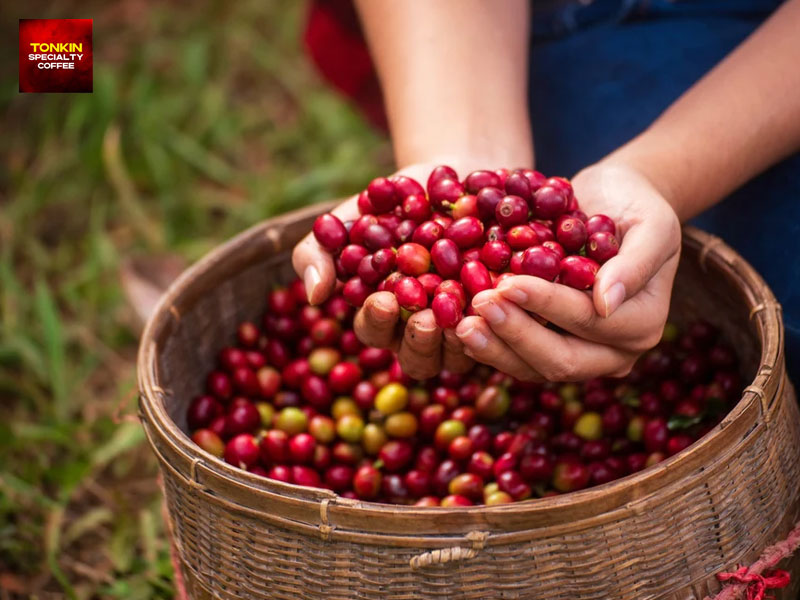
Over time, this preference shaped everything: the beans that were planted, the way they were roasted, and how coffee was brewed at home and on the street. Strength became the baseline, not an extreme.
Strength is about concentration, not just caffeine
Many people assume Vietnamese coffee feels strong only because of caffeine. While caffeine plays a role, the sensation of strength is more complex. It comes from a combination of heavy mouthfeel, darker roast profiles, and brewing methods that extract more solids into a smaller volume of liquid.
This is why even a small cup can feel powerful without being overwhelming.
What role do Robusta beans play in the strength of Vietnamese coffee?
Robusta beans naturally contain more caffeine, more soluble compounds, and a heavier body, making them ideal for bold, concentrated coffee styles. Vietnam is the world’s largest producer of Robusta, and this is the single most important factor behind the country’s coffee identity, a role that has become increasingly visible on international stages such as the Vietnam coffee festival, where Robusta is no longer hidden behind Arabica but presented with pride.
Robusta vs. Arabica: a different kind of intensity
Robusta beans are often misunderstood. Compared to Arabica, they are less acidic, more bitter, and significantly higher in caffeine. This combination creates a thicker, weightier cup that feels strong even without added complexity.

Where Arabica often shines through brightness and aroma, Robusta delivers impact. Its flavors tend toward cocoa, toasted grain, nut, and earth, forming a solid foundation rather than delicate layers.
From commodity Robusta to Fine Robusta
Not all Robusta is created equal. Traditionally, Robusta suffered from inconsistent farming and rough processing, which amplified bitterness without balance. However, modern producers have begun to treat Robusta with the same care once reserved only for Arabica.
This shift has given rise to what is now called Fine Robusta: carefully cultivated, selectively harvested, and precisely roasted to highlight structure and clarity rather than rough edges.
Tonkin Coffee works exclusively with Fine Robusta, focusing on clean fermentation, controlled roasting, and transparency in sourcing. The result is coffee that is undeniably strong, yet smooth, expressive, and drinkable without relying on sugar or heavy additives.
Why Fine Robusta feels strong but refined
Fine Robusta preserves the natural strength of the bean while removing unwanted harshness. Instead of sharp bitterness, you get depth. Instead of burnt notes, you find chocolate, malt, and roasted nuts. This is strength with intention, not aggression.
It is the difference between loud noise and a deep, resonant voice.
How do roasting and brewing methods amplify the strength?
Darker roasts and slow, low-pressure brewing extract more flavor into less water, creating a dense and powerful cup.
Vietnamese coffee methods are designed to concentrate, not dilute.
Dark roasting as a functional choice
Vietnamese coffee is commonly roasted darker than specialty coffees in many other regions. This is not a mistake or a lack of sophistication. Dark roasting reduces acidity, enhances body, and emphasizes flavors that hold up well under concentration.
A darker roast also pairs naturally with milk-based preparations and iced formats without losing its identity. The coffee remains present, even when softened.
The phin filter and slow extraction
The traditional metal phin filter is central to Vietnamese coffee brewing. Unlike espresso machines that use pressure, the phin relies on gravity and time. Hot water passes slowly through a compact bed of coffee, extracting a high concentration of soluble compounds.
This slow drip produces a brew that is thick, aromatic, and intense, closer in spirit to espresso than to filter coffee, yet entirely its own.
Why small cups feel so powerful
Vietnamese coffee is often served in smaller volumes, whether hot or over ice. Because the coffee-to-water ratio is high, each sip carries more flavor, more texture, and more impact.
This is also why Vietnamese coffee stands up so well in traditional preparations like coffee with condensed milk, where sweetness and creaminess balance the coffee’s natural strength rather than masking it.
What is it like to enjoy coffee at Tonkin Coffee?
Enjoying coffee at Tonkin Coffee is about discovering Vietnamese coffee through carefully crafted drinks, a calm aesthetic, and a thoughtful approach to Fine Robusta.
Rather than overwhelming the senses, Tonkin invites people to slow down and experience Vietnamese coffee in a refined, contemporary setting.
A drink menu built around Fine Robusta
At Tonkin Coffee, the menu is centered on Fine Robusta, expressed through a range of drinks designed to highlight balance, texture, and aroma. Each beverage is crafted to let the character of the coffee unfold naturally, whether served hot or cold.
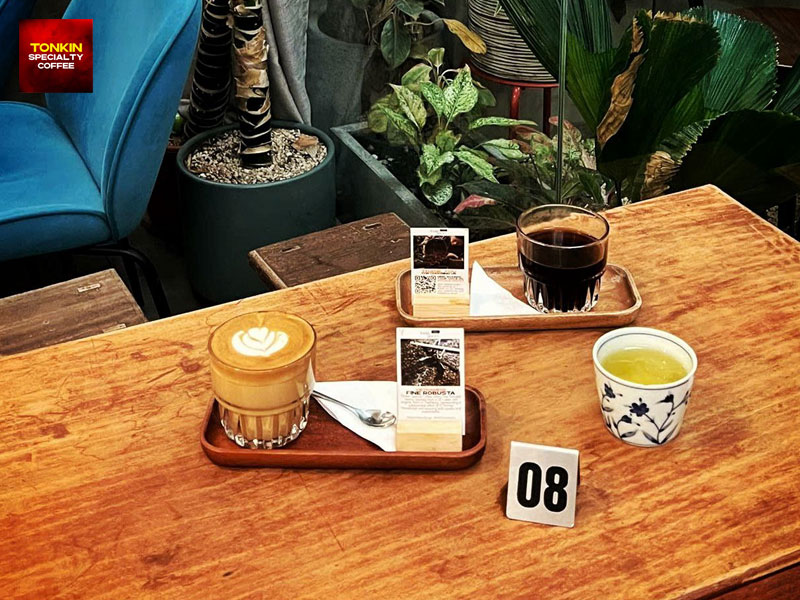
Classic preparations sit alongside more modern interpretations, allowing both first-time visitors and seasoned coffee drinkers to find something familiar yet distinctive. The focus is always on clarity of flavor and a clean finish.
A minimalist style with Vietnamese roots
Tonkin’s space and presentation reflect a quiet, minimalist style inspired by Vietnamese sensibilities. The design avoids excess, creating an atmosphere where the coffee itself becomes the focal point.
Natural materials, soft tones, and thoughtful details encourage unhurried moments. It is a place where coffee is not rushed, but appreciated as part of a daily ritual.
Coffee as an experience, not just a drink
Visiting Tonkin is less about quick consumption and more about connection. The experience encourages conversation, reflection, and curiosity about Vietnamese coffee culture.
By presenting Fine Robusta in a modern yet grounded way, Tonkin offers a perspective that feels both local and globally relevant. It allows people to engage with Vietnamese coffee on their own terms, without explanation or expectation.
Visit Tonkin Coffee Today!
Tonkin Specialty Coffee
- Add: 91 Ly Tu Trong St, Ben Thanh Ward, District 1, Ho Chi Minh City, Vietnam.
- Hotline: 086 799 0125
Tonkin Garden Cafe
- Add: 135/50 Tran Hung Dao St, Ben Thanh Ward, District 1, Ho Chi Minh City, Vietnam.
- Hotline: 087 992 4691
Tonkin Egg Coffee
- Add: 1 Le Thi Rieng, Ben Thanh Ward, District 1, Ho Chi Minh City, Vietnam.
- Hotline: 0815 841 909
Nestled in the heart of Ho Chi Minh City, Tonkin Specialty Coffee is one of the best coffee shops to experience authentic Vietnamese flavors. From the iconic egg coffee and refreshing coconut coffee to bold Vietnamese coffee and the unique salt coffee, every sip is a journey into tradition. For non-coffee lovers, our Vietnamese matcha offers a gentle alternative. Pair your drink with a freshly baked banh mi or a buttery croissant, and savor the true taste of Vietnam in a setting inspired by folk culture and Indochine charm.