

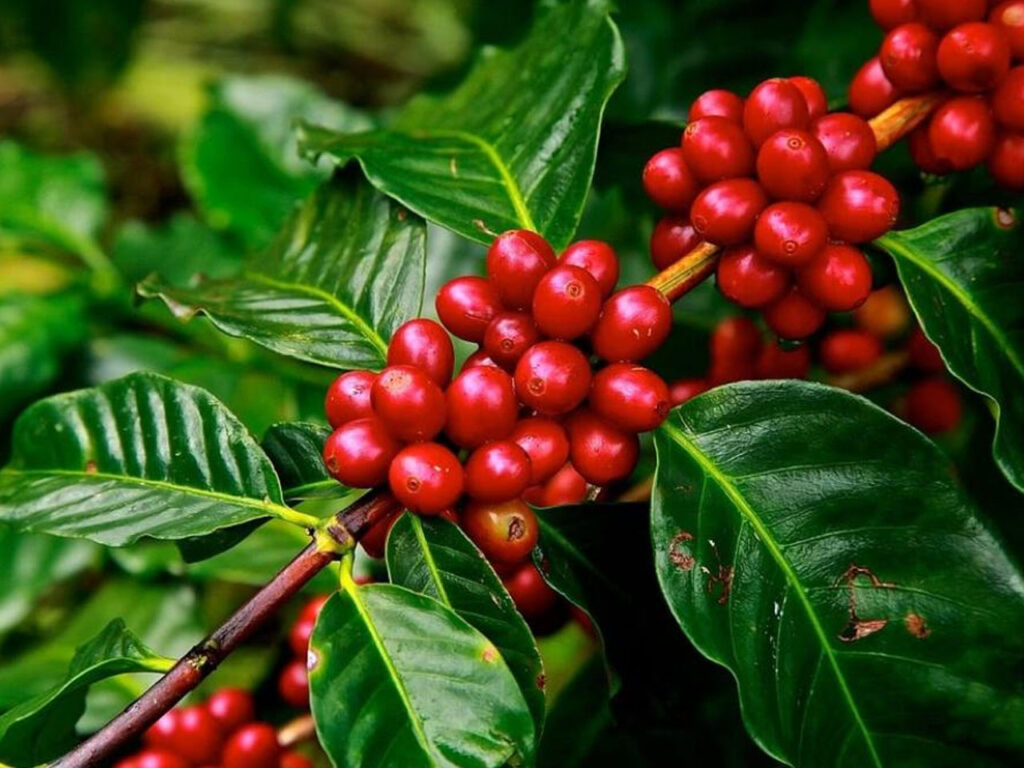
Vietnam is one of the world’s leading coffee-producing countries, known for its bold flavors and vibrant café culture. If you’re wondering where is coffee grown in Vietnam, the answer lies mostly in the Central Highlands, where fertile volcanic soil and ideal climate create perfect conditions for coffee farming.
Understanding these coffee-growing regions helps travelers and coffee lovers appreciate the journey from farm to cup. Today, visitors can experience the flavors and stories behind Vietnamese coffee in city cafés such as Tonkin Coffee, where traditional brewing methods and modern creativity come together.
Where Is Coffee Grown in Vietnam?
Most coffee in Vietnam is grown in the Central Highlands, a mountainous region with fertile soil and ideal growing conditions. This area produces around 95% of the country’s coffee thanks to its altitude, climate, and agricultural tradition.
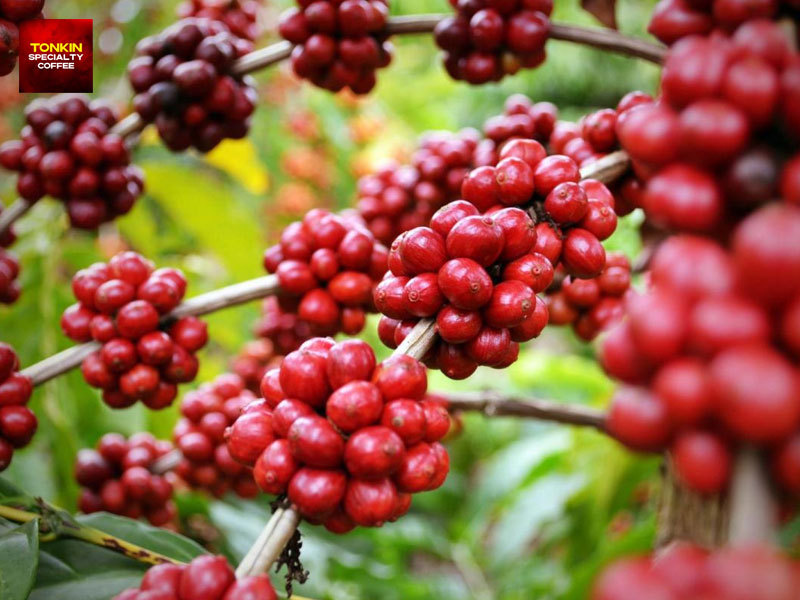
The Central Highlands is the heart of Vietnam’s coffee industry. Several provinces in this region contribute large volumes of coffee beans that are used domestically and exported worldwide.
Đắk Lắk – The Coffee Capital of Vietnam
Đắk Lắk is often called the coffee capital of Vietnam. The province is home to Buôn Ma Thuột, a city famous for its coffee farms and annual coffee festival.
Large plantations surround the area, producing mainly Robusta beans. Farmers here have decades of experience cultivating coffee, and the region’s fertile basalt soil helps produce beans with strong, bold flavors.
Because of its scale and reputation, many people consider beans from this region when discussing the best coffee bean in Vietnam, especially for traditional Vietnamese brewing methods.
Gia Lai – A Major Robusta-Growing Hub
Gia Lai Province is another key contributor to Vietnam’s coffee production. Coffee farms stretch across the highland plateau, where warm temperatures and seasonal rainfall support healthy coffee plants.
The province mainly grows Robusta beans, which are widely used in Vietnamese iced coffee and other traditional drinks. Similar to Đắk Lắk, coffee from Gia Lai is supplied both to the domestic market and international buyers, making it an important source for Vietnam’s coffee exports.
Coffee from Gia Lai is often blended with beans from neighboring provinces to create balanced flavor profiles used by roasters and cafés.
Lâm Đồng – Highland Coffee From Đà Lạt
Lâm Đồng Province offers a different coffee-growing environment. Located at a higher elevation, the region around Đà Lạt has a cooler climate that is well suited for Arabica coffee.
Arabica beans from this area often have more aroma and a smoother taste compared with Robusta. The gentle climate allows the coffee cherries to mature slowly, creating more complex flavors.
For travelers visiting Đà Lạt, the surrounding hills filled with coffee plants create a beautiful landscape and an opportunity to see coffee farming up close.
Đắk Nông and Kon Tum – Expanding Coffee Regions
While less famous than Đắk Lắk, Gia Lai or Lâm Đồng, Đắk Nông and Kon Tum play an increasingly important role in Vietnam’s coffee industry.
Farmers in these provinces continue to expand plantations while adopting improved farming techniques. The mountainous terrain, fertile soil, and suitable rainfall provide good conditions for coffee trees.
These regions help ensure that the Central Highlands remain the powerhouse of Vietnam’s coffee production.
Why Is the Central Highlands Ideal for Coffee Farming?
The Central Highlands offers a unique combination of natural factors that make it perfect for growing coffee. Fertile soil, tropical weather patterns, and suitable elevations all contribute to the success of coffee cultivation in this region.
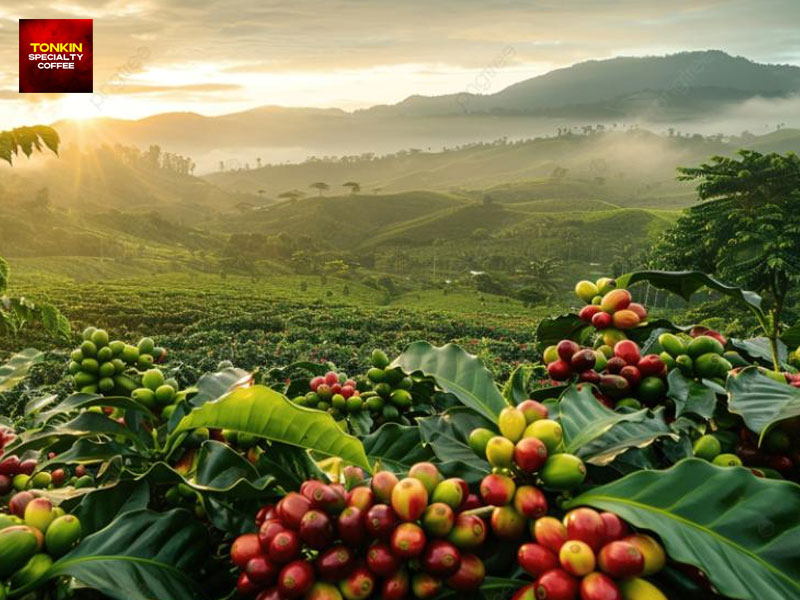
These conditions allow coffee plants to grow strong and produce beans with rich flavor characteristics.
Volcanic Soil Rich in Nutrients
The highlands are known for their basalt soil, formed from ancient volcanic activity. This type of soil is rich in minerals and provides the nutrients coffee trees need to thrive.
Healthy soil allows the roots of coffee plants to grow deep and absorb nutrients effectively, contributing to stronger plants and better bean quality.
A Tropical Climate With Distinct Seasons
The Central Highlands experiences two main seasons: a rainy season and a dry season. The rainy months help coffee trees grow and develop cherries, while the dry season provides the perfect conditions for harvesting and processing the beans.
This natural cycle is one of the reasons Vietnam consistently produces large volumes of coffee each year.
Ideal Altitude for Different Coffee Varieties
Altitude also plays a crucial role in coffee cultivation.
Robusta beans typically grow well between 300 and 800 meters above sea level. Arabica beans prefer higher elevations, usually above 1000 meters where temperatures are cooler.
This variation in altitude allows Vietnam to grow multiple coffee varieties across different regions.
What Types of Coffee Are Grown in Vietnam?
Vietnam mainly produces two types of coffee: Robusta and Arabica. Each type grows best in different conditions and offers its own flavor profile, contributing to the diversity of Vietnamese coffee.
Understanding the differences between these beans helps explain why Vietnamese coffee has such a distinctive character and why many traditional drinks rely on Robusta beans for their rich and bold taste.
Robusta Coffee
Robusta is the dominant coffee species grown in Vietnam and accounts for the vast majority of the country’s production. These beans are known for their bold flavor, full body, and naturally higher caffeine content.
Because of this intensity, many travelers who try Vietnamese coffee for the first time often wonder how strong is Vietnamese coffee compared with what they drink at home. The answer often lies in Robusta beans, which deliver a deeper, richer taste that stands out even when mixed with milk or ice.
Beyond strength, high-quality Robusta also offers a pleasant bitterness, chocolatey notes, and a long-lasting aftertaste. When carefully roasted and brewed, Robusta can produce a very balanced and satisfying cup of coffee.
This is one reason why Robusta is widely used in traditional Vietnamese drinks such as iced coffee with condensed milk. The strong flavor holds up well against sweetness, creating the bold and memorable taste many people associate with Vietnamese coffee. Today, many cafés are also highlighting well-roasted Robusta to showcase the depth and character of this bean.
Arabica Coffee
Arabica coffee represents a smaller portion of Vietnam’s production but is becoming increasingly popular, especially in specialty coffee shops.
These beans are typically grown in higher-altitude regions such as the hills around Đà Lạt. Arabica coffee tends to have a smoother body, gentle acidity, and more aromatic flavor.
Many modern Vietnamese cafés feature Arabica beans for customers who enjoy lighter and more delicate coffee experiences, while Robusta continues to play a central role in the country’s traditional coffee culture.
How Did Coffee Farming Start in Vietnam?
Coffee did not originate in Vietnam. It was introduced during the 19th century when French colonists brought coffee plants to the region.
At first, coffee cultivation was limited to small plantations. Over time, farmers discovered that the Central Highlands provided ideal conditions for growing coffee. As a result, coffee farming expanded rapidly throughout the 20th century.
Government agricultural programs and growing international demand helped the industry develop further. Today Vietnam has hundreds of thousands of hectares dedicated to coffee farming, making it one of the world’s most important coffee producers.
This growth also influenced the global Vietnam coffee export ranking, helping the country become one of the leading coffee exporters and the largest producer of Robusta beans.
How Important Is Coffee to Vietnam’s Economy?
Coffee is one of Vietnam’s most valuable agricultural products and supports millions of people across the country. Farmers, exporters, roasters, and café owners all benefit from the industry.
The country exports coffee to markets around the world, including Europe, the United States, and Asia. Vietnamese beans are widely used in blends and instant coffee products because of their strong flavor and reliable supply.
Beyond economics, coffee has also become a cultural symbol. Vietnamese people often gather in cafés to talk, work, or relax while enjoying a cup of coffee brewed slowly through a traditional metal filter.
Tonkin Coffee: Coffee From the Highlands to Your Cup
Even though most coffee farms are located in the Central Highlands, travelers can still explore Vietnamese coffee culture in major cities. Local cafés provide an opportunity to taste different styles of Vietnamese coffee while learning about the journey from farm to cup.

In Ho Chi Minh City, visitors can discover this connection at Tonkin Coffee. The café places strong emphasis on the origin of its coffee, starting from its own 20-year-old coffee farm in the Central Highlands. Here, the beans are cultivated with care and respect for Vietnam’s long coffee-growing tradition, ensuring consistent quality from the source.
By sourcing coffee directly from the highlands where Vietnam’s coffee culture began, Tonkin Coffee allows guests to taste flavors that reflect the land and climate of the region. Each cup represents not just a drink, but the story of farmers, fertile soil, and decades of experience growing coffee in Vietnam’s most important coffee-producing areas.
For travelers, experiences like this help connect the landscapes of the Central Highlands with the coffee served in the city. After discovering the flavors they enjoy, many visitors naturally start wondering where to buy Vietnamese coffee so they can take a part of that experience home with them. Cafés that focus on quality sourcing and authentic beans make it easier to discover Vietnamese coffee that truly reflects its origins.
FAQ about Vietnamese coffee
Which region produces the most coffee in Vietnam?
The Central Highlands produces around 95% of Vietnam’s coffee, particularly in provinces such as Đắk Lắk, Lâm Đồng, and Gia Lai.
Does Vietnam grow both Robusta and Arabica coffee?
Yes. Robusta dominates production, while Arabica is grown mainly in higher-altitude areas like Đà Lạt.
Can tourists visit coffee farms in Vietnam?
Yes. Coffee farms in the Central Highlands, especially around Buôn Ma Thuột and Đà Lạt, welcome visitors who want to learn about the coffee-growing process.
Why is Vietnamese coffee famous?
Vietnamese coffee is known for its strong flavor, unique brewing method using the phin filter, and vibrant café culture that can be experienced throughout the country.
Visit Tonkin Coffee Today!
Tonkin Specialty Coffee
- Add: 91 Ly Tu Trong St, Ben Thanh Ward, District 1, Ho Chi Minh City, Vietnam.
- Hotline: 086 799 0125
Tonkin Garden Cafe
- Add: 135/50 Tran Hung Dao St, Ben Thanh Ward, District 1, Ho Chi Minh City, Vietnam.
- Hotline: 087 992 4691
Tonkin Egg Coffee
- Add: 1 Le Thi Rieng, Ben Thanh Ward, District 1, Ho Chi Minh City, Vietnam.
- Hotline: 0815 841 909

Nestled in the heart of Ho Chi Minh City, Tonkin Specialty Coffee is one of the best coffee shops to experience authentic Vietnamese flavors. From the iconic egg coffee and refreshing coconut coffee to bold Vietnamese coffee and the unique salt coffee, every sip is a journey into tradition. For non-coffee lovers, our Vietnamese matcha offers a gentle alternative. Pair your drink with a freshly baked banh mi or a buttery croissant, and savor the true taste of Vietnam in a setting inspired by folk culture and Indochine charm.