
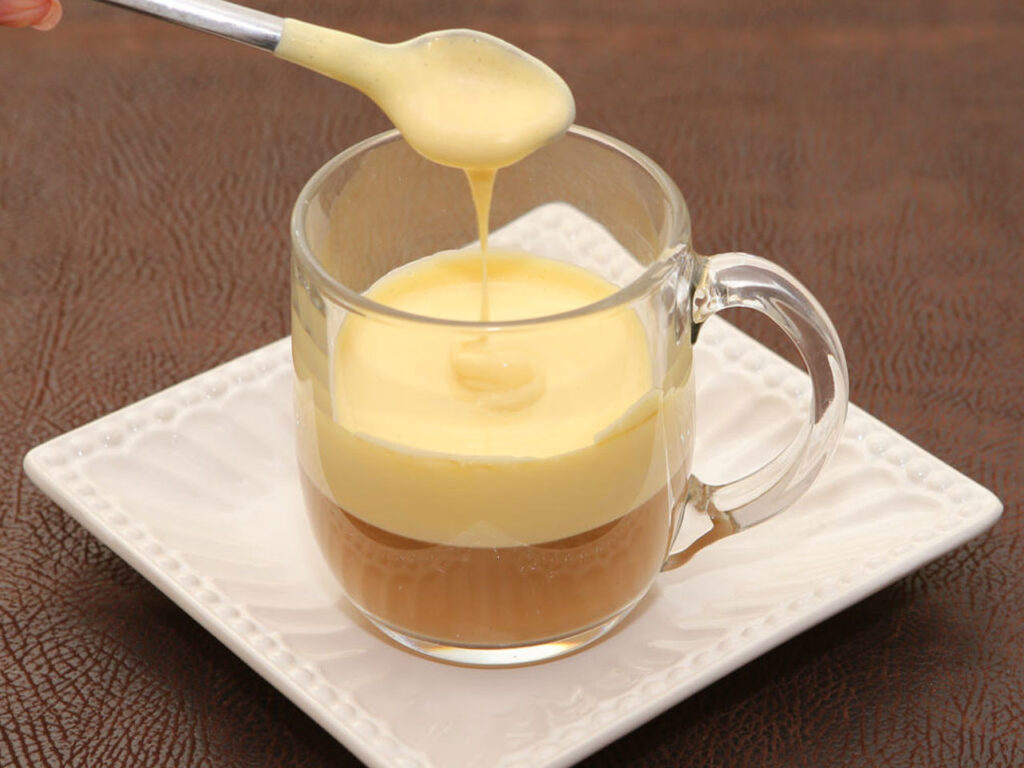
Vietnamese egg coffee has become one of the most unique and memorable drinks for travelers and coffee lovers around the world. Known for its warm, silky layer of whipped egg yolk resting on bold Vietnamese coffee, it brings together taste, texture, and a sense of cultural tradition. As more people pay attention to dietary needs, allergies, or plant-based lifestyles, it’s only natural that questions about dairy content arise — including whether egg coffee has dairy or, more specifically, Does egg coffee have dairy. Understanding the traditional recipe and modern adaptations will help you choose the version that fits your taste and needs.
This guide explores the ingredients, how the drink works, dairy-free alternatives, and how modern cafés such as Tonkin Coffee continue to make both traditional and plant-based versions accessible to more people.
Traditional egg coffee and its signature ingredients
Traditional egg coffee uses sweetened condensed milk, which gives the foam its stable, creamy texture. The drink’s richness comes from the blend of coffee, egg yolk, sugar, and dairy, making it similar to a warm dessert.
How the drink started
Egg coffee, or Cà Phê Trứng, was first made in Hanoi during a time when fresh milk was scarce.
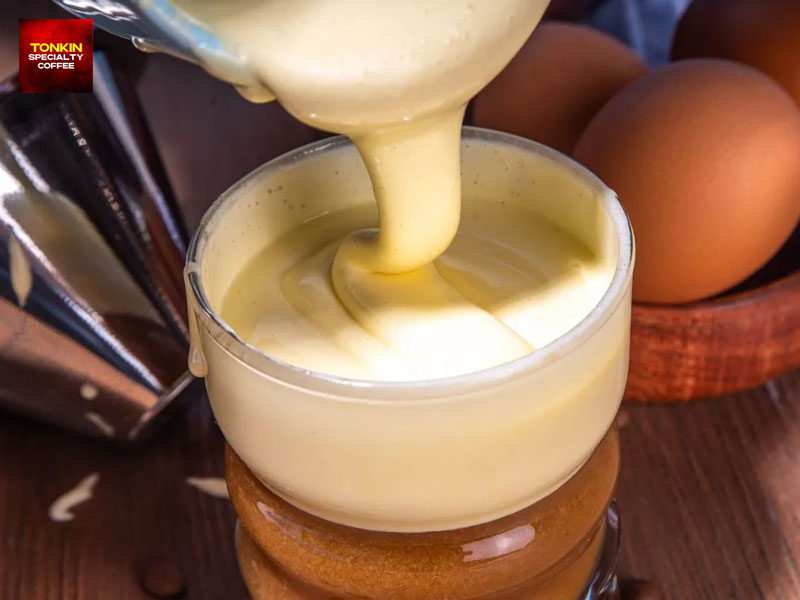
Condensed milk became the replacement, mixing easily with egg yolks to create a smooth, thick cream. This simple adjustment eventually shaped the iconic flavor that many people enjoy today.
The essential ingredients
A traditional cup includes four components:
- Strong Vietnamese Robusta coffee
- Egg yolks
- Sugar
- Sweetened condensed milk
Condensed milk acts as both a sweetener and a thickener. Without it, the foam would not have the same consistency.
Creating the signature foam
The egg yolk, sugar, and condensed milk are whipped until light and airy. When spooned over hot coffee, the foam gradually blends with the liquid, giving each sip a warm, smooth feel.
Taste, Texture, and Caffeine
The drink has a velvety, dessert-like character. The coffee beneath stays bold, while the whipped layer adds sweetness and softness. Because the base is brewed coffee, many people naturally ask whether egg coffee contains caffeine, and it does, since the caffeine comes from the coffee itself, especially when made with Robusta beans.
Why some people prefer dairy-free egg coffee today
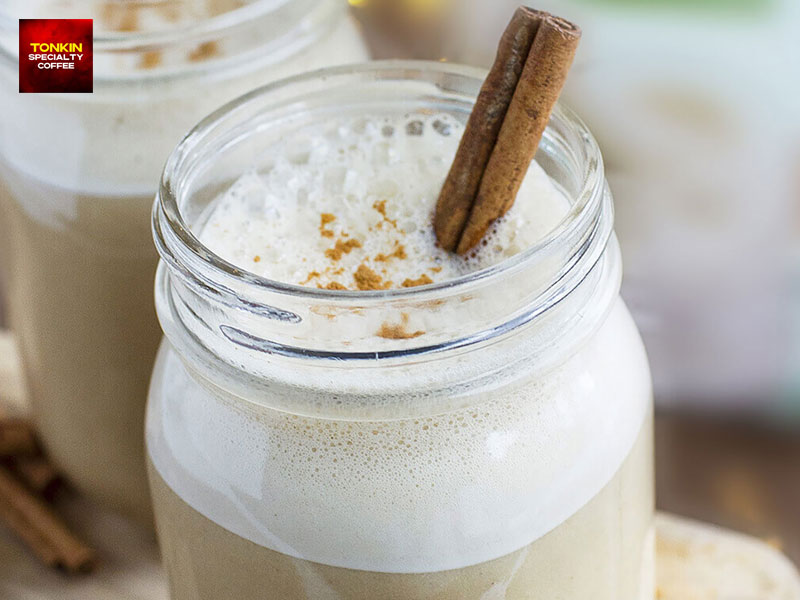
Many people look for lactose-free or vegan options, leading cafés to create lighter versions using coconut cream, almond milk, or oatmilk. These alternatives open the drink to more lifestyles without losing its comforting character.
What inspired dairy-free egg coffee
As plant-based diets grow, many cafés have adjusted the recipe to remove dairy. The goal is to keep the gentle foam while making the drink more inclusive. At Tonkin Coffee, both classic and dairy-free options are available, giving customers more flexibility.
How foam works without dairy
To replace condensed milk, baristas often use:
- Coconut cream
- Almond milk
- Oatmilk
- Sweetened plant-based creamers
These choices help the foam stay soft and smooth, though the flavor becomes lighter.
Texture differences
Traditional foam is thick and rich, while dairy-free versions feel softer and less sweet. Some people prefer the lighter taste because it allows the coffee flavor to shine more clearly.
Safety and freshness
One common concern is can egg coffee make you sick. When eggs are fresh and handled properly, the drink is generally safe. Trusted cafés prepare the mixture daily and control the temperature to ensure quality, Tonkin Coffee follows this approach to provide consistent freshness.
Plant-Based drinks growing in popularity
Alongside egg coffee, plant-based drinks such as Vietnamese Oatmilk Coffee, Oatmilk Latte, Vietnamese Oatmilk White Coffee, and Oatmilk Cappuccino have become favorites. Oatmilk adds smoothness without overpowering the coffee, making it a comfortable choice for vegan or dairy-sensitive customers.
Egg coffee in today’s coffee culture
Egg coffee continues to evolve with new flavors and techniques. Whether made traditionally or with plant-based alternatives, the drink remains a symbol of creativity and comfort in Vietnamese cafés, and this spirit is especially reflected at Tonkin Coffee, where the craft of egg coffee is treated with care and consistency.
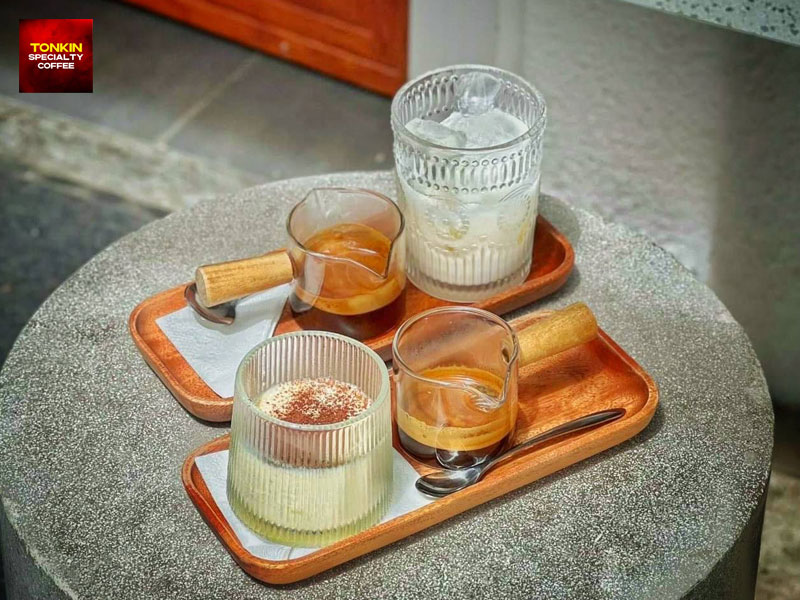
Tradition and adaptation
Egg coffee remains one of Vietnam’s signature drinks. Even as it spreads to international menus, the heart of the recipe stays the same: strong coffee paired with a gentle, creamy layer on top. At Tonkin Coffee, baristas follow a method that highlights this balance, keeping the original idea intact while still embracing thoughtful improvements.
Global demand for dairy-free choices
Cafés outside Vietnam often introduce adjustments for customers looking for low-sugar or non-dairy drinks. Coconut cream and oatmilk are popular options because they whip well and blend smoothly. Tonkin Coffee also experiments with these alternatives to offer choices for guests seeking lighter or plant-based variations.
Making egg coffee without condensed milk
Creating an egg coffee recipe without condensed milk requires a few changes. Baristas may use a thicker plant-based cream and a small amount of sweetener to help form soft peaks when whipping. The mixture usually needs to be cold to whip properly. Tonkin Coffee applies these techniques carefully so that the foam remains smooth and stable even without dairy.
Keeping flavor balanced
When changing ingredients, baristas aim to keep harmony between the coffee base and the foam. Dairy-free versions tend to be lighter, allowing the aroma of the coffee to stand out even more.
Why condensed milk is still loved
Although alternatives are growing, many coffee lovers still enjoy the traditional version. Condensed milk blends naturally with egg yolks, helping the foam stay stable and adding a gentle sweetness that pairs well with Vietnamese Robusta.
Egg coffee traditionally contains dairy because condensed milk plays a key role in creating its signature creamy foam. Today, however, many cafés, including Tonkin Coffee, offer dairy-free options made with coconut cream, almond milk, or oatmilk. Whether you prefer the classic style or a plant-based version, you can enjoy the comforting combination of strong coffee and soft foam that makes this drink so special.
Visit Tonkin Coffee Today!
Tonkin Specialty Coffee
- Add: 91 Ly Tu Trong St, Ben Thanh Ward, District 1, Ho Chi Minh City, Vietnam.
- Hotline: 086 799 0125
Tonkin Garden Cafe
- Add: 135/50 Tran Hung Dao St, Ben Thanh Ward, District 1, Ho Chi Minh City, Vietnam.
- Hotline: 087 992 4691
Tonkin Egg Coffee
- Add: 1 Le Thi Rieng, Ben Thanh Ward, District 1, Ho Chi Minh City, Vietnam.
- Hotline: 0815 841 909
Nestled in the heart of Ho Chi Minh City, Tonkin Specialty Coffee is one of the best coffee shops to experience authentic Vietnamese flavors. From the iconic egg coffee and refreshing coconut coffee to bold Vietnamese coffee and the unique salt coffee, every sip is a journey into tradition. For non-coffee lovers, our Vietnamese matcha offers a gentle alternative. Pair your drink with a freshly baked banh mi or a buttery croissant, and savor the true taste of Vietnam in a setting inspired by folk culture and Indochine charm.