
When people search for coffee Vietnam weasel, they are usually drawn by its reputation as one of Vietnam’s rarest and most debated coffees. Known for its unusual production process and luxury image, this coffee raises questions about taste, value, and ethics. At the same time, modern cafés like Tonkin Coffee are reshaping how premium Vietnamese coffee is experienced today, focusing less on novelty and more on quality, balance, and craftsmanship.
What is weasel coffee in Vietnam?
Weasel coffee in Vietnam refers to coffee made from beans that have passed through the digestive system of the Asian palm civet. During digestion, natural enzymes interact with the beans, subtly altering their chemical structure before they are collected, cleaned, dried, and roasted.
Why the process is considered unusual
Unlike conventional coffee production, this method relies on a biological process rather than human-controlled fermentation.
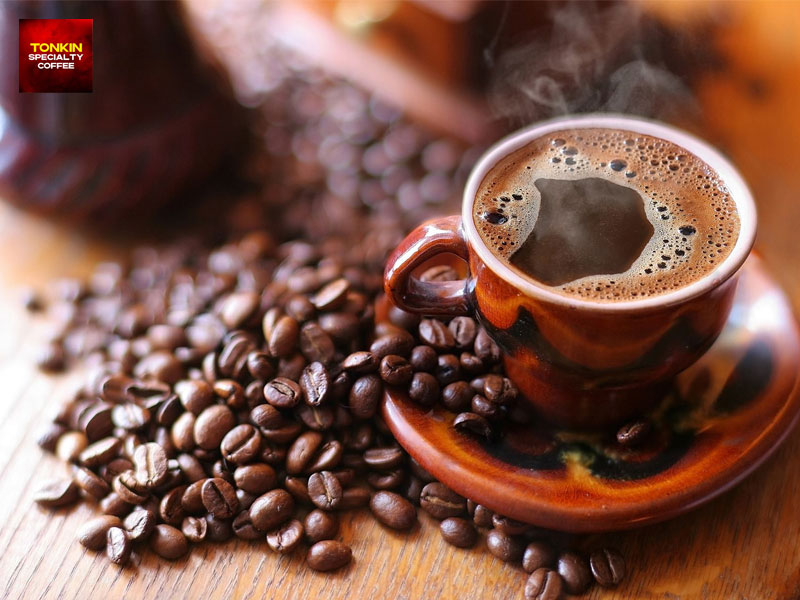
Civets consume ripe coffee cherries, digest the fruit, and excrete the beans intact. This unusual journey is central to the coffee’s mystique.
Local names and global recognition
In Vietnam, the coffee is commonly called cà phê chồn, directly referencing the animal involved. Internationally, it is often grouped under civet coffee, a category that includes similar products from neighboring countries. Over time, the Vietnamese version has gained recognition among travelers seeking rare culinary experiences.
How it became part of Vietnam’s coffee identity
Although Vietnam is globally known for its coffee production, weasel coffee occupies a niche position. Its association with exclusivity and storytelling has turned it into a symbolic product, one that represents curiosity as much as flavor.
How is weasel coffee made and why does it taste different?
The flavor of weasel coffee is inseparable from its production process. Each stage contributes to the final cup, from the moment the cherry is eaten to the way the bean is roasted.
Natural selection of ripe cherries
Civets instinctively choose ripe coffee cherries. This natural selection is often highlighted as a quality factor, as ripe cherries tend to produce sweeter and more balanced beans.
Enzymatic transformation during digestion
Inside the civet’s digestive system, enzymes break down certain proteins associated with bitterness.

This biochemical change is believed to soften the coffee’s profile, reducing sharpness and enhancing smoothness.
Post-collection processing and roasting
After collection, the beans undergo extensive washing and drying. Roasting then plays a crucial role in shaping aroma and body. A light roast may highlight subtle sweetness, while darker roasts emphasize earthiness and depth.
Why the process creates inconsistency
Because much of the transformation depends on biological variables, consistency is difficult to guarantee. Differences in diet, environment, and handling can result in noticeable variations from one batch to another.
What does weasel coffee taste like and why is it so expensive?
Weasel coffee is often described as smooth, low in acidity, and layered rather than intense. The emphasis is typically on mouthfeel and balance instead of brightness.
Typical flavor characteristics
Drinkers frequently mention notes of chocolate, caramel, and gentle sweetness. The finish is often lingering, with a soft texture that sets it apart from sharper coffee styles.
Factors behind the high price
Several elements contribute to its cost:
- Limited and unpredictable production
- Labor-intensive collection and processing
- Strong demand driven by rarity and storytelling
- Its positioning as a luxury experience
In many cases, consumers are paying as much for the narrative as for the coffee itself.
When rarity overshadows quality
Despite its reputation, weasel coffee does not always deliver exceptional taste. Inconsistent quality and improper roasting can result in a cup that feels underwhelming relative to its price, prompting skepticism among experienced coffee drinkers.
Ethical concerns shaping perception
As awareness has grown, questions about animal welfare have become central to discussions around weasel coffee. This has encouraged many consumers to look for premium coffee experiences that do not rely on animal involvement.
How is Vietnam’s coffee culture evolving beyond weasel coffee?
Vietnam’s coffee identity is far richer than a single rare product. As tastes mature, attention is shifting toward quality, origin, and craftsmanship.
Rediscovering balance and clarity
High-quality arabica coffee Vietnam has gained appreciation for its cleaner acidity and nuanced flavor when grown and processed with care. This shift reflects a broader interest in coffee that expresses terroir rather than novelty.
Everyday traditions with modern sensibility
Classic drinks like Vietnamese iced coffee remain deeply ingrained in daily life. However, they are increasingly being prepared with better beans and more thoughtful techniques, enhancing balance without losing familiarity.
The growth of intentional coffee experiences
The rise of specialty coffee Vietnam signals a change in how coffee is valued. Transparency, roasting skill, and brewing precision are becoming just as important as strength or sweetness.
Moving away from spectacle
For many drinkers, premium coffee is no longer defined by rarity alone. Instead, it is shaped by consistency, ethics, and respect for the craft.
A modern expression of Vietnamese coffee at Tonkin
As the definition of premium Vietnamese coffee continues to evolve, Tonkin Coffee represents a thoughtful and contemporary approach, one that prioritizes intention over spectacle.
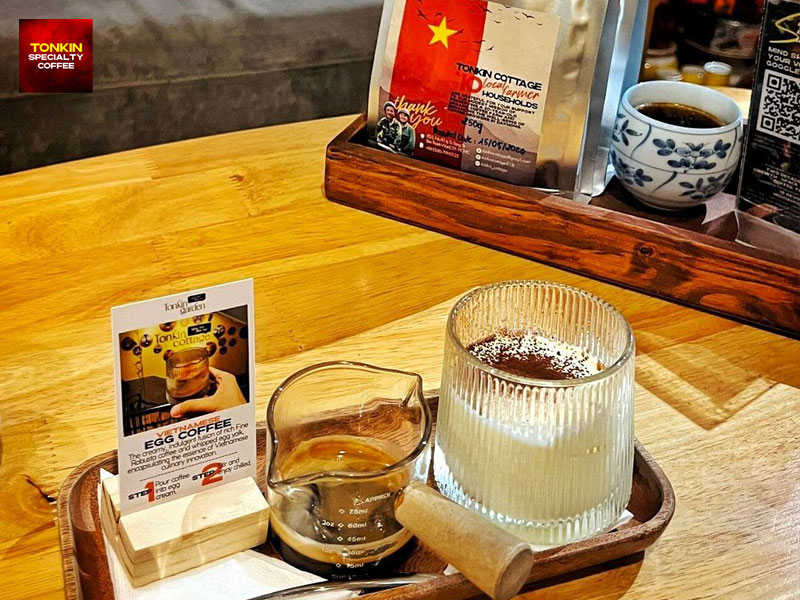
Rather than relying on rarity created by unusual processes, Tonkin focuses on Fine Robusta, highlighting the bean’s natural potential through controlled fermentation, precise roasting, and careful brewing. The result is a cup that delivers depth, sweetness, and structure without relying on novelty.
Tonkin’s approach reflects a broader refinement in Vietnamese coffee culture. Styles inspired by white coffee Vietnam demonstrate how roasting and extraction choices can soften intensity while preserving complexity. Each cup is designed to feel complete and deliberate.
In a landscape where travelers often search for what is famous coffee in Vietnam, Tonkin offers something different: an experience rooted in craftsmanship rather than curiosity. It shows how Vietnamese coffee can honor tradition while embracing modern standards of quality and transparency.
Weasel coffee remains a fascinating part of Vietnam’s coffee narrative, shaped by tradition, rarity, and global intrigue. Yet it also highlights the limitations of defining quality through novelty alone.
Today, Vietnam’s coffee story is expanding. Through careful sourcing, ethical practices, and refined technique, a new generation of coffee experiences is emerging, one that values depth, balance, and intention in every cup.
Visit Tonkin Coffee Today!
Tonkin Specialty Coffee
- Add: 91 Ly Tu Trong St, Ben Thanh Ward, District 1, Ho Chi Minh City, Vietnam.
- Hotline: 086 799 0125
Tonkin Garden Cafe
- Add: 135/50 Tran Hung Dao St, Ben Thanh Ward, District 1, Ho Chi Minh City, Vietnam.
- Hotline: 087 992 4691
Tonkin Egg Coffee
- Add: 1 Le Thi Rieng, Ben Thanh Ward, District 1, Ho Chi Minh City, Vietnam.
- Hotline: 0815 841 909
Nestled in the heart of Ho Chi Minh City, Tonkin Specialty Coffee is one of the best coffee shops to experience authentic Vietnamese flavors. From the iconic egg coffee and refreshing coconut coffee to bold Vietnamese coffee and the unique salt coffee, every sip is a journey into tradition. For non-coffee lovers, our Vietnamese matcha offers a gentle alternative. Pair your drink with a freshly baked banh mi or a buttery croissant, and savor the true taste of Vietnam in a setting inspired by folk culture and Indochine charm.